In the development of solar power plants, site selection is one of the key factors determining the project’s success or failure. A good location not only improves power generation efficiency but also reduces construction and operational costs. So, which locations are most suitable for installing solar power plants? Below are five ideal site types for developers and investors to consider.
- Desert and Gobi Regions
Due to long hours of sunshine and low cloud cover, desert and Gobi regions are extremely rich in solar resources, making them ideal for large-scale ground-mounted solar power plants. These areas typically feature vast tracts of land at low land prices and are located far from densely populated areas, reducing the complexity of land acquisition and environmental impact assessments. Additionally, the flat terrain of desert regions facilitates the deployment of large-scale solar arrays, thereby lowering construction costs. Multiple large-scale solar power bases have already been established in northwestern China, including in Gansu, Xinjiang, and Qinghai, fully demonstrating the development potential of such regions. - Agricultural Land (Agri-Solar Complementarity)
Building solar power plants on agricultural land enables “agri-solar complementarity,” where crops are grown or livestock are raised beneath the solar panels. This approach not only improves land utilization but also generates additional income for farmers. Regions suitable for agro-photovoltaic integration include sun-drenched plains and hilly areas, such as the agriculturally developed regions of North China and East China. It is important to note that solar mounting structures must be designed to ensure crops receive sufficient sunlight while avoiding obstruction of agricultural machinery operations. - Industrial Plant Roofs
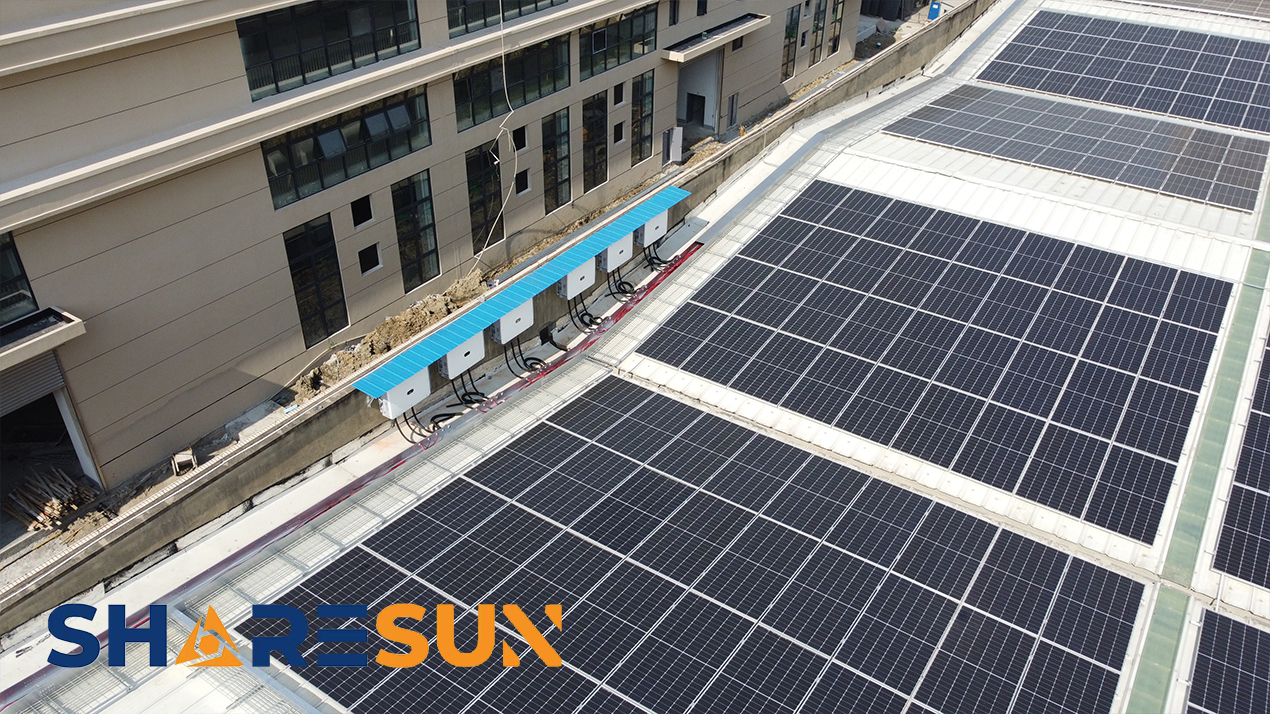
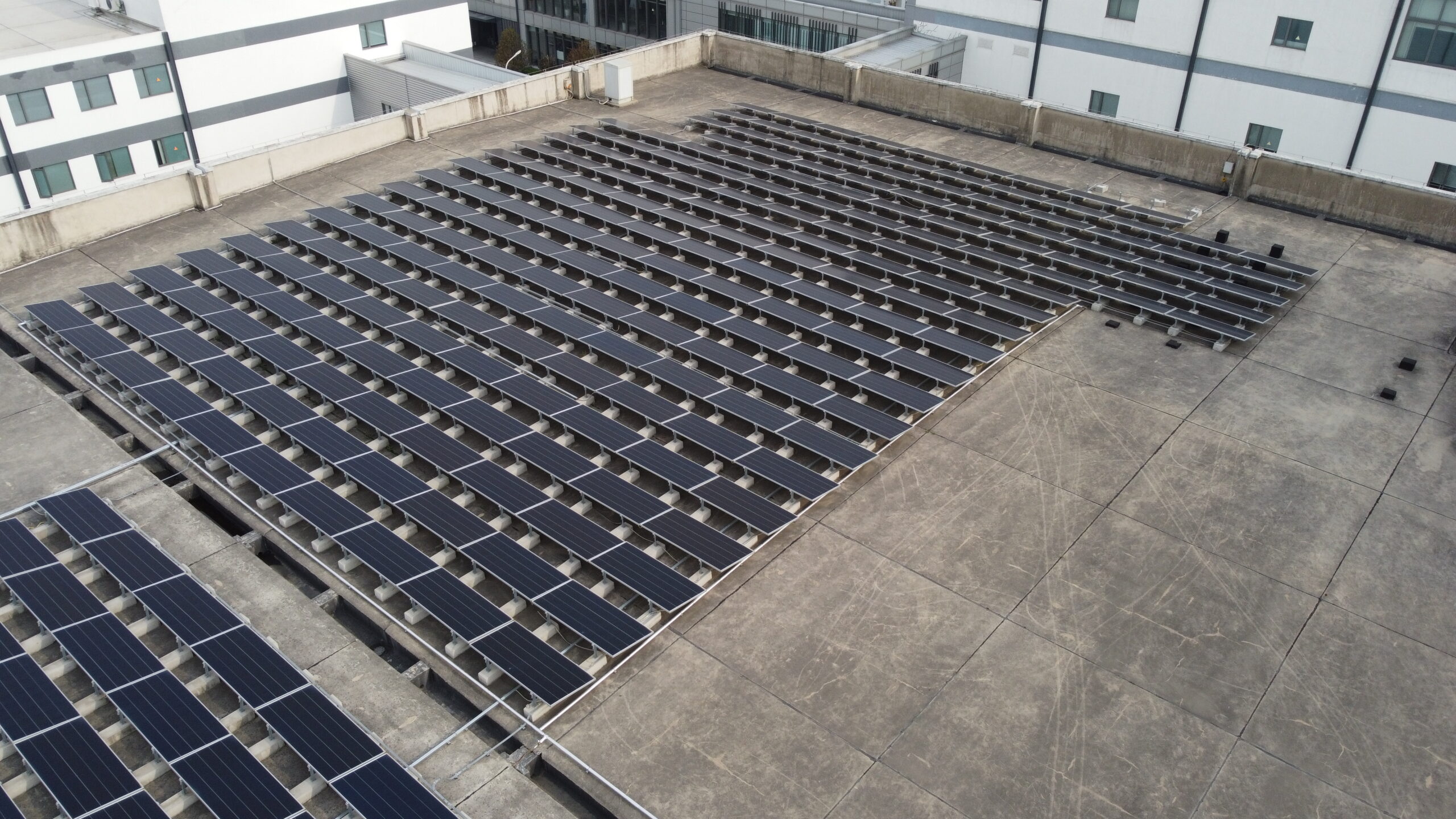
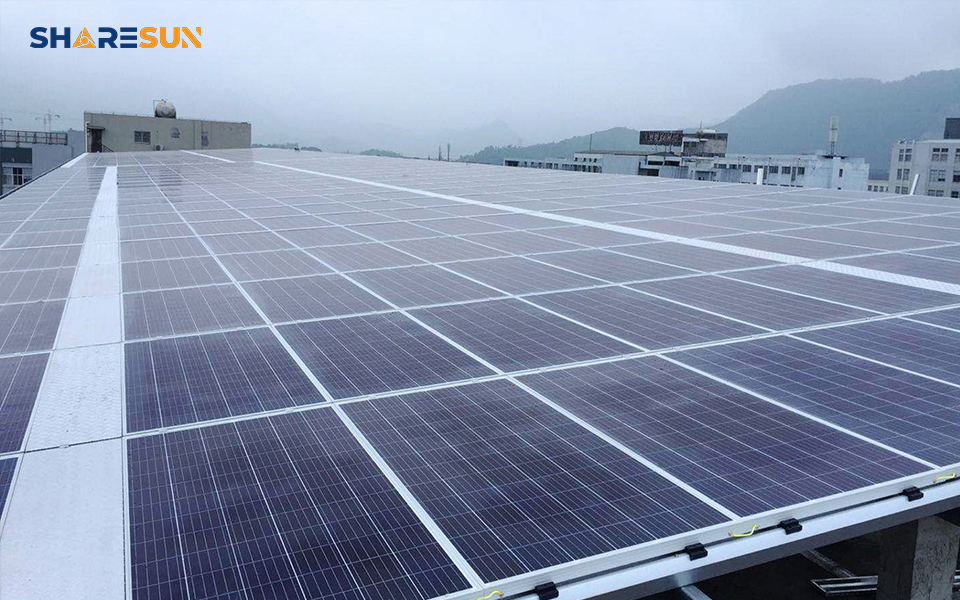
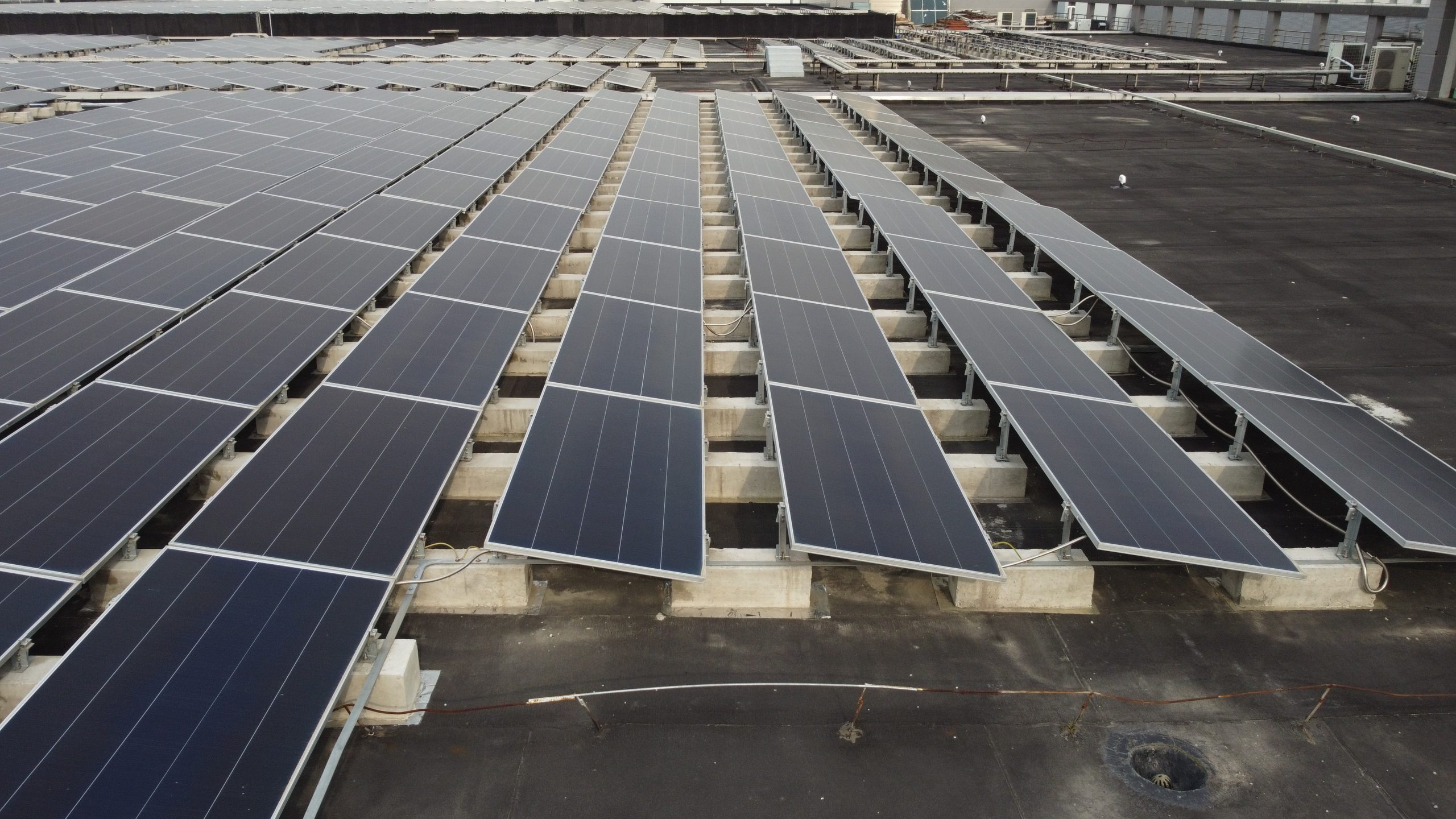
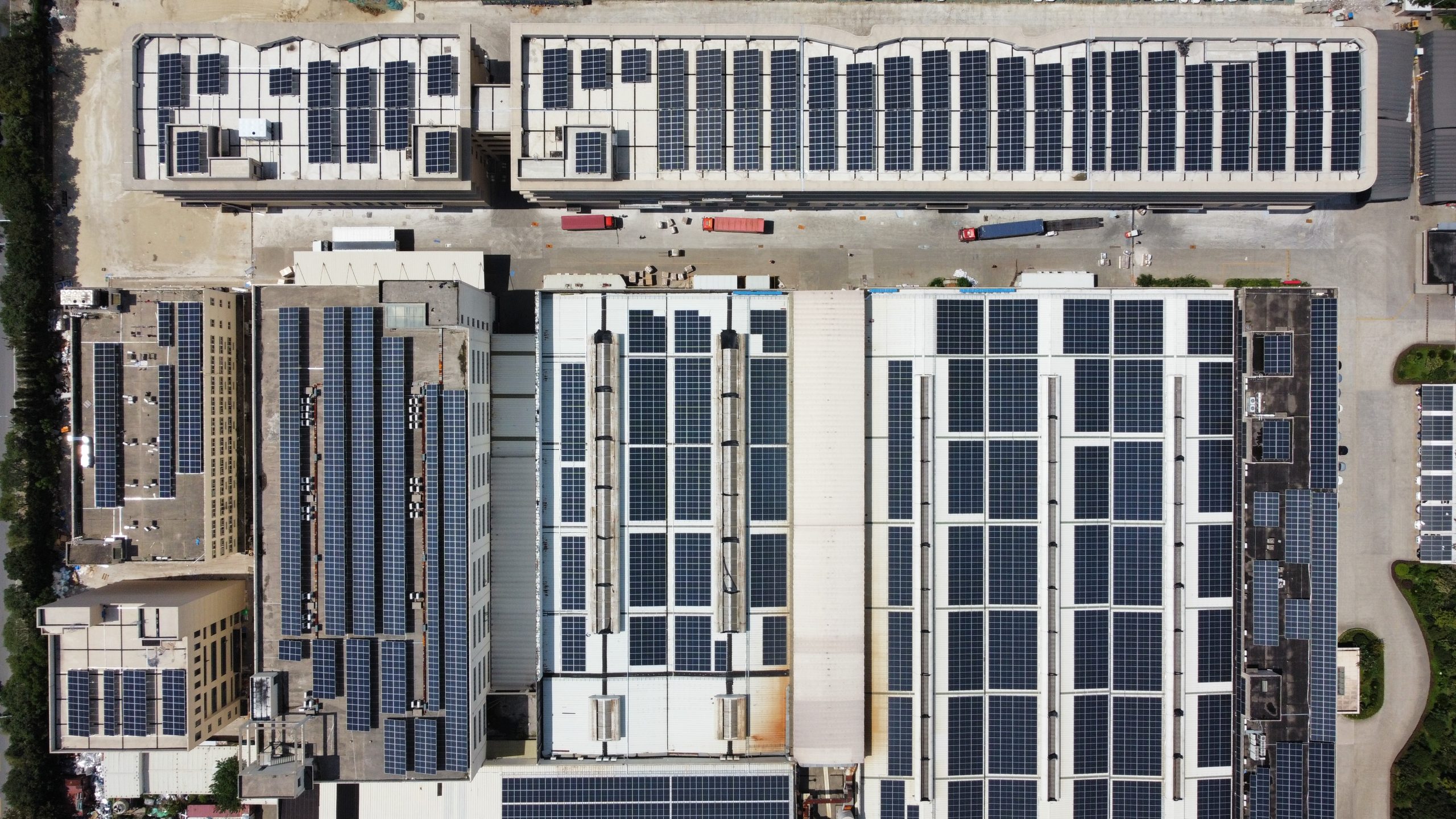
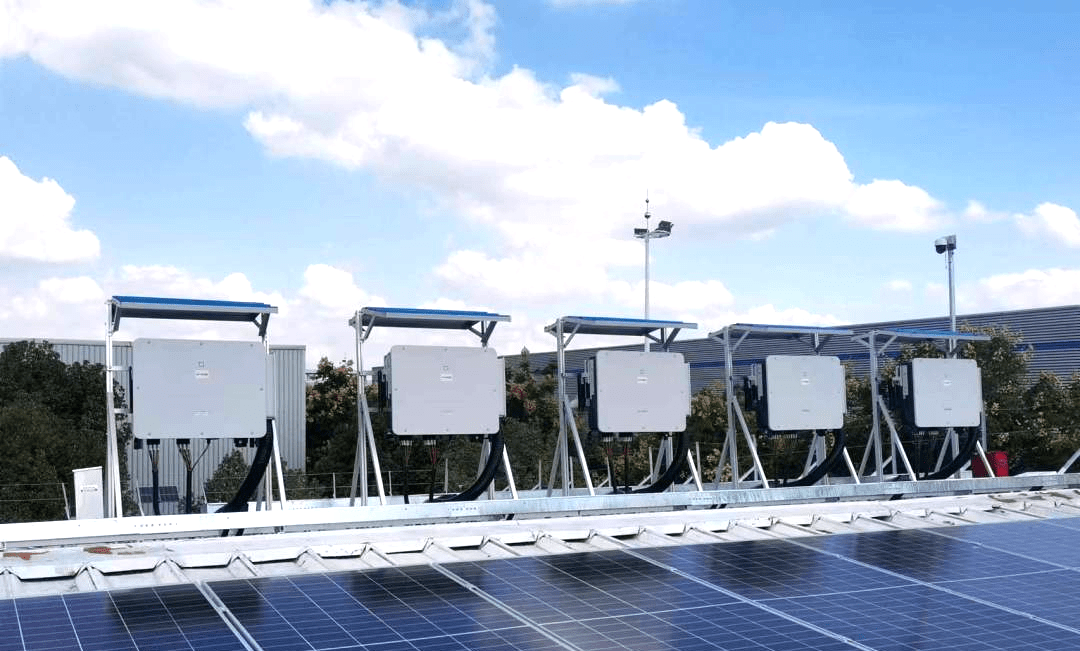
Industrial plant roofs offer large surface areas and sturdy structures, making them ideal for installing distributed solar systems. Factories typically consume significant amounts of electricity; generating and consuming their own power can significantly reduce electricity costs, while surplus power can be sold back to the grid. Additionally, rooftop solar systems do not require additional land and involve relatively simple approval processes. Factory roofs in manufacturing-intensive regions such as the Yangtze River Delta and Pearl River Delta have become popular sites for solar development. - Abandoned Mines and Contaminated Land
“Brownfield” sites—such as abandoned mines, landfills, and contaminated land—are often unsuitable for traditional development but can be converted into solar power plants after proper remediation. Such sites not only facilitate the reuse of land resources but also reduce ecological restoration costs. For example, some abandoned coal mining areas in Anhui and Shanxi have been successfully transformed into solar power generation bases, addressing the issue of idle land while promoting the development of clean energy. - Water Surfaces (Fish-Solar Complementarity)
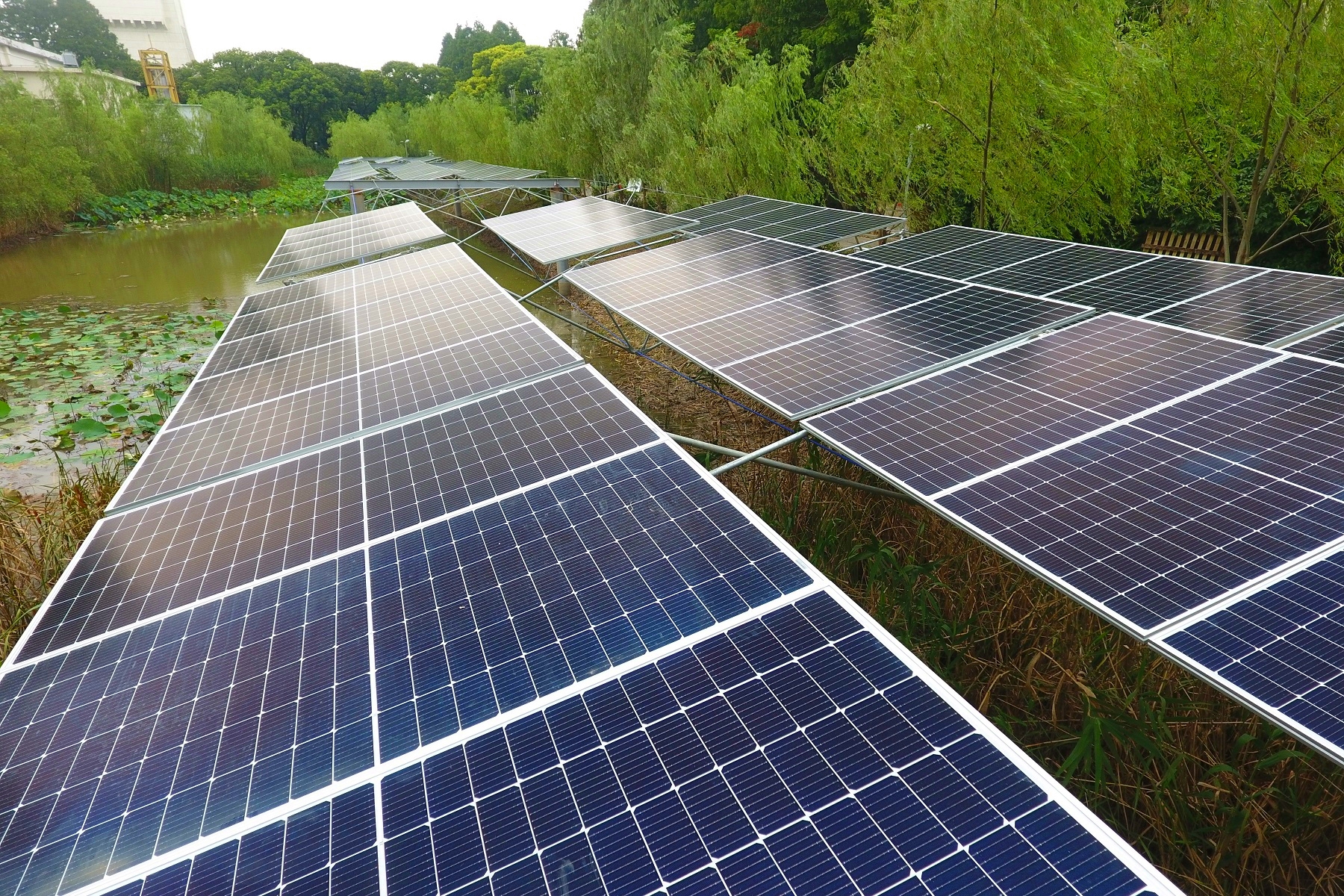
Floating solar systems can be installed on water bodies such as lakes, fish ponds, and reservoirs to achieve “fish-solar complementarity.” Solar panels on water surfaces not only reduce water evaporation and inhibit algae growth but also improve the power generation efficiency of the panels (as the cooling effect of the water surface lowers module temperatures).
The selection of sites for solar power plants requires comprehensive consideration of factors such as sunlight conditions, land characteristics, grid connectivity, and policy support. Deserts, farmland, factory rooftops, abandoned mines, and water surfaces are currently the five most favored site types; developers can choose the most suitable option based on project requirements. Appropriate site selection not only improves power generation efficiency but also brings positive impacts to the local economy and social environment.