
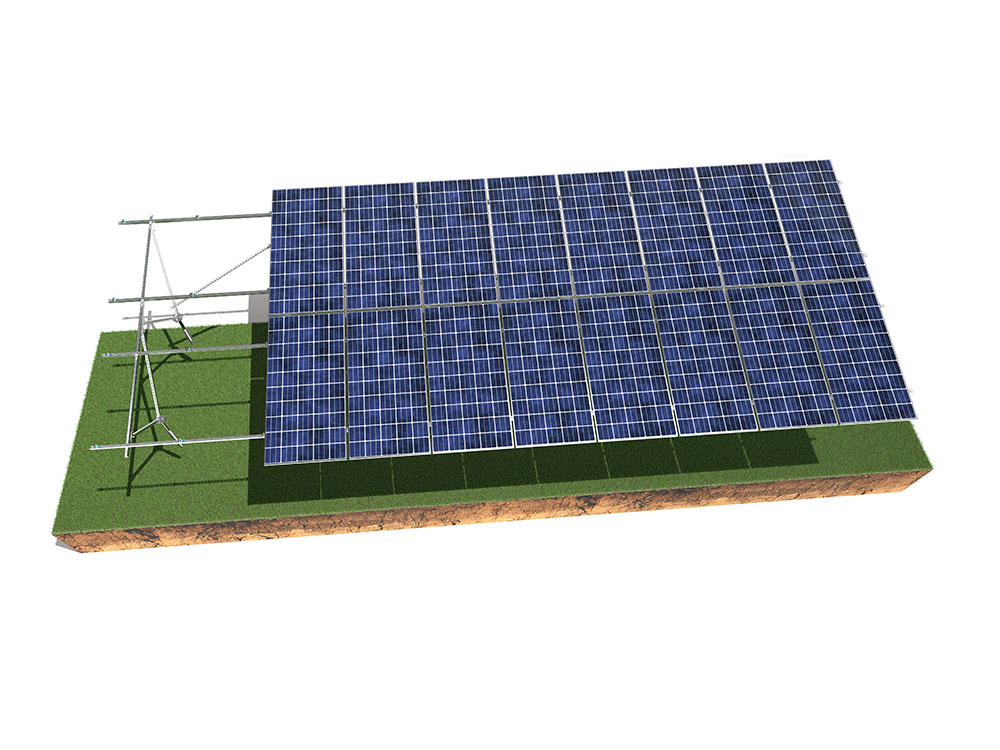
Solar mounting systems are a critical component of solar power systems. Although they may seem simple, even a slight misstep during selection can lead to issues such as water leaks, rust, or even collapse due to strong winds down the line. For homeowners or small-scale installers, mastering the following practical tips can help you avoid most pitfalls.
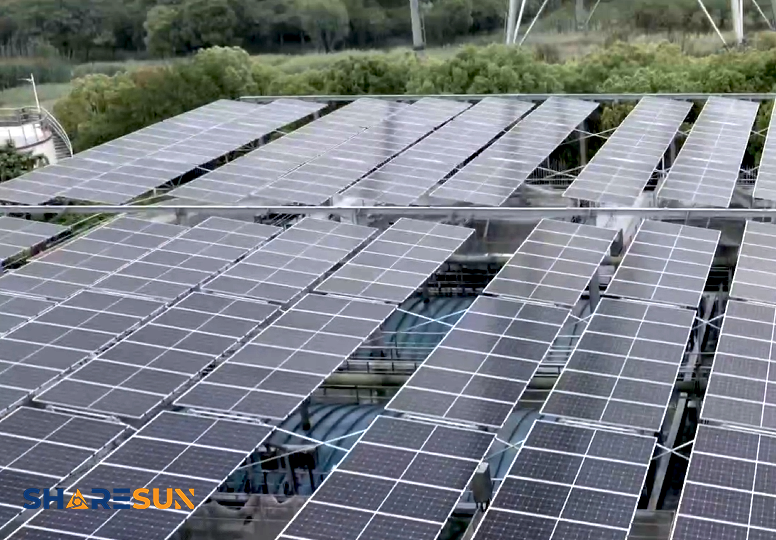
With government incentives and support, more and more people are installing solar mounting systems. Recently, many people planning to install solar panels have been asking me: What is the best material for solar mounting systems? For those who aren’t very familiar with solar power, it’s important to do your research beforehand—after all, choosing the wrong mounting system can lead to a lot of headaches down the road.
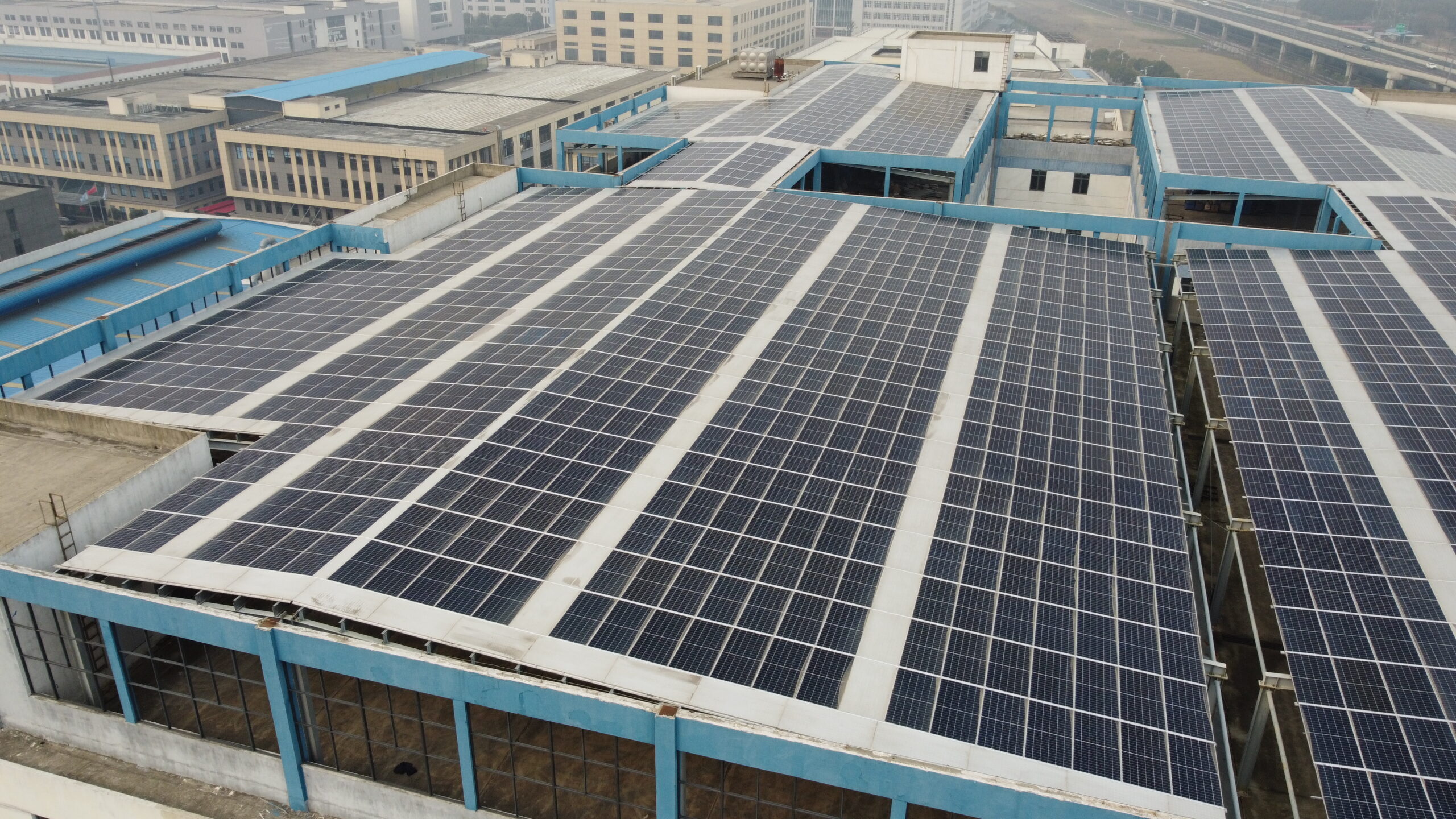
When it comes to solar mounting systems, many people’s first reaction is, “It’s just a metal frame, right?” But anyone who has actually built a solar power plant knows that choosing the wrong mounting system leads to a host of problems down the line.
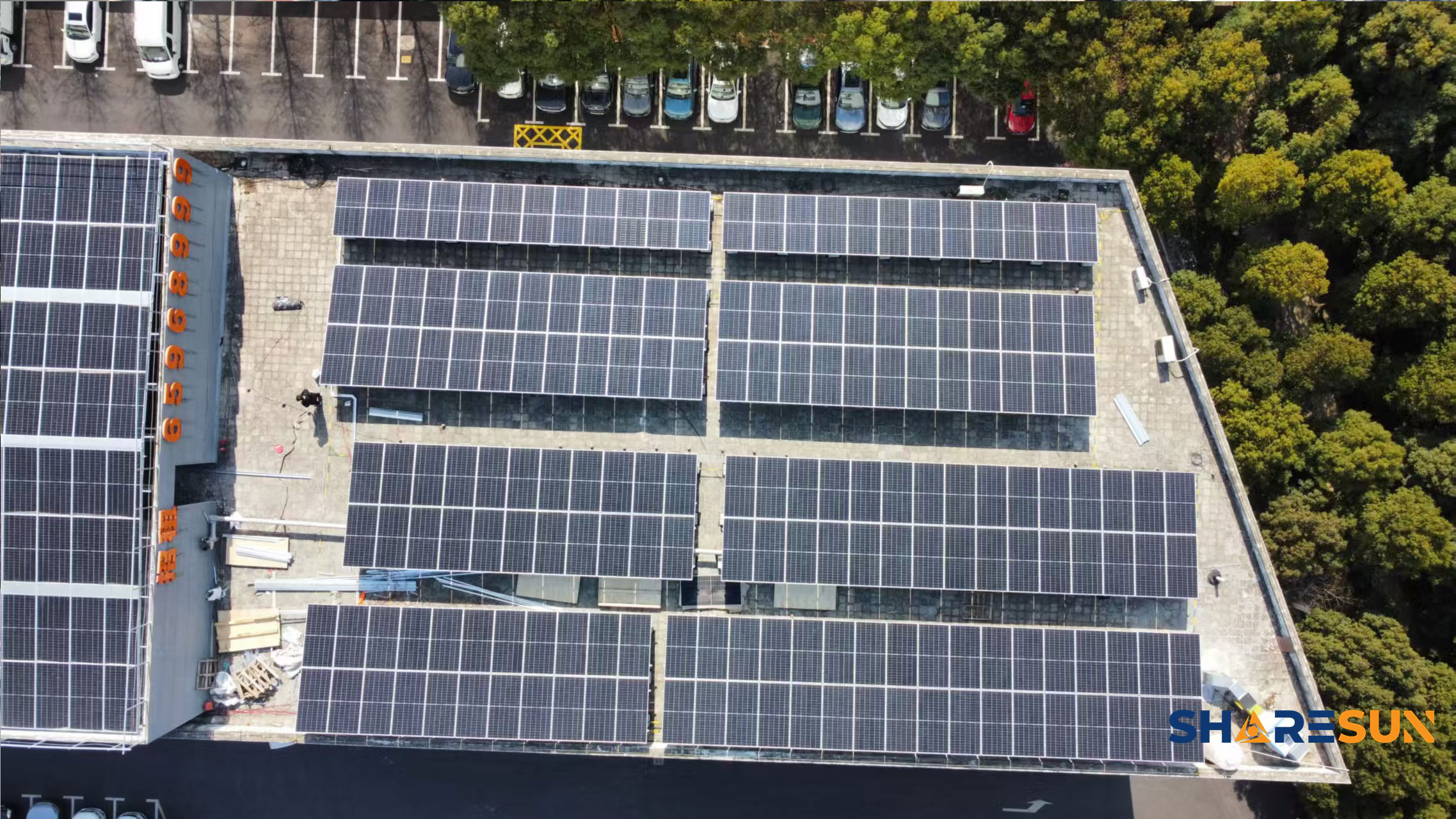
There are different types of solar mounting structures, which can generally be classified based on three criteria: installation method, materials used, and structural form. Understanding these differences allows you to select the appropriate mounting structure to save costs and avoid future problems.
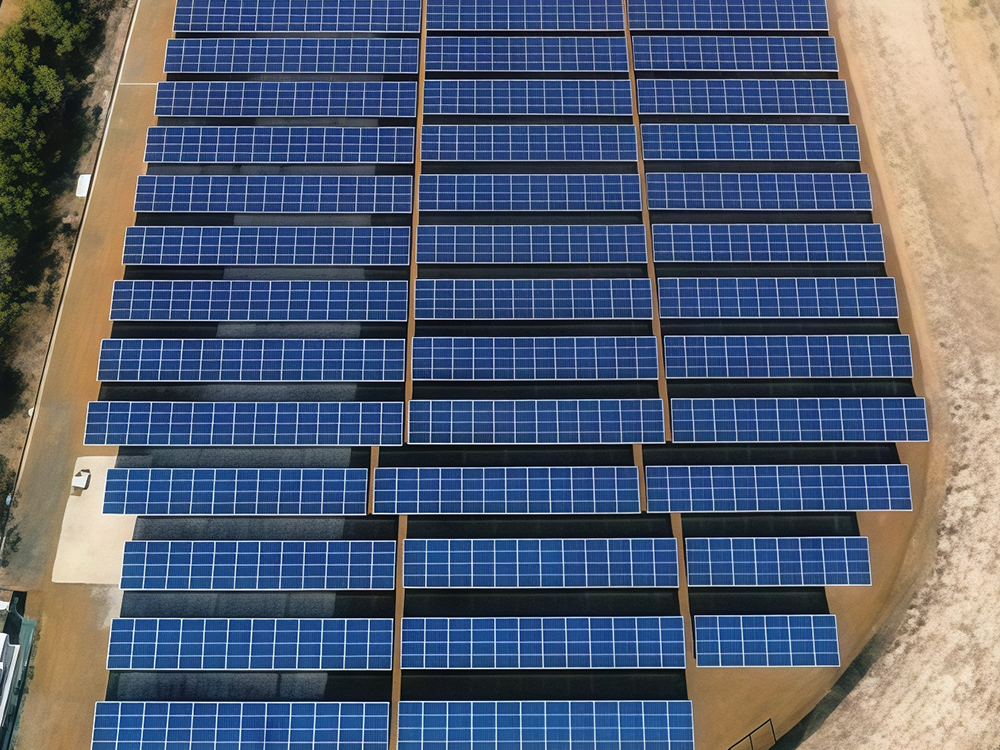
The construction of a solar power plant has a significant impact on its subsequent operational stability and efficiency.
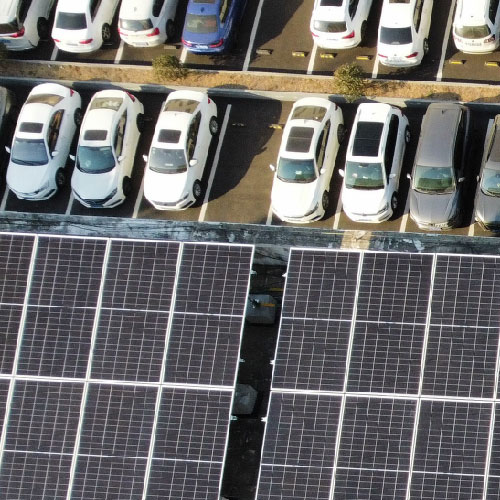
Solar mounting systems serve as the “backbone” of the entire solar power generation system, bearing the critical responsibility of supporting solar panels and withstanding wind, frost, rain, and snow.