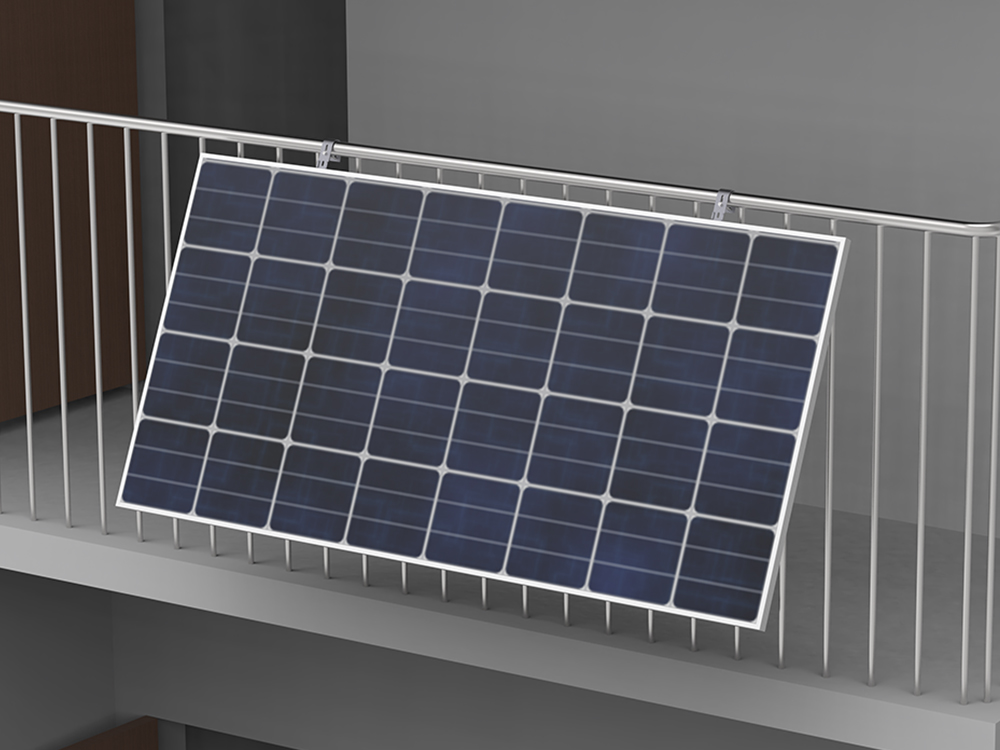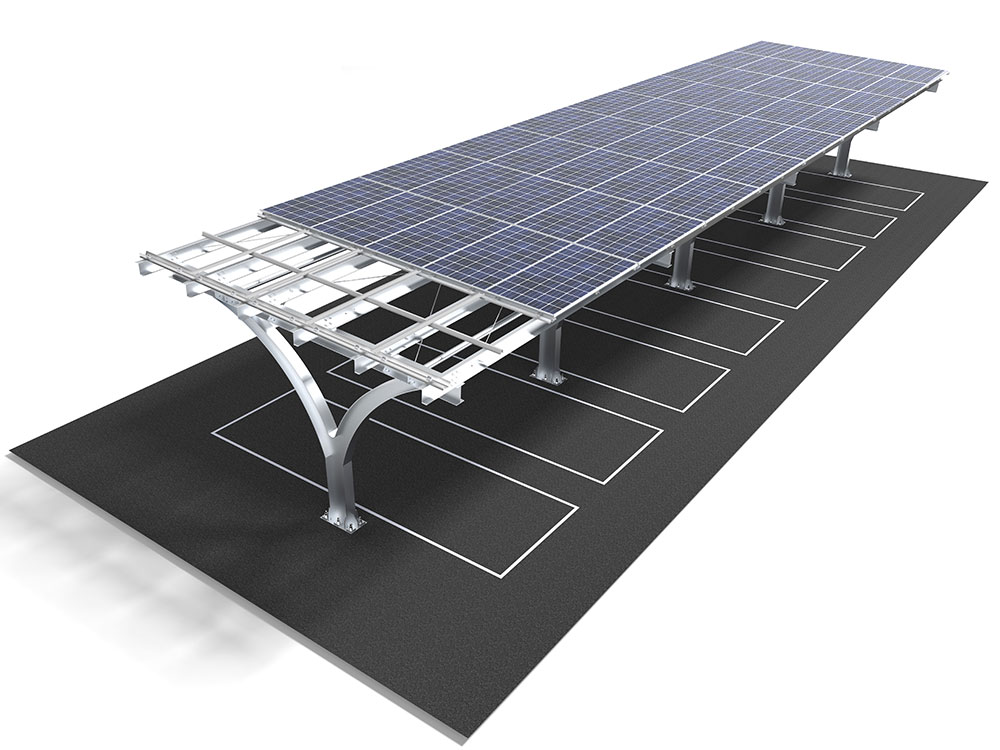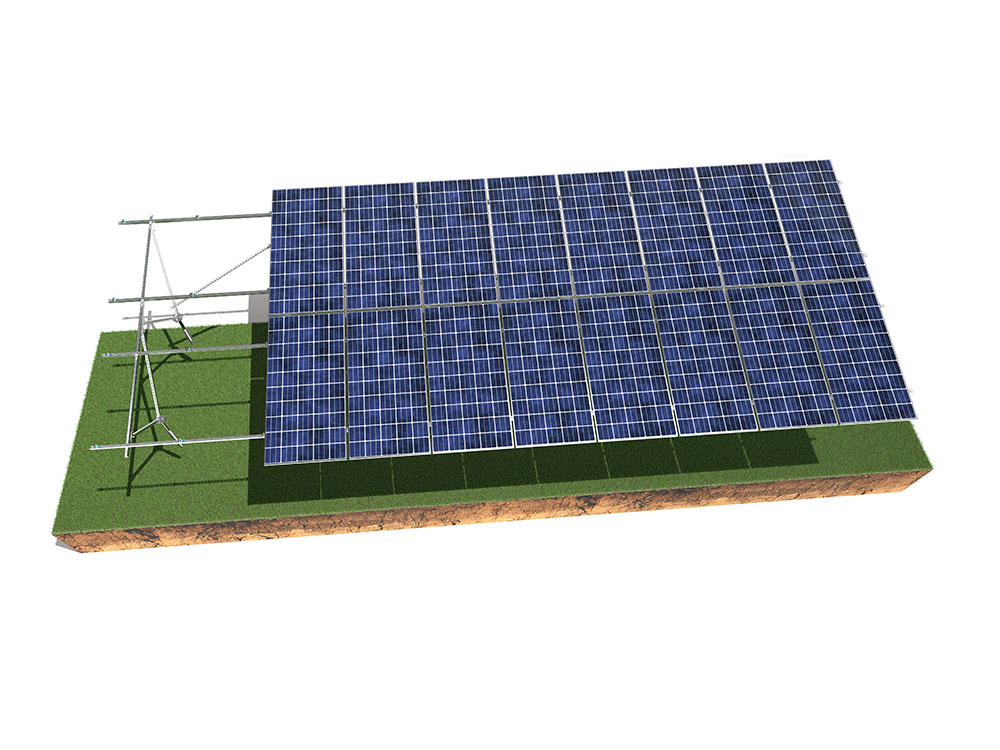
Solar mounting systems are a critical component of solar power systems. Although they may seem simple, even a slight misstep during selection can lead to issues such as water leaks, rust, or even collapse due to strong winds down the line. For homeowners or small-scale installers, mastering the following practical tips can help you avoid most pitfalls.
First, consider the application scenario before deciding on the material. Mounting systems for rooftops should be lightweight; aluminum alloy is the top choice. Although it is slightly more expensive than steel, it is corrosion-resistant and more roof-friendly since it does not require drilling holes. For ground-mounted power stations, hot-dip galvanized steel is sufficient—it’s cost-effective and high-strength, provided the zinc coating is at least 65 microns thick. You can request a test report from the manufacturer when purchasing. If the site is near the coast or a chemical plant, we recommend using higher-grade zinc-aluminum-magnesium alloys or opting directly for aluminum alloy. In such environments, salt spray corrosion is severe, and standard galvanized steel won’t last more than a few years.
Second, carefully assess the quality of the fasteners. The overall lifespan of the mounting system depends on its weakest link, which is often the bolts, clamps, and washers. These small components must be made of stainless steel, with 304 being the minimum standard; do not use galvanized bolts. Additionally, for aluminum alloy mounting systems, pay close attention to the tooth design of the clamps. If the teeth are not deep enough or lack sufficient hardness, the modules may slip under wind loads.
Third, calculate wind and snow loads before placing an order. Many buyers focus solely on price and overlook local climate conditions. In northern regions with heavy snowfall, main beams and diagonal braces must be reinforced; in coastal areas with strong winds, foundation ballast and uplift resistance are critical. A reliable supplier will perform a simple load-bearing capacity calculation based on your installation site, rather than selling a one-size-fits-all design nationwide.
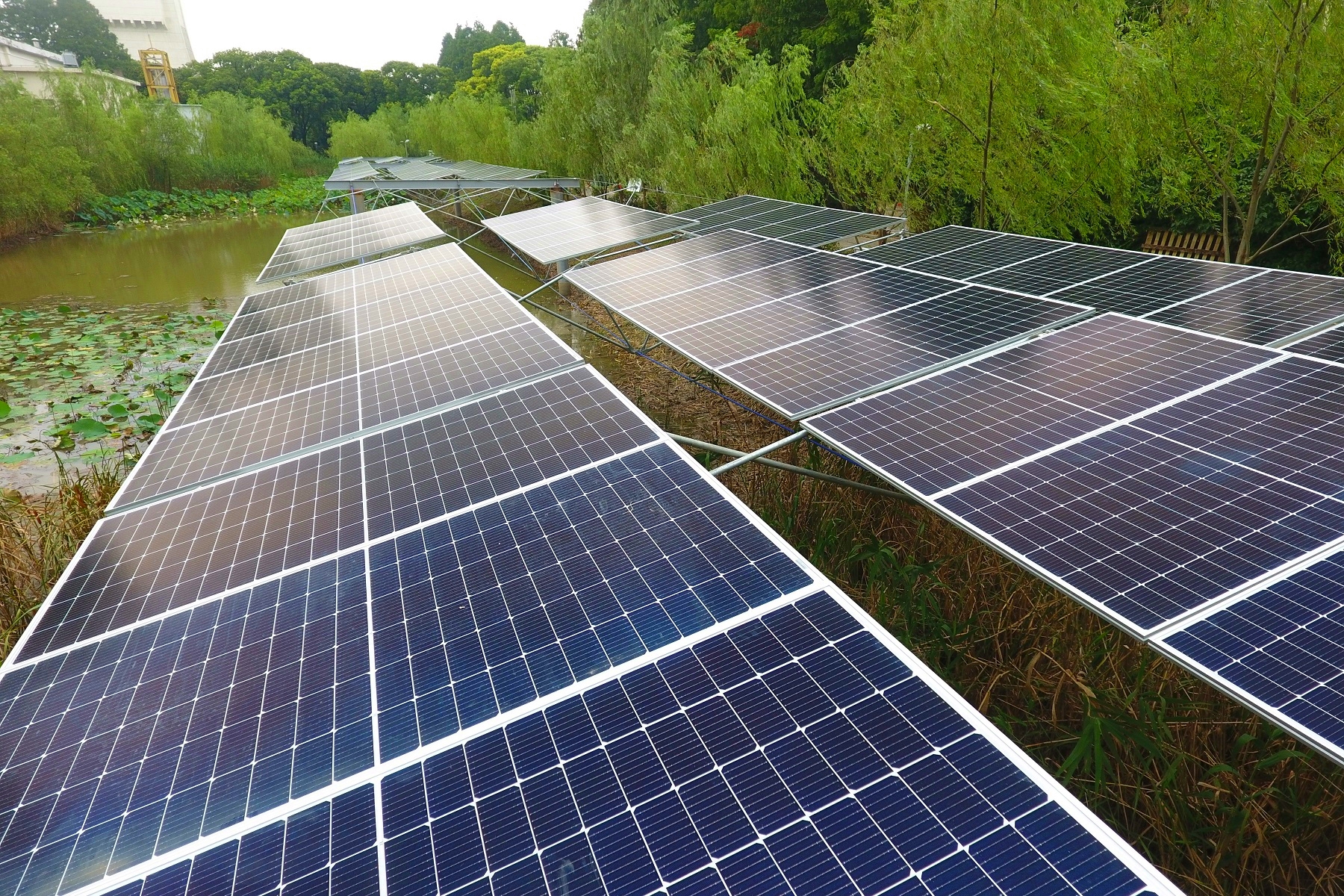
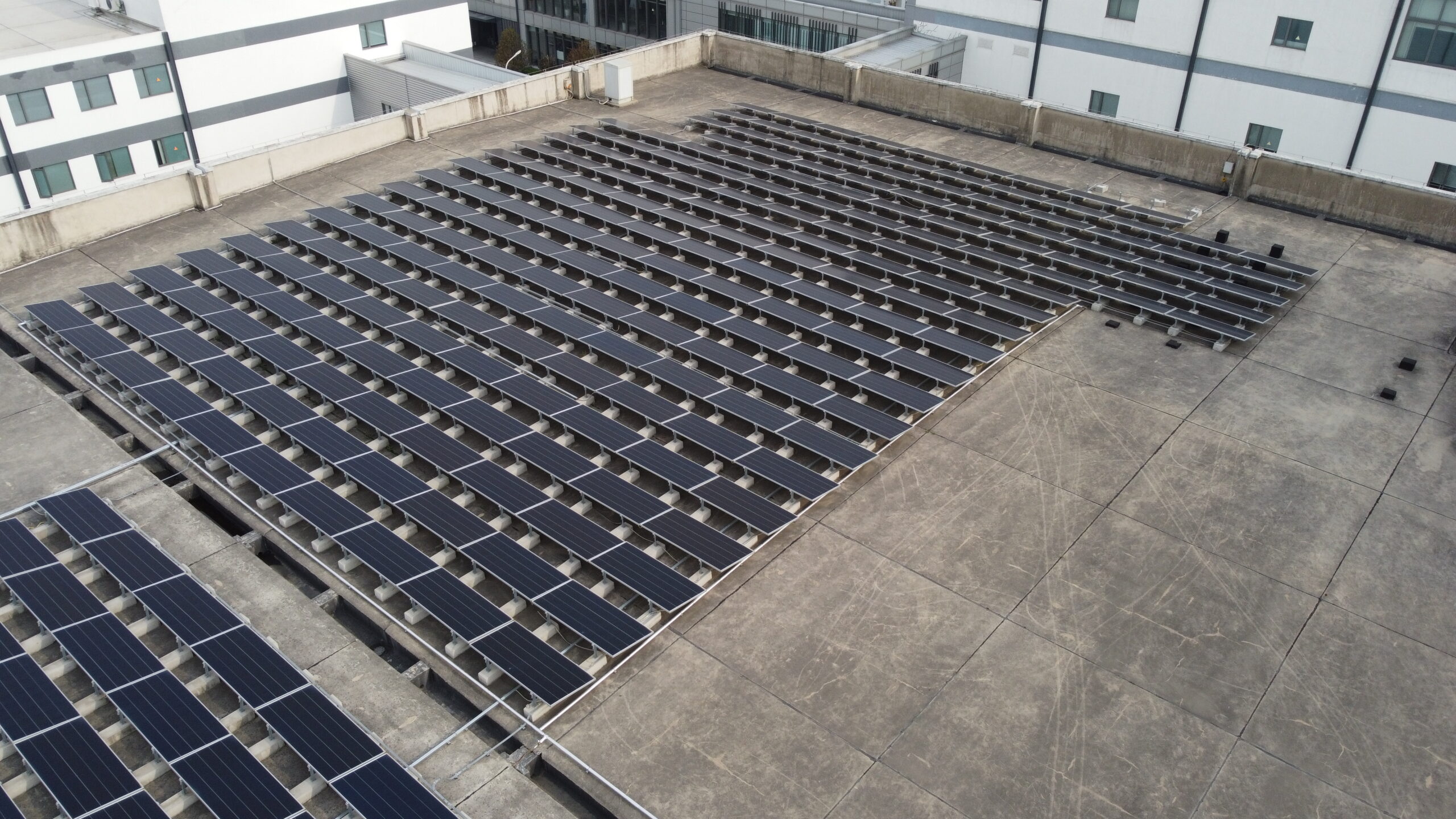
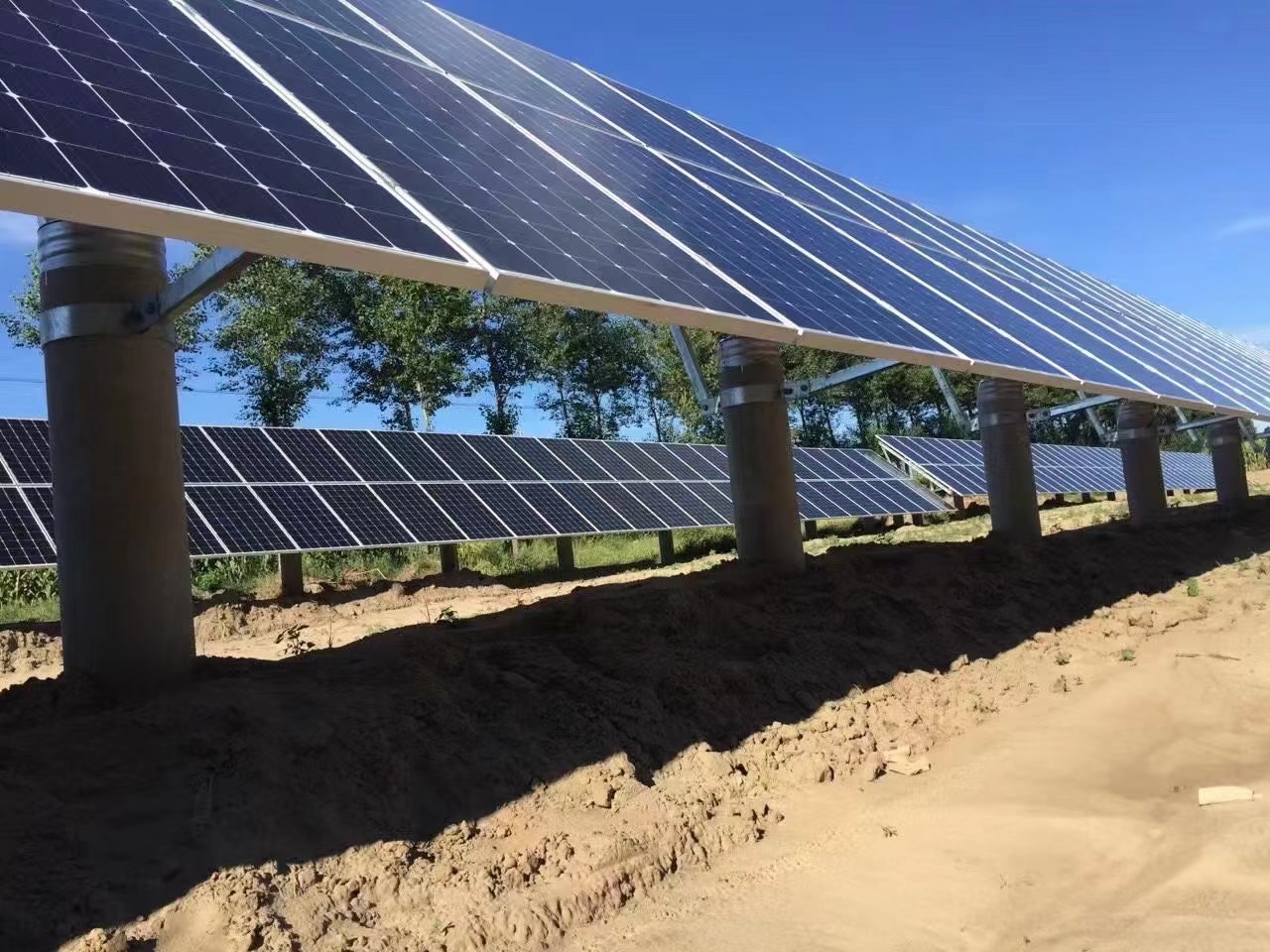
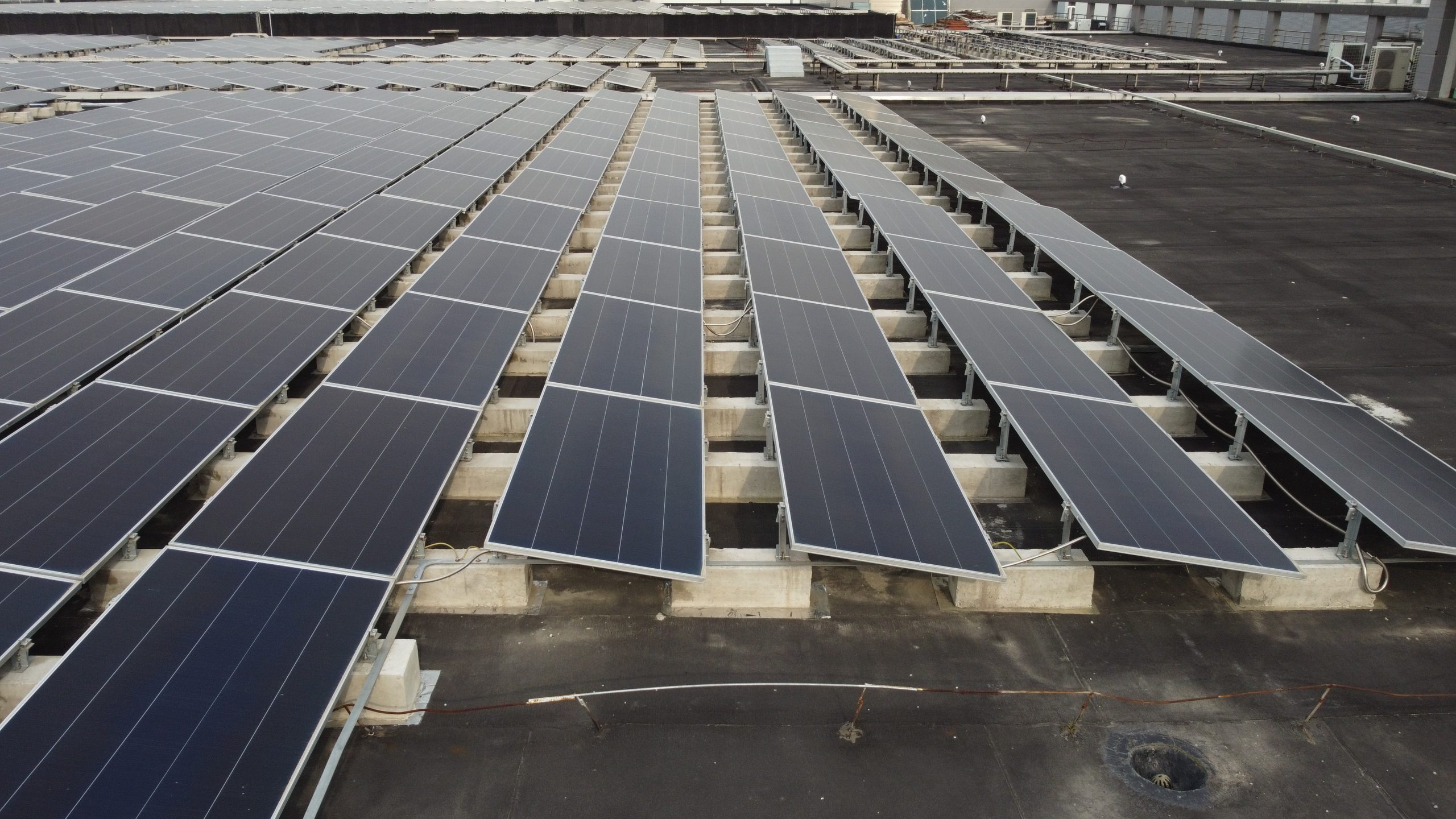
Fourth, pay attention to foundation compatibility. No matter how good the mounting system is, it’s useless if the foundation is done incorrectly. For concrete roofs using counterweights, calculate the weight of the counterweights carefully—if they’re too light, they’ll be blown away by the wind. For color-coated steel roofs using clamps, you must confirm that the clamps match the roof tile type; standing seam and corner-seam clamps are not interchangeable. For ground-mounted stations, use screw piles or cast-in-place piles. Screw piles are suitable for soft soil, while cast-in-place piles are suitable for rocky ground. Choosing the wrong type can double construction costs.
Fifth, don’t overlook the details of surface treatment. For hot-dip galvanized racks, check the edges and weld points for missed galvanization; areas with missed galvanization will rust within a few years. For aluminum alloy mounts, pay attention to the thickness of the anodized coating. Mounts with a coating thickness below AA10 grade will not last long in humid environments. If the system is installed above agricultural greenhouses or livestock farms, consider the corrosive effects of ammonia and opt for zinc-aluminum-magnesium alloys or additional protective coatings.
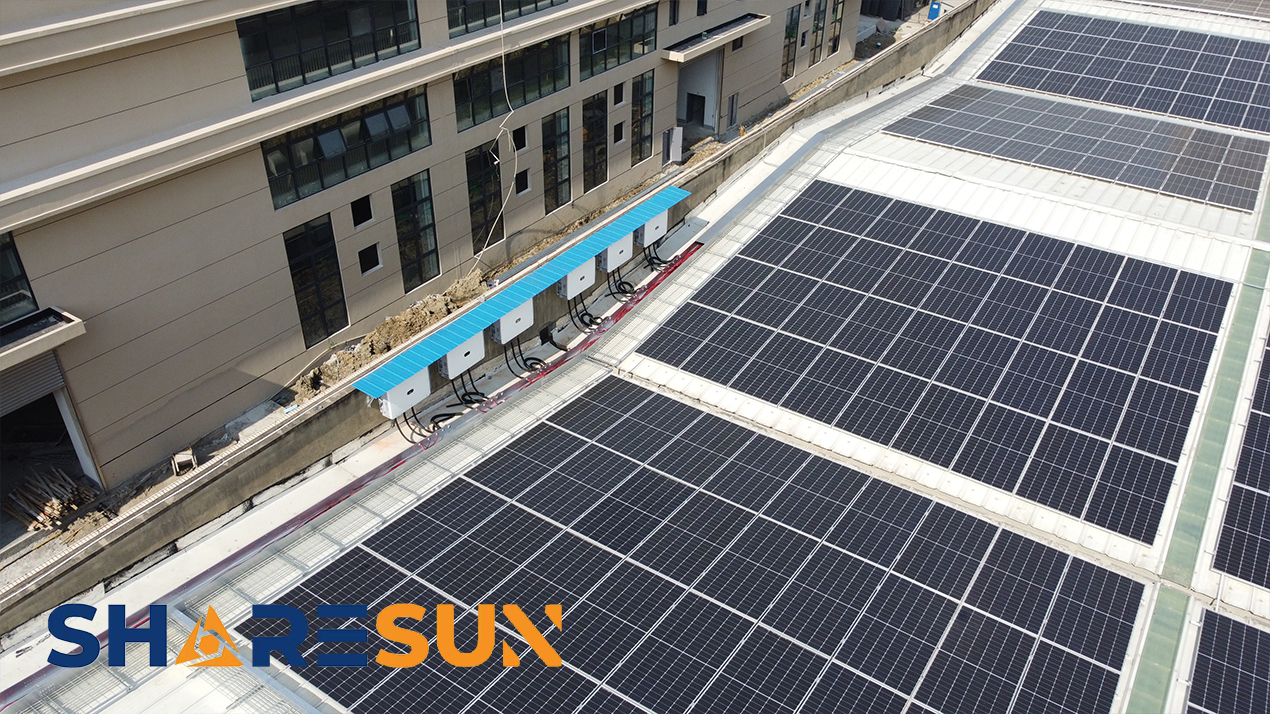
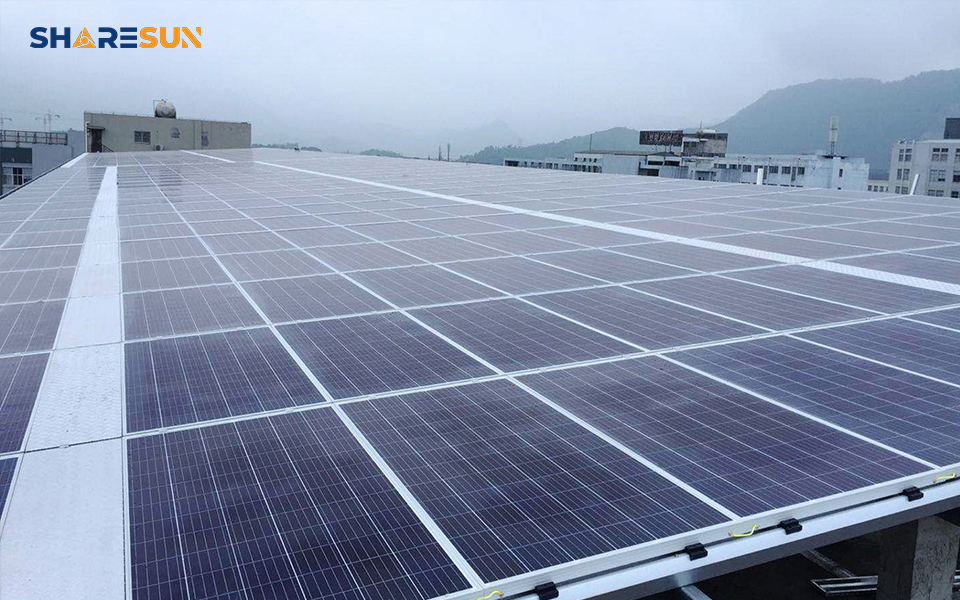
Finally, prioritize suppliers with a track record of completed projects. Mounts are not fast-moving consumer goods; if you choose a brand without on-site application experience, it will be difficult to hold anyone accountable if problems arise. Ask the supplier to provide photos of similar projects or on-site contact information, and take the time to verify them—this is far more reliable than simply looking at a brochure.
The key to selecting solar mounting systems is: matching the application scenario, scrutinizing materials and small components, confirming load calculations, and reviewing the foundation design. Spend a couple of extra days comparing several suppliers and clarifying the points above, and you’ll be able to select a durable product.
If you’re looking for a supplier that stands up to scrutiny in all these areas, consider ShareSun. Since 2013, this company has specialized in solar mounting systems, with products deployed across more than 20 countries and regions worldwide. They have proven track records in complex scenarios ranging from rooftops and ground-mounted installations to agricultural greenhouses and BIPV systems. Their team prioritizes customized designs tailored to specific project requirements rather than applying a one-size-fits-all approach. They use high-quality raw materials such as aluminum, magnesium, and zinc, with meticulous attention to fasteners and corrosion protection, and offer a service life guarantee of over 25 years. Whether for small-scale rooftops or large-scale ground-mounted power plants, ShareSun’s engineering team provides professional support ranging from load calculations to foundation design. If you have any solar mounting system selection needs, please feel free to contact us for a customized solution proposal.