As solar energy becomes more accessible, more homeowners are considering installing solar systems on their rooftops or properties. However, due to limited knowledge about solar construction, many have questions before making the leap. This article addresses the 10 most common homeowner concerns—covering costs, installation processes, returns, and key considerations—to help you make an informed decision.
1. Will a solar installation affect my roof structure?
One of the biggest worries is whether solar panels will overburden the roof. In reality, solar panels typically weigh around 15–20 kg per square meter—well below the standard roof load capacity of 50–150 kg/m². Professional installers always conduct a structural assessment beforehand. For older homes, they may recommend reinforcement prior to installation.
2. How long does solar installation take?
For a residential system, the installation timeline is usually 3 to 7 days, depending on system size, weather, and crew efficiency. Commercial projects may take longer. Additionally, grid connection applications and utility approvals typically require 1–2 extra weeks.
3. Do solar panels work on cloudy or rainy days?
Yes, but at reduced efficiency. On sunny days, output is at its peak; on overcast days, it drops to about 30–50%, and even lower during heavy rain. However, most modern systems are grid-tied—so when production is low, your home automatically draws power from the grid. At night, you rely entirely on the grid, so daily household electricity use remains unaffected.
4. How long does a solar system last?
High-quality solar panels come with a 25+ year performance warranty. Inverters have a shorter lifespan—typically 10–15 years—and may need replacement once during the system’s life. Panel efficiency degrades gradually; after 25 years, they typically still produce around 80% of their original output.
5. Are maintenance costs high?
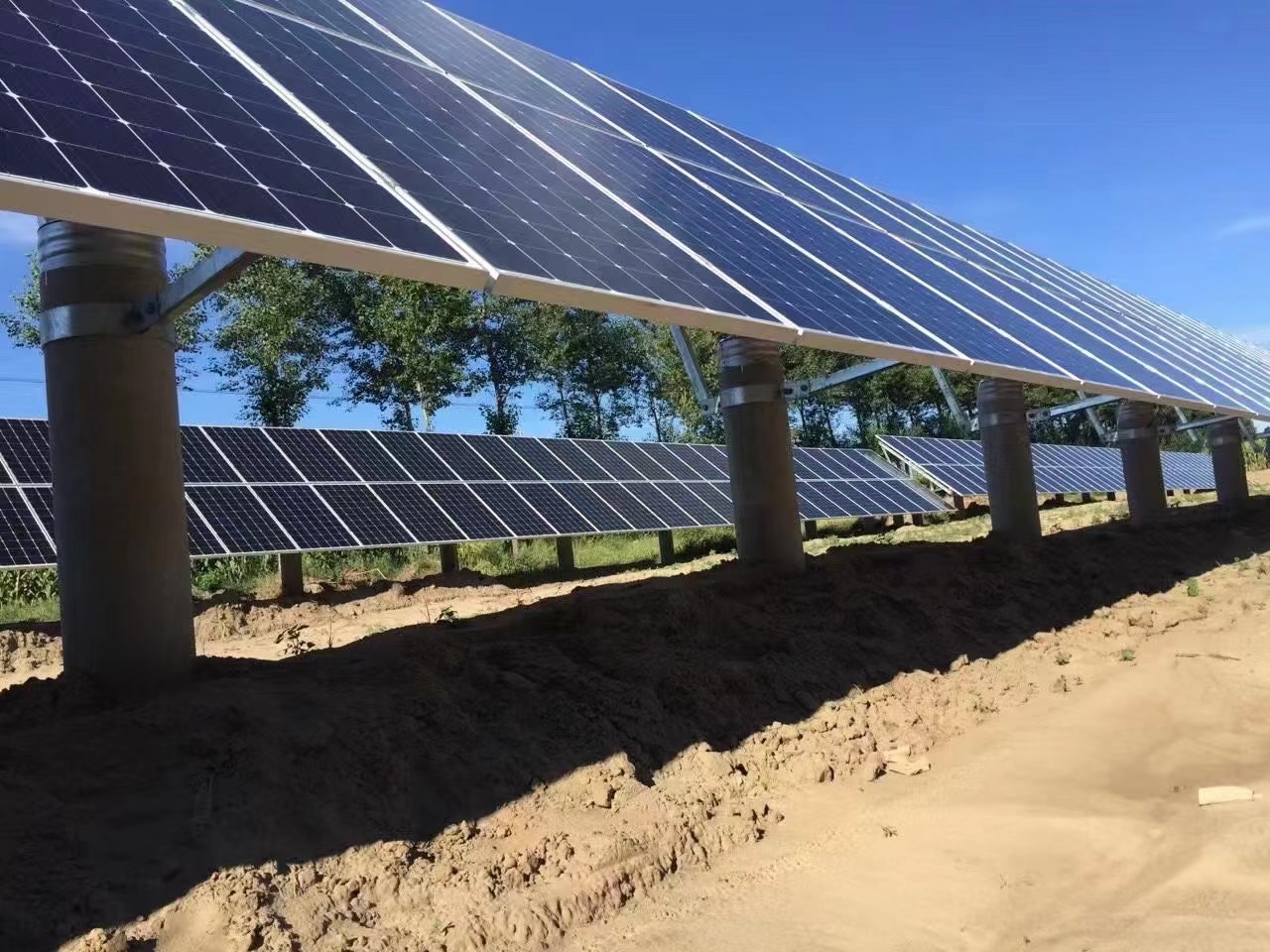
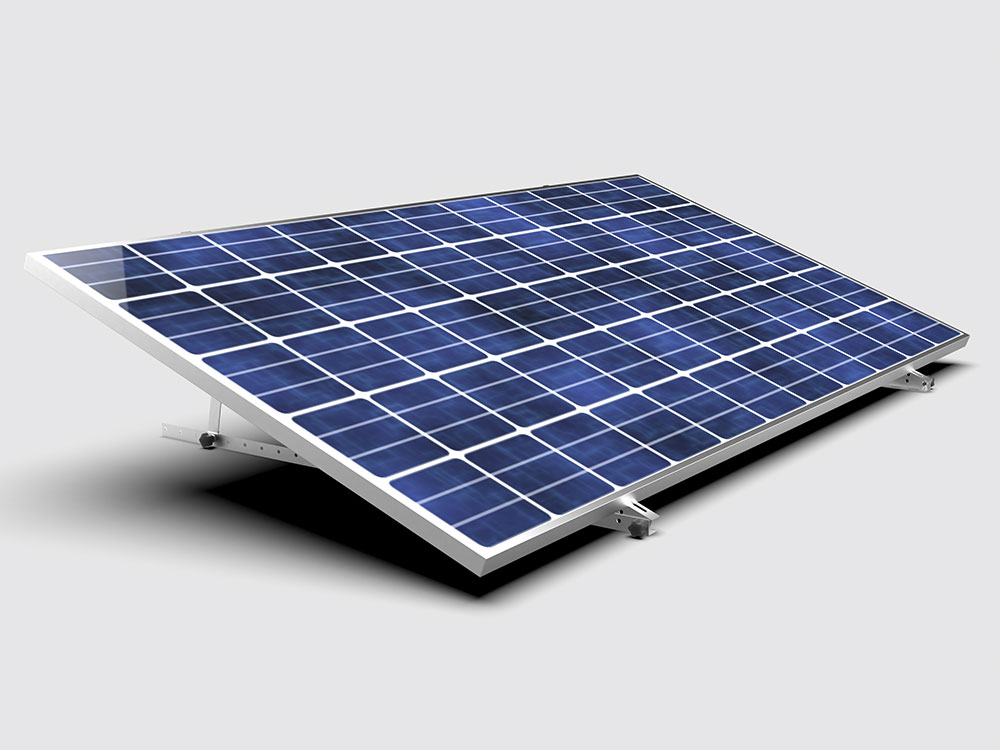
Maintenance is minimal and mainly involves periodic panel cleaning (every 6–12 months, depending on dust/pollen levels) and occasional checks on wiring and inverter performance. If panels are installed at a tilt, rain naturally washes away most debris, reducing manual cleaning needs. Overall, annual upkeep costs are low.
6. How much money can I save with solar?
Savings depend on local sunshine hours, electricity rates, and system size. For example, a 10 kW residential system generates about 10,000–15,000 kWh per year. At a rate of ¥0.5/kWh, that’s an annual saving/earning of ¥5,000–¥7,500. Under the “self-consumption + net metering” model, most homeowners recover their investment within 5–8 years.
7. Are solar systems safe in extreme weather?
Certified solar panels undergo rigorous testing to withstand typhoon-force winds (up to Category 12), hail (25 mm diameter impacts), and extreme temperatures (-40°C to 85°C). Mounting structures are designed according to local wind and snow load requirements. Systems also include lightning protection and surge arresters, making them very safe even during storms.
8. What permits or paperwork are required?
In China, you must submit a grid-connection application to your local utility, along with:
- Property ownership certificate
- ID card
- Rooftop photos
- System design drawings
The utility will review and issue an access plan. After installation, they conduct an inspection and sign a power purchase agreement. For commercial projects, additional registration with the local Development and Reform Commission may be required.
9. Will solar panels reflect glare and bother my neighbors?
Modern solar panels feature anti-glare coatings with a reflectance of less than 5%—far lower than glass curtain walls (15–30%). Glare is rarely an issue. If a neighbor raises concerns, installers can adjust the tilt angle or add anti-reflection films to minimize any potential impact.
10. Can I take my solar system with me if I move?
Technically yes, but relocation is costly and labor-intensive, involving disassembly, transport, and reinstallation of panels, racking, and wiring. Grid-tied systems also require re-applying for interconnection permits. In practice, most sellers either leave the system for the new owner or factor it into the home’s resale value as an upgrade.
Final Thought
Solar power is a long-term investment that cuts electricity bills and reduces your carbon footprint. Before committing, always choose certified equipment and experienced installers to ensure quality, safety, and reliable after-sales support. We hope this guide clears up your concerns and helps you transition smoothly to solar energy.