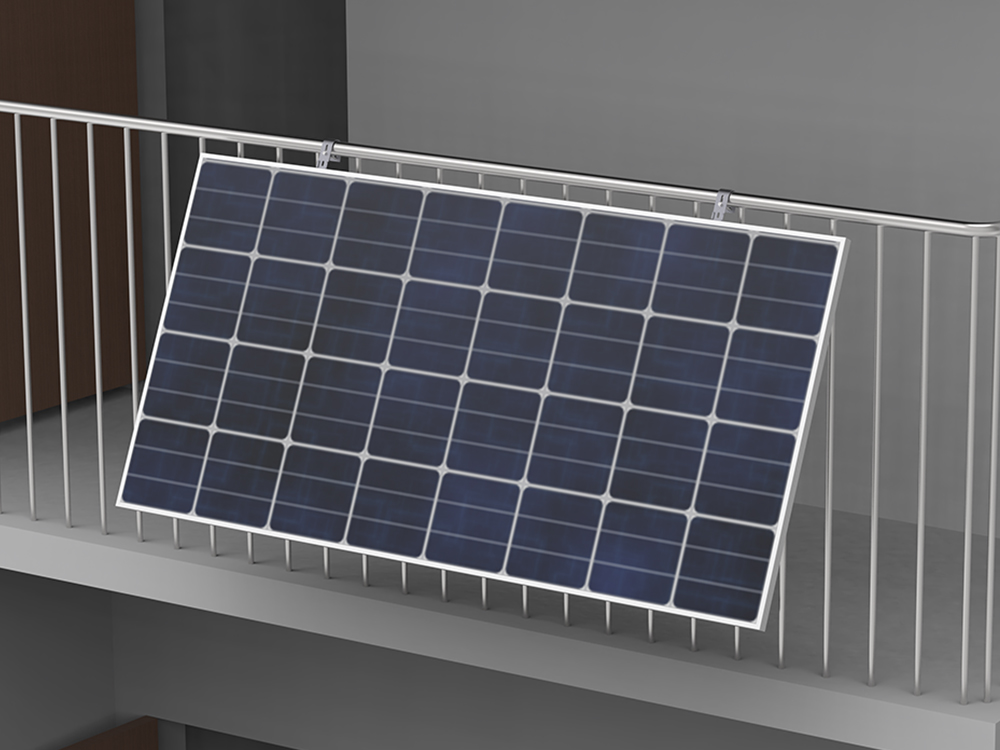
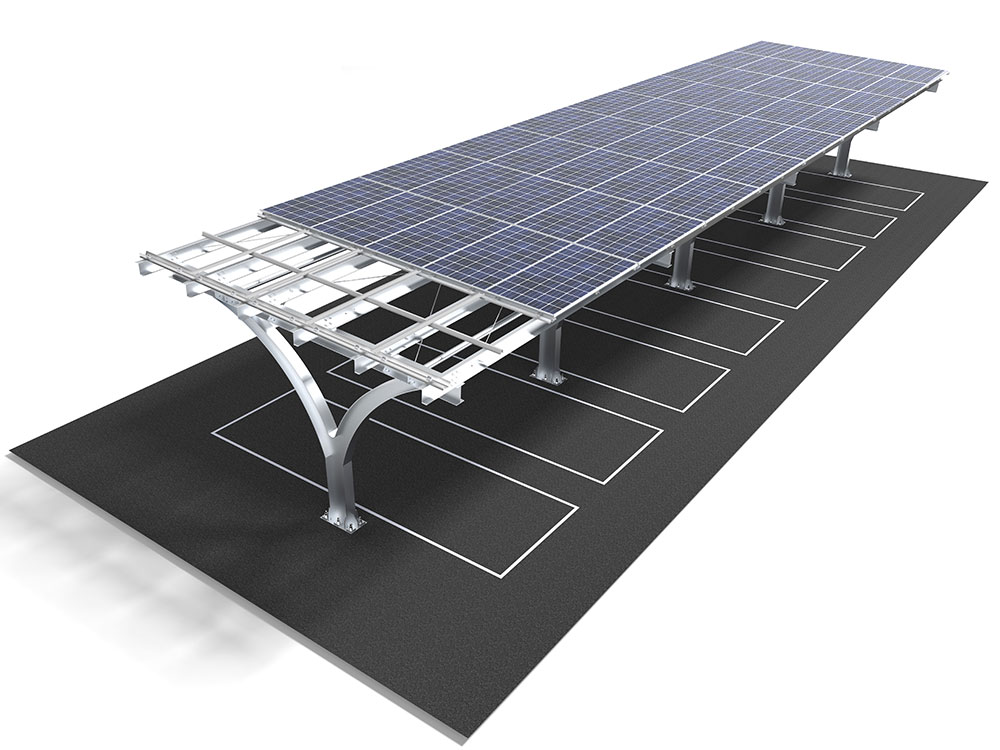
With electricity bills rising year after year—to the point where people have to think twice about turning on the air conditioner in the summer—more and more people are starting to wonder: Should I install a solar power system on my roof? It sounds like a great idea, but before you actually spend the money, you need to weigh the pros and cons carefully before making a decision.
First, the Benefits
The most immediate benefit is saving on electricity bills. During the day, when you’re running the air conditioner, using the washing machine, or watching TV, the power comes from solar energy—and the meter doesn’t move. That feeling is truly satisfying. Plus, any excess electricity can be sold back to the grid. While the buyback rate isn’t high, every little bit helps, and over the course of a year, you can recoup some of your investment.
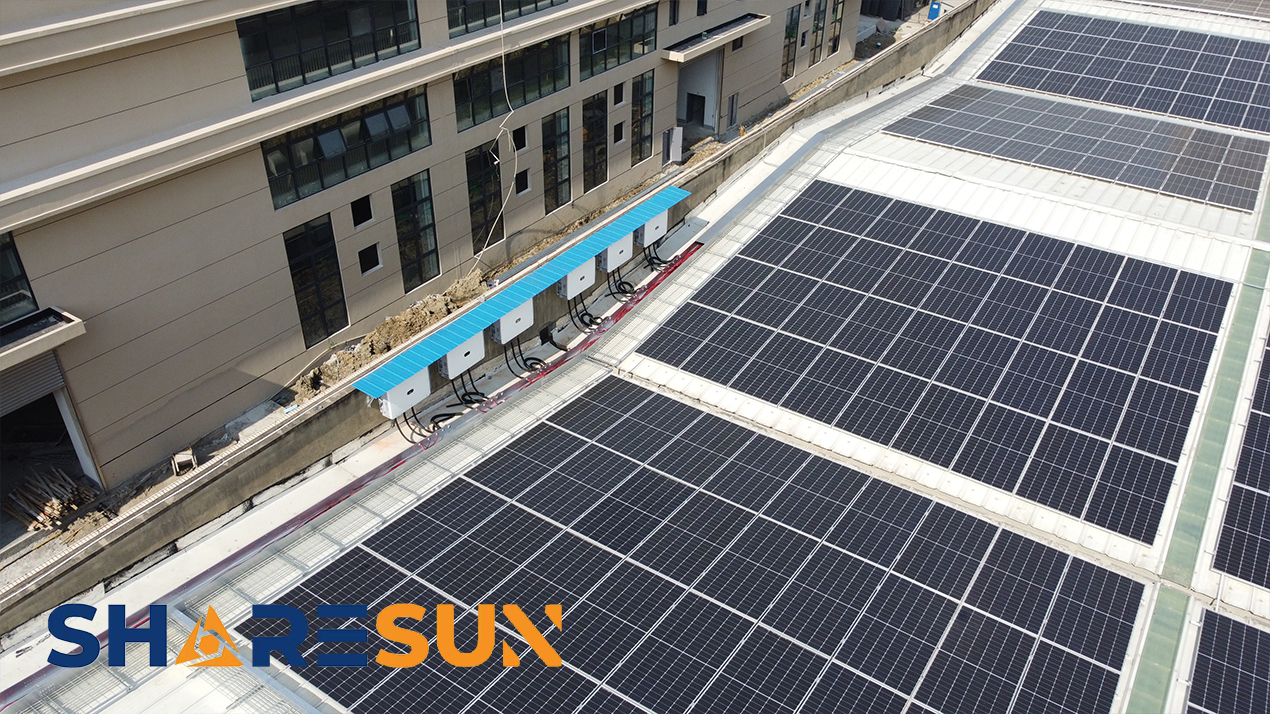
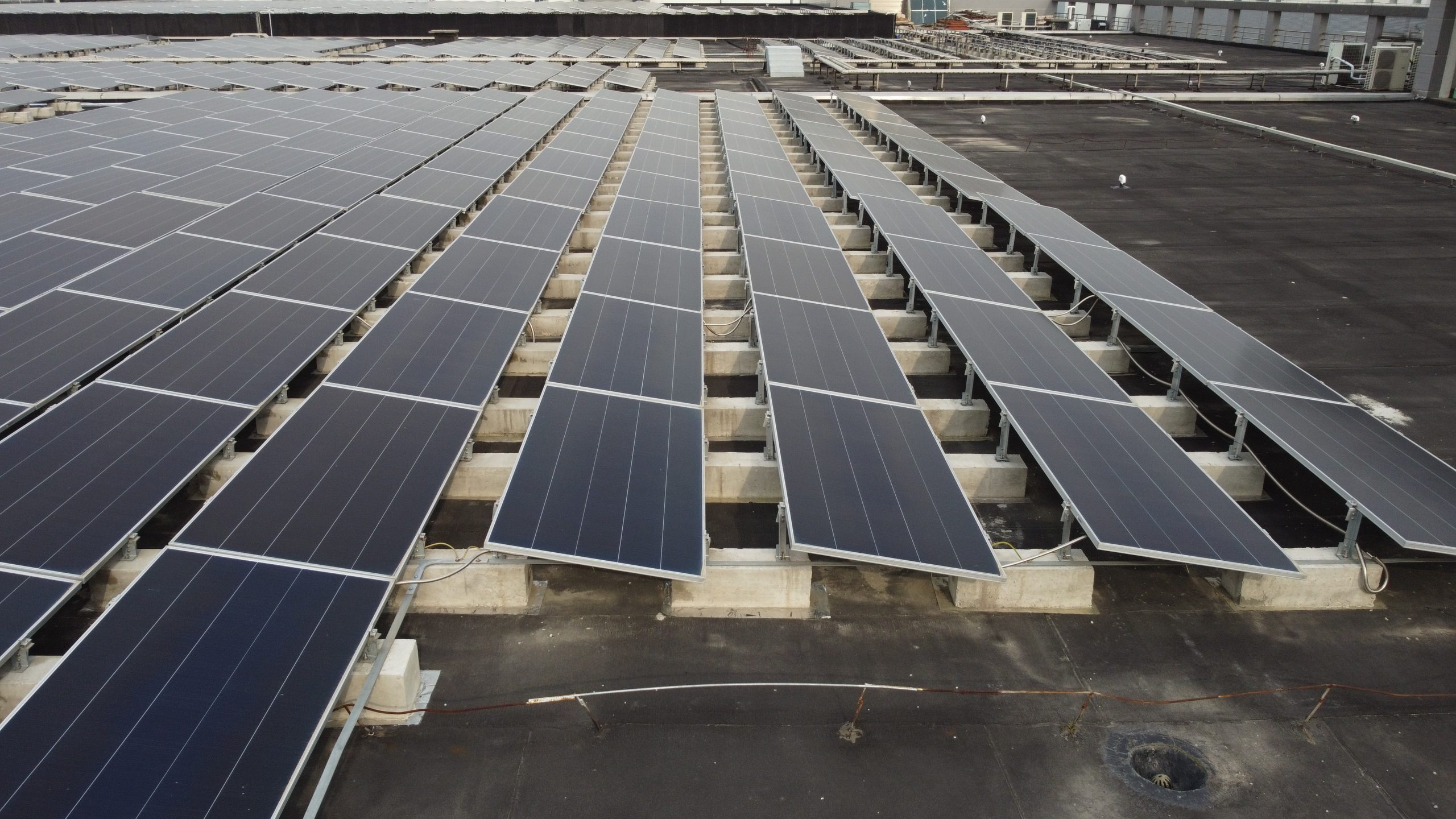
Summer is when solar power generation is at its peak, coinciding perfectly with peak electricity usage. Under the blazing sun, the roof gets scorching hot. Solar panels not only generate electricity but also act as an insulating layer for the roof, keeping the house much cooler and reducing the need for air conditioning. Residents on the top floor appreciate this the most.
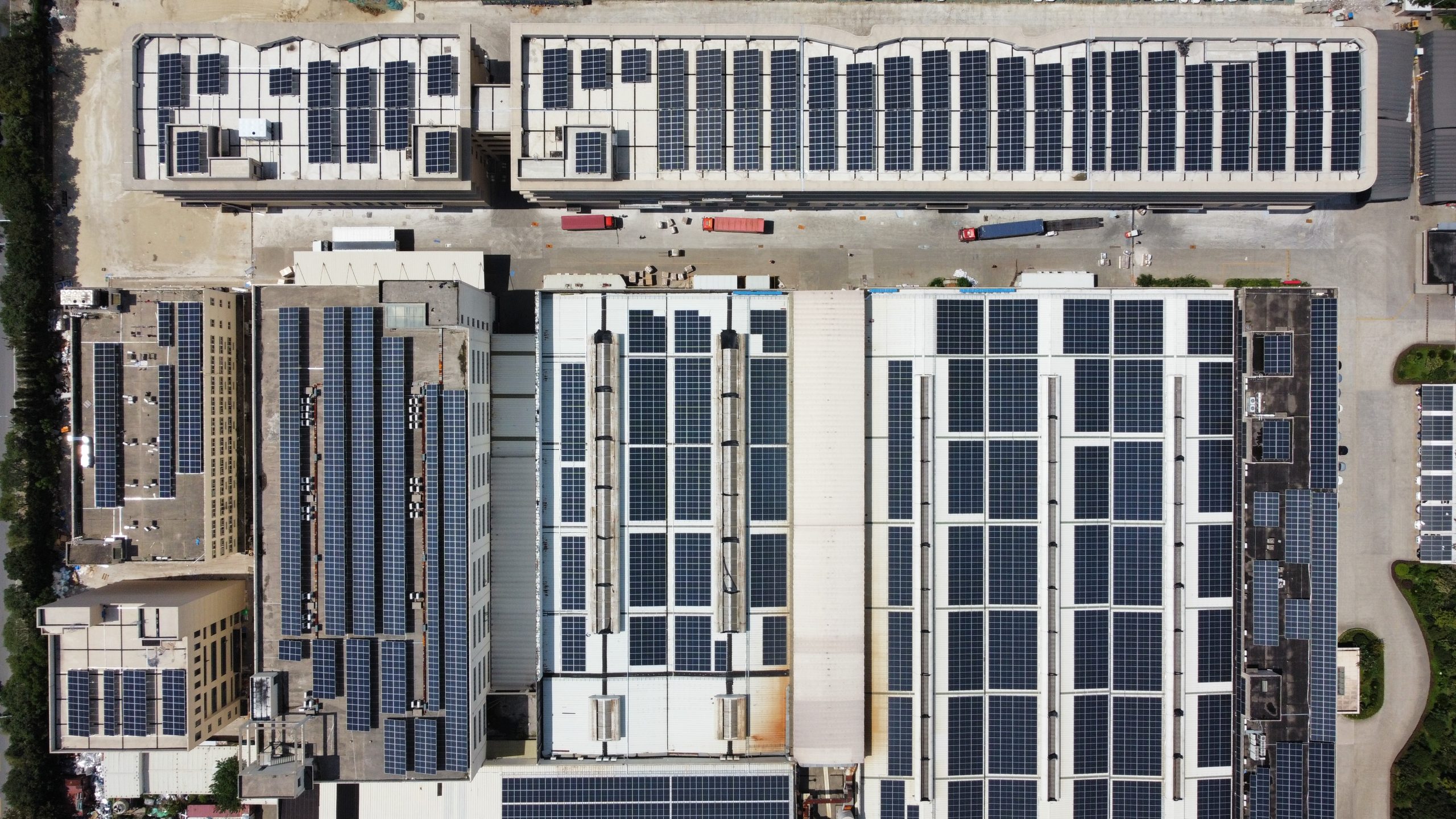
The government has always offered subsidies for solar energy. Although the subsidies are slightly lower now than in previous years, there is still varying levels of support available across different regions. Plus, the price of solar panels has dropped significantly in recent years. A complete system can now be installed for just tens of thousands of yuan, making it affordable for the average household.
Additionally, installing solar panels is a way to contribute to environmental protection. I wouldn’t go so far as to call myself noble, but seeing those panels on the roof turning sunlight into electricity really gives me a sense of satisfaction—it feels like I’ve done something meaningful.
Now, let’s talk about the downsides.
Installing solar panels requires an upfront investment of tens of thousands of yuan, with a payback period typically ranging from five to eight years. If your household’s electricity consumption is low, or if no one is home during the day to use the power, the payback period will be even longer. It’s like putting money in a savings account in advance and slowly getting it back—you need a bit of patience.
The orientation and angle of the roof are crucial. South-facing roofs generate the most power, while east- or west-facing ones are less efficient. If your roof is shaded by nearby tall buildings or large trees, power generation will be significantly reduced. It’s best to have someone inspect the site before installation to calculate whether it’s actually worth the investment.
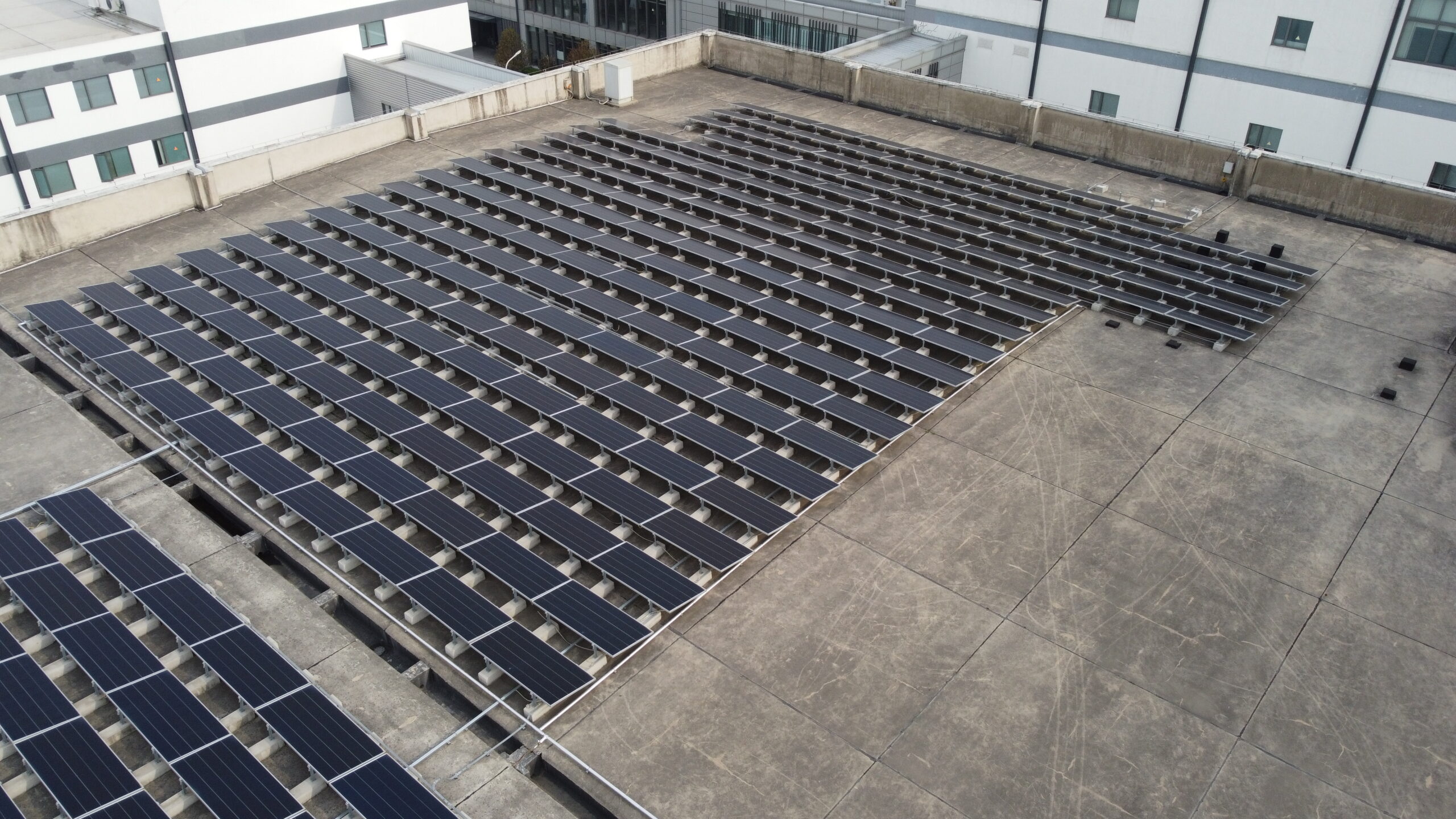
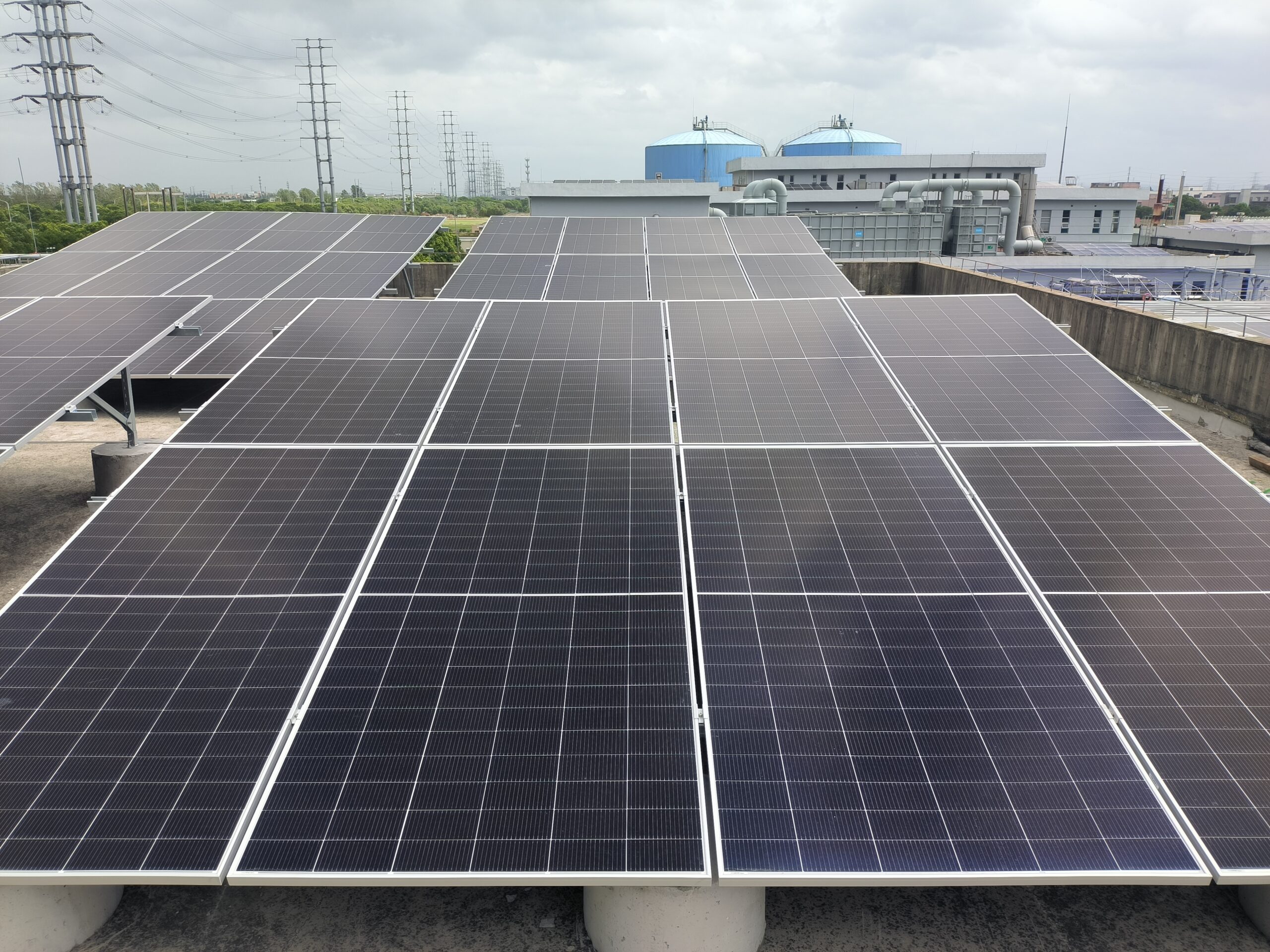
You also need to consider the roof’s load-bearing capacity. A complete set of solar panels and mounting brackets isn’t lightweight, and the roof of an older, poorly maintained house might not be able to support it. Not just any roof is suitable for installation; you should have it inspected by a professional for peace of mind.
Another practical issue is maintenance. Dirt on the solar panels reduces power generation, especially in northern regions with strong winds and sand or near construction sites, so you’ll need to climb up and clean them periodically. Working on a roof isn’t as convenient as working on the ground, so safety must be a top priority. Additionally, inverters may fail after eight to ten years of use, and replacing one is another expense.
There’s another point that’s easily overlooked: some residential complexes have strict property management rules, or neighbors might object to having equipment installed on the roof, which can make communication quite a hassle. It’s best to get approval from property management and neighbors before installation to avoid disputes later on.
So, should you install it or not?
To be honest, installing solar panels on your roof is suitable for some people, but not for everyone.
If your electricity bills are high, your roof has good orientation and no obstructions, you own the property, and you don’t plan to move anytime soon, then installing a system is definitely worth it. After recouping your investment in a few years, you’ll be making a profit and enjoying free electricity for over a decade.
If your electricity bills are already low, you’re renting, you might move in the future, or your roof conditions aren’t ideal, then installing solar panels isn’t very practical. If you force the installation, the money you save might not even cover the initial cost.
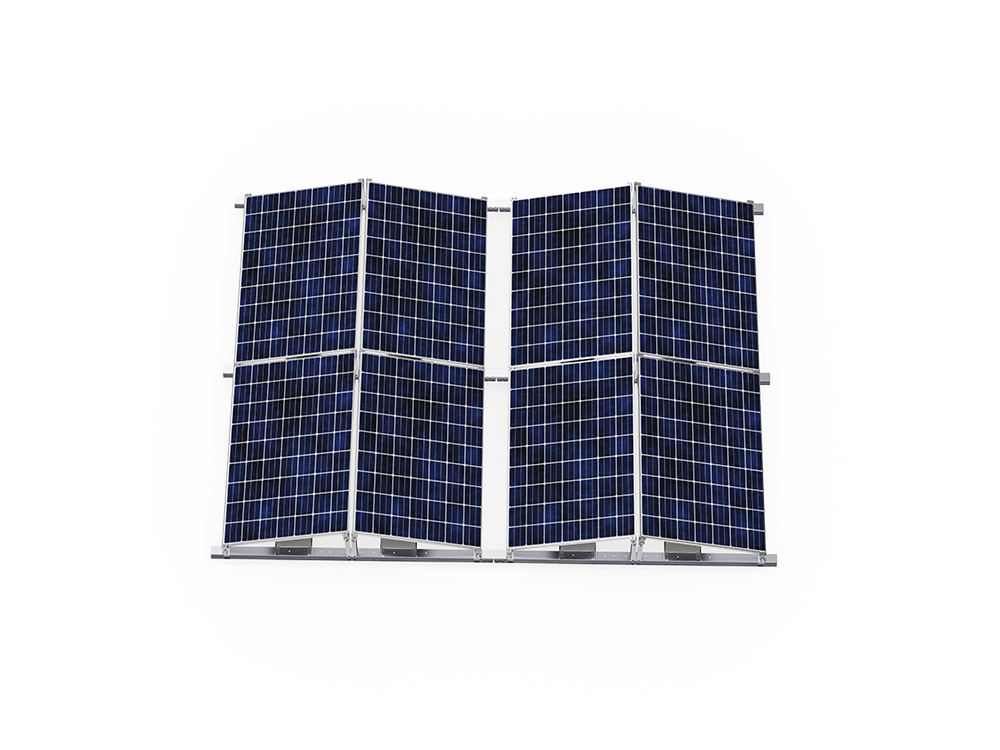
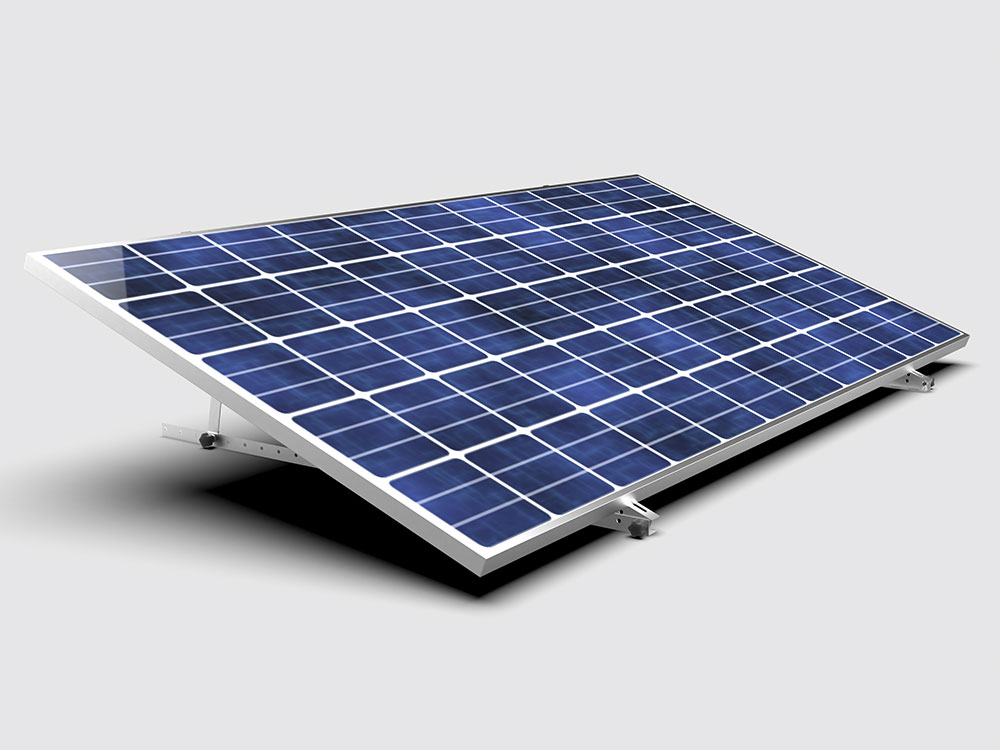
One more thing: when installing solar panels, make sure to use a reputable manufacturer. There’s a huge difference in quality between solar panels and mounting brackets. Poor-quality brackets will rust after just a few years, and in strong winds, they might even loosen or fall off—that’s no joke. You should also check the brand and warranty of the solar panels. If you go for a cheap, no-name brand, you won’t even know who to call for repairs if they break down later.
Overall, installing solar panels on your roof is a long-term investment. Don’t expect to get rich overnight, but it can definitely help lower your electricity bills while providing an extra layer of insulation for your home. If you’ve thought it through and the conditions are right, it’s worth a try.
The Pros and Cons of Installing Solar Panels on Your Roof
Share this post
Pinterest
LinkedIn
Facebook
WhatsApp