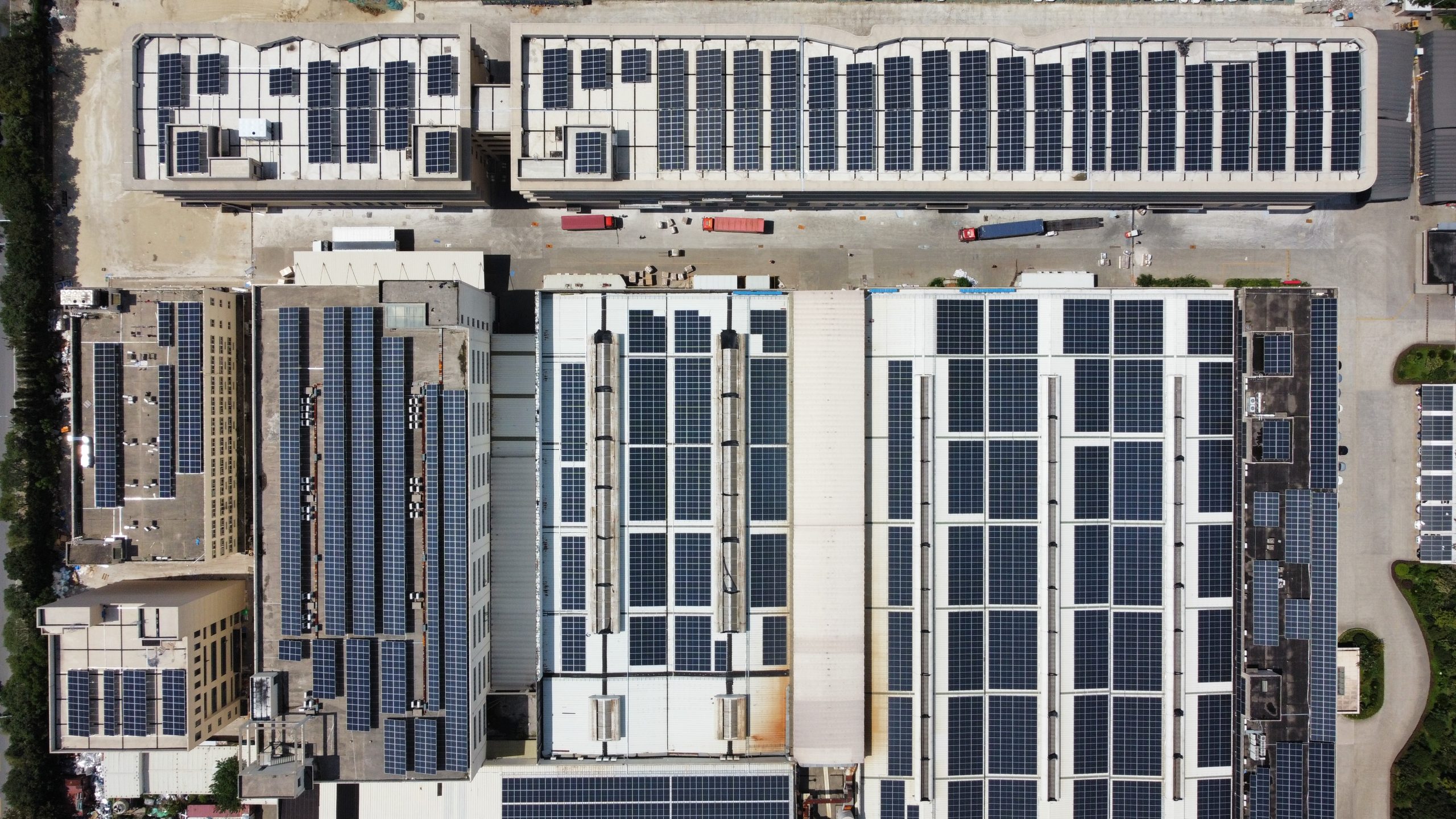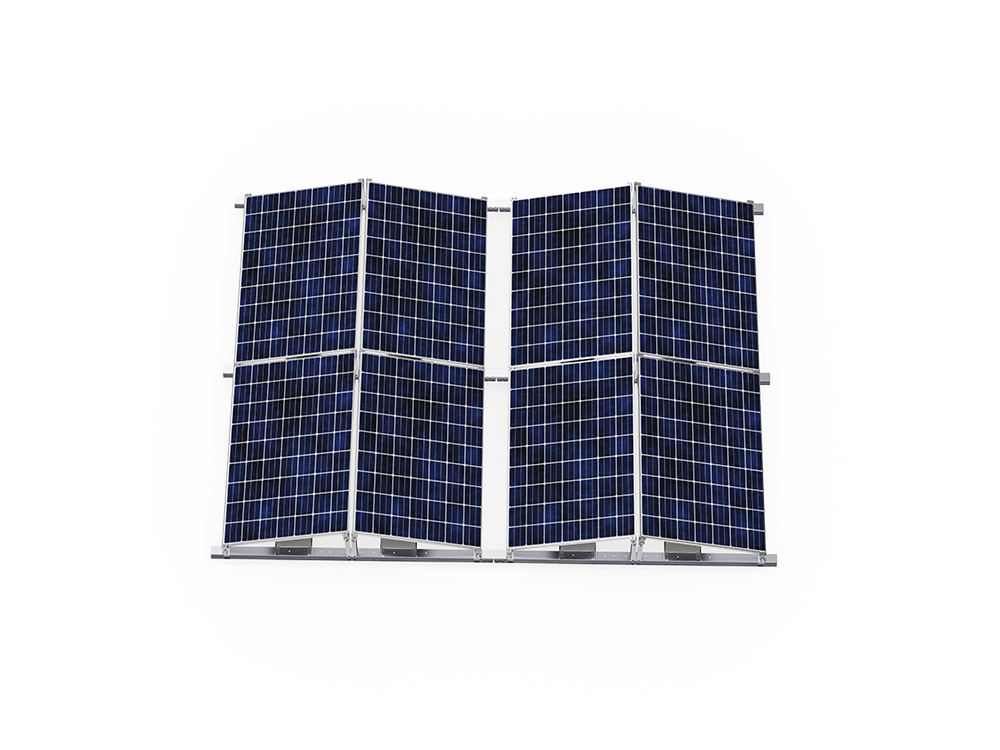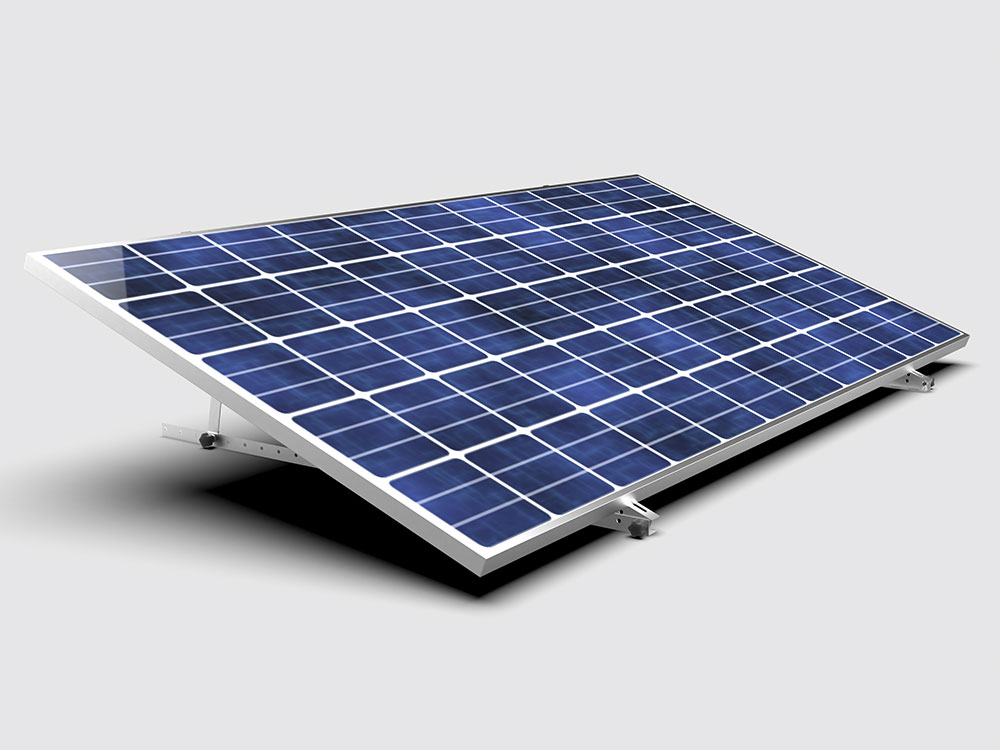
Many people worry about leaks when installing a solar power system. This concern is perfectly normal. For example, when installing solar panels on a roof, the roof may be in perfect condition at first, but what if water seeps in over time after drilling holes for the mounting brackets? This worry is not unfounded; many older solar installations have indeed encountered this problem. Ultimately, however, this isn’t the fault of the solar panels themselves, but rather the result of subpar mounting systems and installation practices.
A truly well-designed waterproof solar mounting system is engineered from the ground up to address this very issue.
When installing solar panels on a roof, the most critical concern is the connection points between the mounting brackets and the roof. The traditional approach is straightforward: drive in an expansion bolt or chemical anchor to secure the bracket, then apply a ring of structural sealant around the drill hole. This works fine initially, but the sealant ages over time. Once the waterproofing layer around the bolt hole is compromised, it’s difficult to restore. After three to five years, rainwater slowly seeps in through the cracks, and you have no idea where the problem originated.
Waterproof solar mounting systems take a different approach. Instead of patching up damage after it occurs, they are designed from the ground up to prevent leaks.
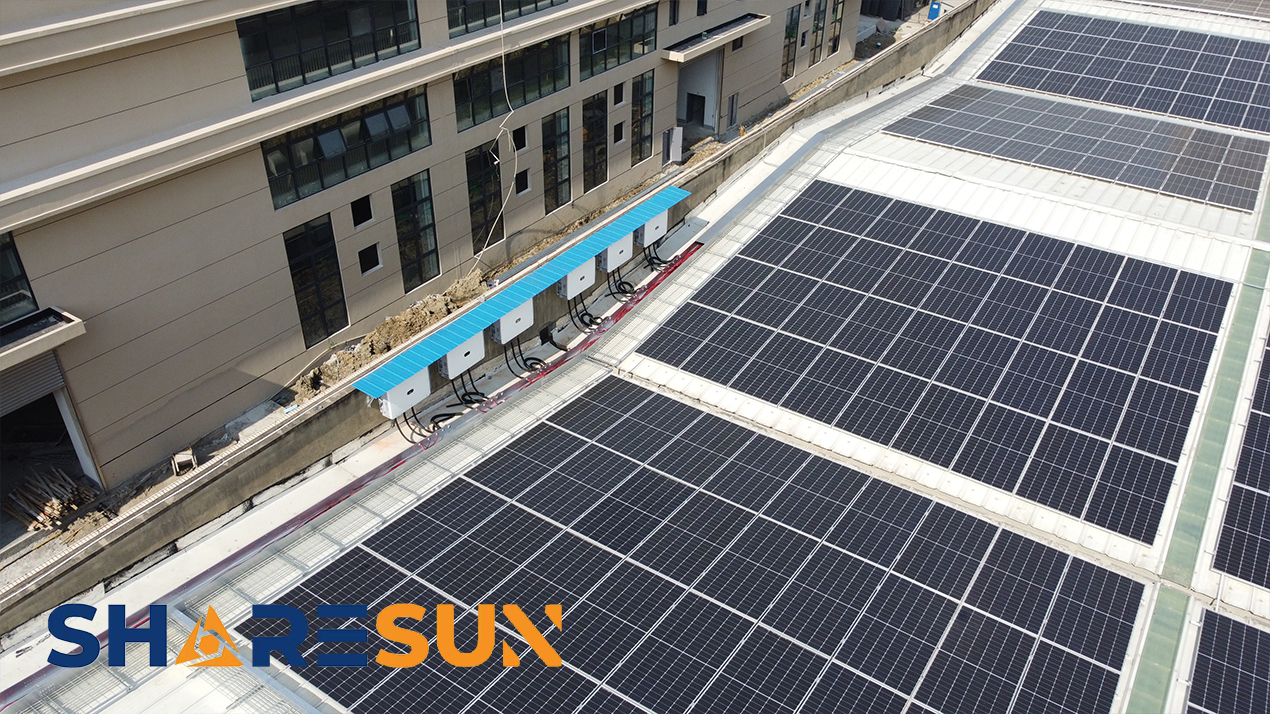
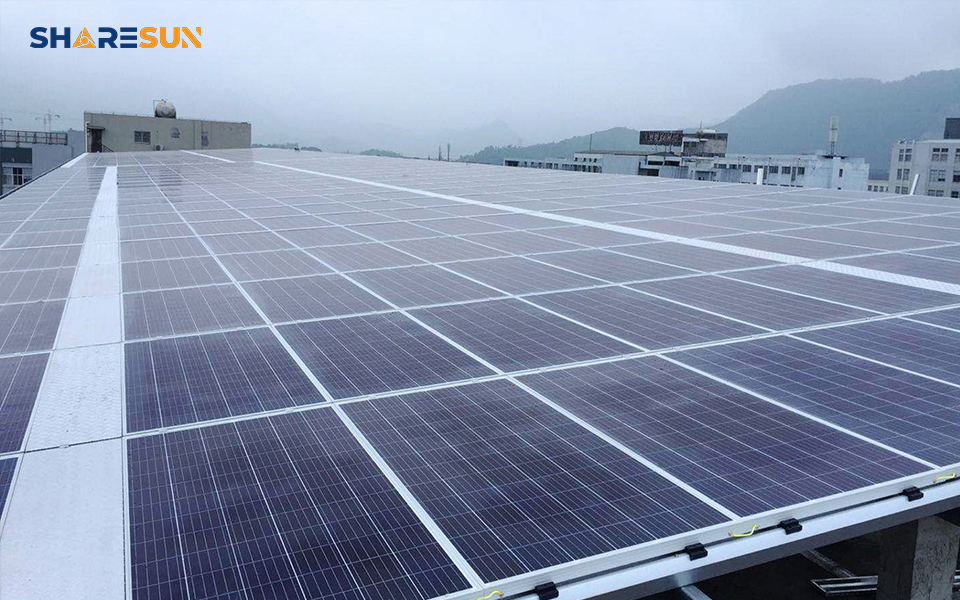
A common approach is to use a clamp-based installation method. For color-coated steel sheet roofs, clamps can be directly secured to the ridges of the corrugated sheets without drilling a single hole in the roof. Weather-resistant rubber gaskets are placed between the clamps and the roof surface, creating a seal through mechanical locking force. With this method, there are no penetration points between the solar mounting system and the roof, reducing the risk of leaks to virtually zero.
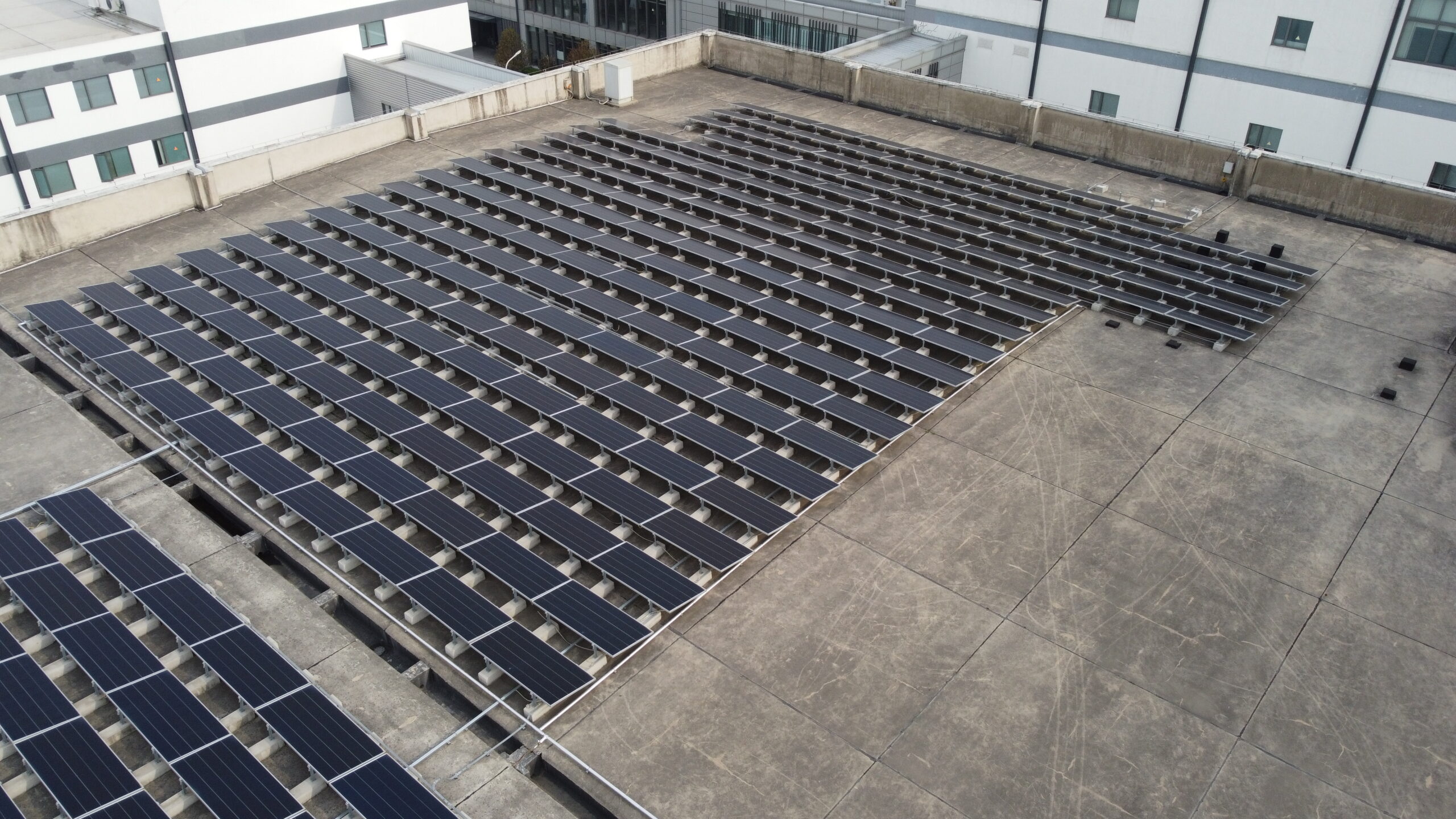
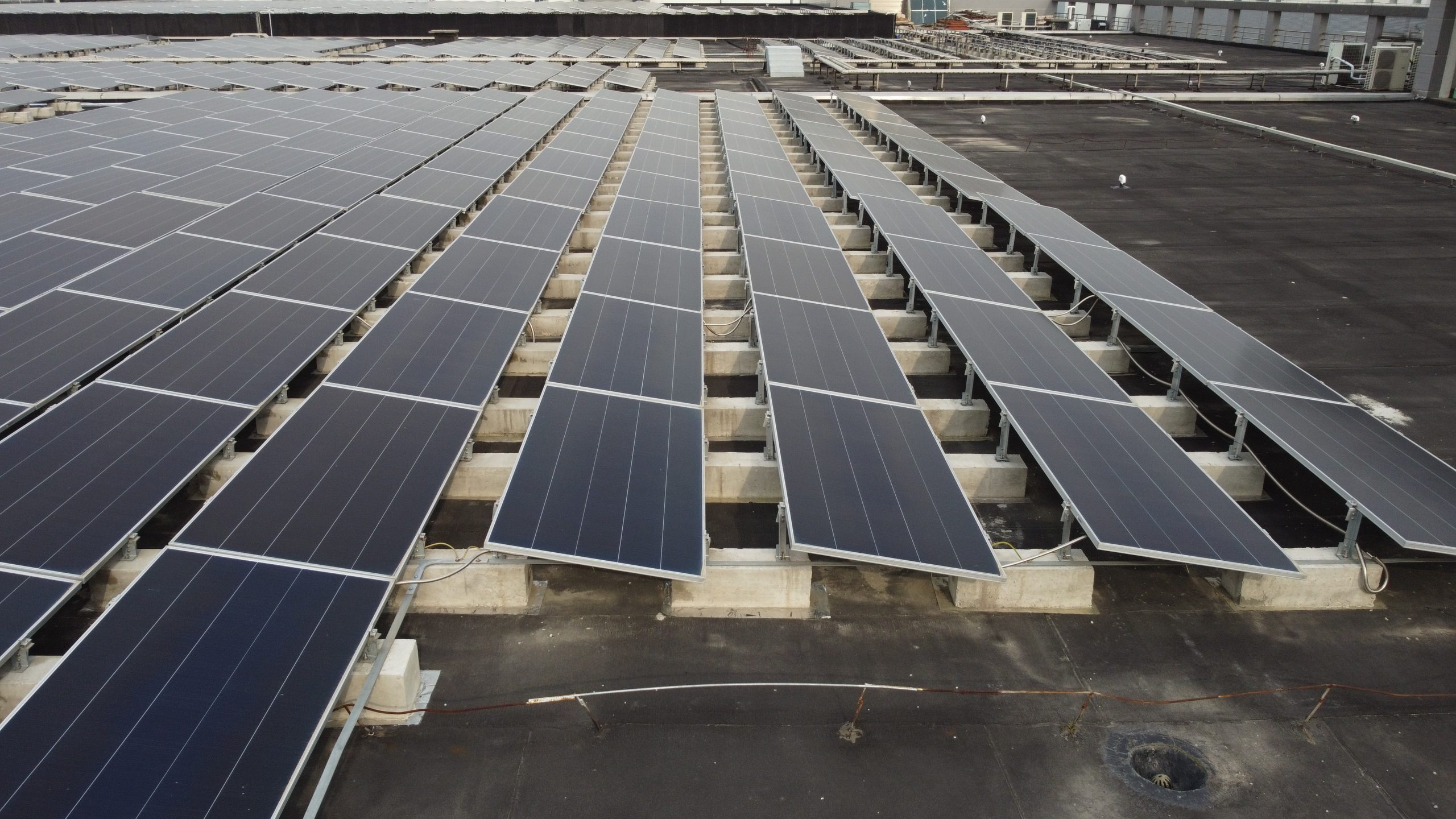
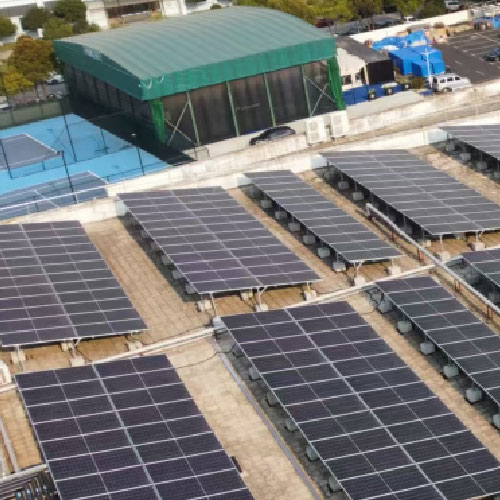
For flat concrete roofs, a common approach is the ballast-based installation. Concrete blocks or precast weights are used to anchor the mounting system to the roof, relying on their weight to resist wind loads—the entire system requires not a single screw. A layer of waterproof membrane or rubber gasket is placed between the mounting system and the roof, which both protects the existing waterproofing layer and increases friction. Although this method uses more concrete, it leaves the roof completely hole-free, fundamentally eliminating the possibility of leaks.
For some roofs, drilling holes is unavoidable. For example, on pitched roofs where the structural layer lies beneath the tiles, hooks must be used for mounting. How does a high-quality waterproof solar mounting system handle this? It does not rely solely on adhesive. The professional approach is as follows: First, inject a specialized waterproof sealant into the drilled hole. After inserting the hook, place an EPDM rubber gasket between the hook base and the roof surface, and finally cover the surface with a layer of waterproof butyl tape. This triple protection ensures that even if the outer layer of sealant deteriorates, there are still two additional lines of defense beneath it. Some designs also include a drainage channel beneath the hook. In the unlikely event of even the slightest seepage, water will flow out through this channel and will not enter the house. (For a broader look at where these systems work best, check out: Six Popular Applications for Solar Mounting Systems.)
In addition to waterproofing at connection points, the drainage design of the entire system is also crucial. Solar panels installed on a roof effectively function as a large roof themselves, but there will be gaps between panels and between the panels and the existing roof. If drainage is poor, rainwater can accumulate in certain corners, eventually leading to leaks over time. A well-designed waterproof solar mounting system accounts for drainage pathways in advance, ensuring water flows smoothly toward the eaves or downspouts rather than pooling in low-lying areas.
Material selection is also critical. Substandard mounting systems use ordinary carbon steel with a very thin zinc coating, which begins to rust within two or three years. Rust causes two problems: first, it reduces structural strength; second, the expansion of rust can crack the surrounding waterproofing layer. In contrast, a high-quality waterproof solar mounting system uses hot-dip galvanized magnesium-aluminum alloy or high-strength aluminum alloy materials, which are inherently corrosion-resistant, require minimal maintenance, and will not compromise the waterproofing structure due to rust.
To be realistic, no system can guarantee absolutely no leaks, but good design and proper installation can reduce the probability of leaks to a very low level. For a roof equipped with a standard waterproof solar mounting system, as long as the installation is done according to specifications, the likelihood of leaks is no higher than that of a roof without solar panels. Conversely, for those who cut corners by hiring random roadside contractors, using low-quality mounts and haphazard waterproofing, leaks are indeed highly likely.
So, returning to the original question: Can rooftop solar installations achieve zero risk of leaks? For most roofs, clamping or counterweight-based installations can fully achieve a leak-free solution without drilling holes. For roofs where drilling is unavoidable, the risk can still be kept to a very low level through multi-layered waterproofing designs and high-quality materials. The key isn’t whether it’s possible, but rather which mounting system you choose and which installation team you hire.
If you’re considering installing a solar power system, you should prioritize waterproof solar mounting systems. Investing a little extra effort in the mounting solution upfront is far more cost-effective than spending money on repairs later when your roof starts leaking.