Simply put, a solar power plant is a system that generates electricity using solar energy. It converts sunlight directly into electricity through solar panels, providing a clean, low-carbon source of renewable energy. With the advancement of the “Dual Carbon Goals,” solar power plants have become an important choice for an increasing number of households, businesses, and government agencies. So how exactly do solar power plants work? And in which scenarios are they primarily used? This article will help you understand it all at a glance.
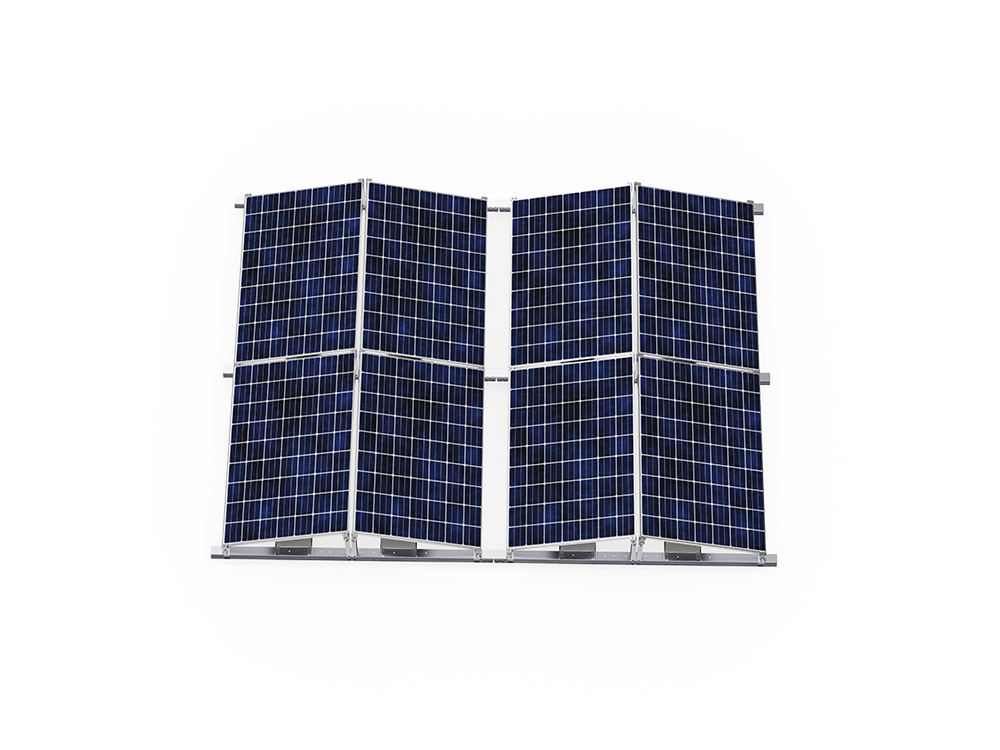
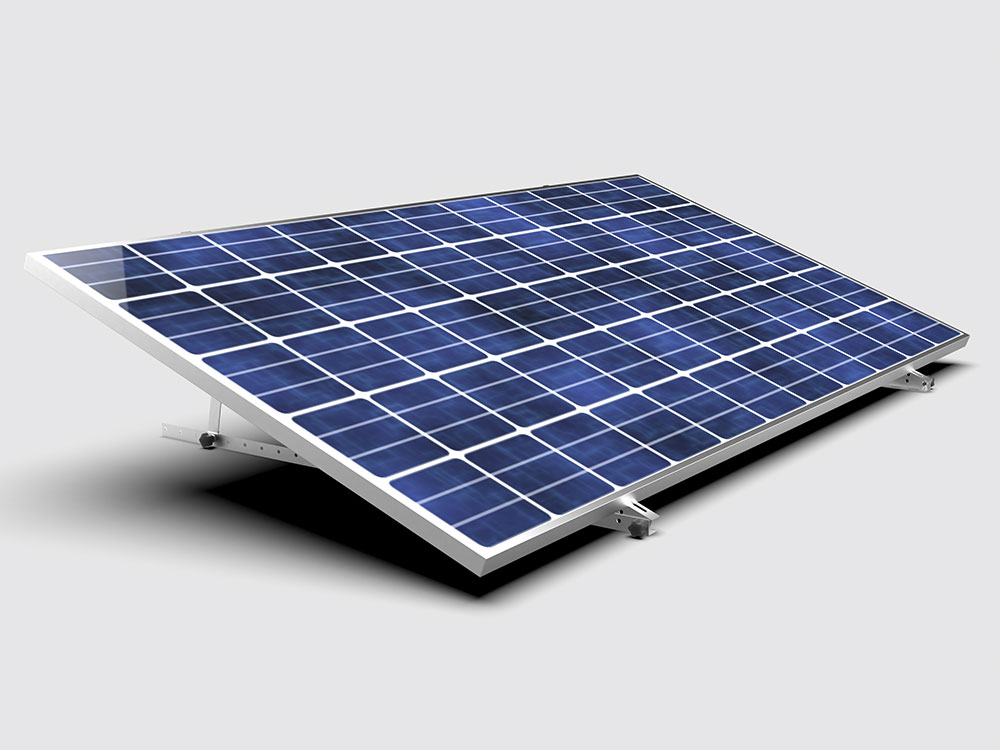
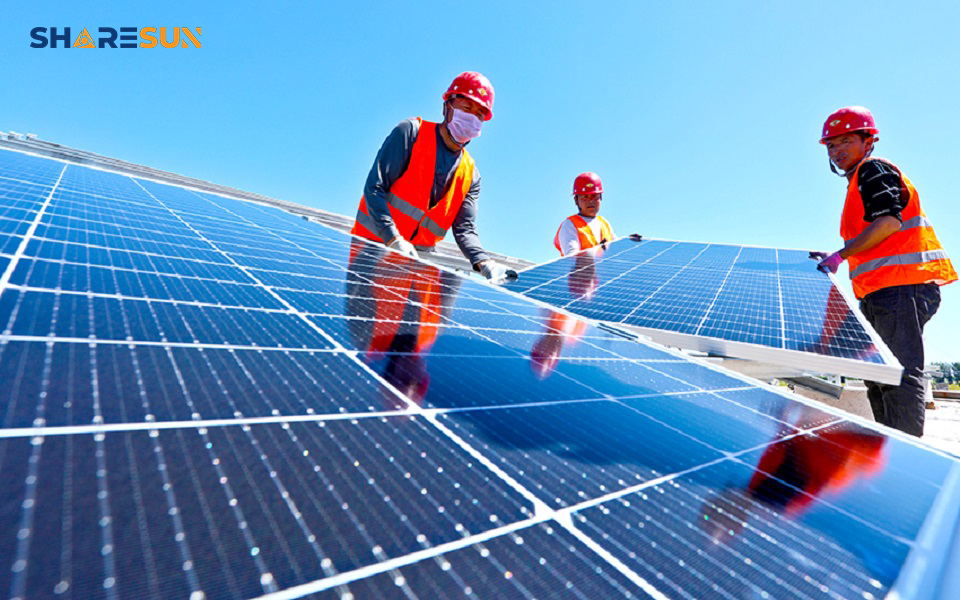
At the heart of a solar power plant are solar panels—the familiar blue “panels” we see everywhere. Made of silicon, they generate direct current (DC) when exposed to sunlight. This DC power is then converted into alternating current (AC) by an inverter, after which it is fed into a household electrical system or connected to the national grid. The entire process is noise-free, pollution-free, fuel-free, and emits no greenhouse gases, making it one of the most environmentally friendly power generation methods recognized today. So, what are the advantages of solar power generation? The answer is clear: low carbon emissions, zero fuel costs, silent operation, and strong adaptability to various scenarios.
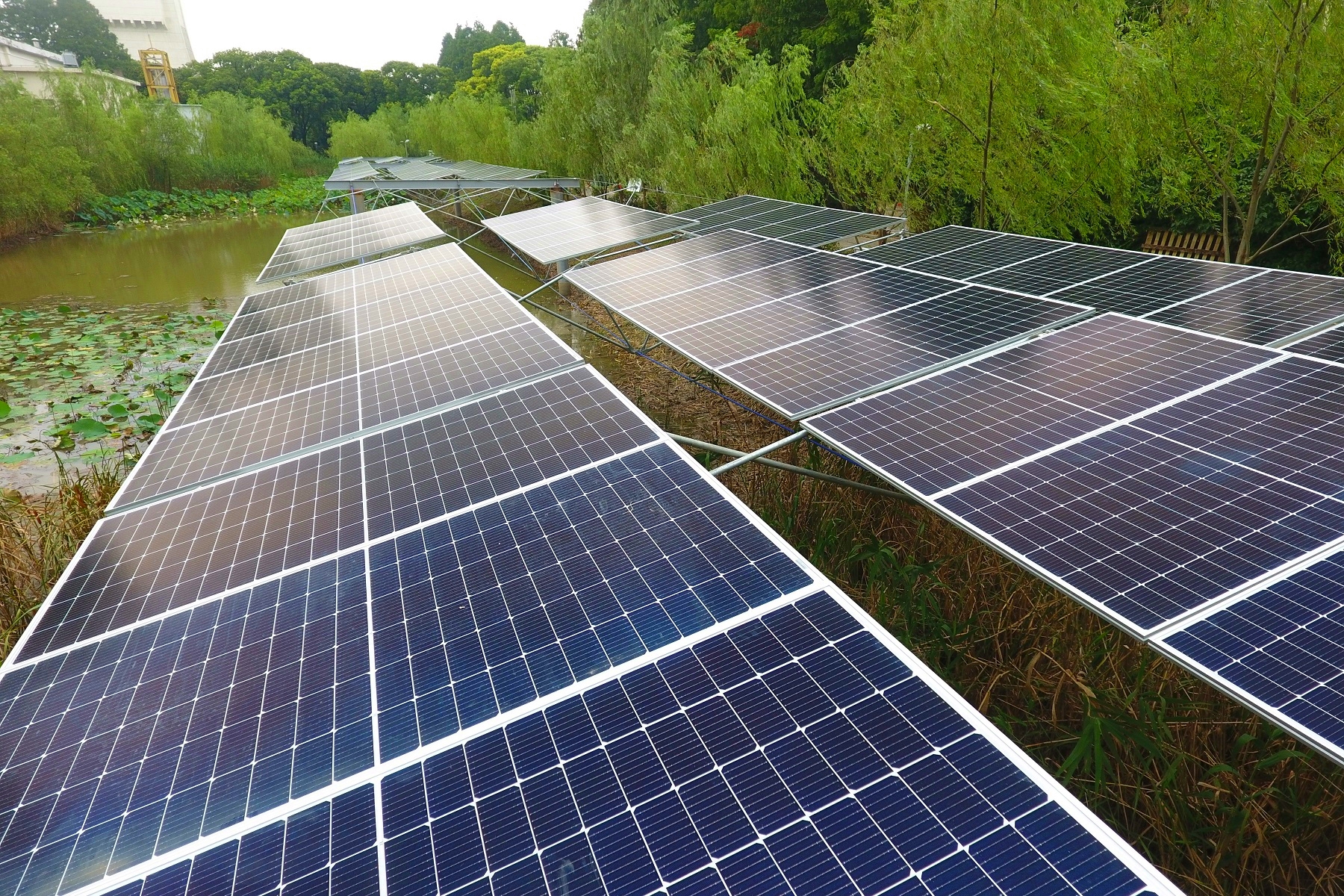
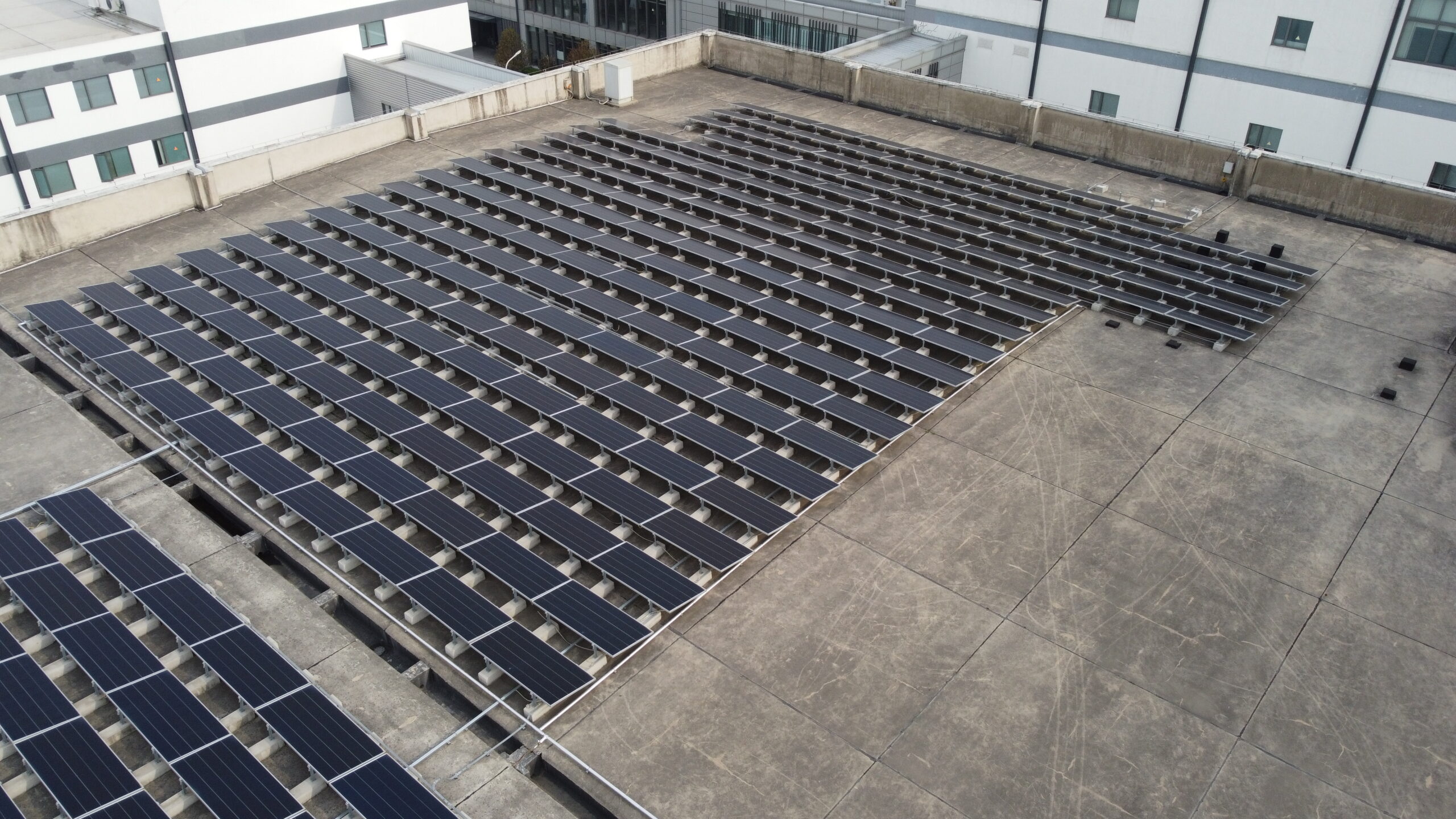
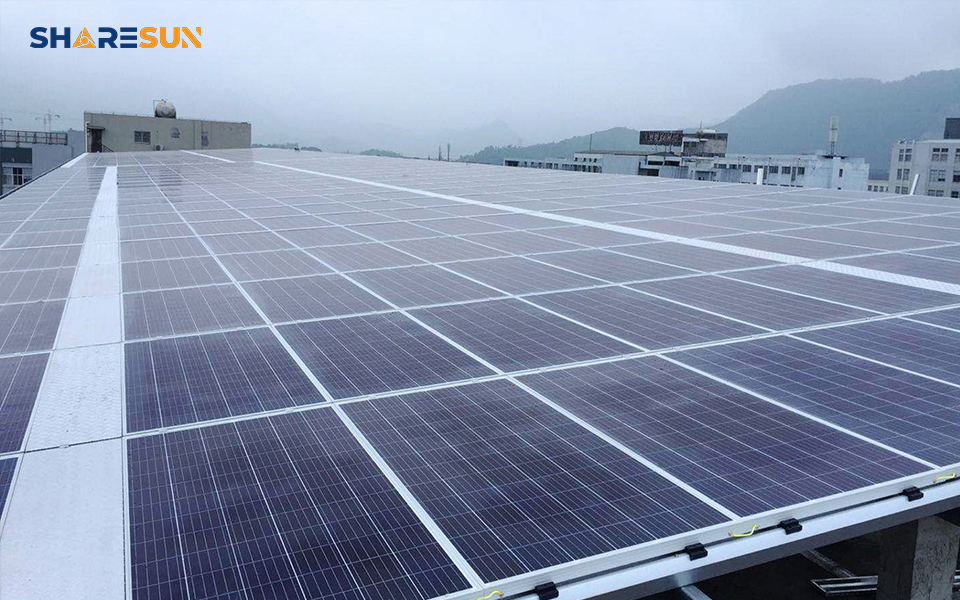
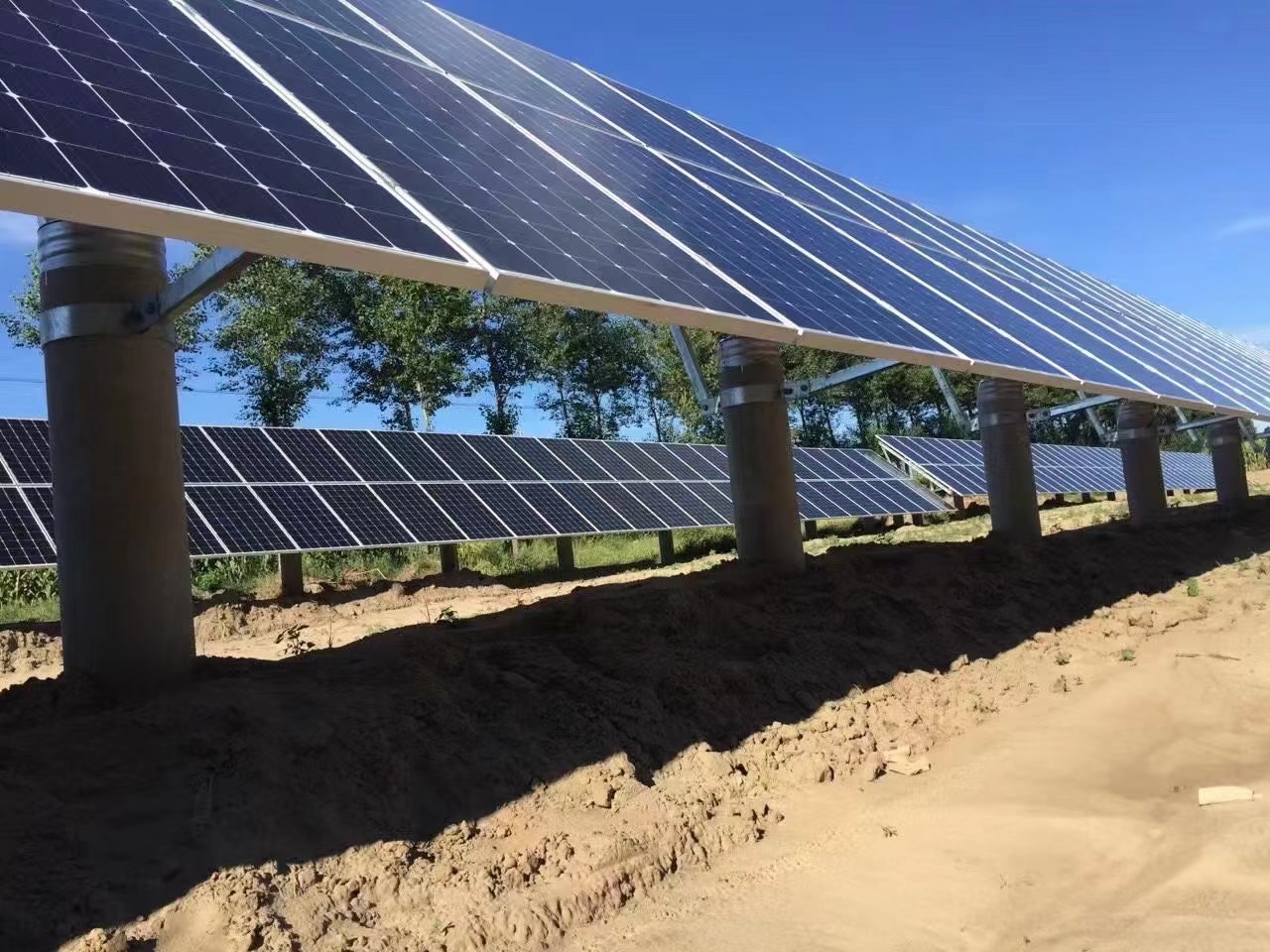
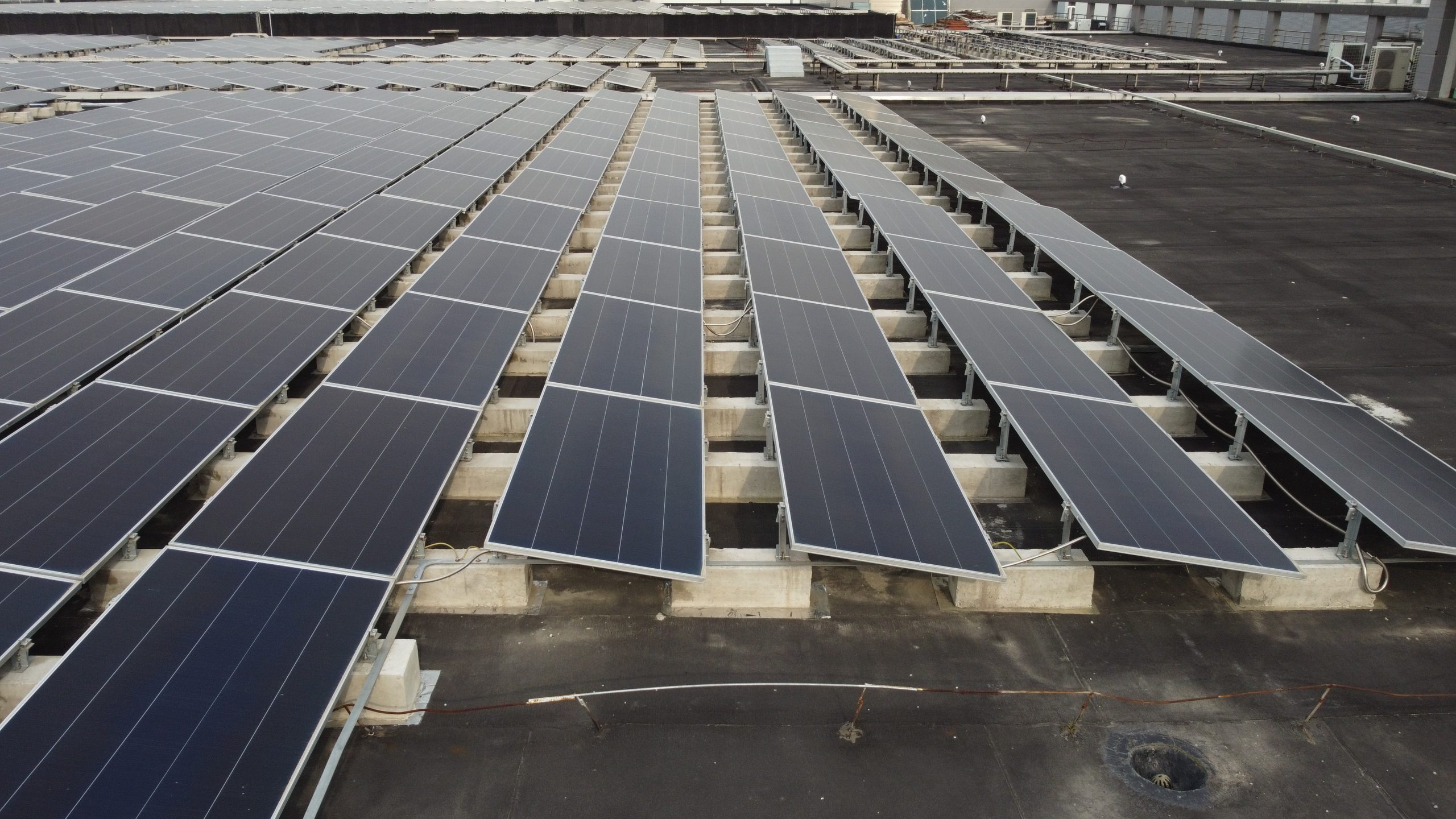
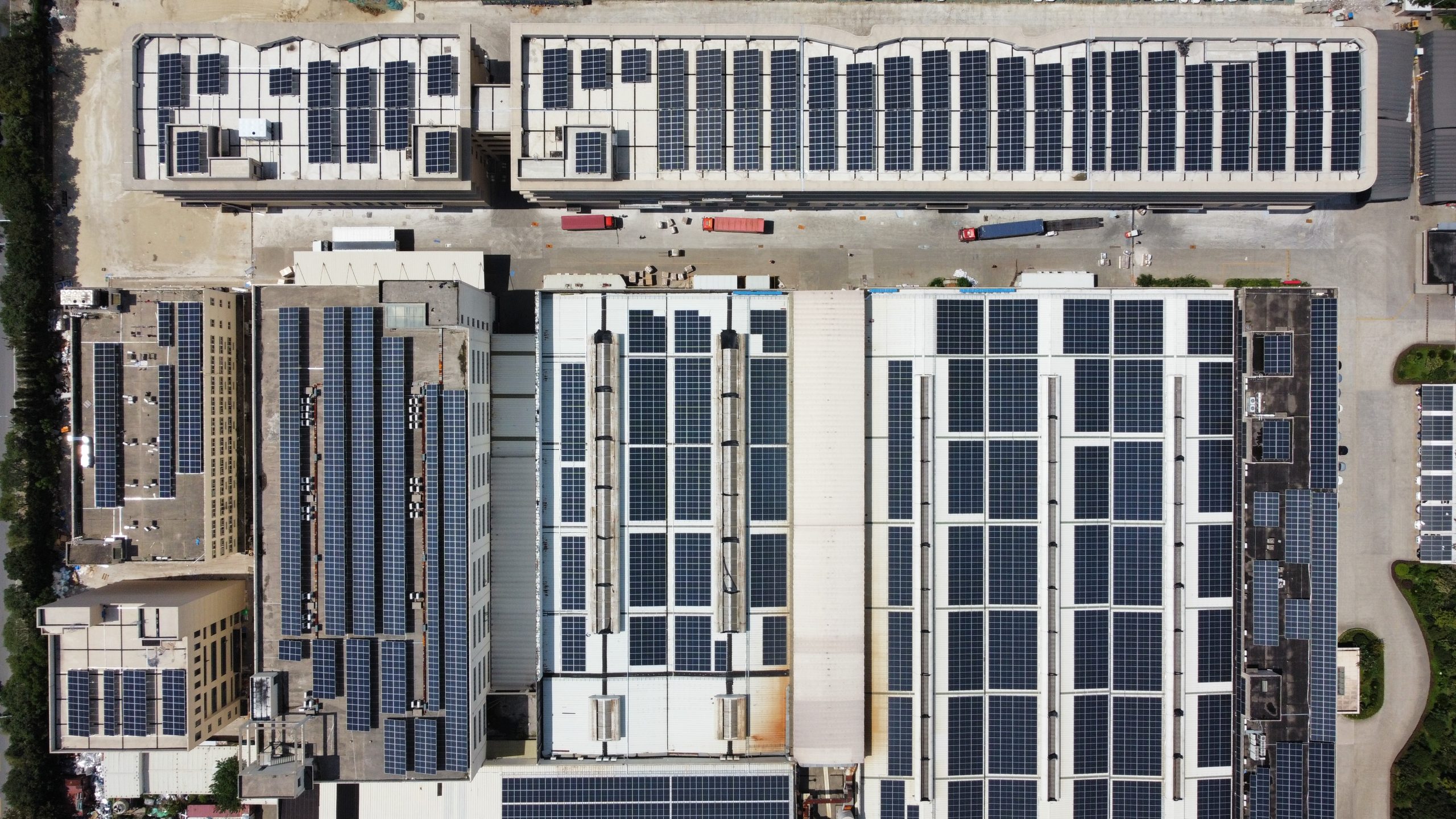
Solar power plants can be categorized by scale into large-scale ground-mounted plants and distributed systems. Large-scale ground-mounted solar plants are typically built on wasteland, in deserts, or in agro-solar areas for centralized grid-connected power generation; they are suitable for investment and construction by enterprises and power companies. Distributed solar systems, on the other hand, primarily consist of rooftop solar installations on homes, factories, and commercial buildings. The electricity generated can be used on-site or sold back to the grid, with a short payback period, making them ideal for ordinary users.
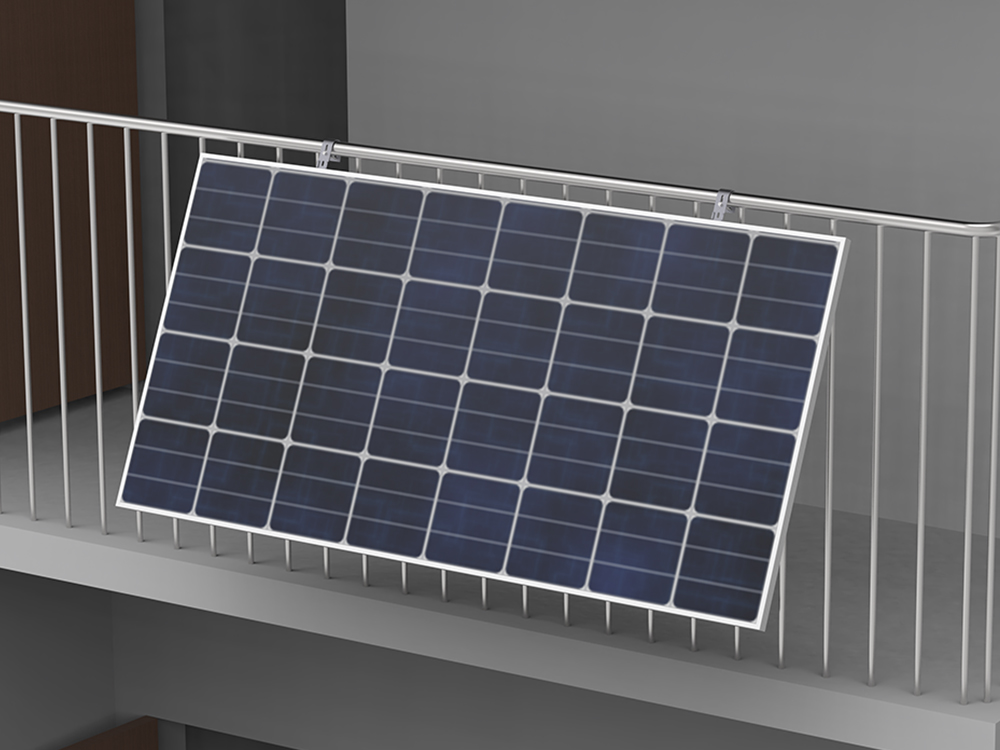
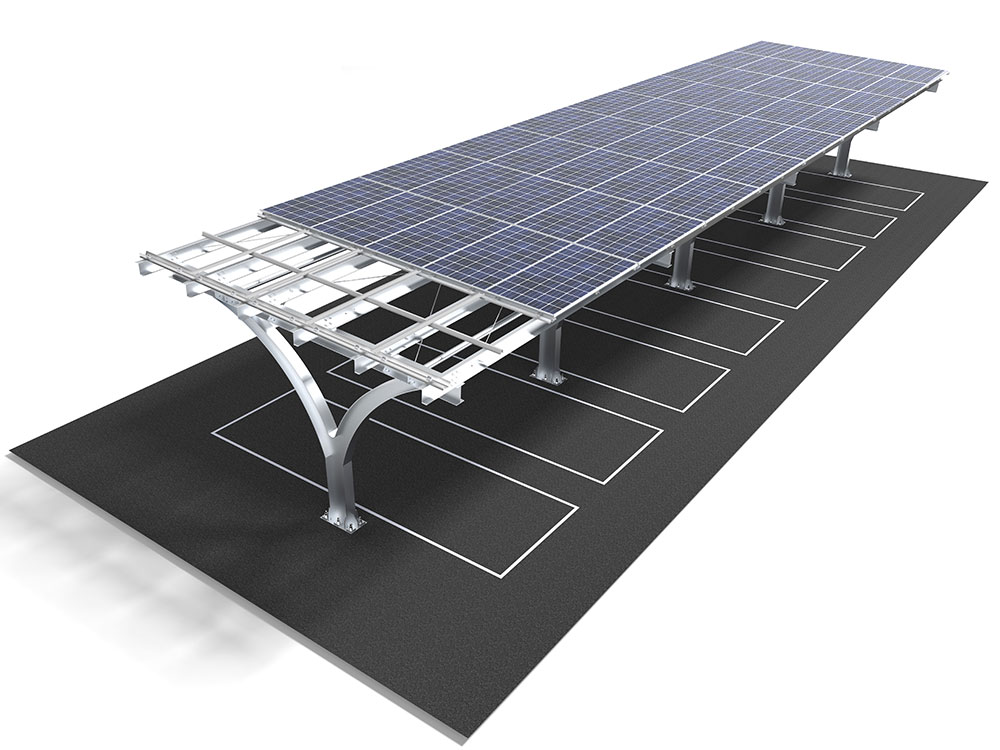
In addition to power generation, solar power plants offer additional benefits such as shade, thermal insulation, and architectural enhancement. Applications like solar carports, electric vehicle charging stations, balcony solar systems, and grid energy storage systems represent extensions of solar technology. Furthermore, solar power plants can be integrated with agriculture, fisheries, and energy storage systems to create diversified models such as “fish-solar integration” and “agriculture-solar integration,” thereby improving land utilization and promoting the development of green industries.
Building a solar power plant not only reduces electricity bills and enhances energy independence but is also a crucial way to comply with environmental policies and achieve energy conservation and emissions reduction. As technology matures and costs decrease, solar power plants will become increasingly widespread in the future. Whether for individual households or corporate campuses, nearly everyone will have the opportunity to build their own clean energy system.
If you are considering installing a solar power plant, we recommend selecting a suitable system solution based on your roof space, electricity consumption, budget, and local policies, and engaging a reputable manufacturer or service provider for design and installation. Investing in solar energy is a green project with long-term returns; scientific planning and proper system selection will yield stable economic and environmental benefits.