With the global transition in energy structures and growing environmental awareness, solar power plants—as a form of clean energy generation—have gradually become a hot topic in the energy sector. However, conventional power plants (such as coal-fired, gas-fired, and hydroelectric plants) remain a vital component of the current electricity supply. So, what exactly is the difference between solar power plants and conventional power plants?
The main differences lie in the following aspects:
1. Different Energy Sources
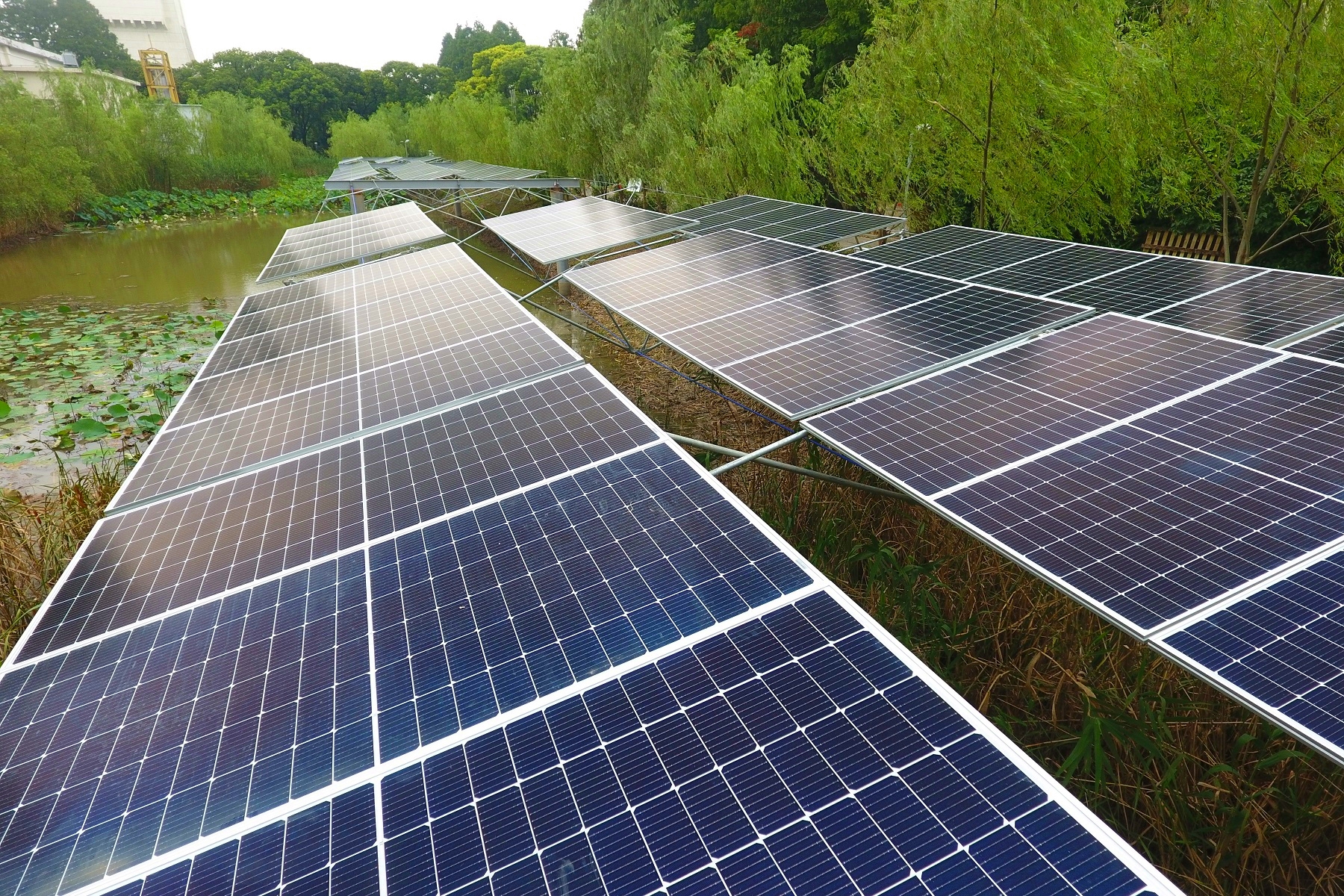
Solar power plants generate electricity using solar energy, converting sunlight directly into electricity through solar panels. Solar energy is an inexhaustible and renewable resource. In contrast, traditional power plants primarily rely on fossil fuels (such as coal and natural gas) or hydropower to generate electricity. These energy sources are non-renewable, have limited reserves, and cause environmental pollution during extraction and use.
2. Environmental Impact
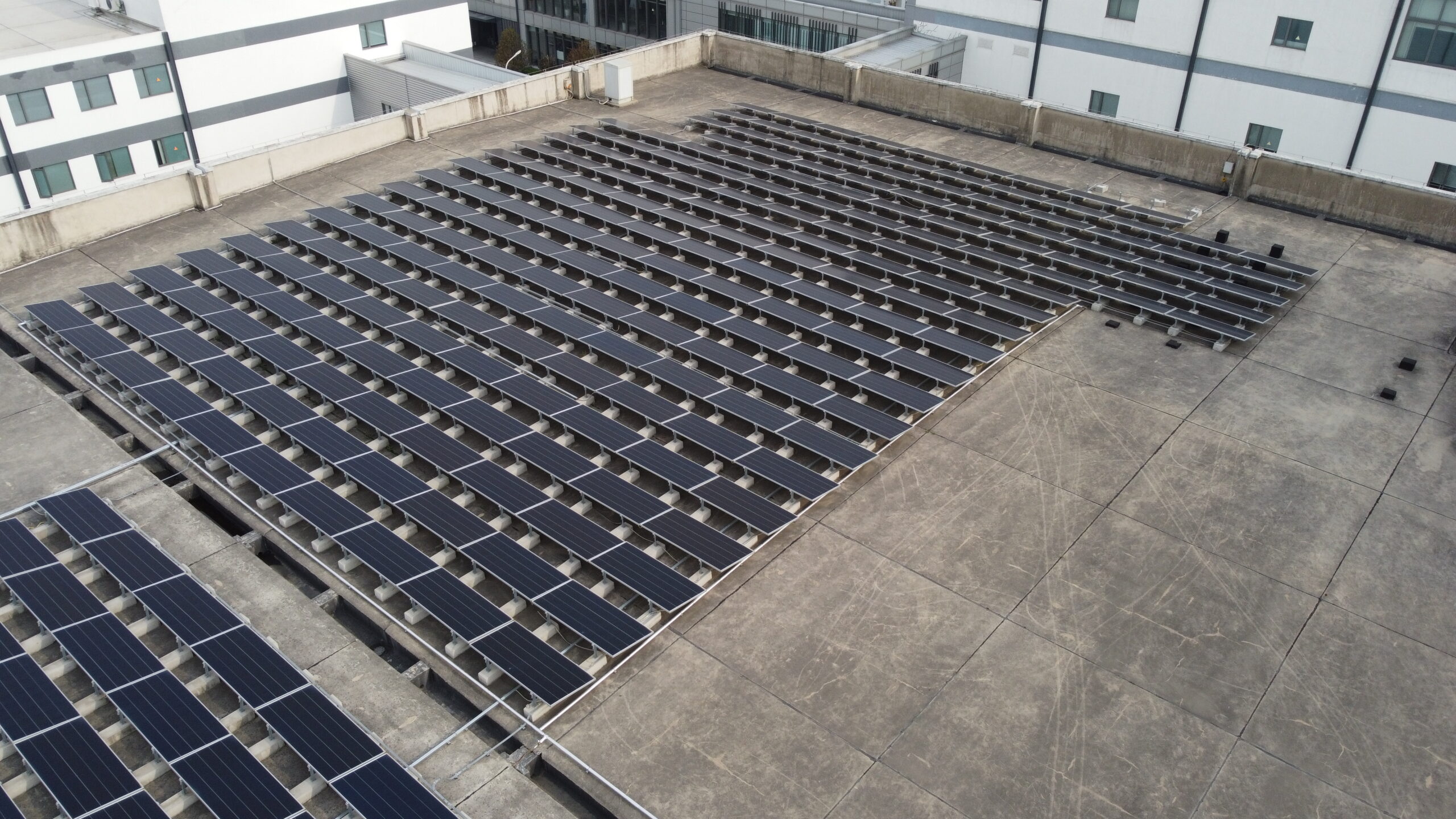
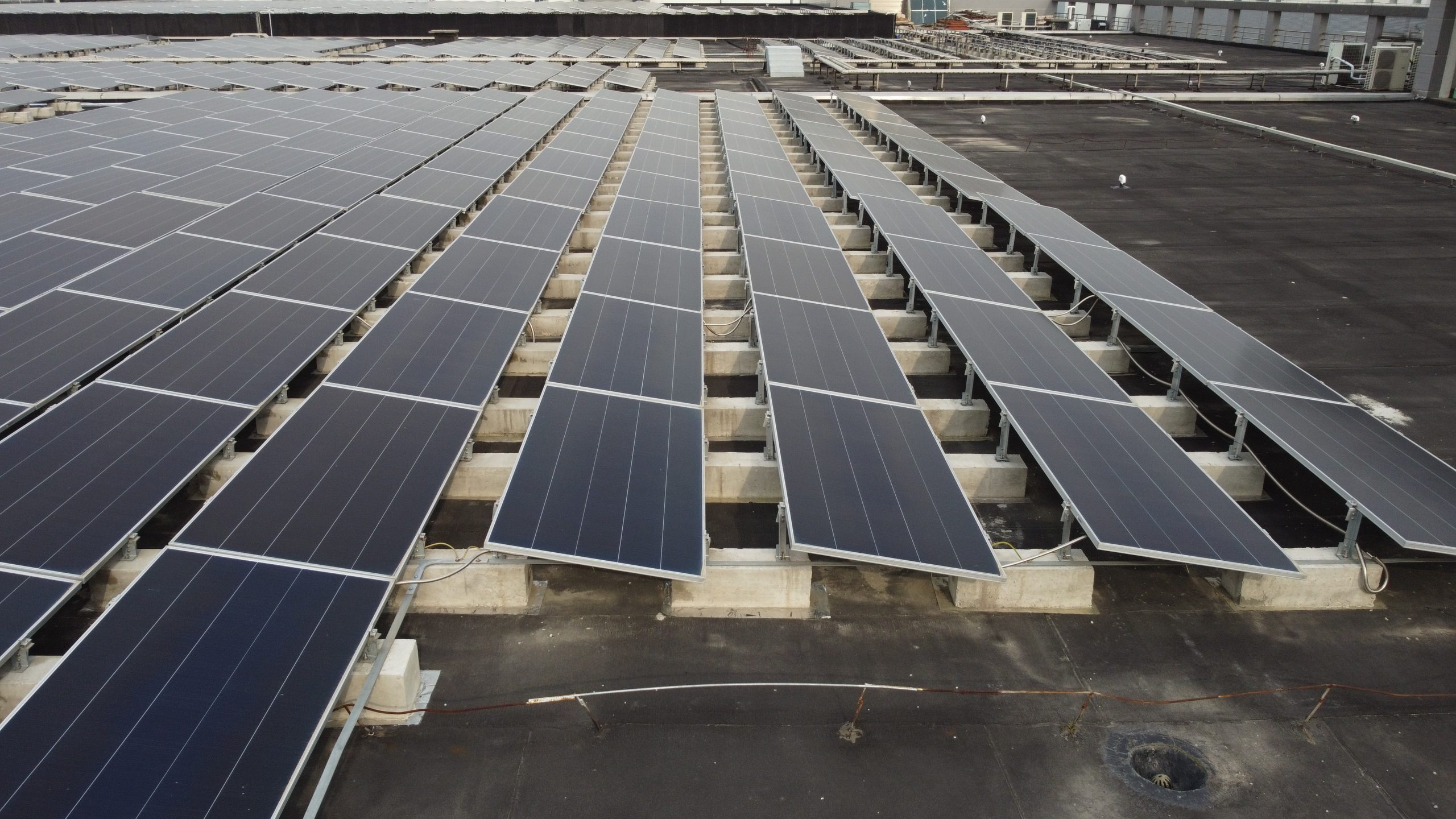
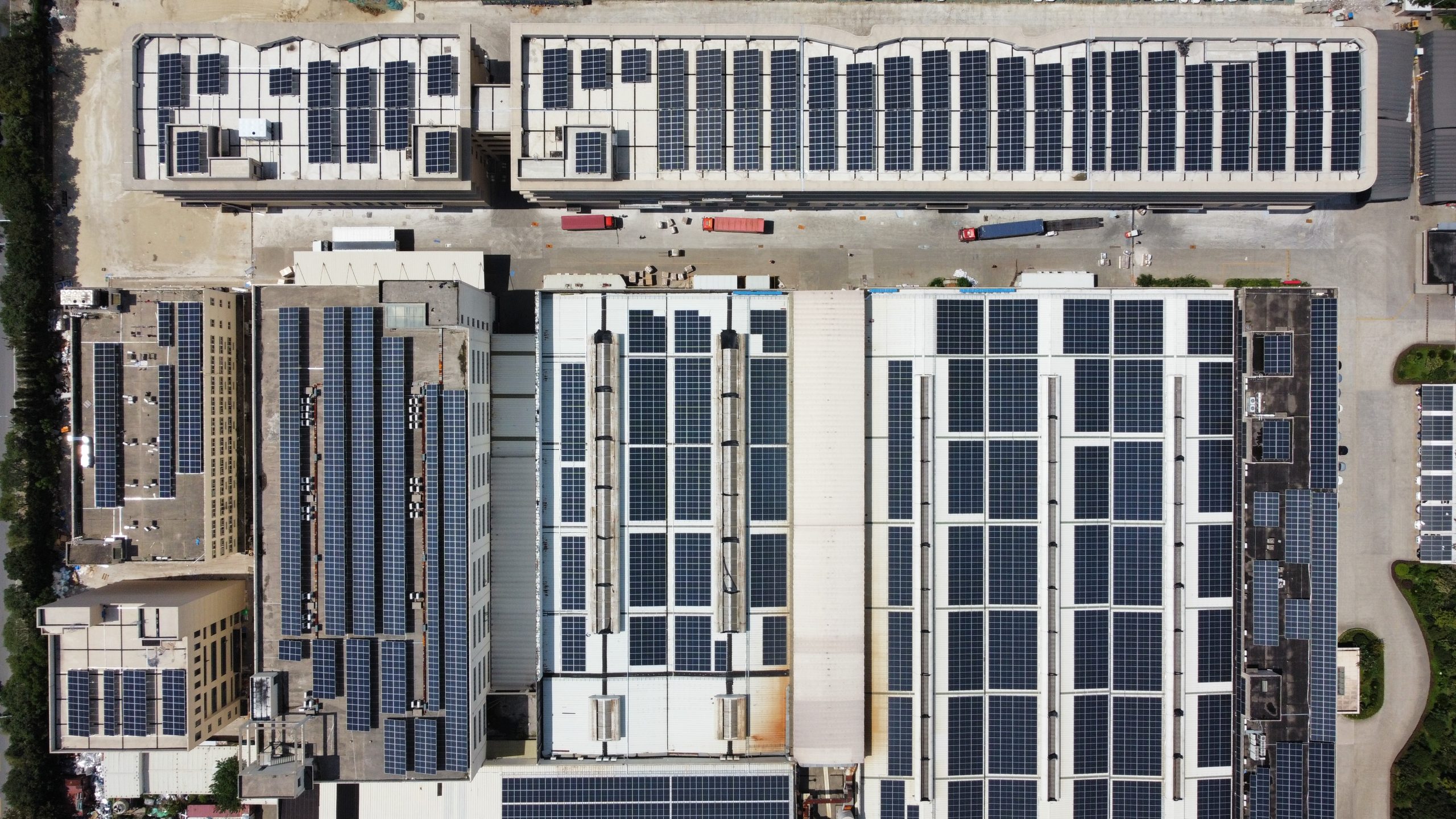
Solar power generation produces virtually no greenhouse gases or other pollutants, making it a clean energy source. The construction of solar power plants has a minimal impact on the ecological environment, particularly when deployed on unused land such as deserts or rooftops, where resources can be effectively utilized.
In contrast, coal-fired and gas-fired power plants emit large amounts of harmful gases such as carbon dioxide and sulfur dioxide during the power generation process, exacerbating the greenhouse effect and air pollution. Although hydropower is clean, its construction may damage river ecosystems and affect biodiversity.
3. Generation Efficiency and Stability
Solar power generation efficiency is significantly affected by weather, sunlight duration, and geographical location. It cannot generate electricity at night, and output decreases during cloudy or rainy weather. Energy storage systems (such as batteries) are required to balance power supply and improve stability. The generation efficiency of traditional power plants is relatively stable, unaffected by weather conditions, and capable of operating around the clock. Coal- and gas-fired power plants can flexibly adjust their output based on electricity demand, making them more suitable as baseload power sources.
4. Construction and Operating Costs
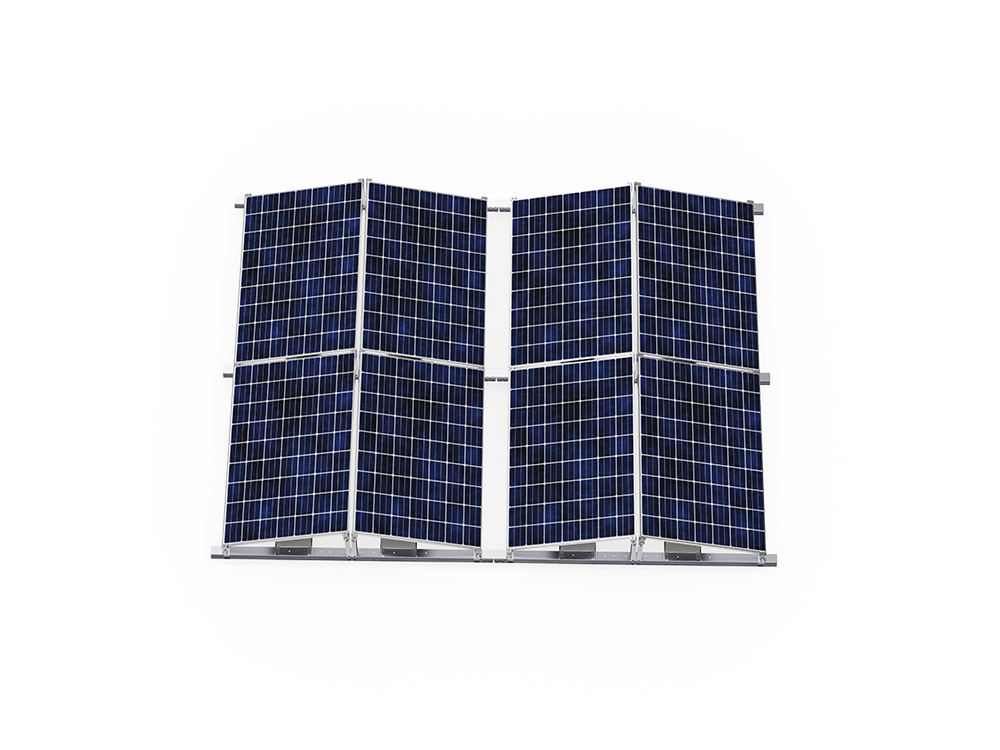
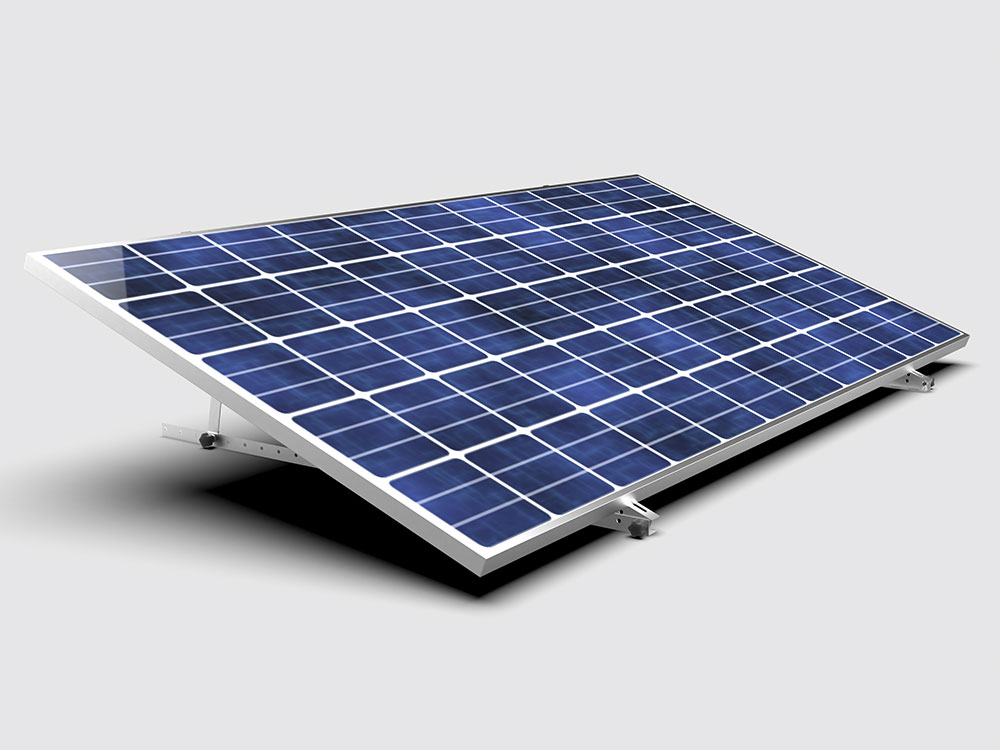
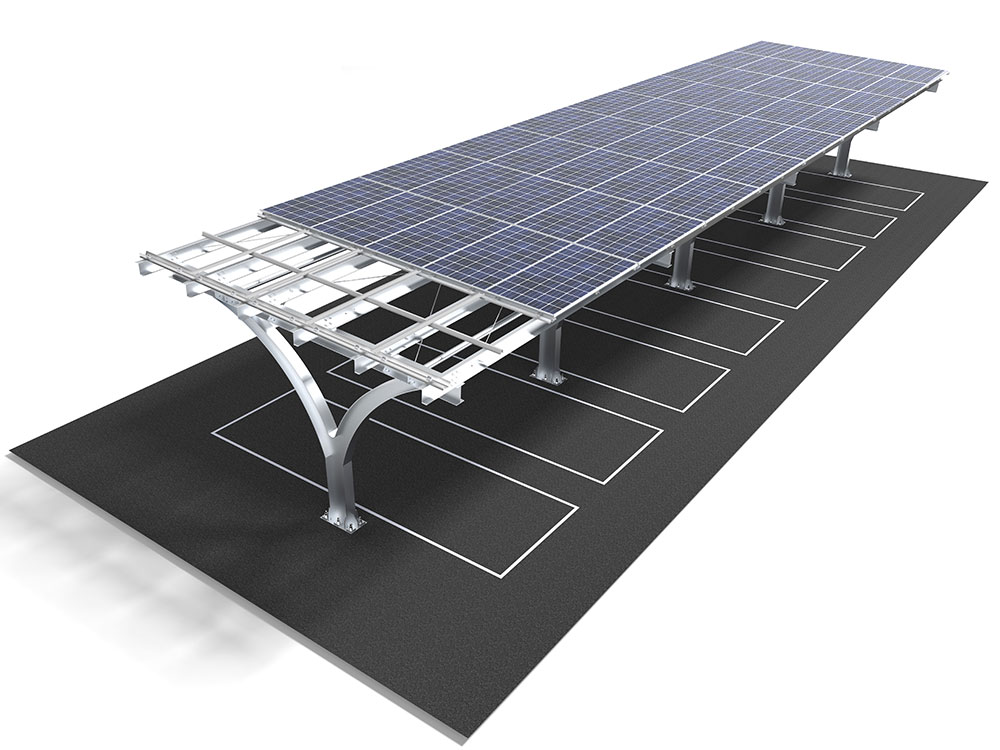
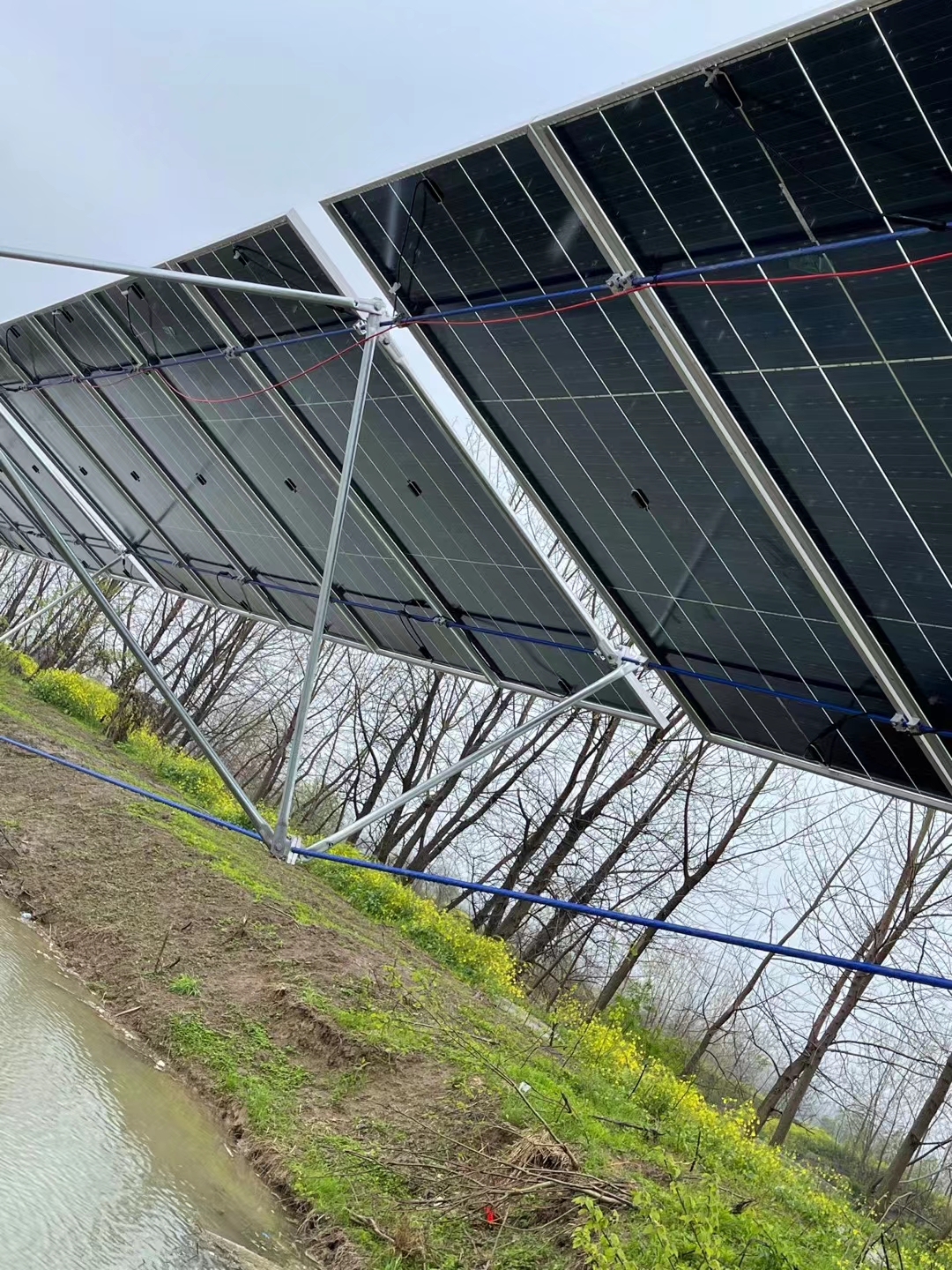
Solar power plants have higher initial construction costs, primarily consisting of the procurement and installation of equipment such as solar panels, inverters, and mounting structures. Understanding the key points to consider during the construction of a solar power plant can help optimize investment and long-term performance. Operating and maintenance costs are lower, as solar panels have a long lifespan (typically over 25 years) and require no fuel costs.
Initial construction costs for traditional power plants vary depending on the plant type. Coal-fired and gas-fired power plants require complex equipment such as boilers and steam turbines, while hydroelectric power plants require dam construction. Operating costs are relatively high, particularly for coal-fired and gas-fired power plants, which require the continuous purchase of fuel, and environmental protection facilities (such as desulfurization and denitrification equipment) add to the expenses.
5. Land Use and Flexibility
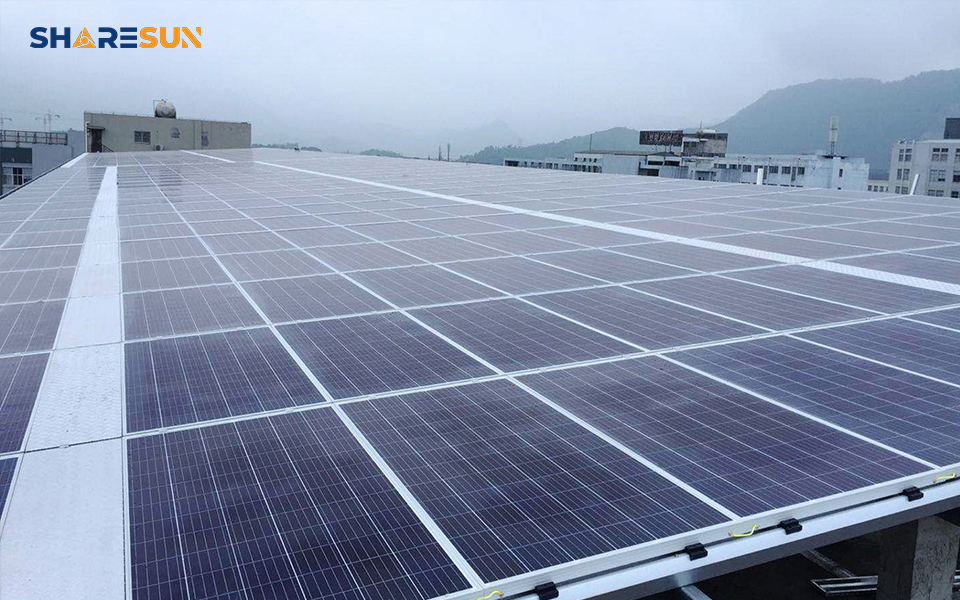
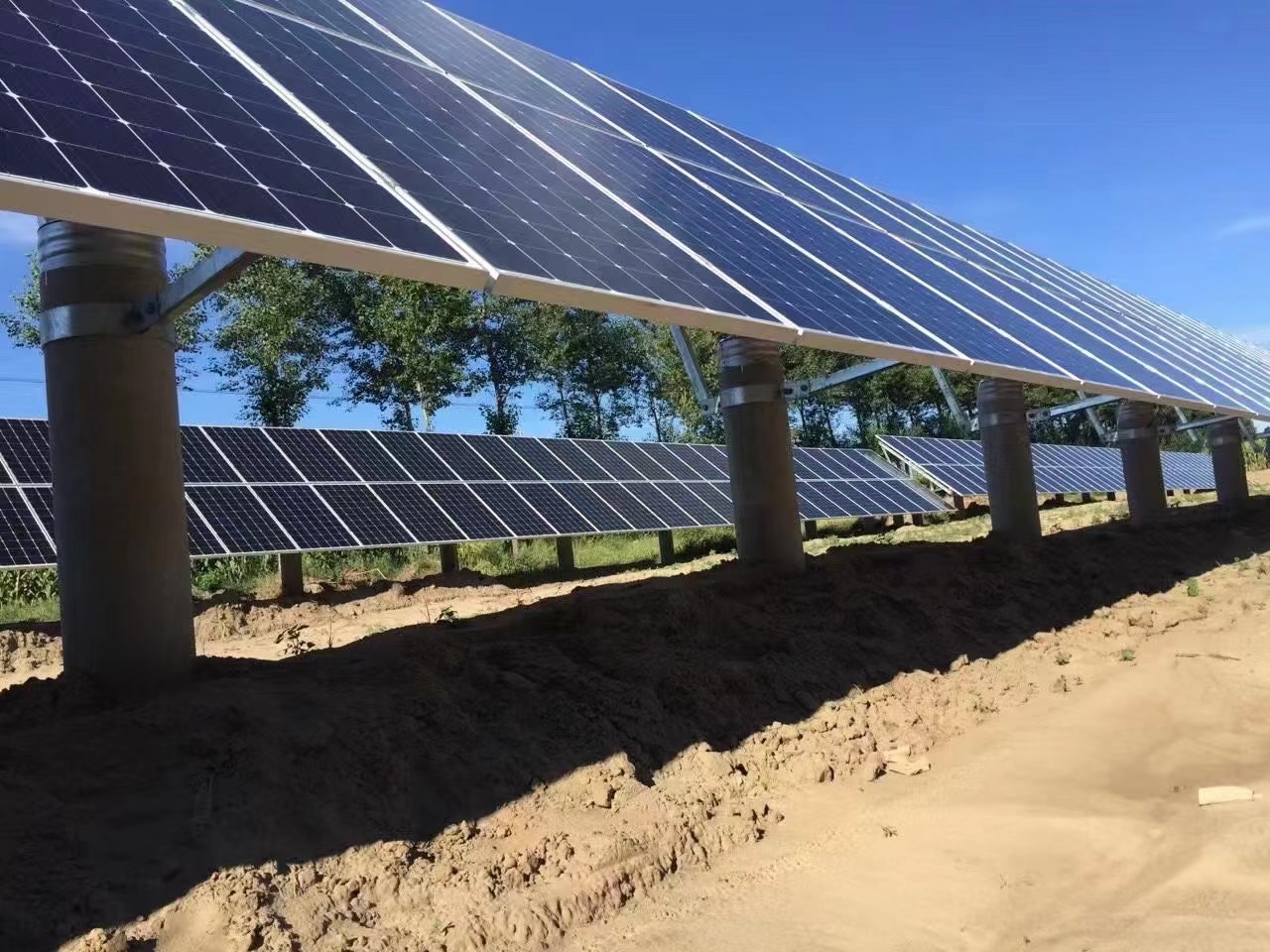
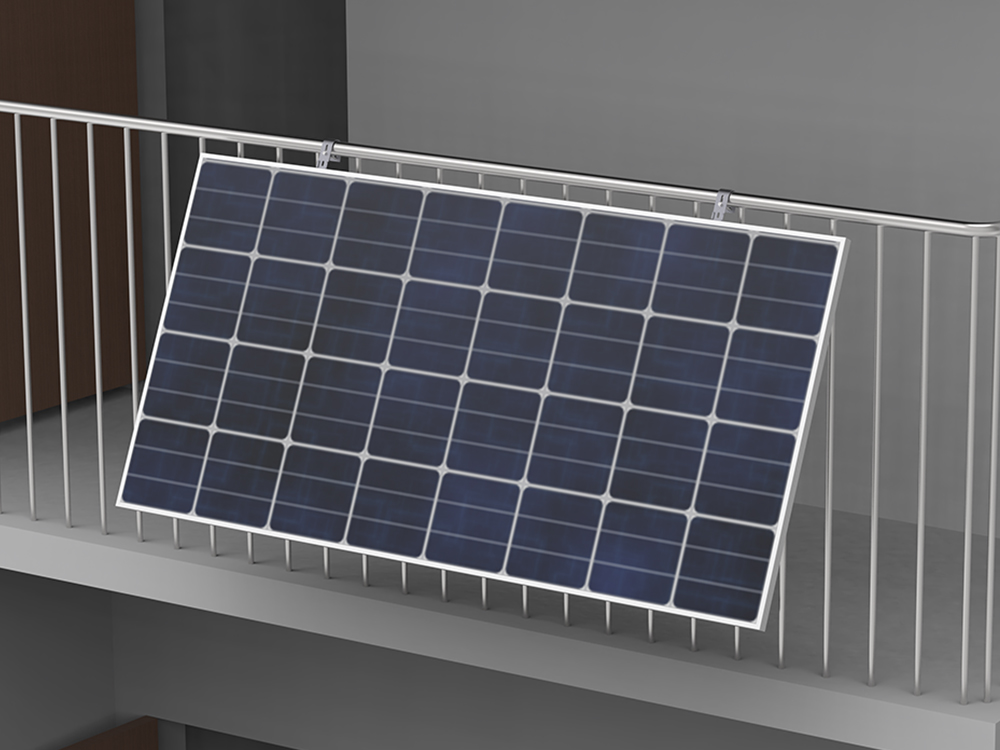
Solar power plants require significant land area, particularly large-scale ground-mounted solar farms, which need vast tracts of land for installing solar panels. Distributed solar power plants (such as rooftop solar) offer greater flexibility and can be tailored to local conditions. Traditional power plants occupy relatively smaller areas but require supporting fuel storage facilities (such as coal yards and gas storage tanks) or reservoirs. Hydropower plants have strict geographical requirements and are typically built near rivers.
6. Policy Support and Development Prospects
Globally, solar power generation receives strong support from governments, which encourage its development through policies such as subsidies and tax incentives. With technological advancements and falling costs, the market share of solar power has been increasing year by year, and it holds immense potential for future growth.
Traditional power plants face environmental pressures and resource depletion issues; many countries are phasing out coal-fired power plants and shifting toward clean energy. Hydropower plants still have room for development in certain regions, but their expansion is limited by natural conditions.
7. Suitable Applications
Solar power plants are suitable for regions with abundant sunlight, such as deserts and plateaus. Distributed solar power is suitable for urban rooftops and industrial parks, enabling local power supply. Coal-fired and gas-fired power plants are suitable as baseload power sources to meet large-scale electricity demand. Hydropower plants are suitable for regions with abundant water resources, such as upper river basins or mountainous areas.
Solar power plants and traditional power plants differ significantly in terms of energy sources, environmental impact, generation efficiency, and costs. As a clean and renewable energy source, solar power plants hold broad prospects for development but are constrained by weather conditions and initial investment costs; traditional power plants, while technologically mature and highly stable, face environmental pressures and resource constraints. In the future, with the optimization of the energy structure and technological advancements, solar power plants are expected to play a more significant role in the global energy system.