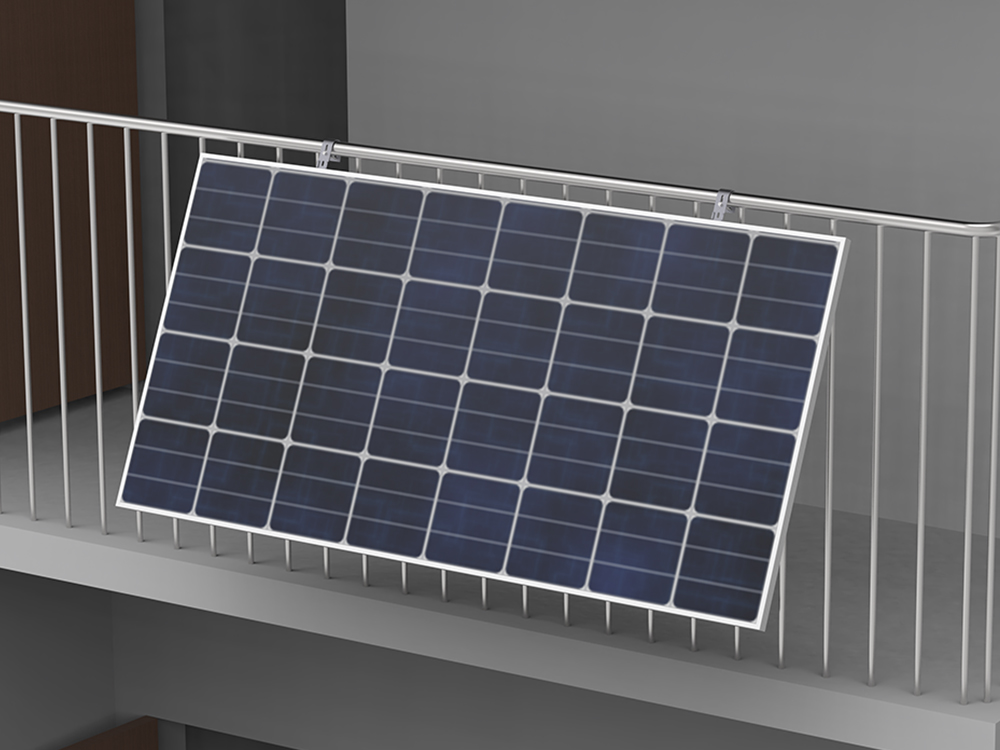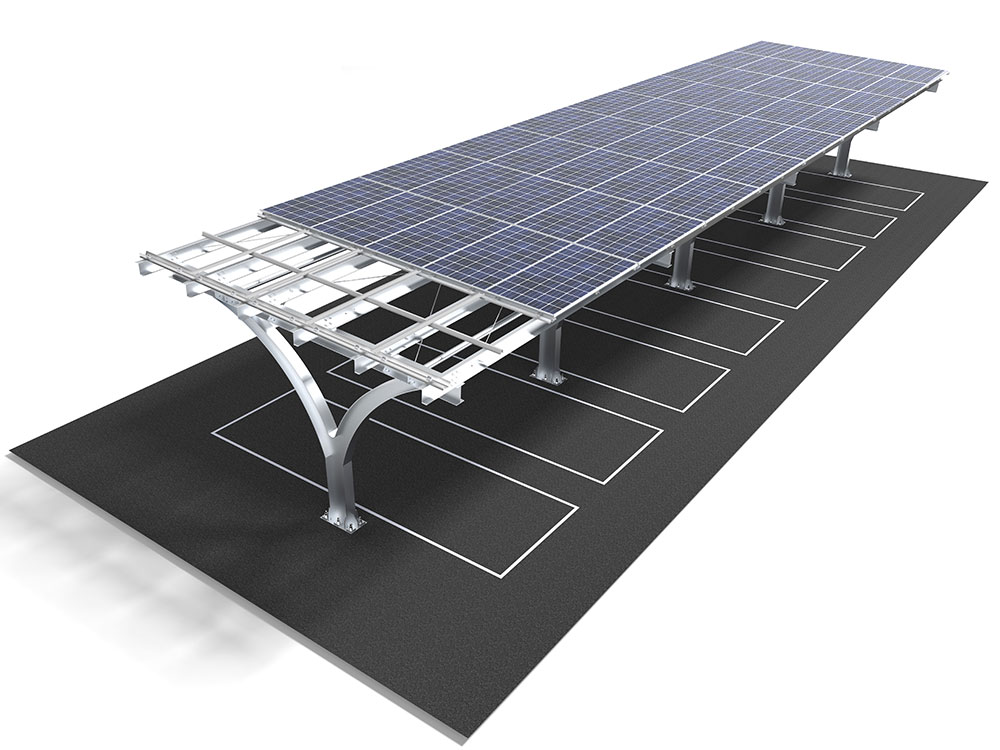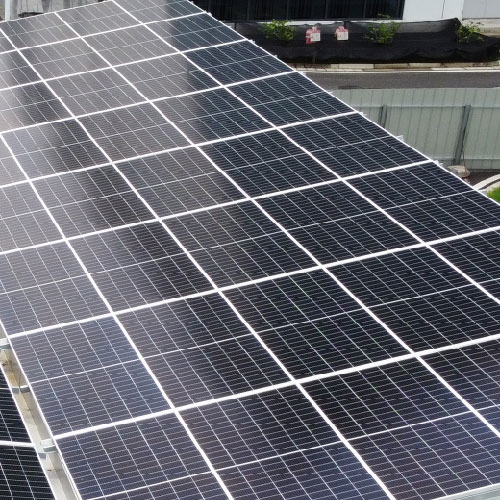
Although solar mounting systems are a relatively “low-key” component of solar power plants, their quality directly determines the service life and safety of the entire plant. Many people focus solely on the solar panels and inverters when making a purchase, while failing to give sufficient attention to the mounting systems. As a result, after a few years, the mounting systems may rust, warp, or even collapse, leading to repair costs that far exceed expectations.
Below, from a practical application perspective, we’ll discuss several key points to consider when selecting solar mounting systems.
I. Selecting the Right Mounting Type Based on the Application Scenario
Requirements for mounting systems vary greatly depending on the scenario and cannot be generalized.
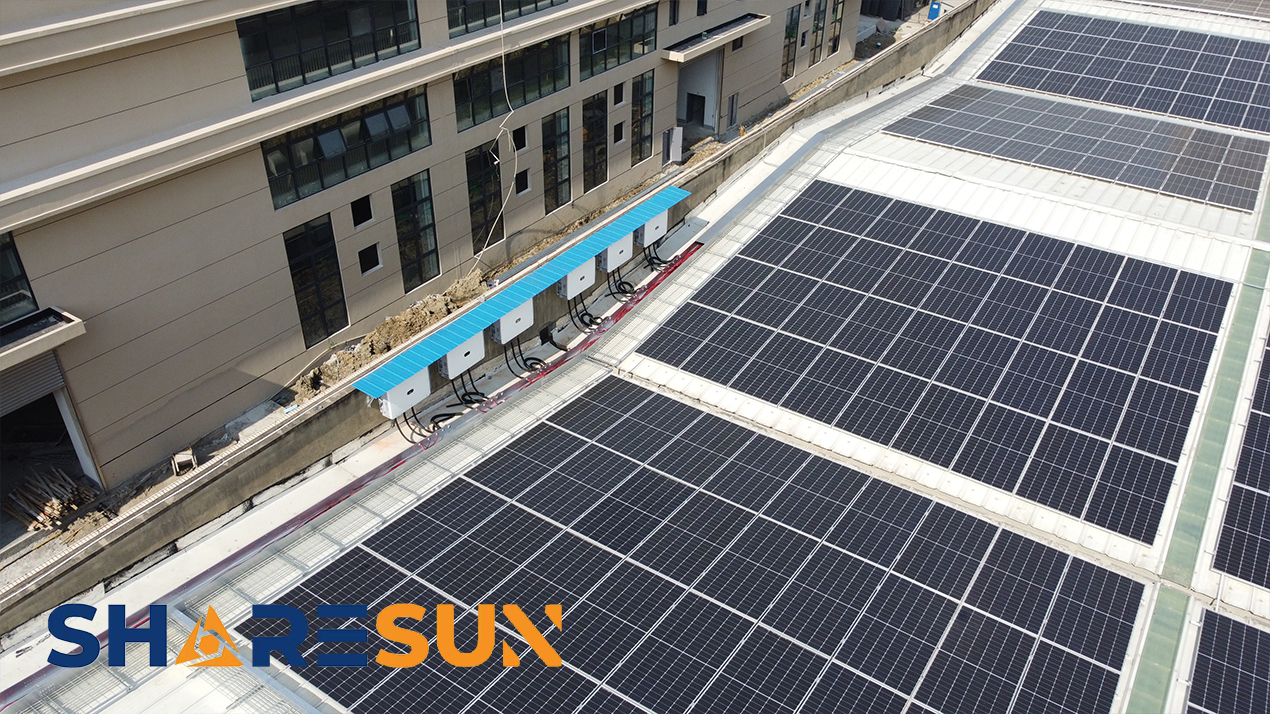
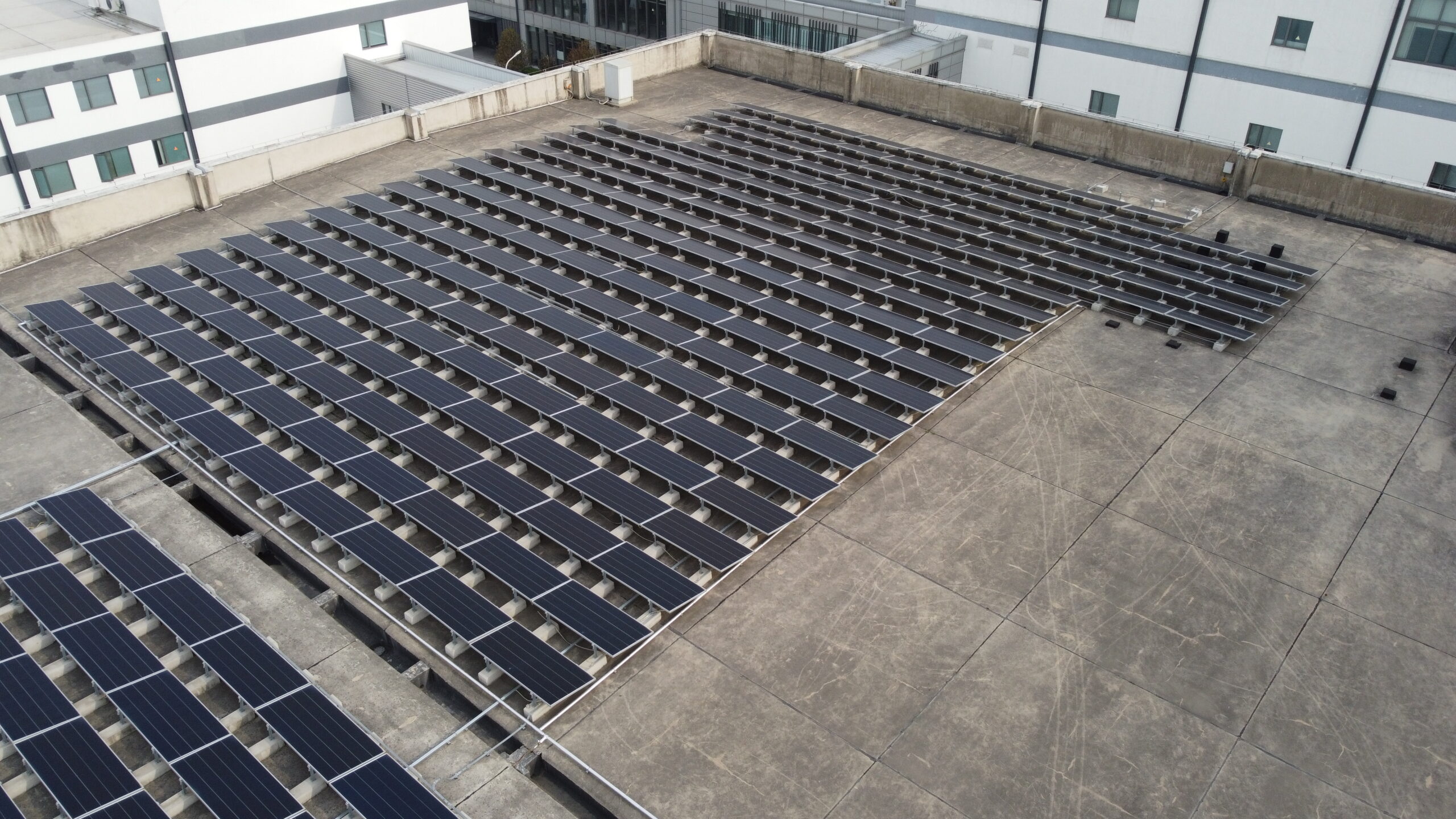
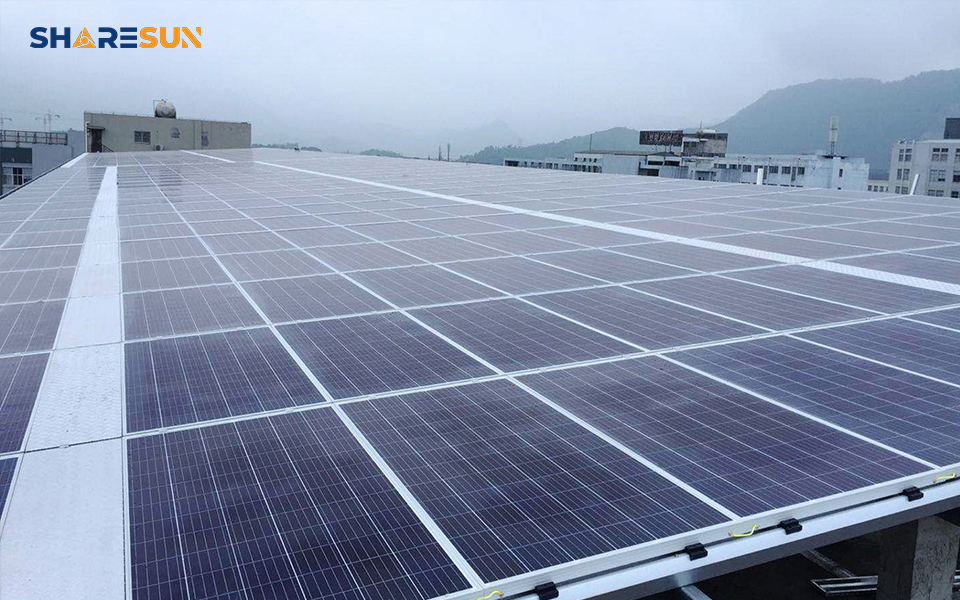
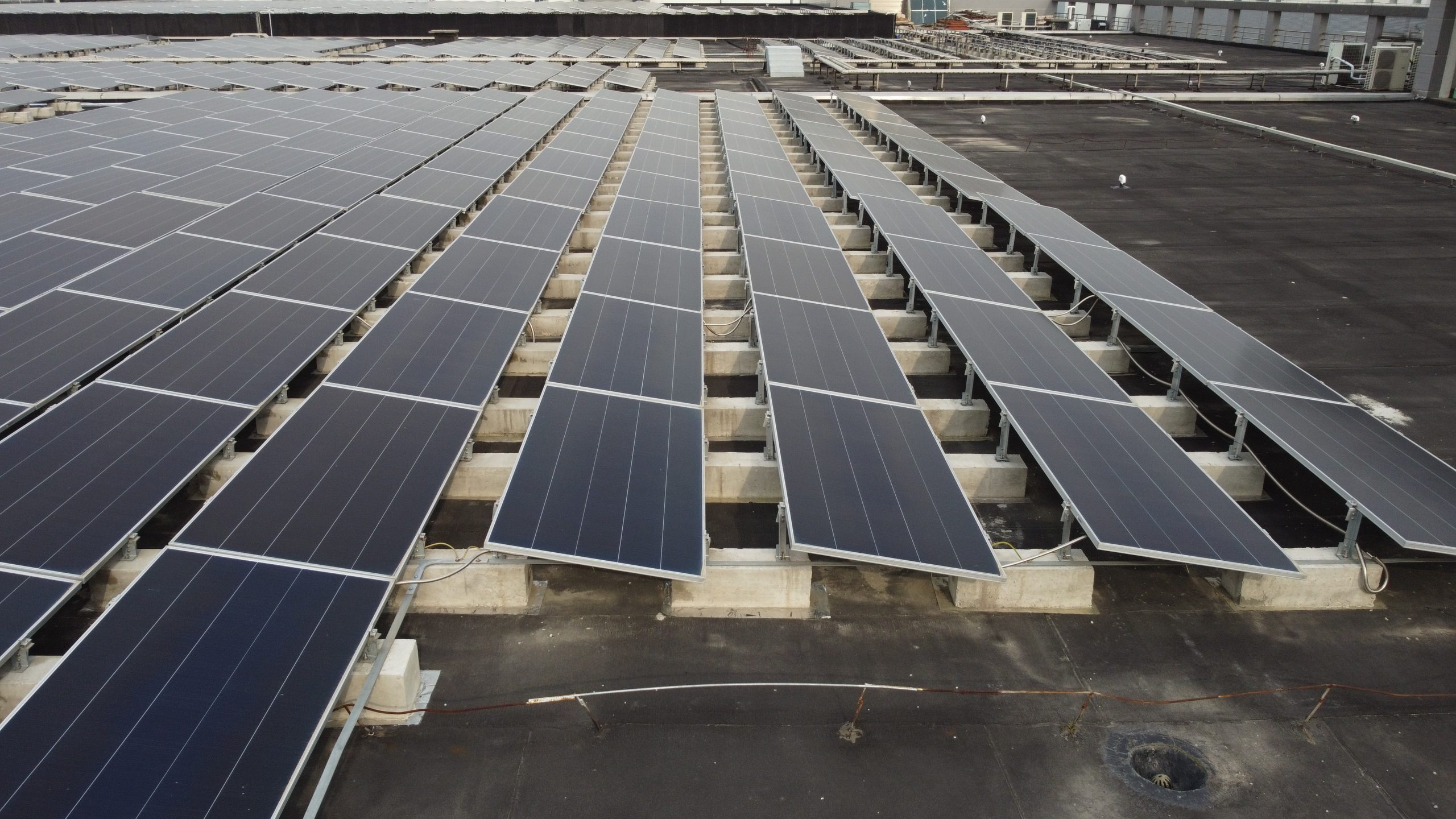
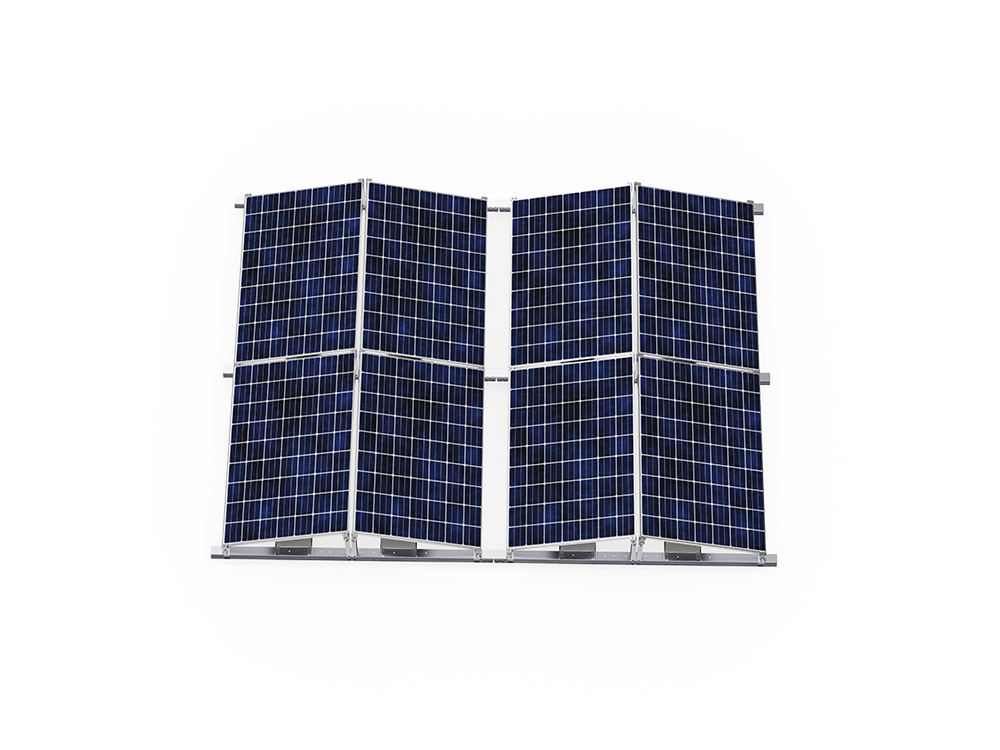
Roof-mounted systems: First, consider the roof’s load-bearing capacity. Color-coated steel roofs require specialized clamps and rails; the clamps must provide sufficient gripping force, otherwise strong winds could blow the entire system—panels and all—off the roof. For flat concrete roofs, wind pressure resistance and ballast must be considered; these are typically secured with concrete piers or ballast blocks. If the ballast is insufficient, the entire system may shift during a typhoon.
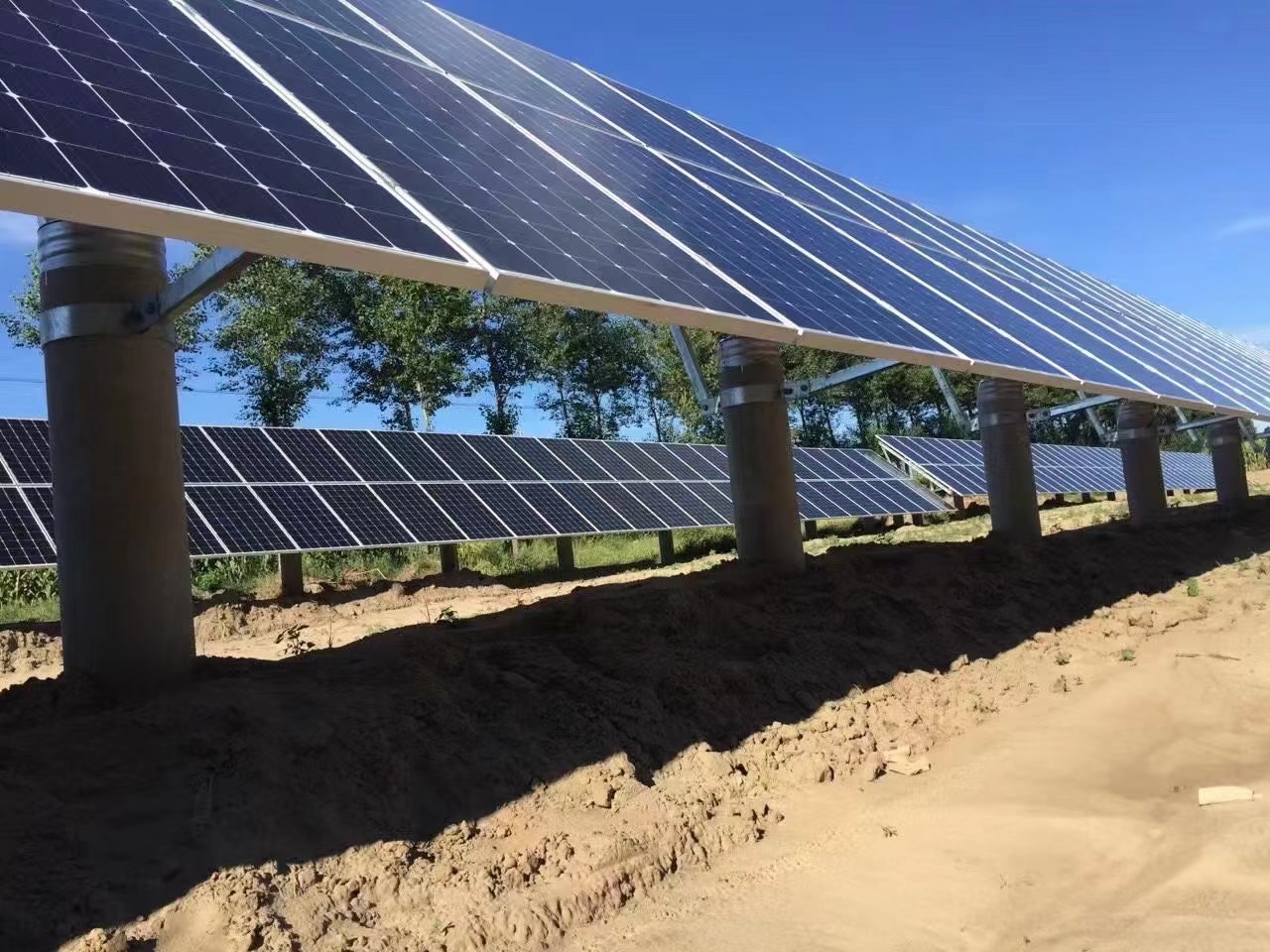
Ground-Mounted Power Plants: The key factor is the foundation conditions. For ordinary soil, screw piles or precast pipe piles can be used; however, if the water table is high or the soil is loose, the pile length must be increased or the burial depth deepened. In some regions with permafrost, pile foundations must be buried below the permafrost layer; otherwise, frost heave in winter could push the piles upward.
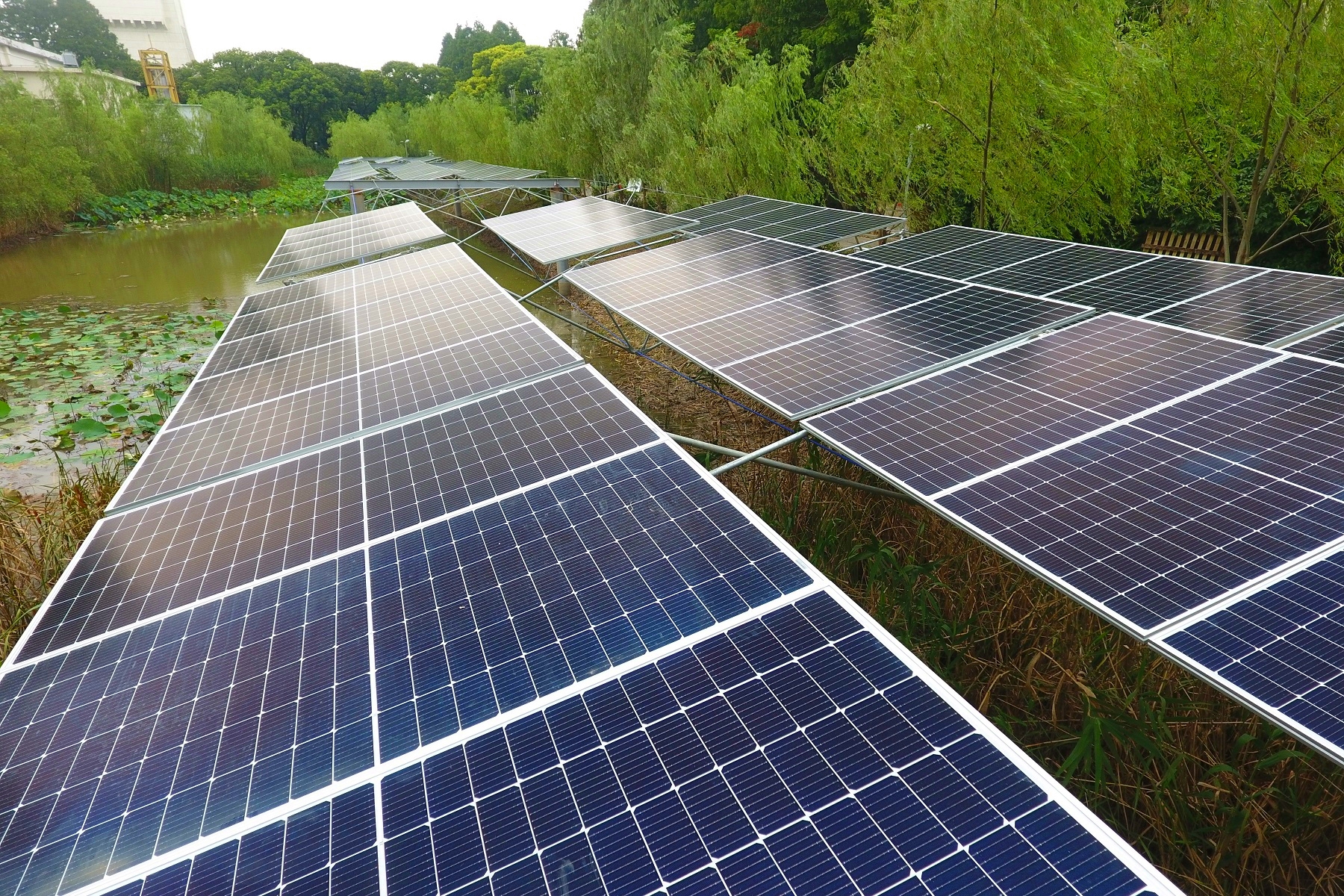
Fish-Solar Complementary Projects: Underwater foundation treatment is a key consideration. The thickness of the silt layer on the lake bottom varies, so pile length must be determined based on the geological survey report and driven down to the bearing layer. Additionally, the clearance above the water surface must be calculated carefully—if it is too low, the modules may be submerged during the flood season; if it is too high, it wastes steel.
II. No Compromises on Materials and Corrosion Protection
The material of the mounting structure directly determines its service life.
Hot-dip galvanized steel is currently the most common solution. The thickness of the galvanized coating is a key indicator; in normal environments, it must be no less than 65 micrometers, while a thicker coating is recommended for humid or coastal areas. Some manufacturers, in an effort to cut costs, apply a galvanized coating of only 40 to 50 micrometers, which begins to rust after just two or three years. In areas that have been welded or cut, the galvanized coating is compromised and must be retouched on-site with zinc-rich paint.
Aluminum alloy is lightweight and corrosion-resistant, making it suitable for rooftops or weight-sensitive applications; however, its strength is lower than that of steel, so it is not suitable for large spans or high-load situations. Additionally, direct contact between aluminum alloy and steel can cause electrochemical corrosion, so connection points must be insulated.
Stainless steel is primarily used for fasteners such as bolts and washers. Ordinary galvanized bolts may rust solid in humid environments within two to three years, making them impossible to remove during later maintenance; therefore, stainless steel bolts are recommended for critical areas.
III. Structural Strength and Stability Must Be Carefully Calculated
Heavier brackets are not necessarily better, but they must possess sufficient strength.
Wind resistance is a critical requirement. Designs must be calculated based on the local 50-year return period wind pressure; regions prone to typhoons require even higher standards. The support’s columns, beams, and braces must form a stable triangular structure; a single column standing alone is certainly not reliable.
Snow loads must not be overlooked. In northern regions where snow accumulation is thick, the support’s load-bearing capacity must be calculated based on the maximum local snow depth. If the design value is too low, heavy snowfall could cause the support structure to collapse.
The strength of connection joints is often overlooked. The quality of bolted connections is easier to inspect than that of welded joints, but bolts must be tightened to the specified torque value; if they are too loose, the structure will wobble, and if they are too tight, the threads may be damaged. Some small manufacturers use self-tapping screws instead of bolts, which significantly reduces the load-bearing capacity.
IV. Ease of Installation and Maintainability
Installation costs are also part of the total cost; poorly designed mounting structures can significantly increase the difficulty of on-site construction.
Mounting structures with a high degree of pre-assembly require only bolt tightening on-site, resulting in faster installation and a lower error rate. Conversely, if there are too many parts or a large amount of on-site cutting and welding is required, not only will the construction period be prolonged, but quality will also be inconsistent.
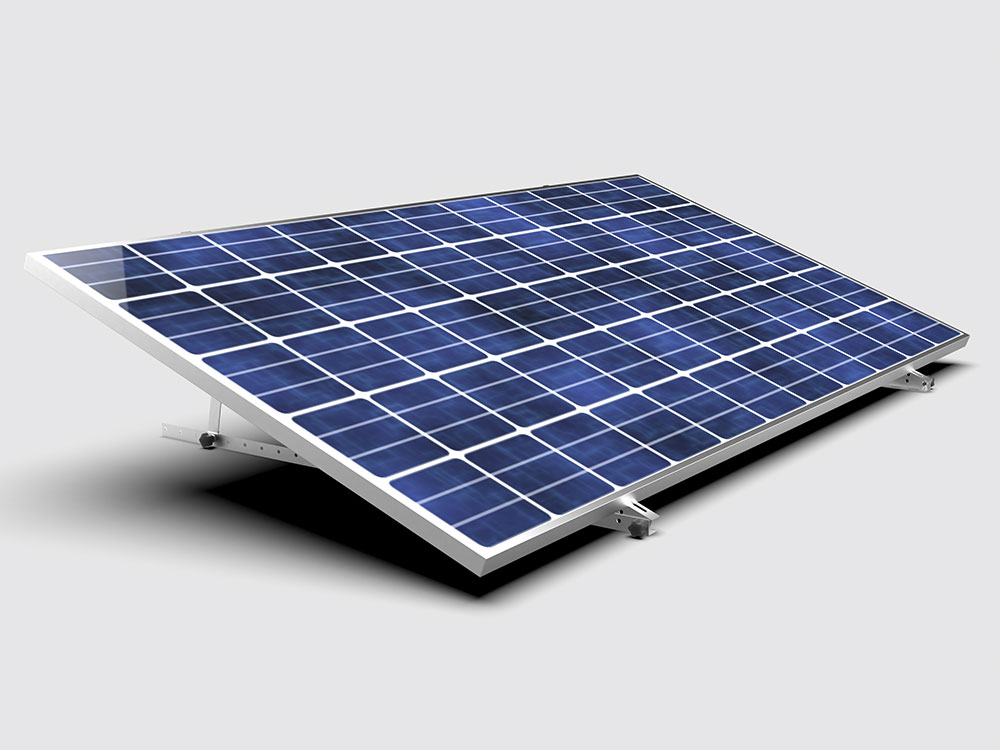
Sufficient adjustability is essential. Since the ground is never perfectly level, the height of the support columns and the angle of the crossbeams must be finely adjustable; otherwise, the modules will be installed crookedly, which not only affects power generation but also increases the risk of hidden cracks.
Adequate access for future maintenance must be provided. This is particularly important for agro-photovoltaic projects, where the spacing between supports must allow small boats to pass through for fish feeding and dredging. Some projects reduce the spacing to a minimum in order to install more modules, resulting in an inability to perform normal operations later on.
V. Verify the Manufacturer’s Qualifications and Warranty
Mounting systems are designed to last 25 years; price alone should not be the deciding factor.
Clarify the warranty period. Reputable manufacturers offer 10- or even 20-year warranties on galvanized coatings, and structural components are typically warranted for at least 10 years. If a manufacturer is only willing to offer a warranty of three to five years, it indicates a lack of confidence in their product’s quality.
Review actual case studies. Ask the manufacturer to provide photos of projects that have been in operation for more than five years or arrange an on-site inspection to check whether the mounting structures show signs of rust or deformation. Seeing is believing.
Confirm the availability of third-party test reports. These include reports on galvanized coating thickness, material mechanical properties, and wind pressure resistance tests. Merely claiming compliance with standards is not enough; it must be backed by data.
VI. Several Details That Are Easily Overlooked
Cable Routing: DC cables are typically routed along the mounting brackets and must be securely fastened; they must not dangle over the water’s surface or rest on roof tiles. Cable joints must be properly waterproofed; otherwise, moisture intrusion will cause a decline in insulation.
Grounding: Metal mounting brackets must be reliably grounded, with jumpers connecting each component to the bracket and each bracket to the next. Failure to ground properly can lead to serious consequences in the event of a lightning strike or electrical leakage.
Thermal Expansion and Contraction: Expansion joints must be provided in long-span tracks; otherwise, thermal expansion in summer may cause the connectors to deform.
Integration with the Building: The connection points between the roof mounting brackets and the roof waterproofing layer must be properly sealed; otherwise, leaks are likely to occur. Clamps for color-coated steel roofing panels must not be tightened excessively, as this can deform the panels.
Summary
When selecting solar mounting brackets, the key principle is simple: “The right fit is the best,” but you must never compromise on essential standards. First, determine the specific application scenario, then choose the corresponding bracket type.
Corrosion-resistant coatings must meet specified thickness standards, and stainless steel should be used for critical components.
Wind, snow, and seismic resistance must be carefully calculated—never rely on guesswork.
Designs that are easy to install, adjustable, and low-maintenance offer better value for money.
Verify the manufacturer’s credentials, review actual case studies, and request test reports.
Don’t overlook details such as cabling, grounding, and expansion joints.
Whether embedded in concrete or mounted on the roof, mounting systems are in use for over twenty years; replacement costs are extremely high if problems arise. Rather than saving a few thousand yuan on the mounting system, it’s better to choose a reliable product from the start. After all, the losses from a power plant failure far exceed the cost of the mounting system.