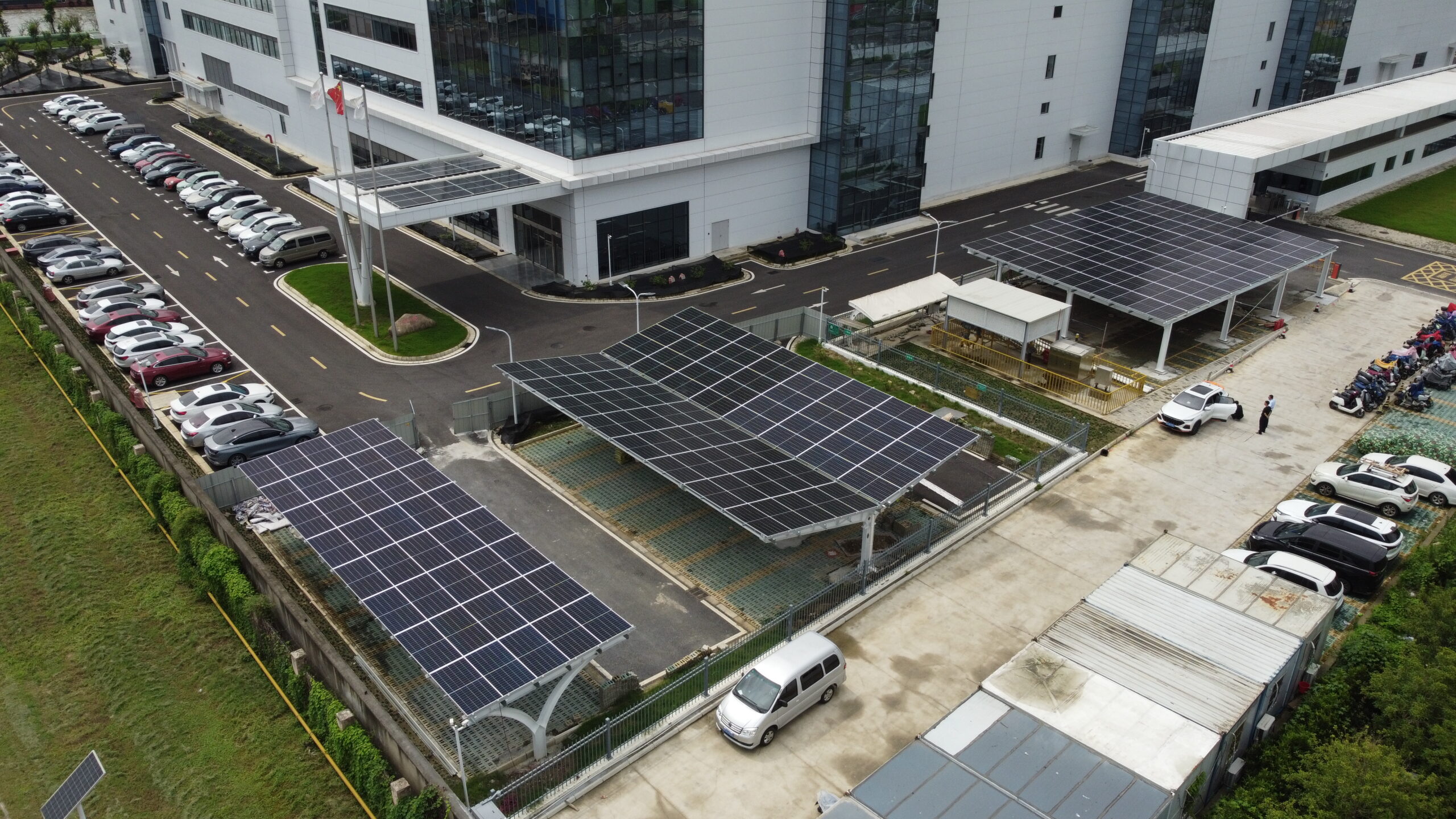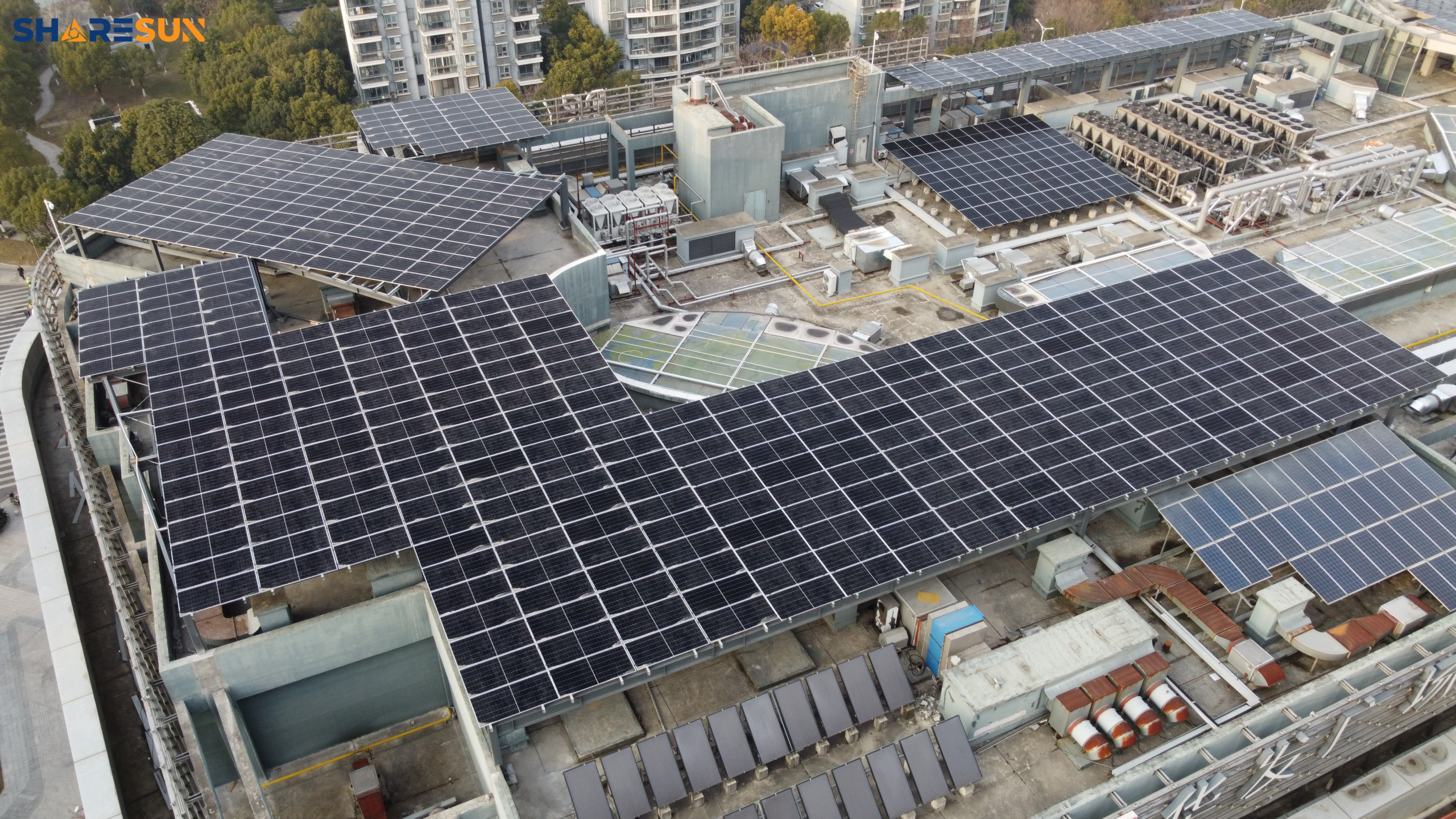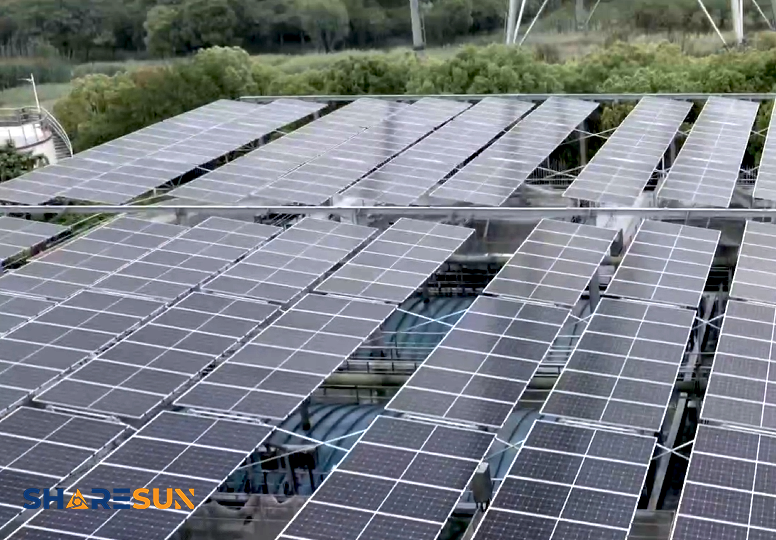
Driven by carbon neutrality goals, solar carports are becoming commonplace in industrial parks, commercial centers, public institutions, and even residential communities. They not only provide shade and rain protection for vehicles but also generate green electricity through solar panels, reducing energy costs. Yet for first-time users, questions arise: How exactly should a solar carport be constructed? Do the common “carport kits” include installation services? These questions often leave people perplexed.
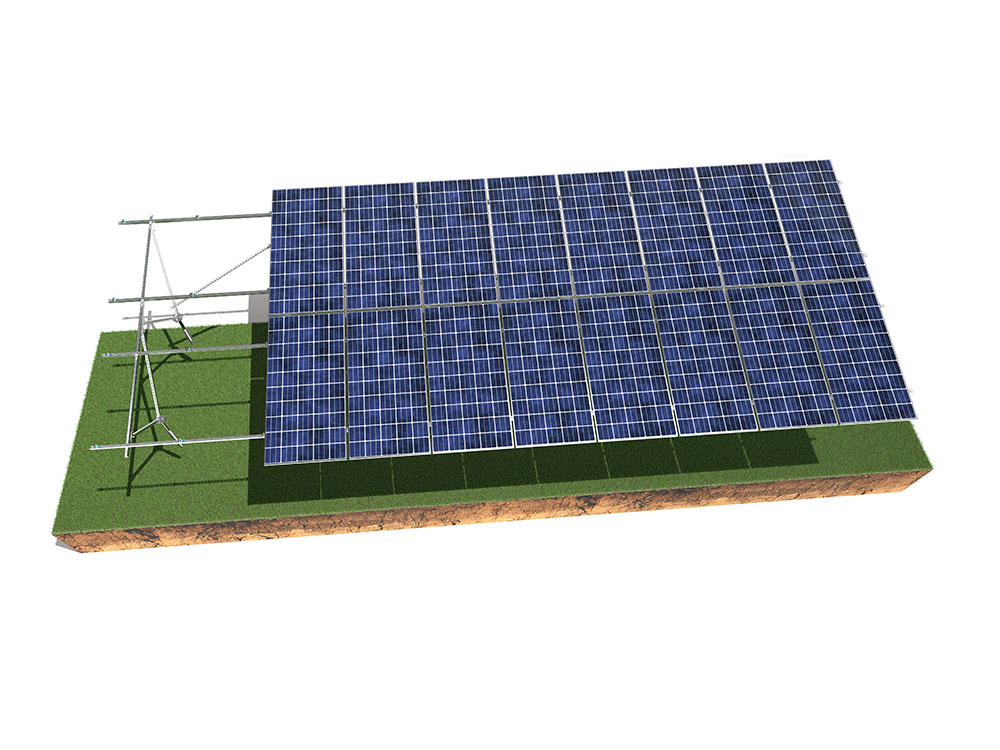
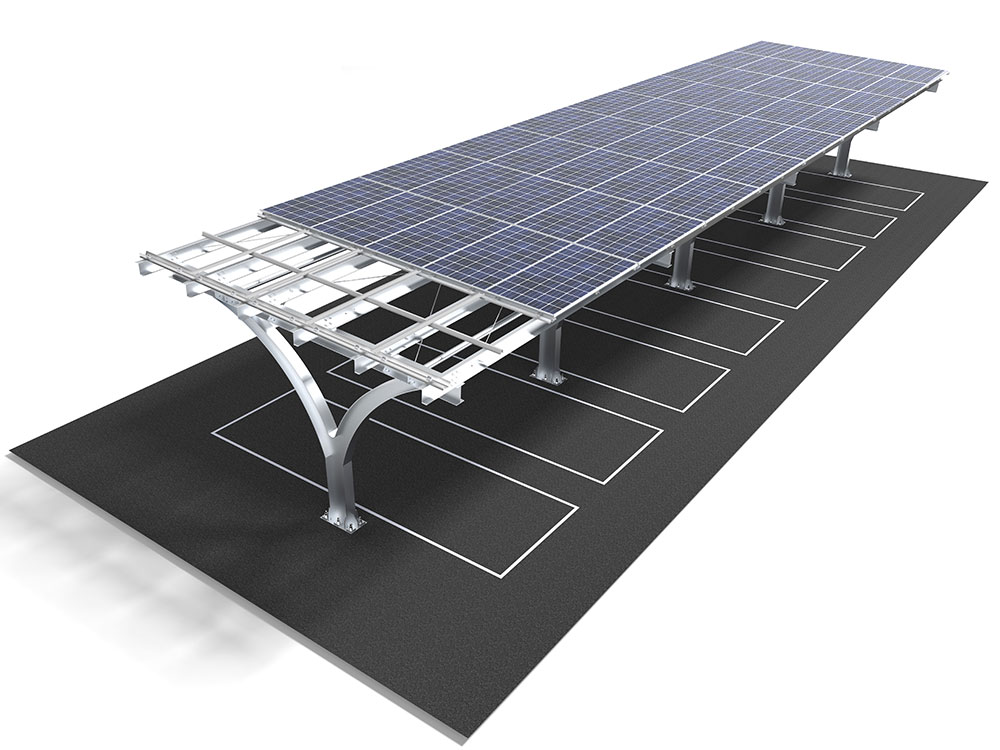
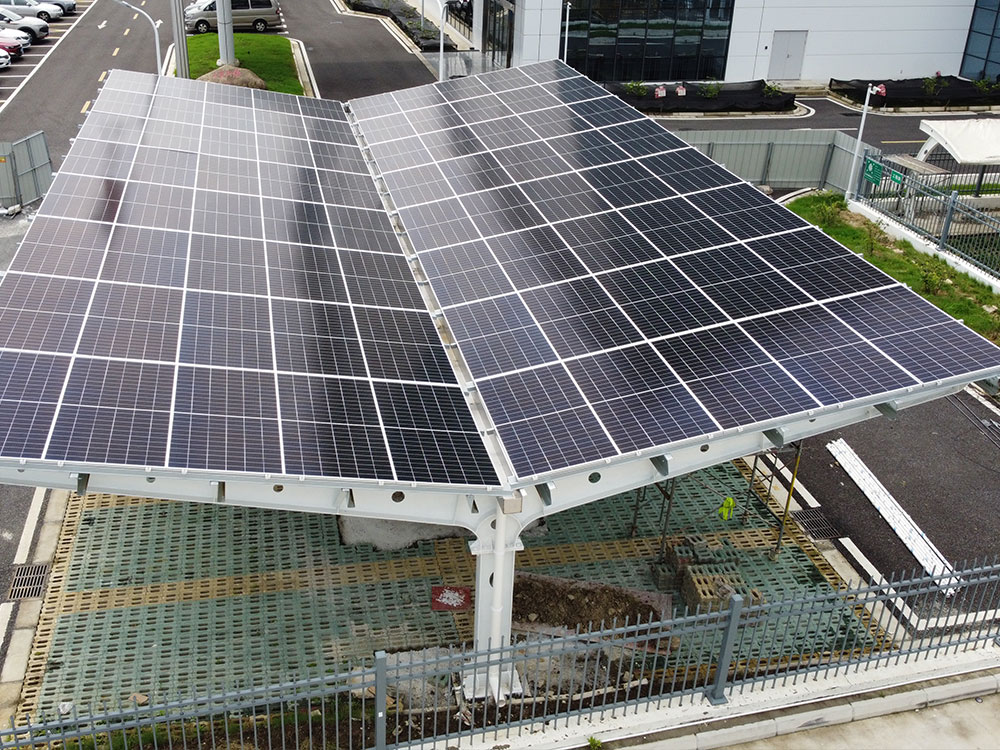
The construction of a solar carport is a systematic project, primarily divided into four stages: design planning, structural construction, solar system installation, and grid connection commissioning. The design planning stage requires comprehensive consideration of site conditions, carport orientation, solar angle, load requirements, and other factors to determine the structural form of the carport frame and the layout plan for solar panels. Common support structures include single-column cantilevered, double-column supported, and multi-span truss designs, typically made of aluminum alloy or hot-dip galvanized steel. These must meet local climate requirements for wind resistance, snow load capacity, and corrosion resistance. Professional designs integrate electrical planning, pre-routing cables and positioning inverters and distribution boxes to avoid future modifications.
Many suppliers offer “solar carport support packages,” typically referring to structural material kits comprising standardized components like columns, beams, purlins, and connectors. Whether such products include installation depends on the supplier’s specific service scope. The market currently offers three primary models: 1. Structure-only supply, where users arrange their own installation crews. 2. “Materials + Technical Guidance” service, where suppliers dispatch technicians for on-site installation supervision. 3. Integrated EPC turnkey services covering design, materials, and installation. Users must clarify contract terms before procurement, particularly regarding inclusion of critical processes like foundation construction, electrical connections, and structural hoisting.
For users seeking convenience, integrated services—though higher in cost—eliminate risks associated with coordinating multiple parties. Professional teams design concrete or precast foundations based on geological conditions to ensure structural stability, while also handling solar panel installation and commissioning to guarantee safe, reliable system operation. Opting for self-installation requires meticulous attention to structural load calculations, lightning protection grounding design, and electrical safety standards; hiring teams with solar construction experience is strongly recommended.
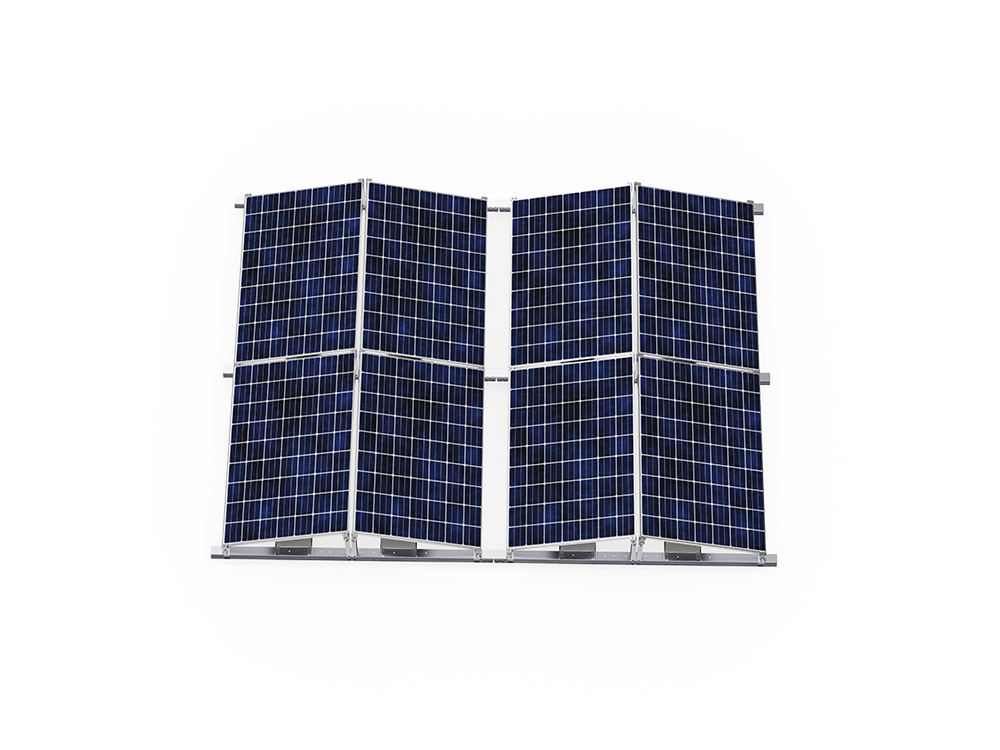
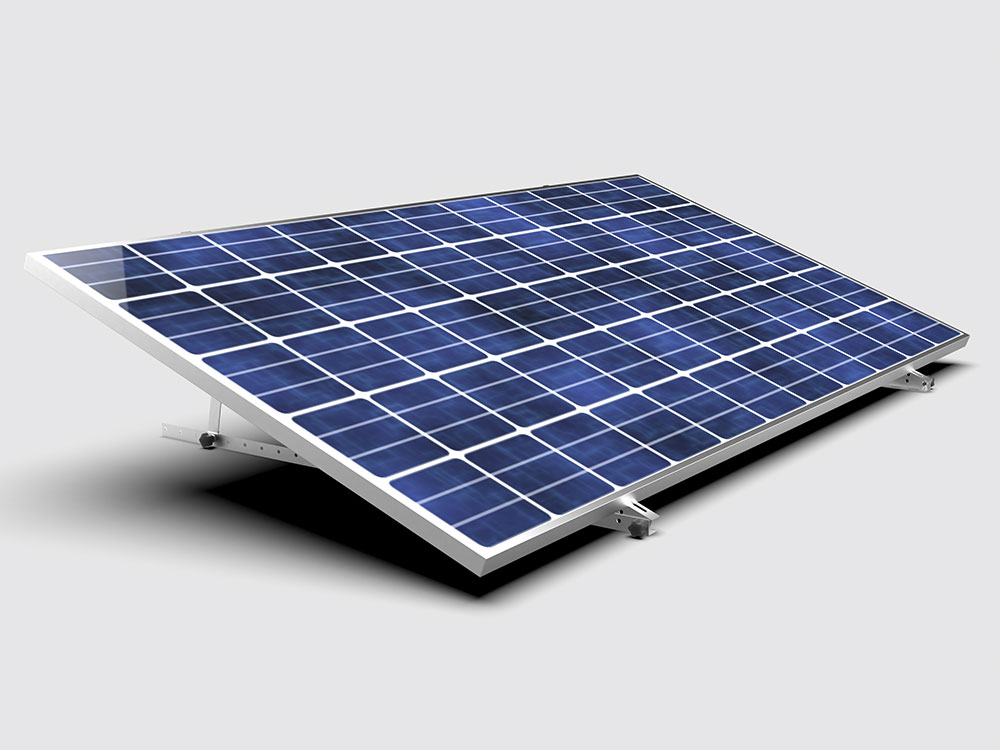
The core of solar carport construction lies in balancing structural safety with power generation efficiency. A well-designed system should accommodate both the comfort of the shaded space and the operational convenience of the solar array. Examples include increasing the roof pitch to boost energy yield, incorporating cleaning access pathways, and planning for future integration of electric vehicle charging stations. As solar carport technology matures, innovative solutions like flexible mounting systems and adjustable-angle brackets have emerged, offering users greater flexibility.
Overall, solar carport construction requires professional planning and construction support. When advancing projects, users should prioritize service providers with structural design qualifications and solar system integration experience. Clearly define the scope of services for bracket kits and select appropriate collaboration models based on individual needs. A qualified solar carport serves not only as a green power source but also as a spatial carrier of sustainable concepts, endowing parking spaces with new value and functionality.
For more information, click here: Contact Us