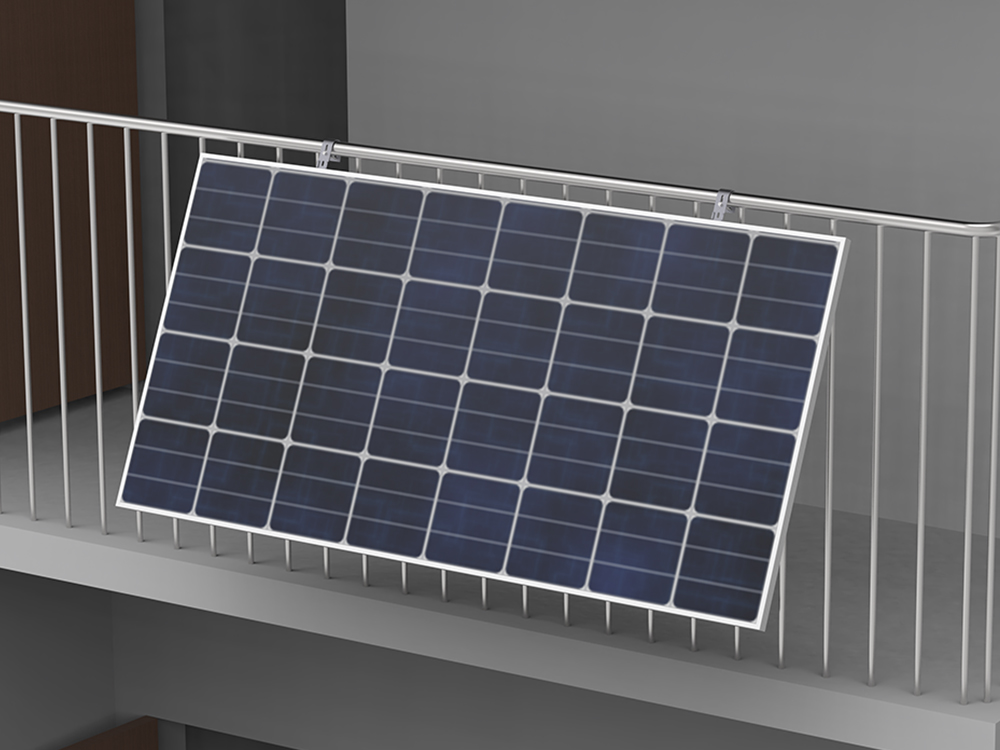
In solar energy systems, mounting structures bear the responsibility of securing solar panels and ensuring their safe, stable operation. Though they may appear to be mere steel components, the selection and installation quality of these structures directly impact the long-term profitability and safety of the power plant.
Material-wise, solar mounting structures primarily fall into two categories: hot-dip galvanized steel and aluminum alloy. Steel mounts offer high strength at moderate cost, with hot-dip galvanization meeting 25-year corrosion resistance requirements. Aluminum alloy mounts are lightweight with superior corrosion resistance, making them ideal for load-sensitive applications like rooftops. Regardless of material, targeted corrosion protection design must be tailored to the project site’s environmental conditions. In areas with severe industrial pollution or coastal high-salt-fog exposure, corrosion resistance standards must be correspondingly elevated.
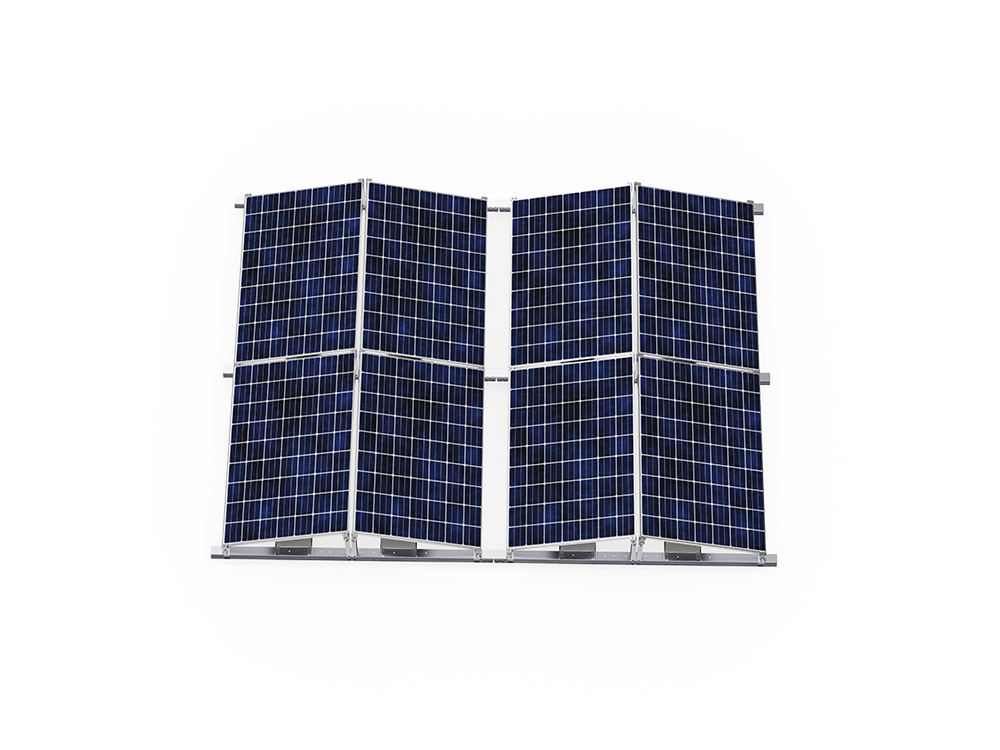
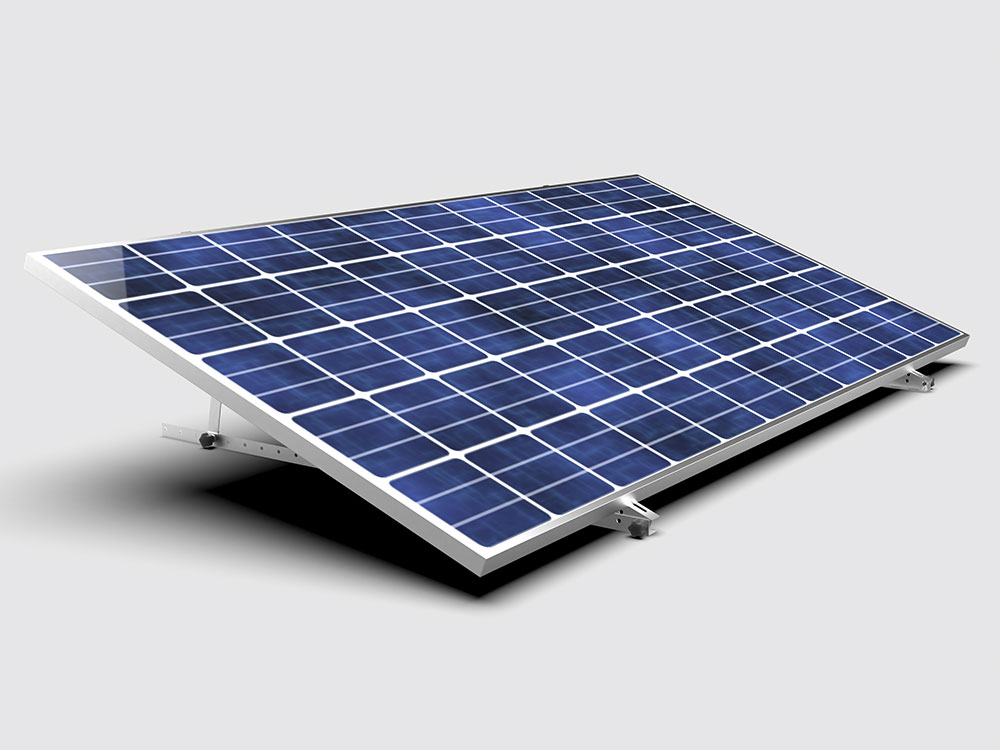
Structurally, solar mounts fall into two main categories: fixed mounts and tracking mounts. Fixed mounts utilize a fixed tilt angle installation, featuring simple structure and zero failure rate, making them the most widely adopted type. Tracking mounts, on the other hand, use motors to adjust panel angles in real time, enhancing power generation but also requiring higher costs and maintenance. In recent years, a new type of flexible mounting system has emerged. Utilizing a prestressed cable structure, it enables large-span, high-clearance installations, opening up entirely new possibilities for solar applications in complex scenarios.
Essential Pre-Installation Step: Site Assessment
Installing solar mounting systems isn’t a simple matter of “just putting them up.” A comprehensive “health check” of the installation site is mandatory.
For rooftop solar installations, the first step is to assess the roof’s load-bearing capacity. Per industry standards, flat concrete roofs must support at least 2.5 kN/m², while pitched roofs require no less than 2.0 kN/m². Next, consider the roof’s remaining lifespan—installing solar panels on an aging, leaking roof may accelerate deterioration. Orientation and shading are also critical: south-facing roofs are optimal, and ensure no tall trees or buildings cast shadows during daylight hours.
For ground-mounted stations, topography and geological conditions are critical. In mountainous or hilly areas with significant elevation changes, traditional mounting structures require extensive pile foundations and earthwork, which are costly and may harm the environment. Flexible mounting systems, however, adapt to terrain without altering the original landscape.
Additionally, whether for rooftop or ground installations, grid connection registration must be completed in advance. Construction can only commence after obtaining the grid access approval. While these preliminary steps may seem cumbersome, they form the foundation for ensuring the power plant’s legal compliance and long-term stable operation.
Diverse Applications: Support Structures in Different Scenarios
The application scenarios for solar support structures are continuously expanding, extending beyond conventional rooftops and ground installations to various previously unimaginable locations.
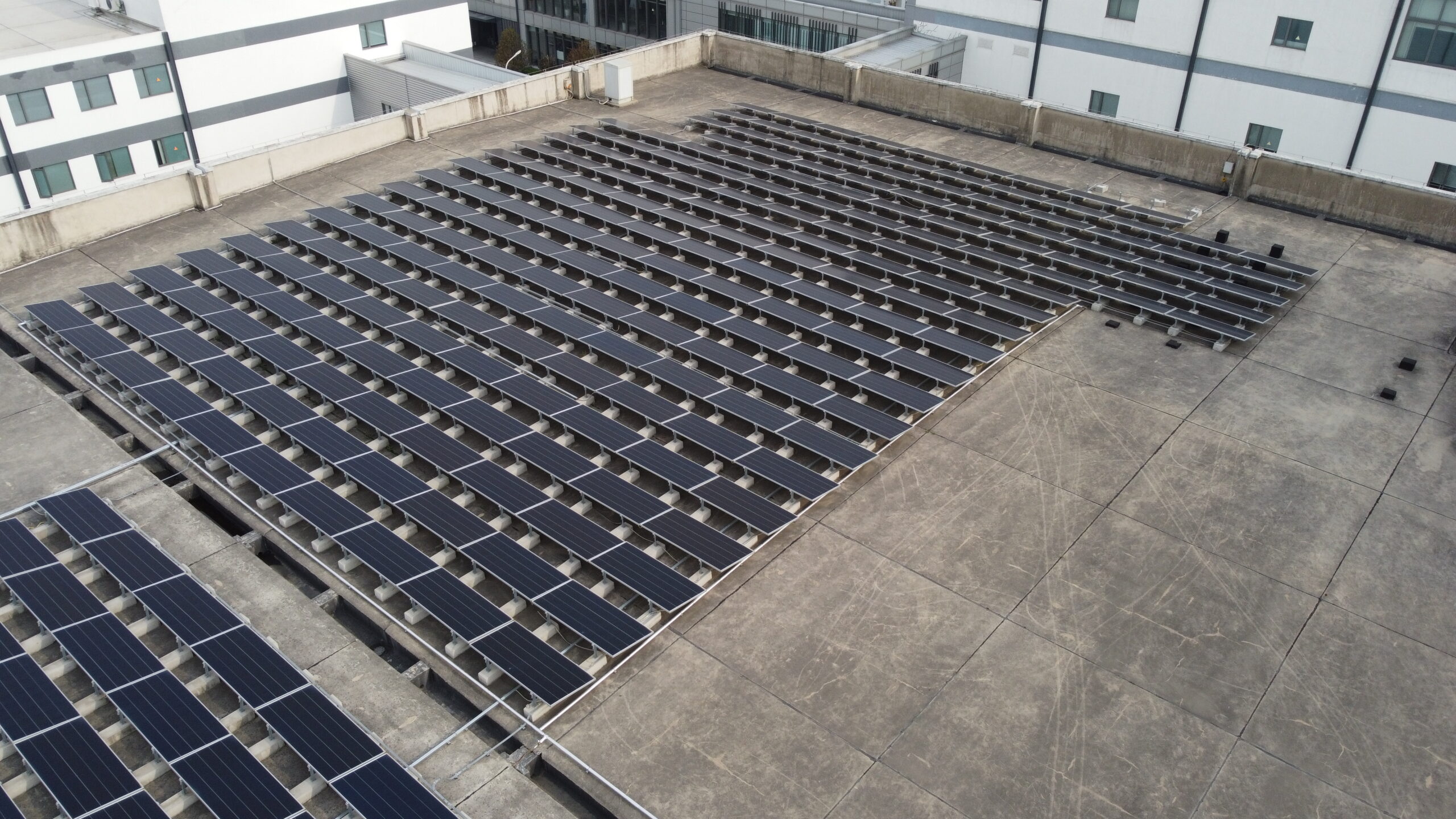
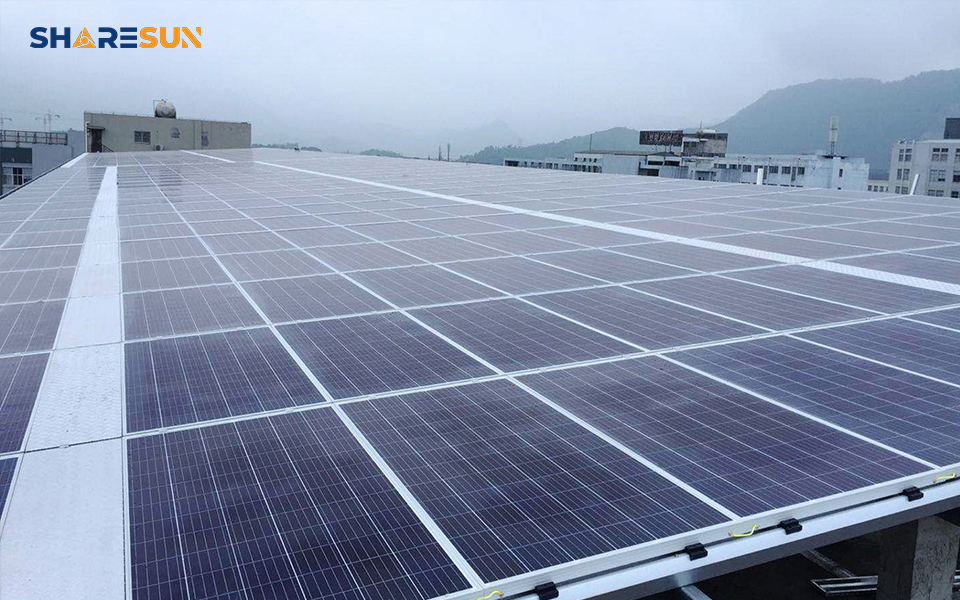
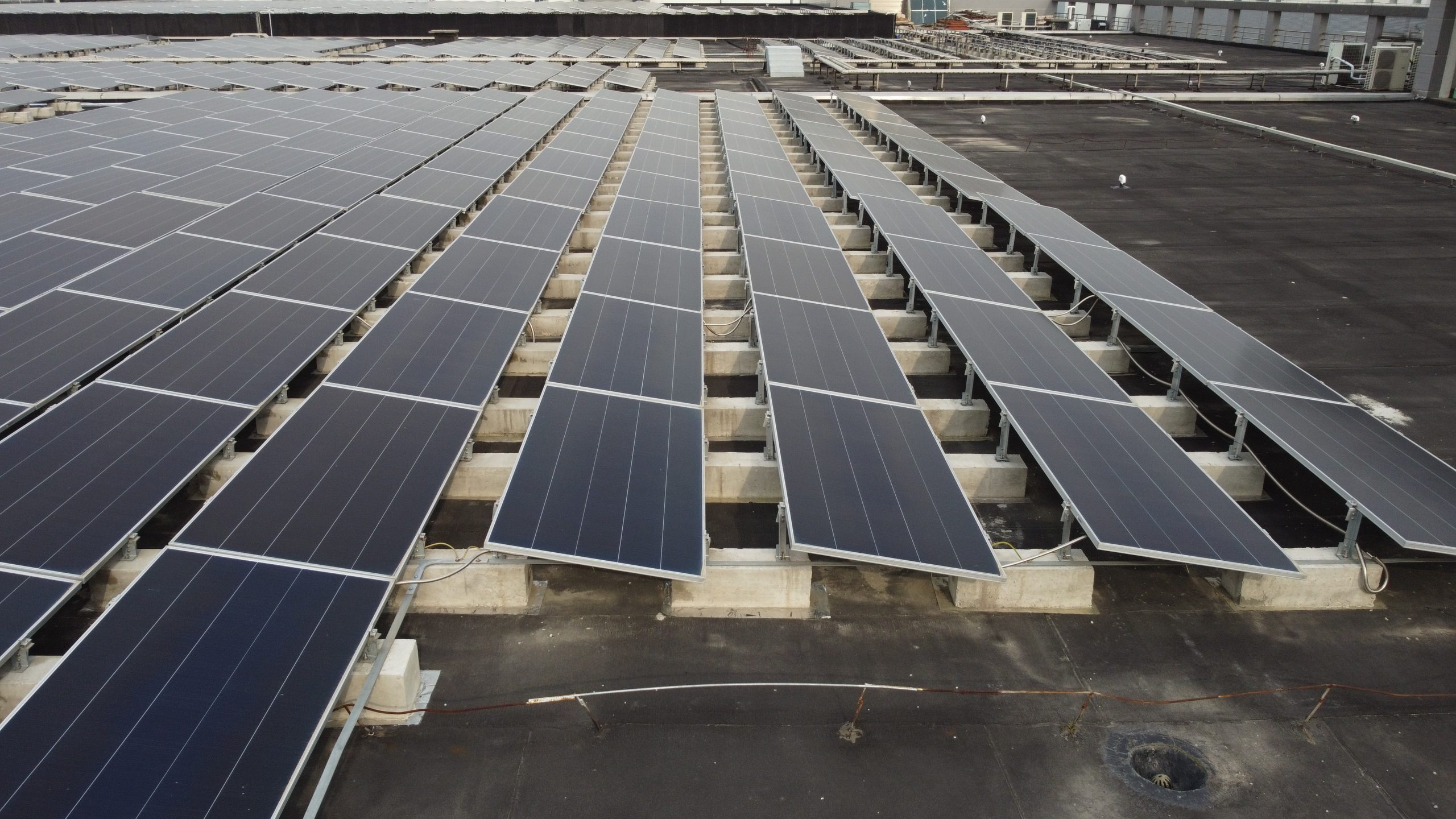
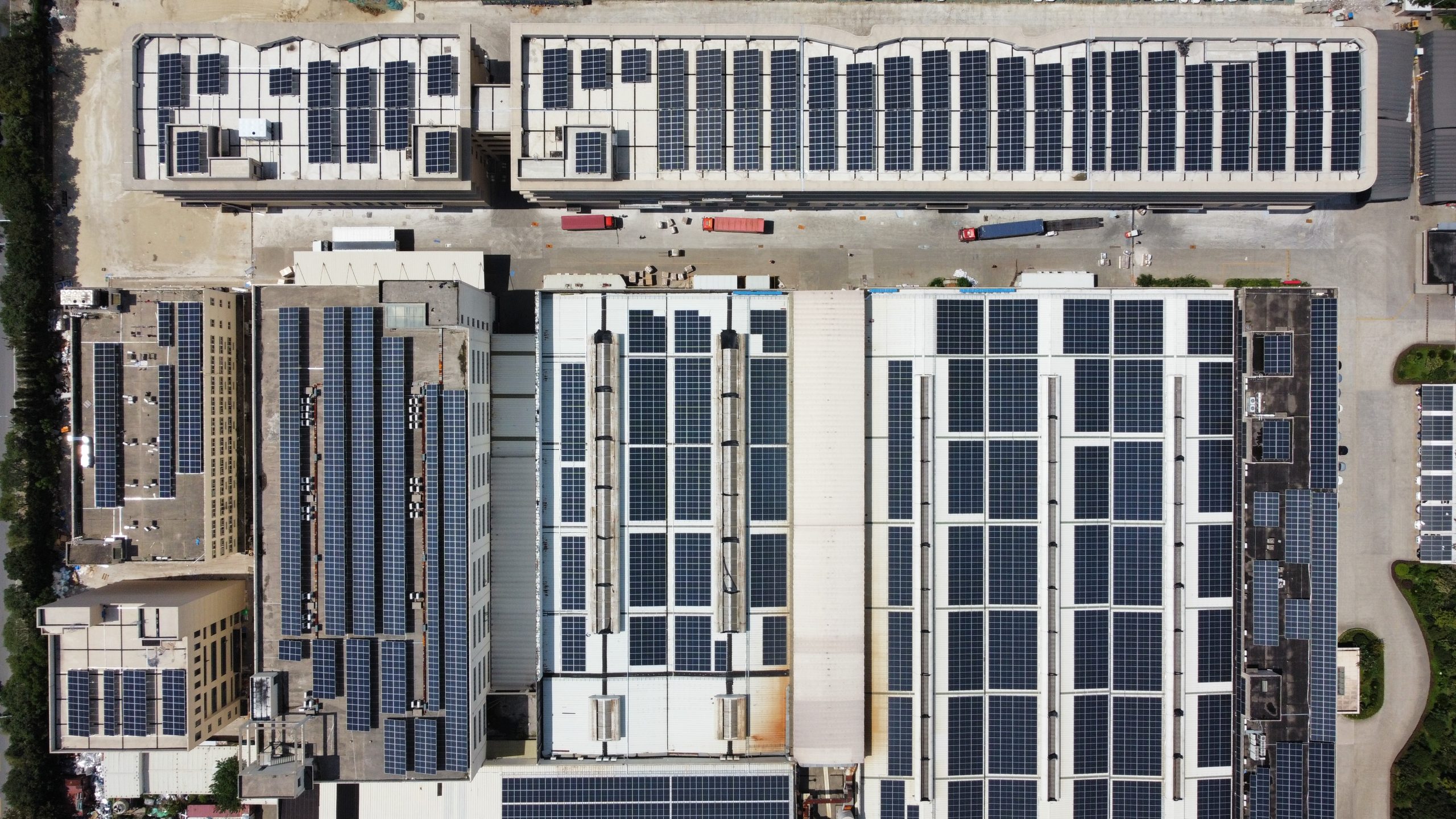
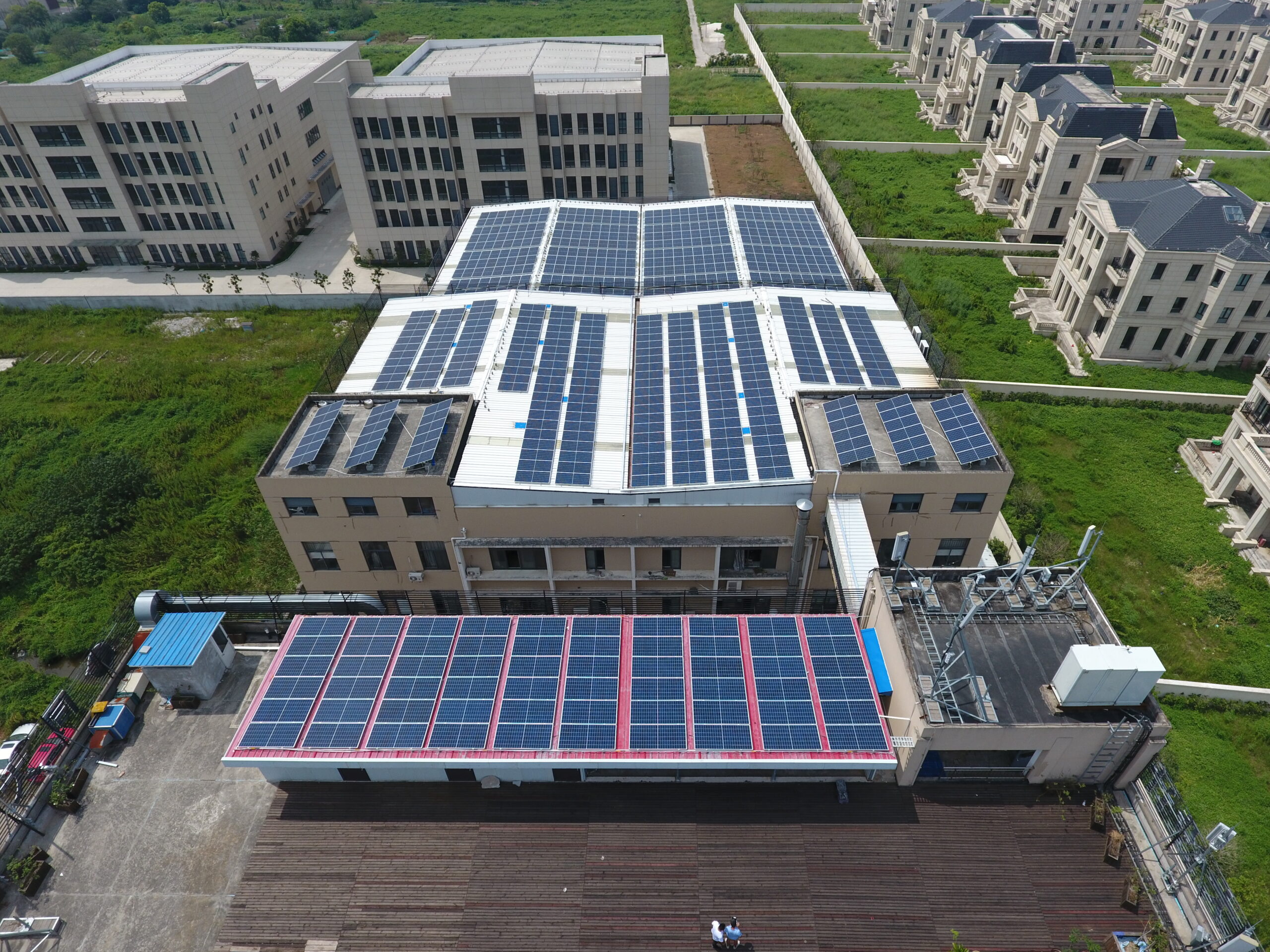
Roof-mounted solar remains the primary form of distributed solar energy. On concrete flat roofs, ballasted mounting systems are typically used, secured with concrete pedestals to avoid compromising roof waterproofing. For corrugated steel roofs, specialized clamps fix the system to the roof panels, preventing drilling and potential leaks. During installation, careful attention must be paid to panel spacing to optimize power generation efficiency while ensuring sufficient access for future maintenance.
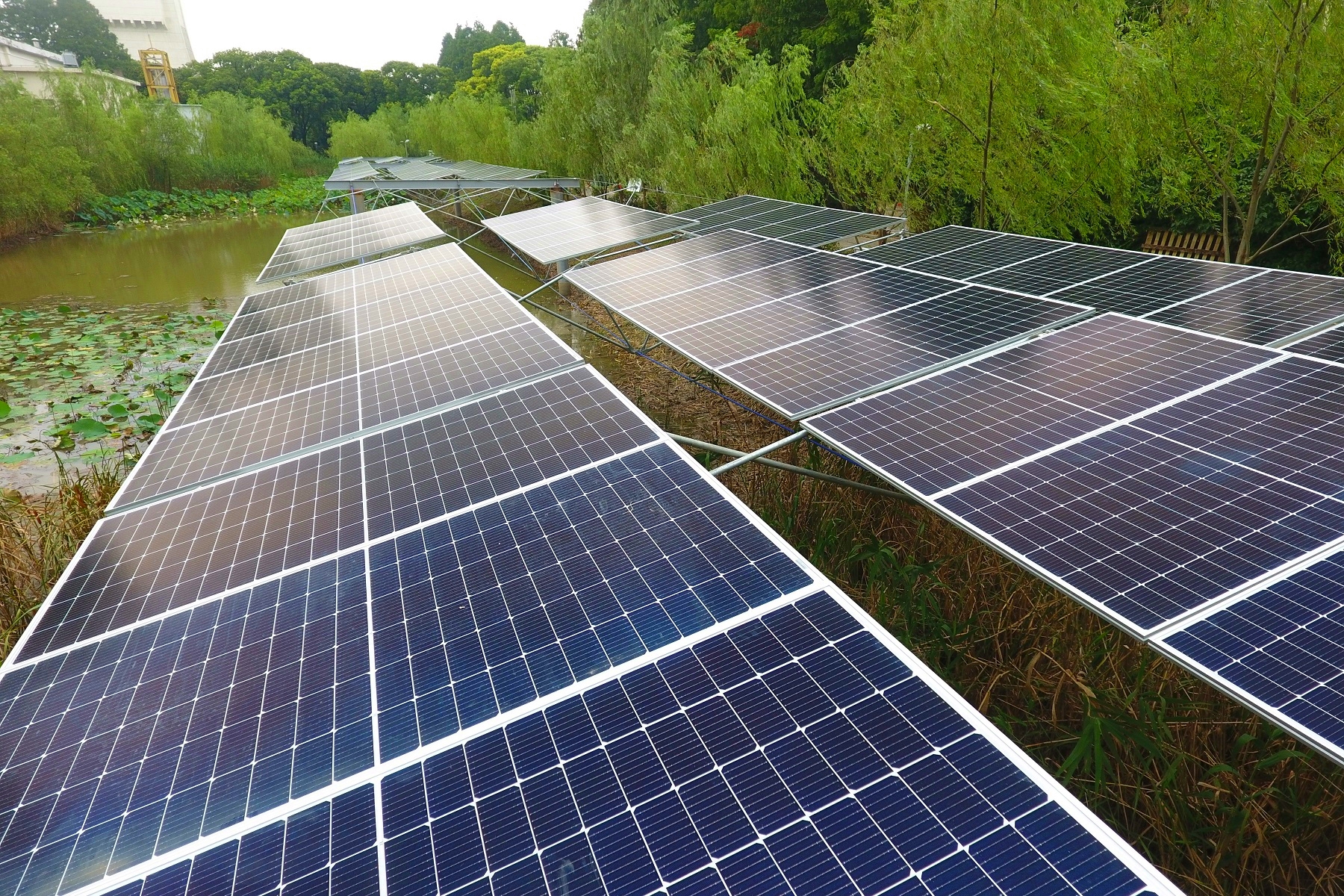
Water-surface solar has gained prominence in recent years. Above the bioreactors at wastewater treatment plants and water purification facilities, traditional mounting structures cannot span tanks tens of meters wide. Flexible mounting systems have elegantly solved this challenge. By installing edge columns at both ends of the tank and tensioning prestressed cables across the center, large-span coverage is achieved. Solar panels suspended above the water do not interfere with treatment operations while also suppressing algae growth and reducing water evaporation. The industrial wastewater treatment plant in Bali Town, Yangzhou, serves as a prime example. Utilizing a flexible three-cable support structure, it achieves an installed capacity of 3.68 megawatts, with the generated electricity fully meeting the plant’s power demands.
Mountain solar has long been a challenge. Steep slopes and rugged terrain make pile foundation construction for traditional mounting structures both difficult and environmentally disruptive. Shaanxi Investment Group pioneered flexible mounting technology in its Shangluo mountain solar project, achieving 2.1 MW of installed capacity on just 19 mu (approximately 3.2 acres) of land—saving 30% to 50% more space than conventional solutions. Panels suspended above ravines allow vegetation to thrive below, truly realizing dual-purpose land use.
Industrial parks are also unlocking new potential. Previously, solar panels were limited to rooftops, which often had insufficient area or load-bearing capacity. Now, flexible supports can span roads, parking lots, and storage areas within industrial parks, transforming these idle spaces into power generation sites. At the Fujian Quangang Petrochemical project, flexible supports achieved a maximum span of 70 meters and a clearance exceeding 12 meters, allowing heavy trucks to pass freely beneath without disrupting production operations.
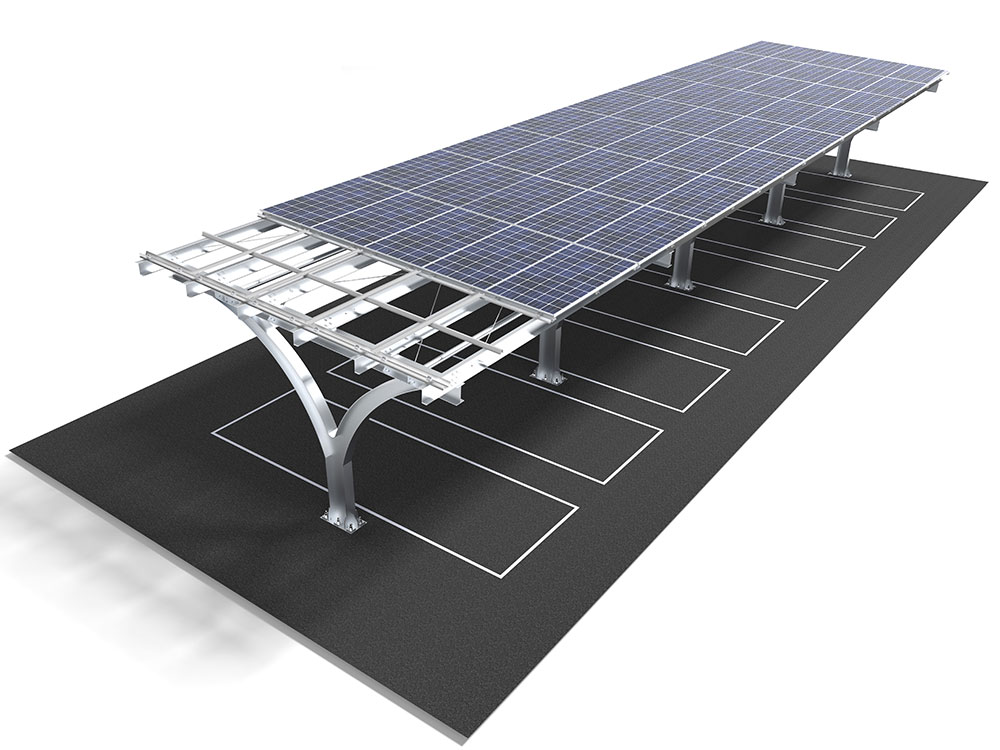
Solar carports represent another common application. Conventional carport solar systems use steel columns with sloped beams, providing both parking and power generation. Flexible supports enable more open, larger-span carports, offering shaded charging areas for heavy trucks, buses, and other large vehicles.
Installation Essentials: Details Determine Success
Solar support installation appears straightforward but demands meticulous attention to detail.
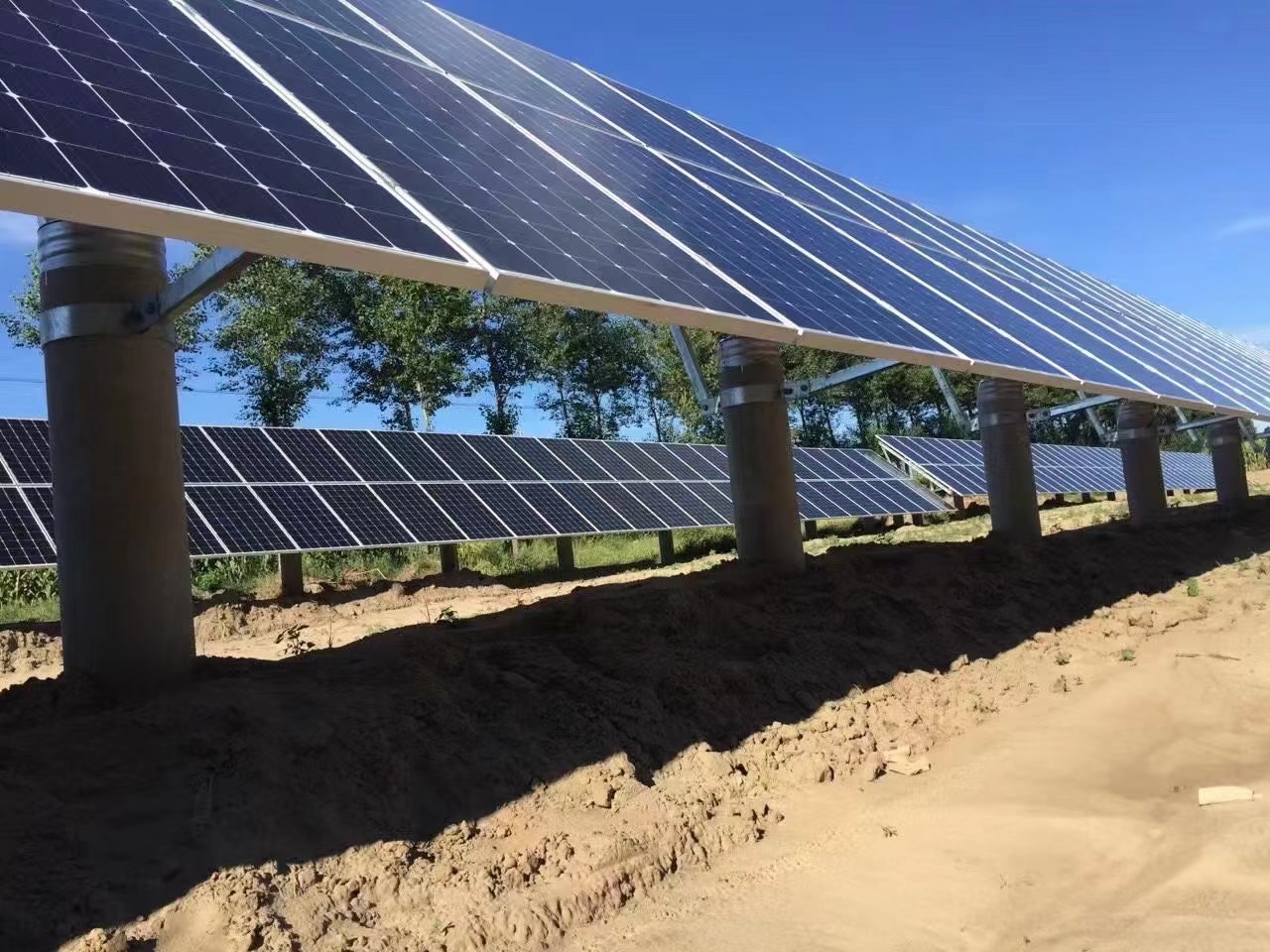
Foundation construction must ensure stability. Whether using concrete foundations or screw piles, they must meet design depth and strength requirements. Special reinforcement measures are required for soft soil foundations or areas with subsidence.
Structure assembly demands precision. Column verticality, beam horizontality, and module tilt angle must all be controlled within permissible tolerances. For flexible structures, prestressing is a critical process—tension levels directly impact structural stability and wind resistance.
Anti-corrosion treatment is non-negotiable. Any damage to the galvanized coating on steel components during installation must be retouched. Connection bolts should be stainless steel or hot-dip galvanized to prevent rust.
Lightning protection grounding must be fully implemented. Reliable electrical connections between support structures are required, with the entire system grounded to safely divert lightning currents into the earth.
Handle modules with care during installation. Solar panels are glass products; avoid applying uneven stress to prevent micro-cracks. Use specialized clamps or fixtures for securing modules, ensuring torque meets specifications.
O&M Assurance: Keeping Mounting Structures Operational for 25 Years
Mounting installation marks the beginning, not the end—the true goal is 25 years of stable, long-term operation.
Regular inspections are essential. Conduct inspections at least twice annually, focusing on bracket corrosion, bolt loosening, and foundation settlement. Perform immediate post-extreme-weather checks and address any hazards promptly.
For flexible mounting systems, regularly test the tension of prestressed cables to prevent component deformation from slackening. In typhoon-prone areas, also monitor the integrity of wind-resistant systems.
When cleaning modules, protect the mounting structure. Avoid direct high-pressure water jets on module frames to prevent coating damage. Exercise caution during snow removal to prevent tools from scratching the anti-corrosion layer.
For residential solar systems, homeowners may engage professional O&M companies or monitor power generation in real-time via mobile apps. Contact service providers promptly upon detecting generation anomalies.
Conclusion
Solar mounting systems, the unsung heroes of solar installations, are gaining increasing prominence as technology advances and applications expand. From traditional rooftops and ground-mounted installations to wastewater treatment plant surfaces, rugged mountain terrain, and industrial parks traversed by heavy trucks, mounting innovations are continually pushing the boundaries of solar power deployment.
For every solar project, mounting system selection and installation require site-specific, scientifically informed decisions. There is no one-size-fits-all solution; only the choice best suited to the specific scenario. When solar panels are securely mounted on the racks and begin producing clean electricity continuously, the racks’ true mission begins—for the next 25 years, they will steadfastly stand their ground, silently supporting every ray of sunlight as it transforms into energy that powers the world.
For professional consultation, please click here: Contact Us