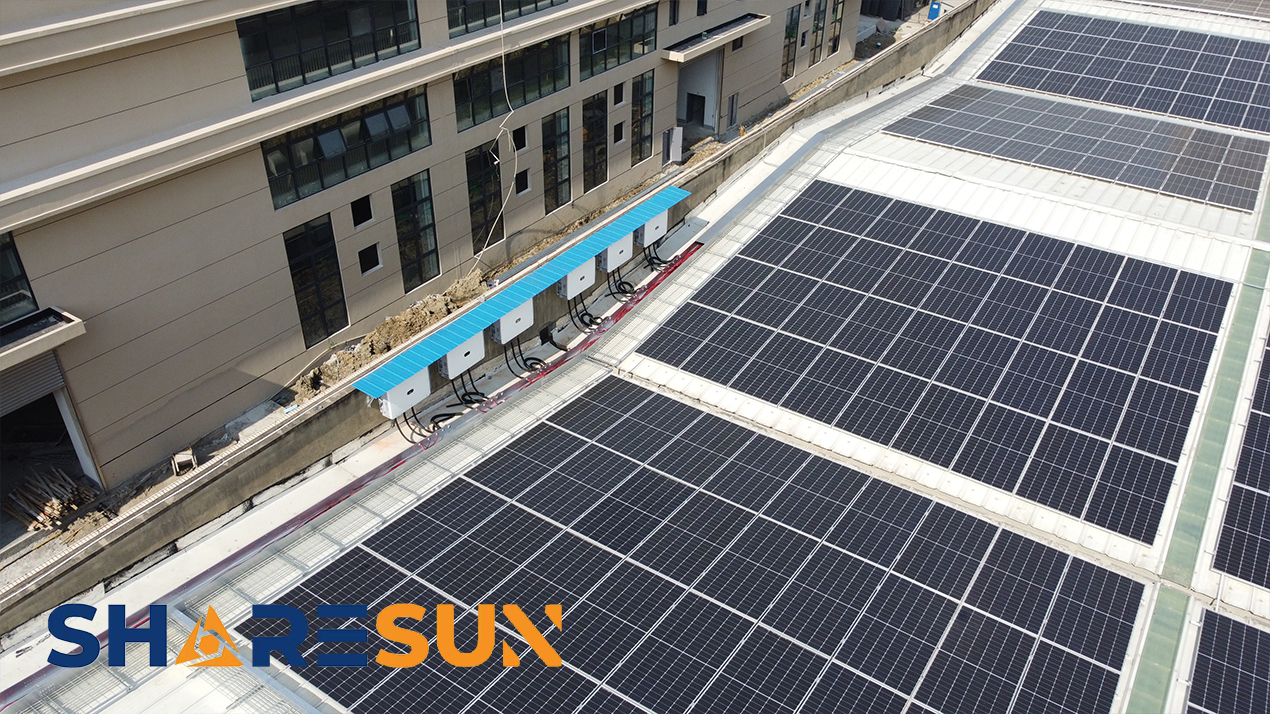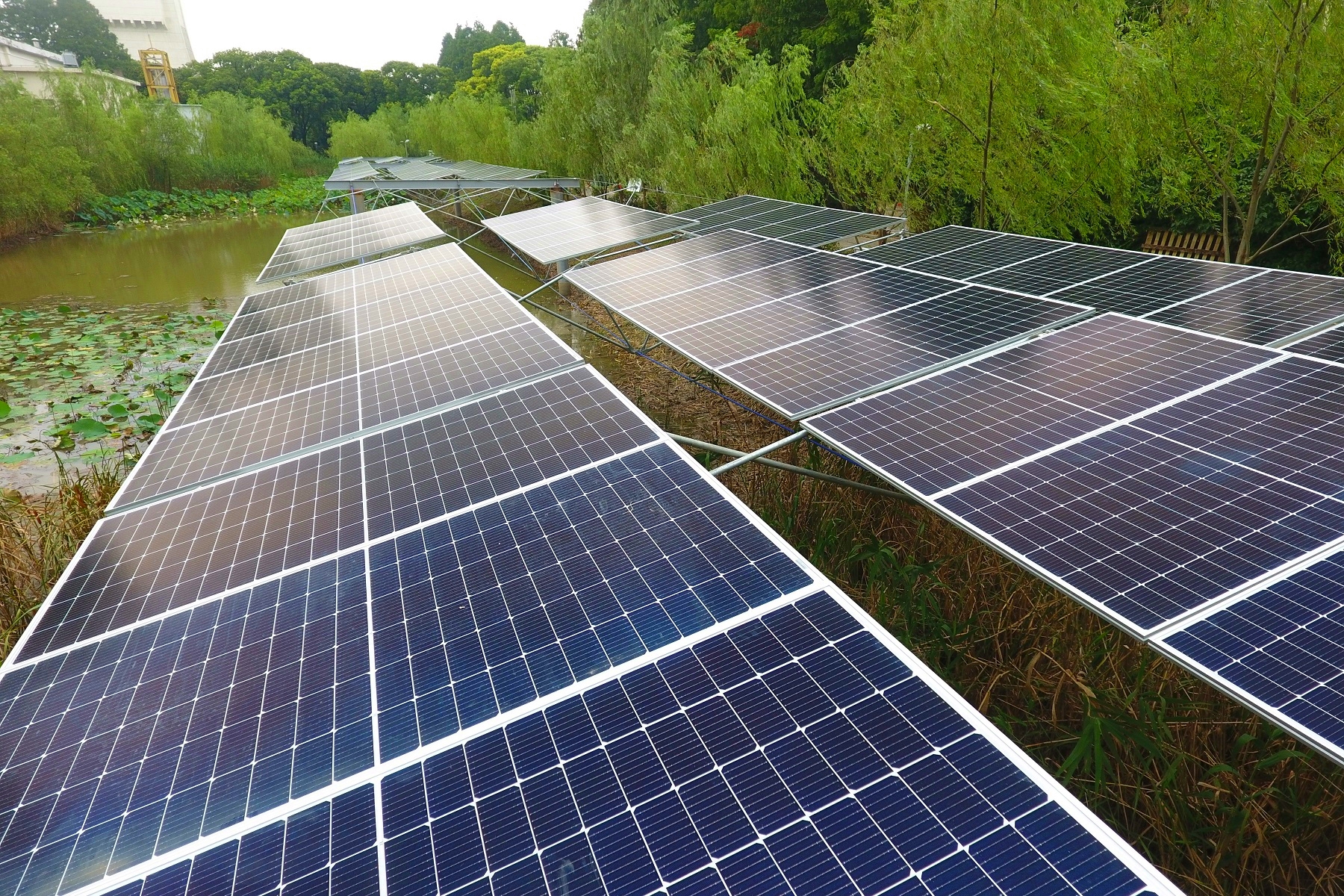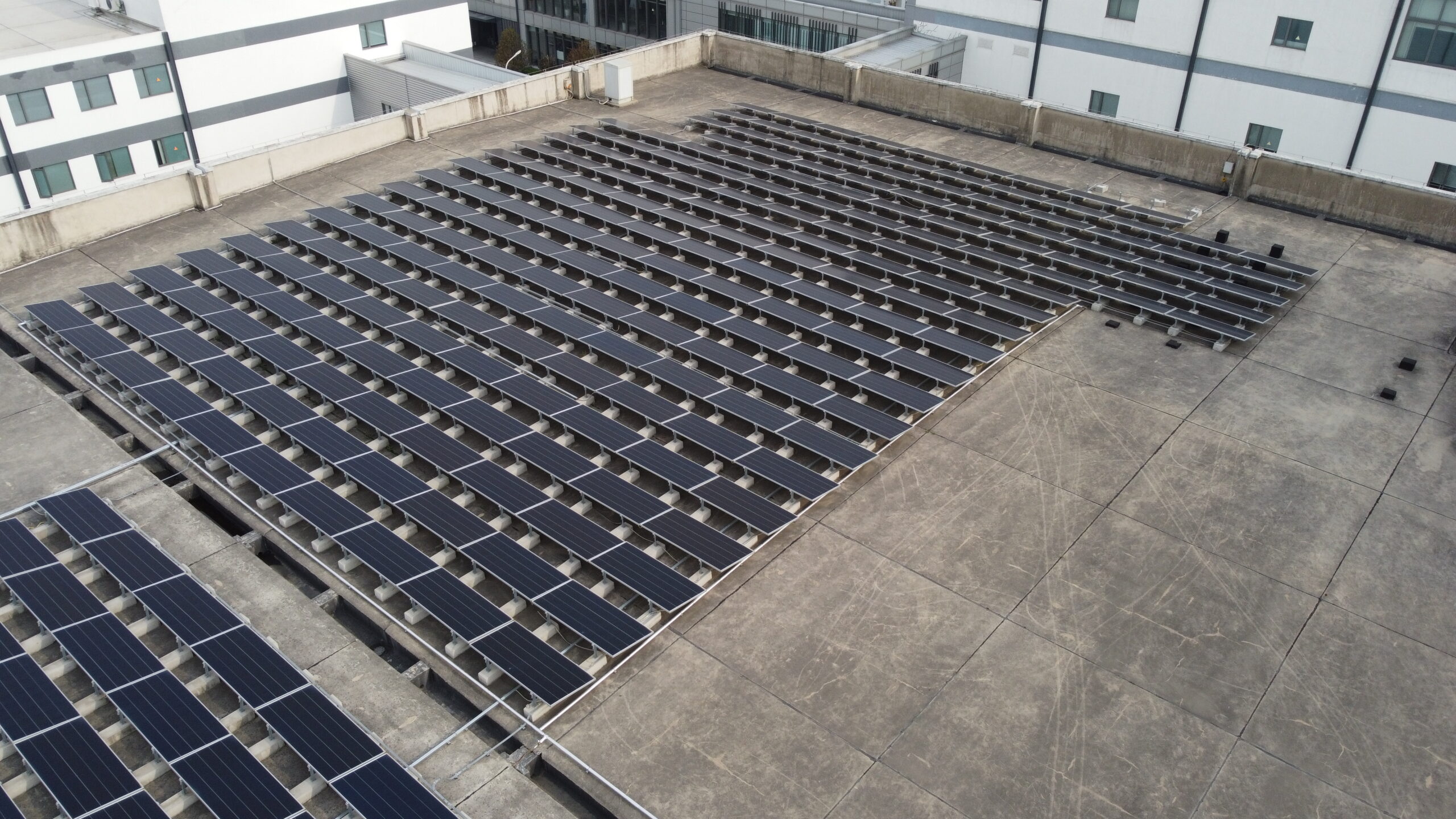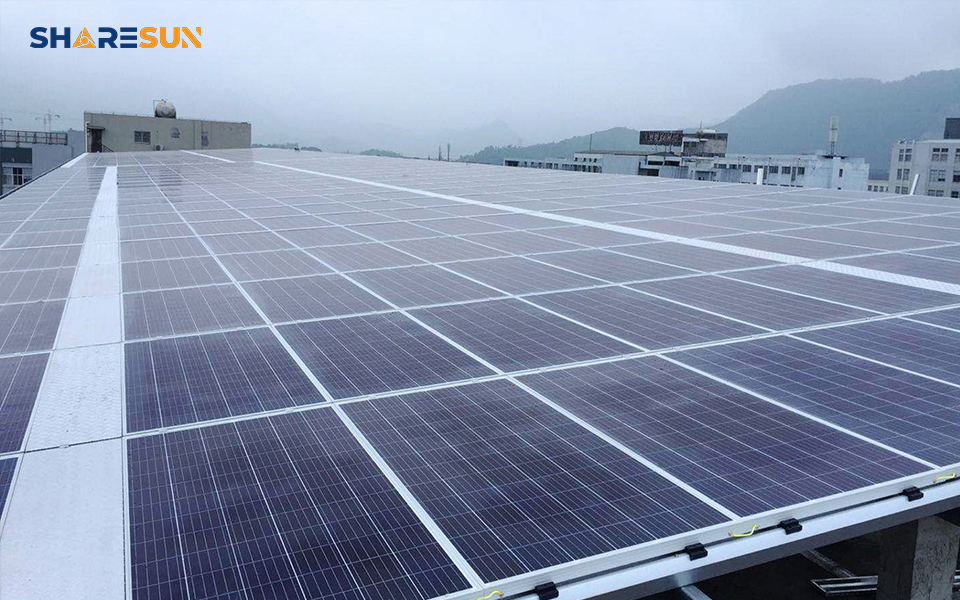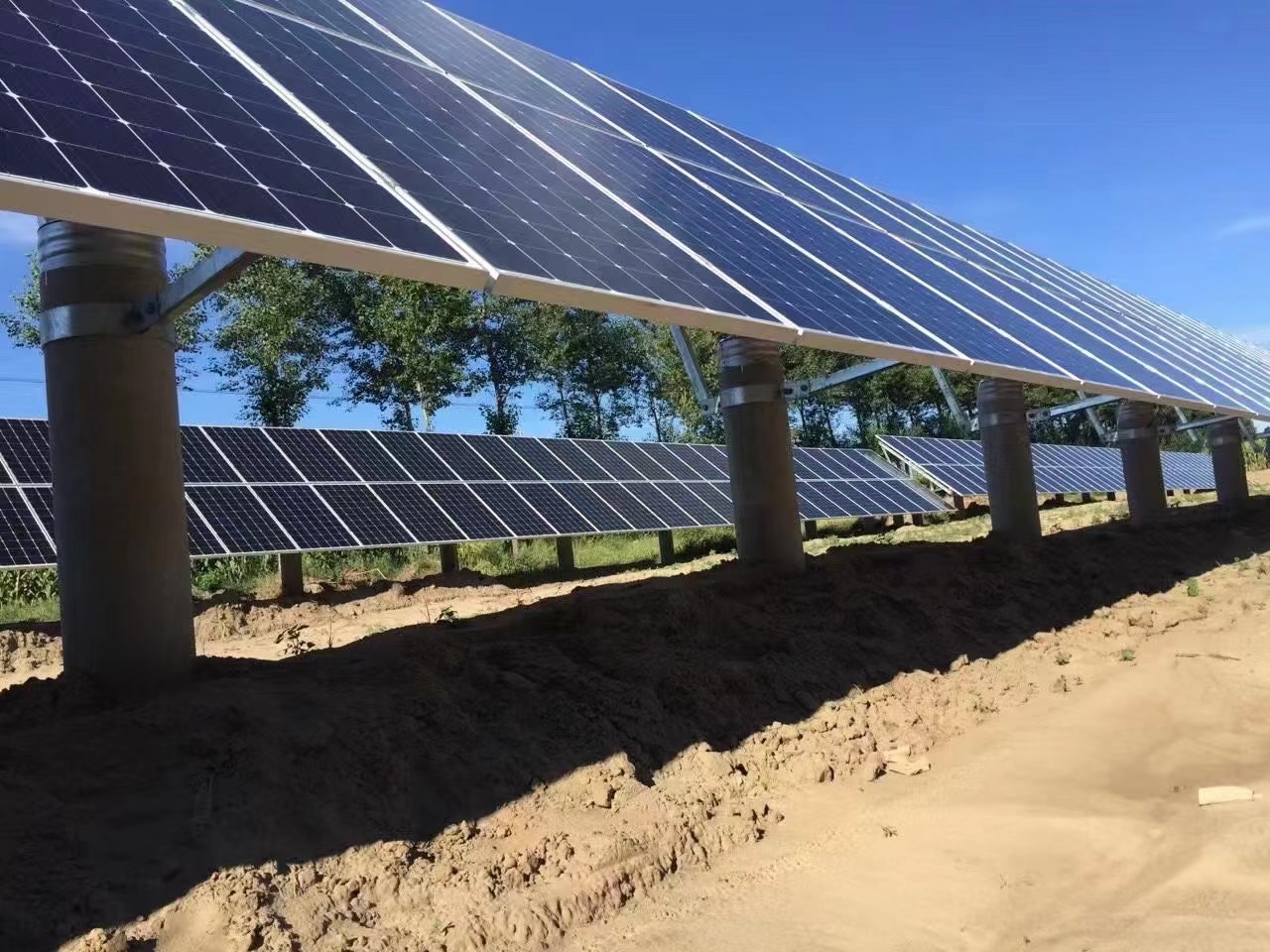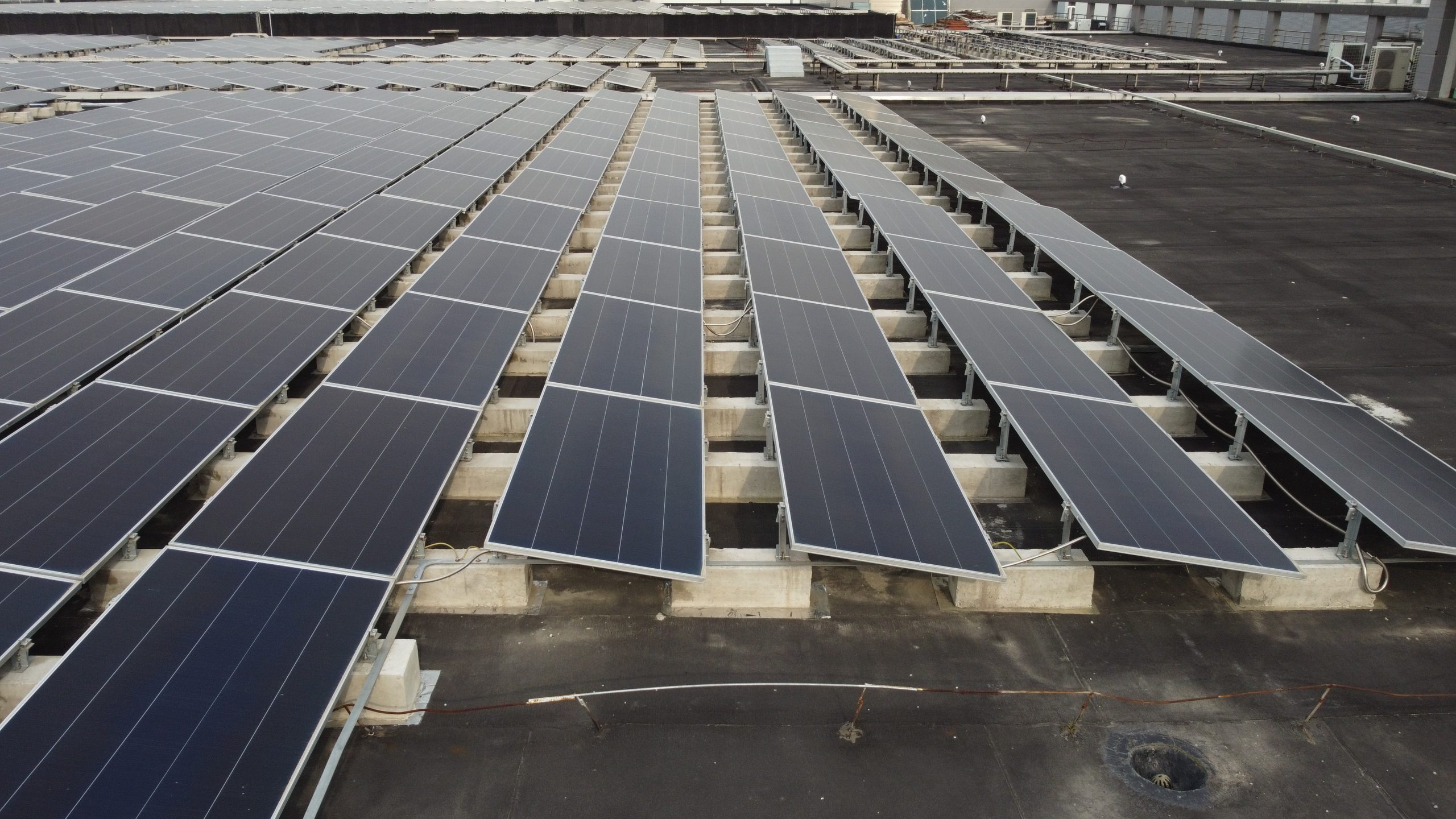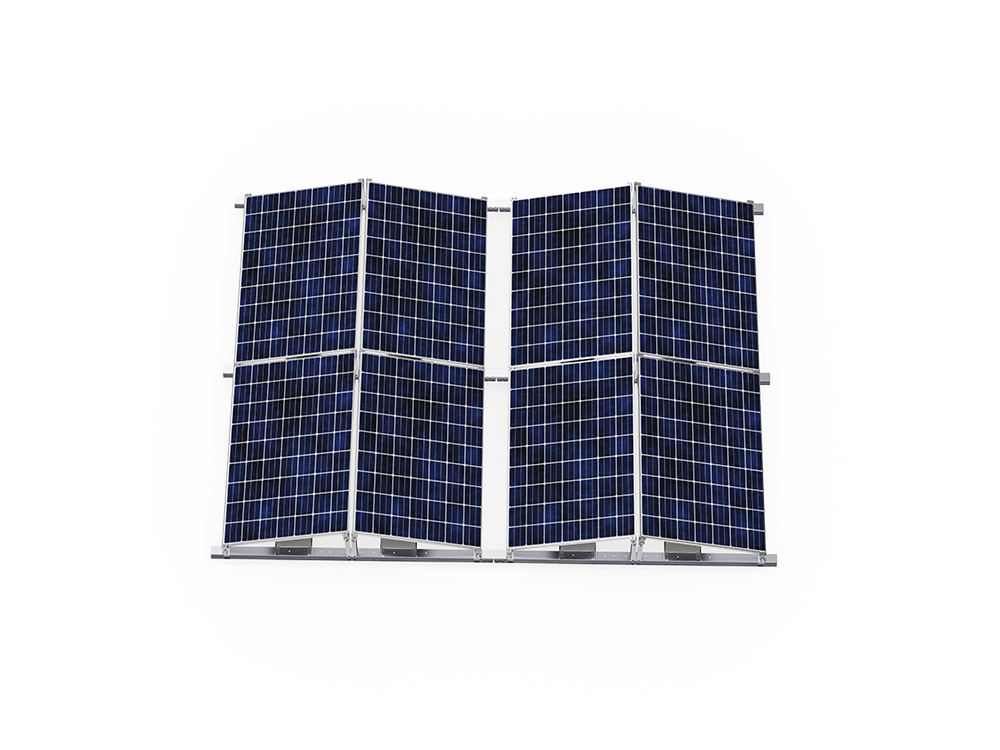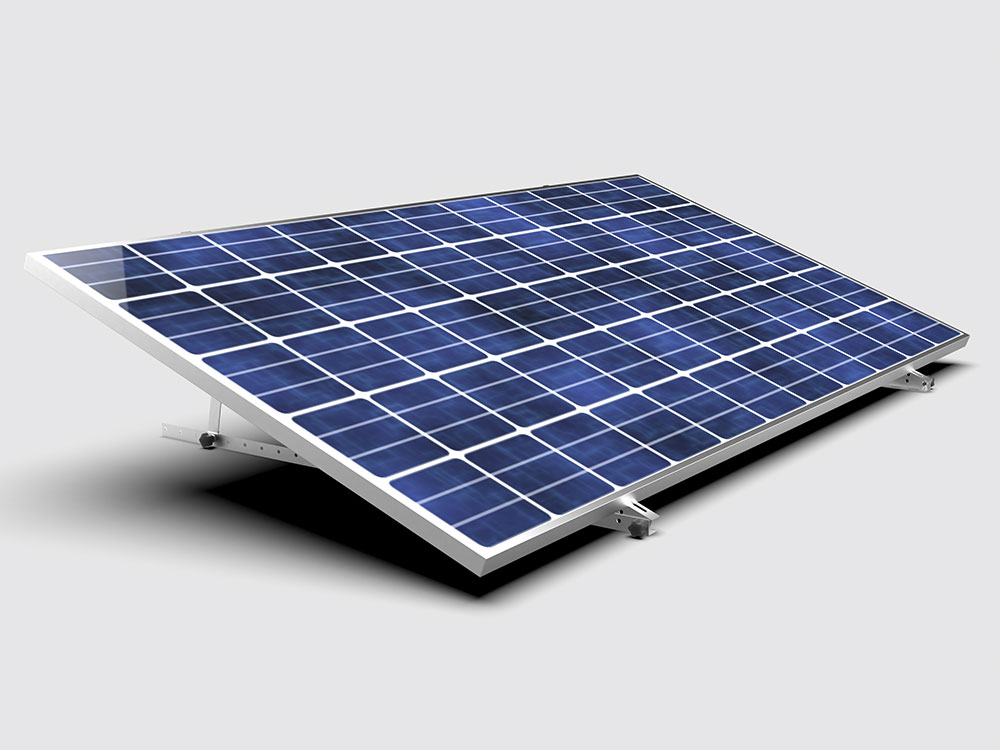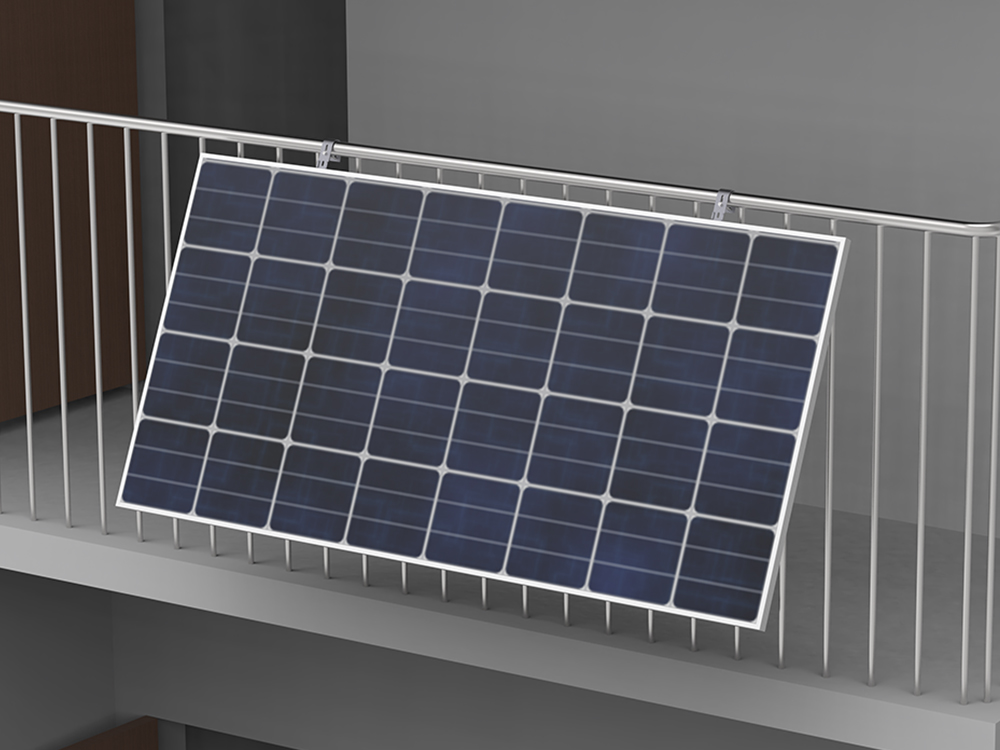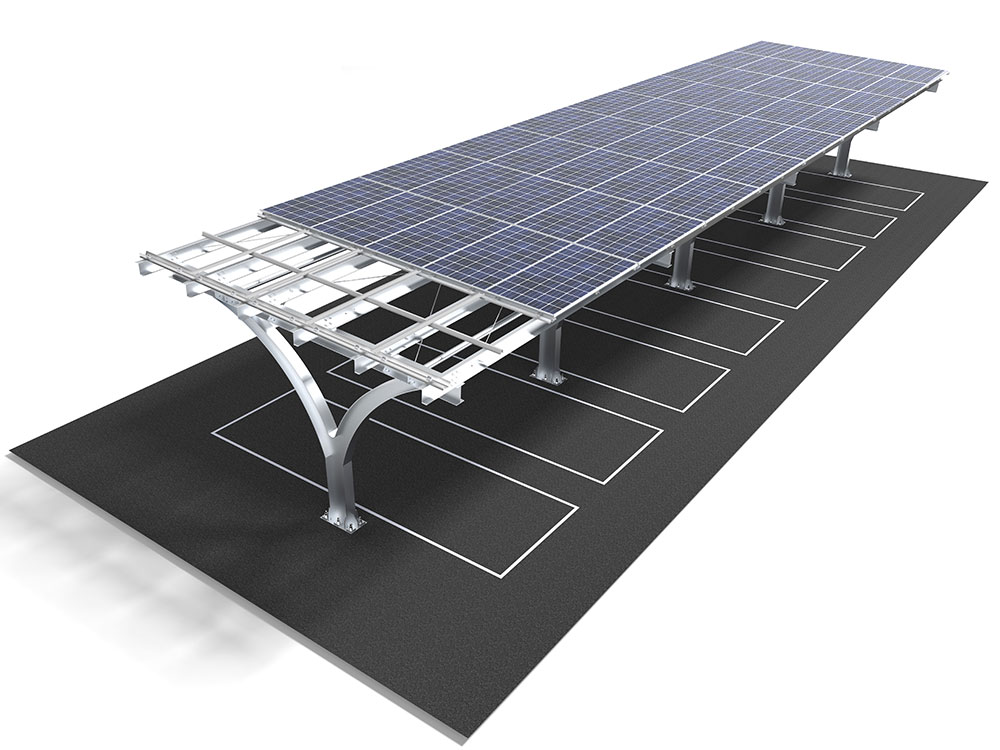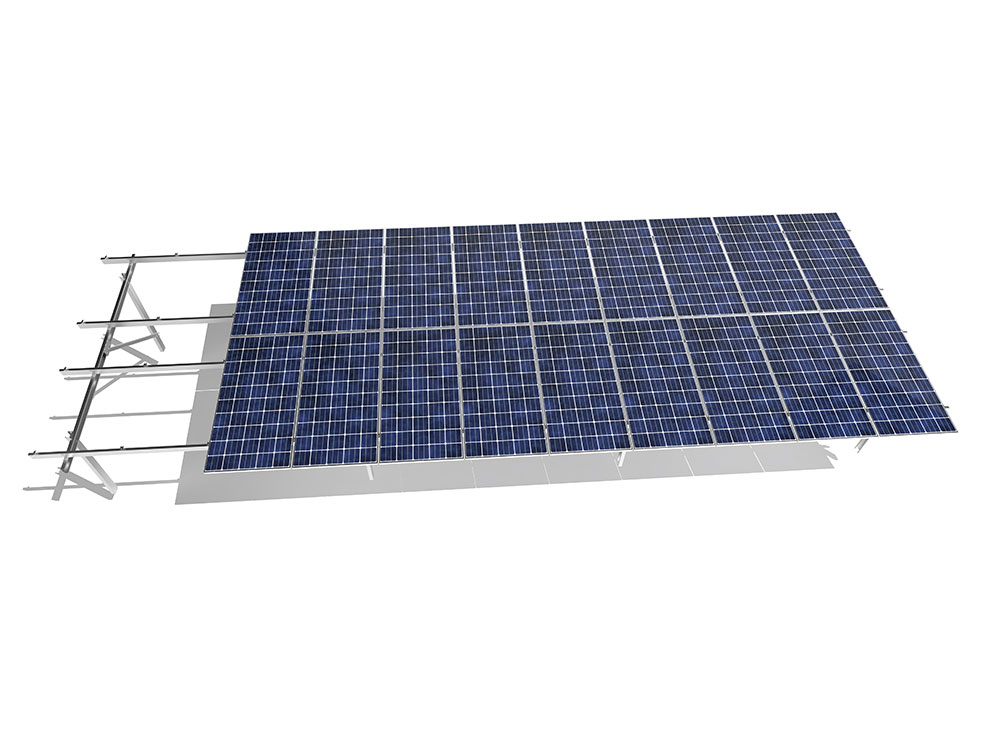
A solar mounting system, also known as a solar panel mounting system, is a specialized structure designed to install, secure, and support solar panels. Its primary function is to position the panels at the optimal angle and orientation to maximize sunlight exposure, thereby enhancing solar energy absorption efficiency. Additionally, it must withstand natural forces such as wind, snow, and earthquakes, protect the panels from damage, and ultimately extend the service life of the entire solar system.
Unlike ordinary mounting systems, solar mounting systems require customized designs based on specific installation scenarios (such as ground-mounted, rooftop, or floating installations), local latitude, sunlight conditions, and the dimensions and specifications of the solar modules to ensure compatibility and stability. Solar mounting systems are typically constructed from aluminum alloy, carbon steel, or stainless steel. Carbon steel surfaces are usually hot-dip galvanized to meet long-term outdoor corrosion resistance requirements and ensure the system’s durability in harsh environments.
A solar mounting system is not a single component; it functions as an integrated whole. Each part works in coordination with the others to form a stable support system. There are no redundant components; every part serves a specific function and is indispensable.
The main beam (often referred to as the rail) is the core support component of the solar mounting system and the key element that directly bears the weight of the solar modules. Typically made of aluminum alloy or steel, the main beam not only secures the solar modules but also bears the primary load of the entire mounting system. Its design must fully account for natural loads such as wind and snow to ensure structural stability.
The posts serve as the vertical support structure of the mounting system. They connect directly to the ground or roof foundation and bear the weight of the entire mounting system and the solar panels. The height and angle of the posts can be adjusted based on the latitude and sunlight conditions of the installation site to ensure the solar panels receive sunlight at the optimal angle. The posts are typically made of steel or concrete to accommodate the requirements of different installation scenarios.
Crossbeams serve as critical components in solar mounting systems, connecting the columns to the main beams. Arranged horizontally or at an angle, their primary function is to enhance the overall stability of the structure, distribute the load from the main beams, and integrate the entire system into a cohesive unit, thereby reducing the impact of external forces on individual components. The material of the crossbeams matches that of the main beams and columns, typically consisting of steel or aluminum alloy.
Anchors are the core components connecting the solar mounting system to the installation surface, serving as the “foundation” of the structure. They are typically secured using concrete foundations or ground anchors. Their design must account for local geological conditions and climatic characteristics to ensure the system remains stable against external forces such as wind loads, snow accumulation, or earthquakes, thereby providing a solid foundation for the entire mounting system.
Clamps, also known as pressure blocks, are key small components for securing solar panels. Installed on the main beams, they firmly secure the solar panels to the mount, preventing them from loosening or detaching due to external forces such as wind. They are typically made of aluminum alloy or stainless steel, combining corrosion resistance with secure fastening. Braces (reinforcing rods) are primarily used to enhance the overall stability of the mounting system. Typically installed between the uprights and crossbeams, they effectively distribute external loads and prevent deformation caused by strong winds, snow accumulation, and other external forces. Most are made of steel and play a crucial role in enhancing the system’s resistance to wind and snow.
In addition, fasteners are an indispensable component of solar mounting systems, including bolts, nuts, and washers. Although small in size, they play a vital role in connecting various mounting components, ensuring the structural integrity and stability of the entire system. High-quality fasteners must possess excellent mechanical properties and corrosion resistance to prevent loosening or corrosion during long-term use. In some solar systems with high requirements for power generation efficiency, optional tracking systems may be installed. These systems automatically adjust the angle of the solar panels based on the sun’s position, further enhancing solar energy capture efficiency. They are categorized into single-axis and dual-axis tracking systems, which can be selected according to project requirements.
Solar mounting systems are the unsung “heroes behind the scenes” of solar power systems; their quality and design directly impact the safe operation and power generation efficiency of solar power plants. Understanding the definition and components of solar mounting systems not only helps us gain a more comprehensive understanding of solar power systems but also provides a foundational reference for the design, installation, and maintenance of solar projects, thereby helping solar power systems realize their full potential as a source of green energy.
For more professional advice, click here: Contact Us