At first glance, a solar mounting system may appear to be a simple steel frame, but it plays a crucial role in ensuring stable power generation for 20 to 30 years—even in the face of wind, rain, snow, and hail.
There are different types of solar mounting structures, which can generally be classified based on three criteria: installation method, materials used, and structural form. Understanding these differences allows you to select the appropriate mounting structure to save costs and avoid future problems.
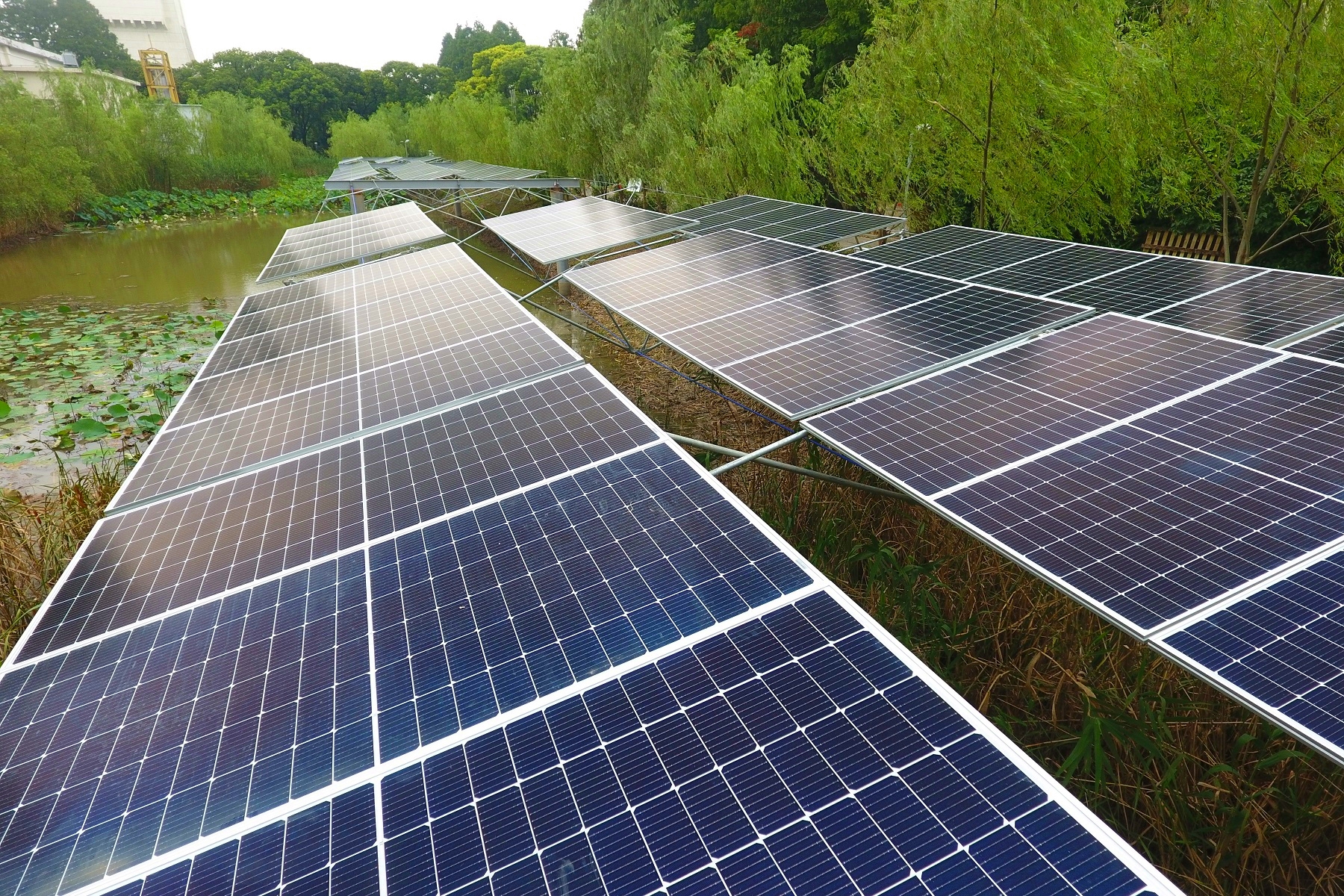
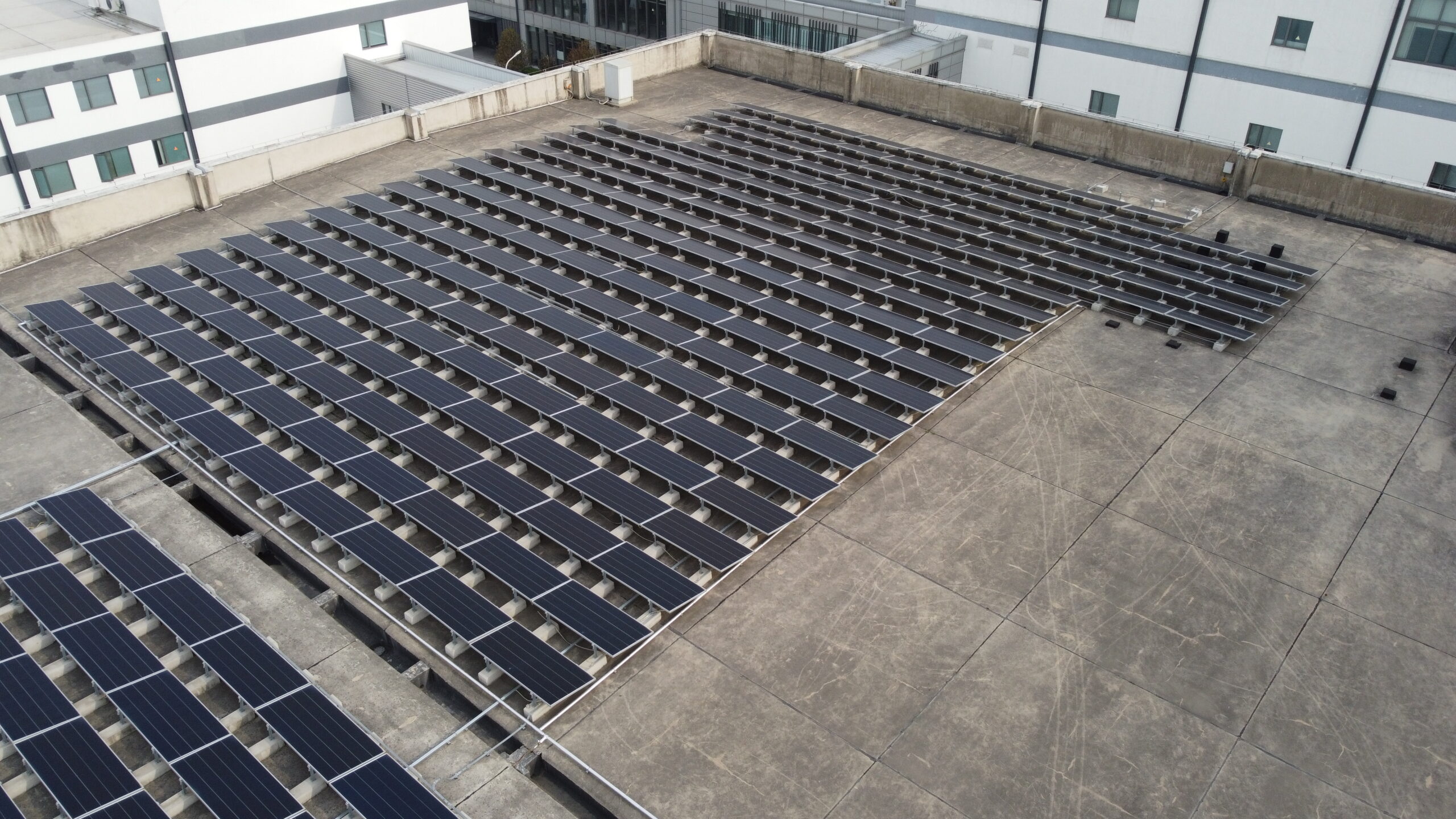
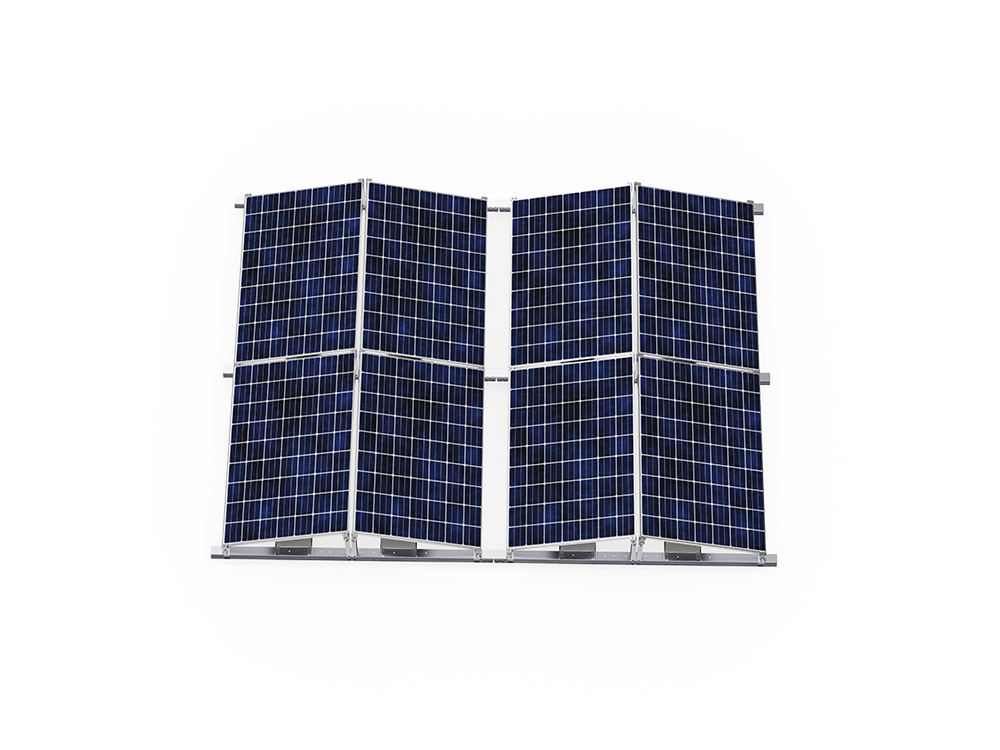
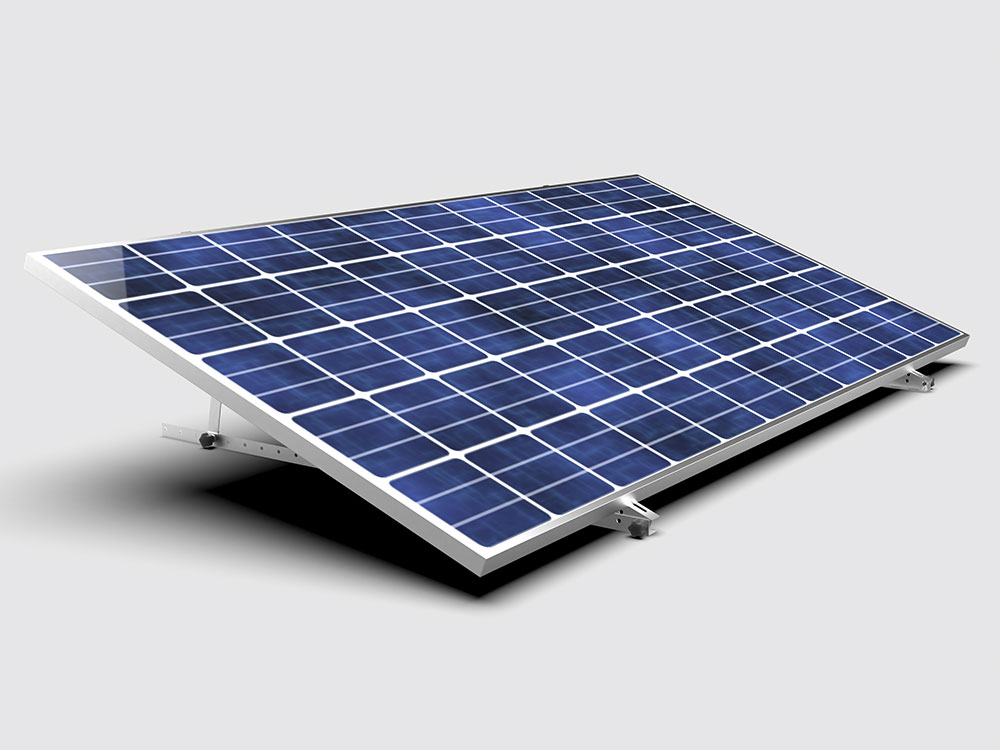
Considering the most important aspect—the installation method—solar mounting structures can be broadly divided into two types: fixed mounting structures, where the tilt angle of the modules remains nearly fixed after installation. Installers calculate the angle in advance based on the installation site’s latitude to achieve maximum annual power generation (for example, 5 to 10 degrees below the local latitude) and weld or secure all mounting components at that angle. The advantages of this method include a simple structure, low cost, and minimal maintenance requirements. On the other hand, fixed solar panels always face south, while the sun moves from east to west. Consequently, power generation during the early morning and evening hours cannot be optimized. Currently, most rooftop power plants and small-to-medium-sized ground-mounted power plants in China use this system. In contrast, tracking solar panels are “smarter”—they follow the sun’s movement, much like sunflowers. Horizontal single-axis systems rotate around a single horizontal axis, increasing power generation by 15–25%. Dual-axis modules can even move both horizontally and vertically, increasing power generation by as much as 30–40%. However, tracking modules also have significant drawbacks: the initial investment is 30–50% higher than that of fixed-mount modules, there is a risk of motor and gearbox failure, and they require regular lubrication and inspection. Additionally, operation in dusty areas can be challenging. Therefore, tracking modules are primarily suitable for large-scale open-air power plants and are best suited for projects with flat terrain and well-established maintenance systems.
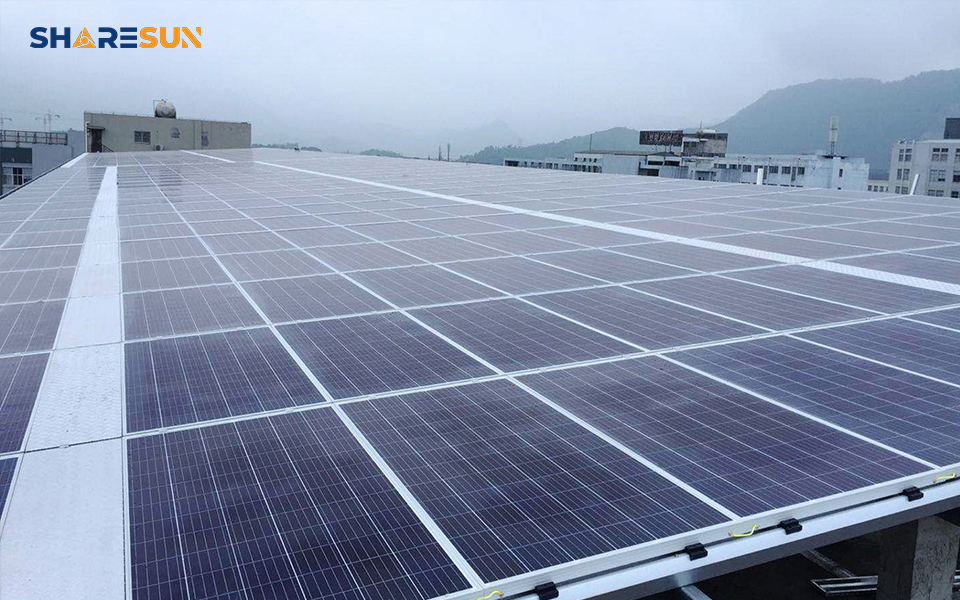
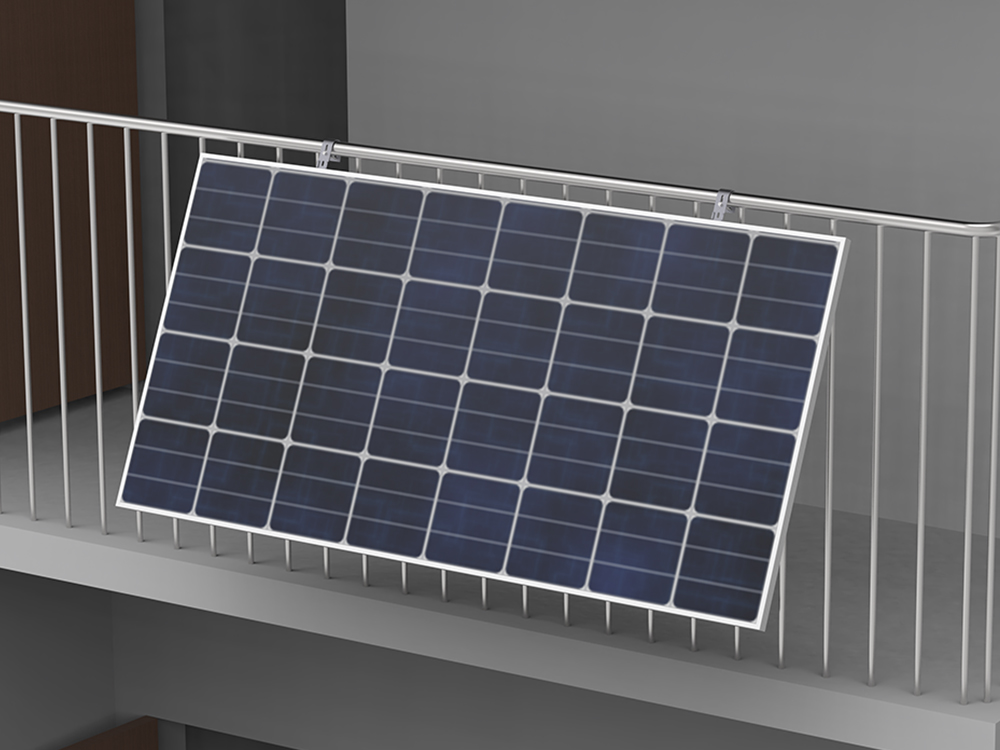
In terms of materials, the most common options are hot-dip galvanized steel and aluminum alloy. Hot-dip galvanized steel frames offer high strength, excellent load-bearing capacity, and superior resistance to wind and snow thanks to the galvanization process; they can resist rust for 25 years under normal outdoor conditions. However, they are heavy, making transportation and assembly time-consuming, and their appearance can seem somewhat rough. Aluminum alloy mounting frames, on the other hand, are lightweight, corrosion-resistant, and feature a smooth, attractive finish. They are quick to install and are particularly well-suited for rooftops—especially those with color-coated steel roofing—since heavier frames can damage the roofing material, whereas aluminum is just the right weight. However, aluminum is not as stable as steel and is prone to deformation when used with large spans or particularly heavy modules. Additionally, they cost about 20% to 30% more than steel. Stainless steel mounting frames are also available; they offer exceptional corrosion resistance but are prohibitively expensive, making them uneconomical for general use. They are typically reserved for extreme environments such as chemical plants or high-salinity coastal areas. In summary, if load-bearing capacity is the top priority, choose steel; if light weight and corrosion resistance are required, choose aluminum; and if you have a generous budget and the environment has special requirements, choose stainless steel.
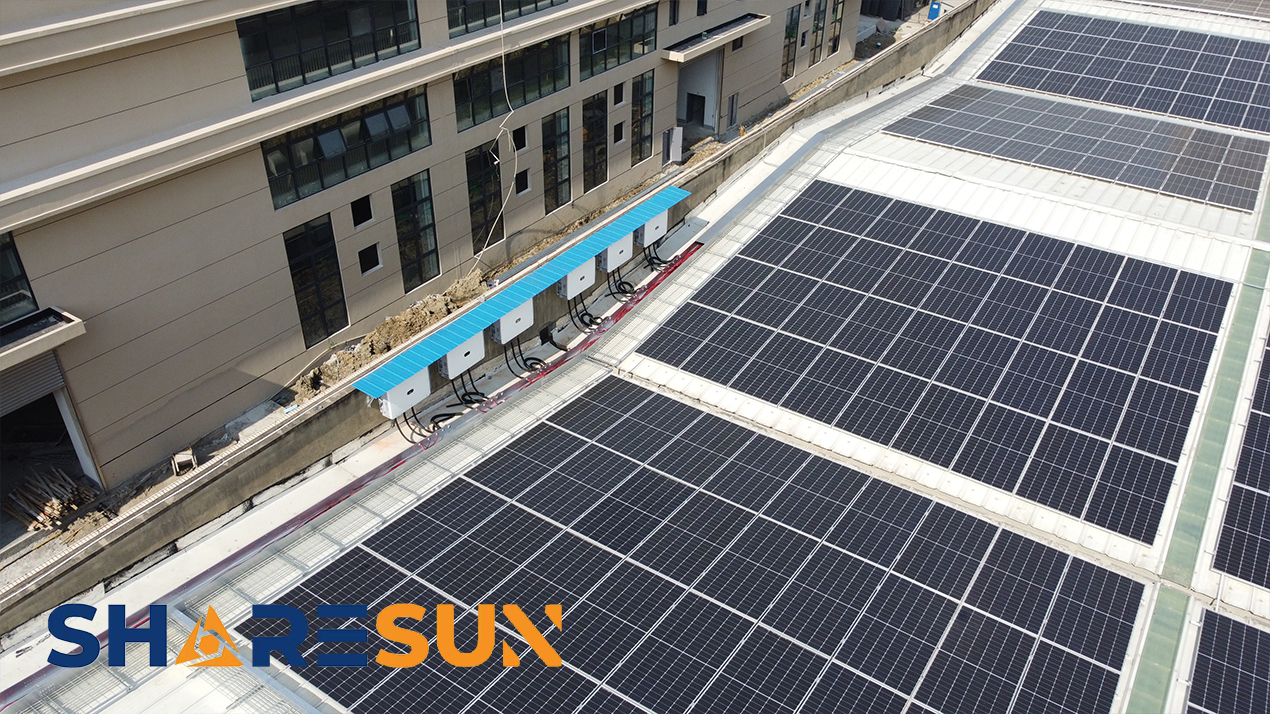
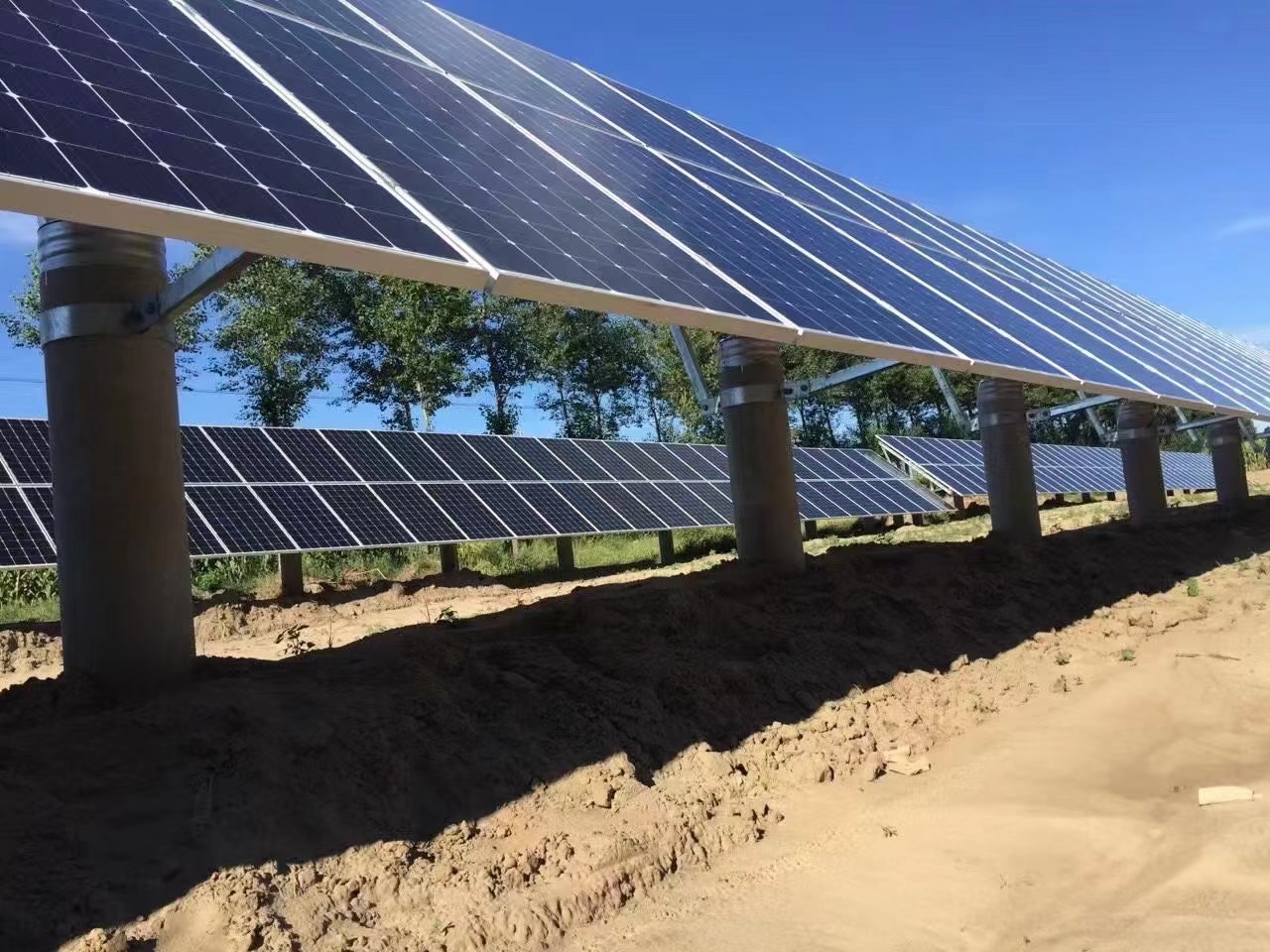
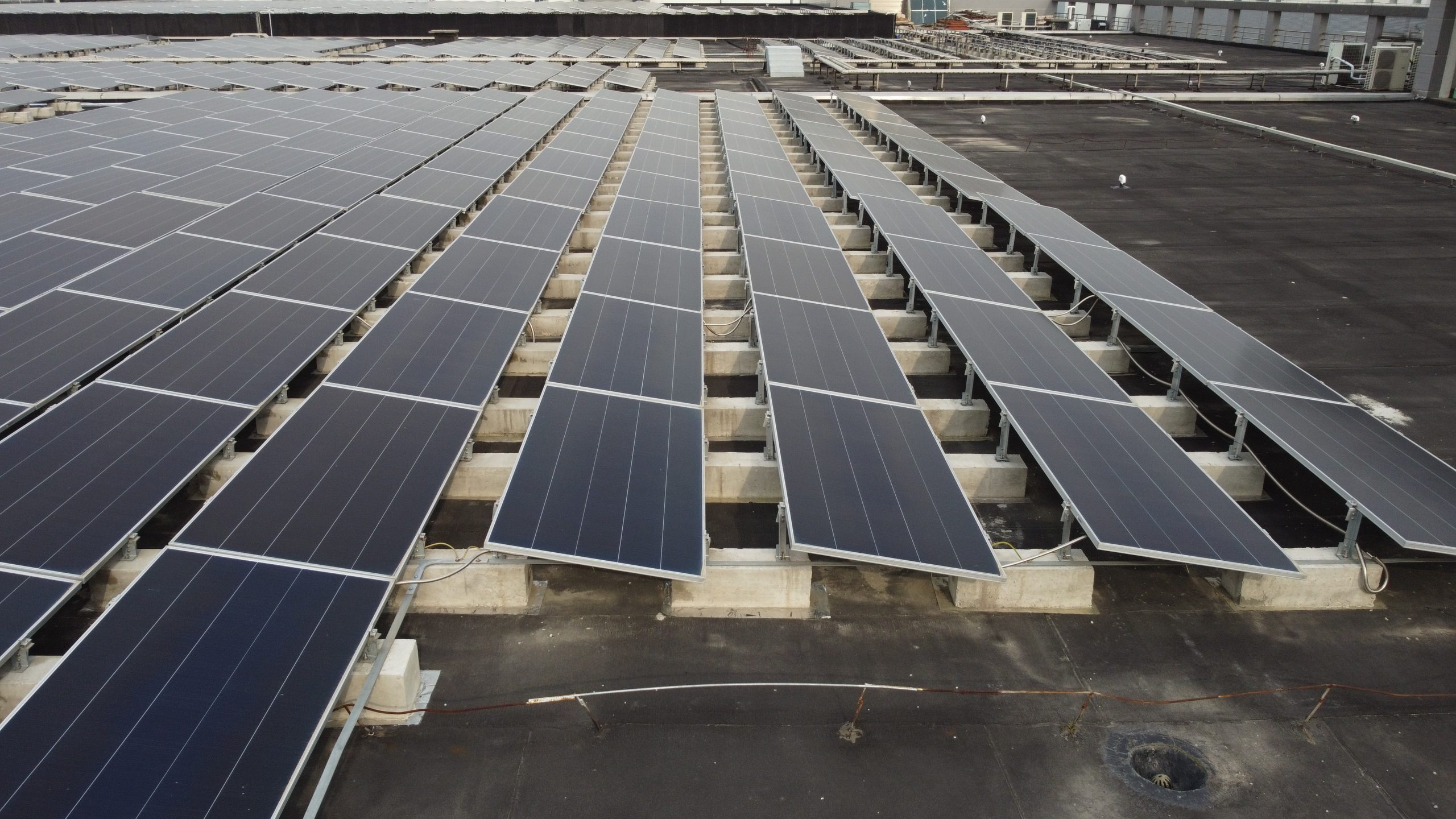
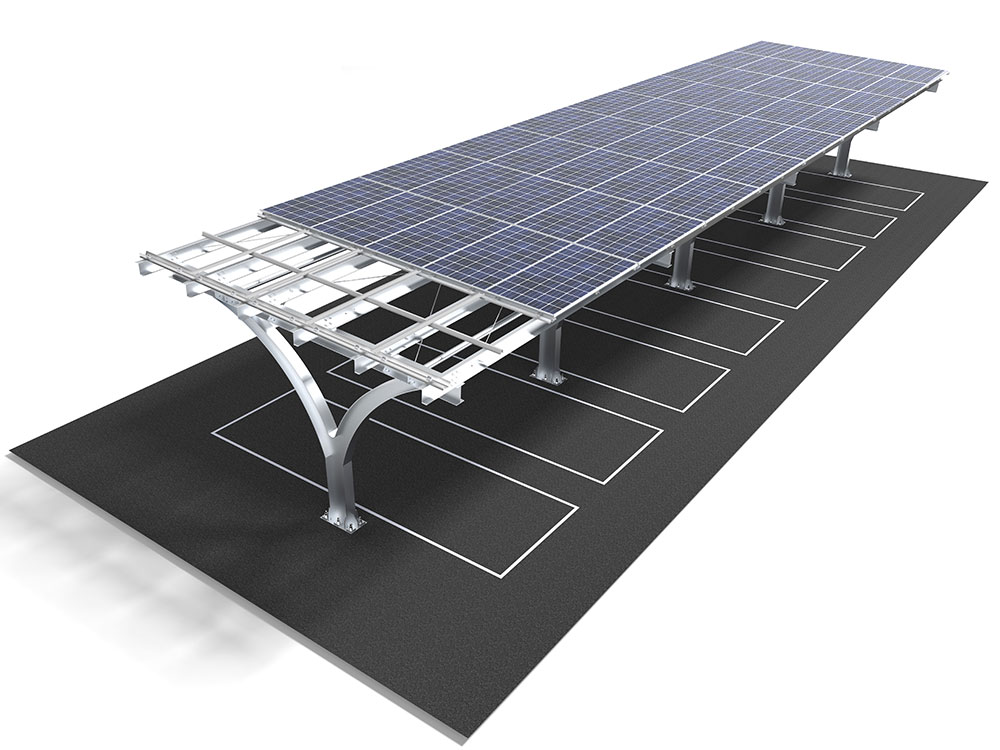
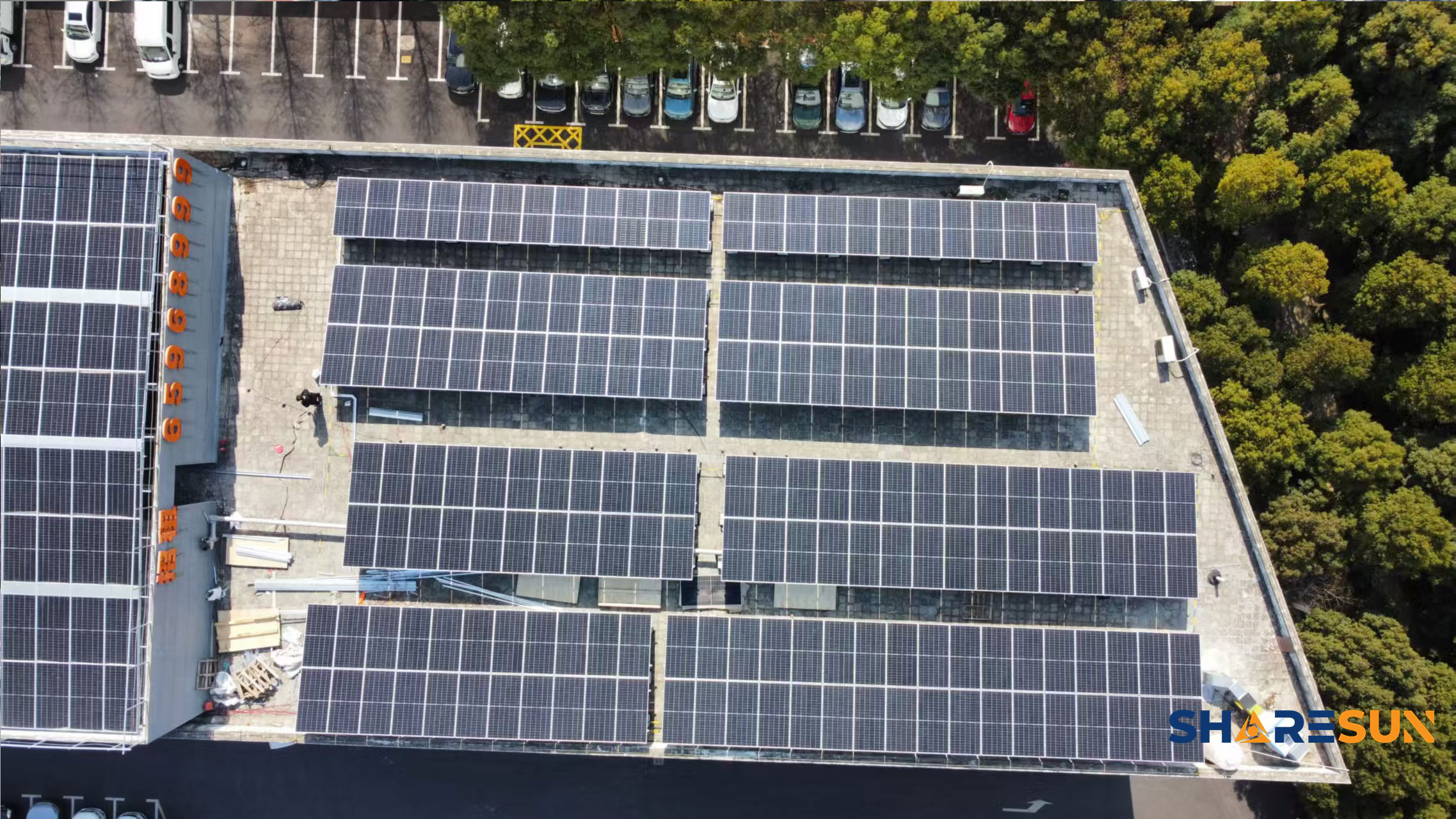
Differences in structural configurations should not be overlooked. For ground-mounted solar systems, there are two common types: single-post and double-post structures. A single-post frame consists of a single support mounted on a foundation pile. It features a simple design and causes minimal obstruction on the ground, but it places higher demands on the strength of the foundation and support, which is why it is suitable for flat, low-wind areas. Double-post structures provide greater stability because the load is distributed across two supports. This makes them safer for larger panels or in windy regions. Roof-mounted structures are entirely different, as supports are not allowed to protrude through the roof deck; instead, clamping systems are used depending on the roof type. Colored steel roof tiles use a clamping system, while self-supporting concrete foundations and tile roof hooks are secured to the roof structure. Modules are fixed using rails and clamps; in principle, this does not damage the seal, but in practice, insufficient tightening of the clamps or poor sealing may lead to water damage. Therefore, compared to floor installation systems, roof installation systems require significantly higher installation precision and more careful sealing.
So, how do you ultimately make the right choice? When building a large-scale power plant covering several acres on flat terrain, with a limited budget and few maintenance personnel, the most reliable option is a combination of hot-dip galvanized steel and a fixed mounting system. If the power generation target is high and site conditions are favorable, and wind speeds are low, it may be worth slightly increasing the budget to opt for a horizontal single-axis tracking system. For residential or industrial rooftops, the combination of aluminum alloy and clamping systems is the simplest—because it is easy and quick to install and rust-resistant. In coastal areas or heavily polluted industrial zones, even if it costs a bit more, you should choose aluminum alloy or corrosion-resistant hot-dip galvanized steel; traditional steel mounting systems may develop holes within a few years.
There is a principle: There is no “best” option; only the “best fit.” Fixed solar mounting systems are low-cost and reliable but generate less power, while tracking systems generate more power but are more sensitive and require more maintenance. Steel structures are sturdy and low-cost but heavy, whereas aluminum structures are lightweight and corrosion-resistant but more expensive and slightly less stable. Before selecting a mounting structure, ask the manufacturer to provide static calculation recommendations based on local weather data (maximum wind speed, snow load, corrosion resistance rating) and the building’s specific conditions. Do not make a decision based solely on price, because if the mounting structure collapses, the cost of damaged modules and power outages could far exceed the savings from opting for a simpler design.
For more professional advice, please click here: Contact Us