Solar mounting systems are the most easily overlooked yet critically important part of any photovoltaic power station. They silently bear the weight of every solar panel, withstand wind, frost, rain, and snow, and directly determine the starting point of power generation revenue. When faced with fixed mounts, tracking systems, and the flexible structures that have gained attention in recent years, many people are unclear about the differences between them, let alone which one is right for their project. Below is an introduction to how to choose among fixed, tracking, and flexible mounting systems.
Fixed Mounts – The Most Reliable Choice
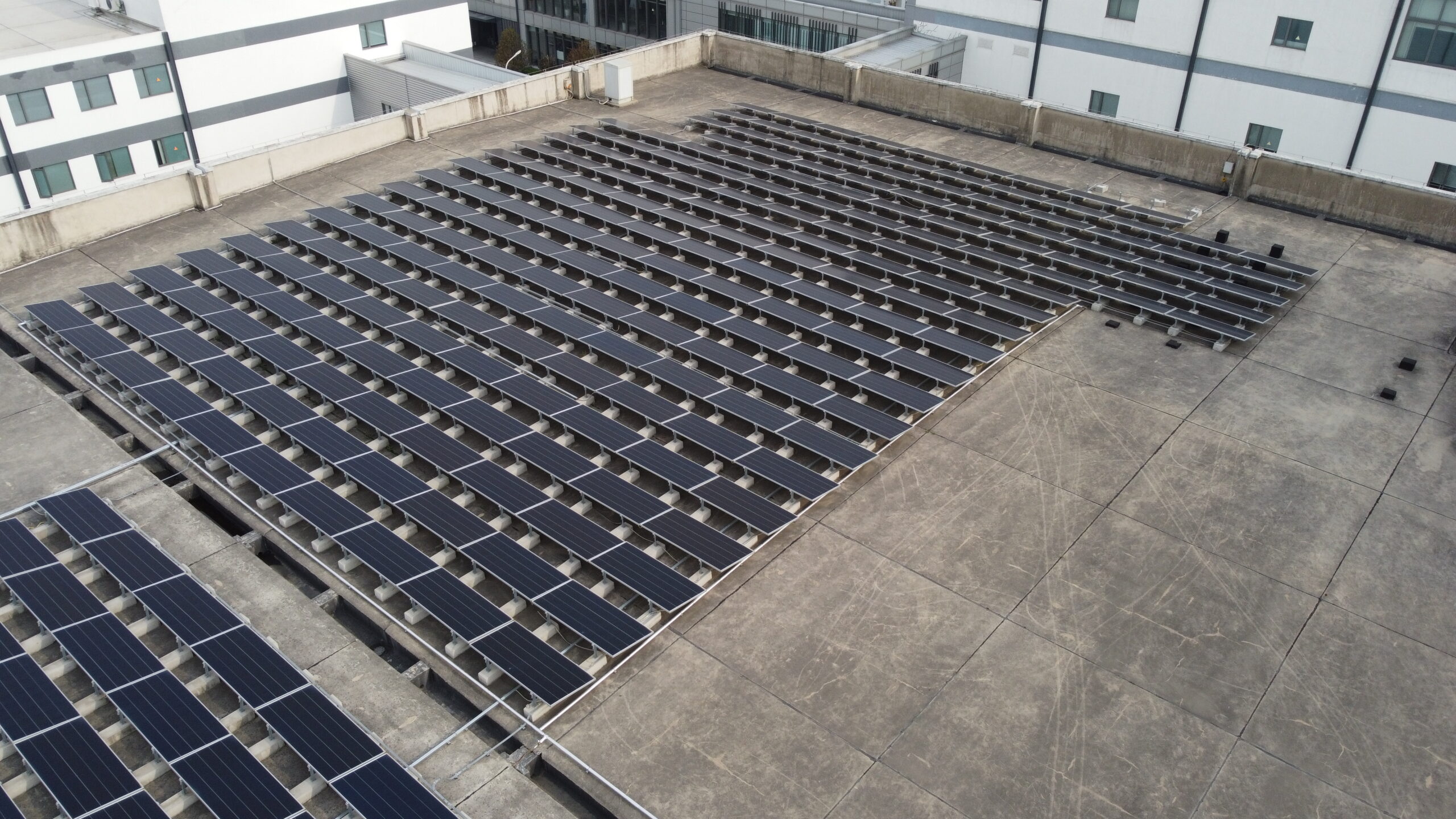
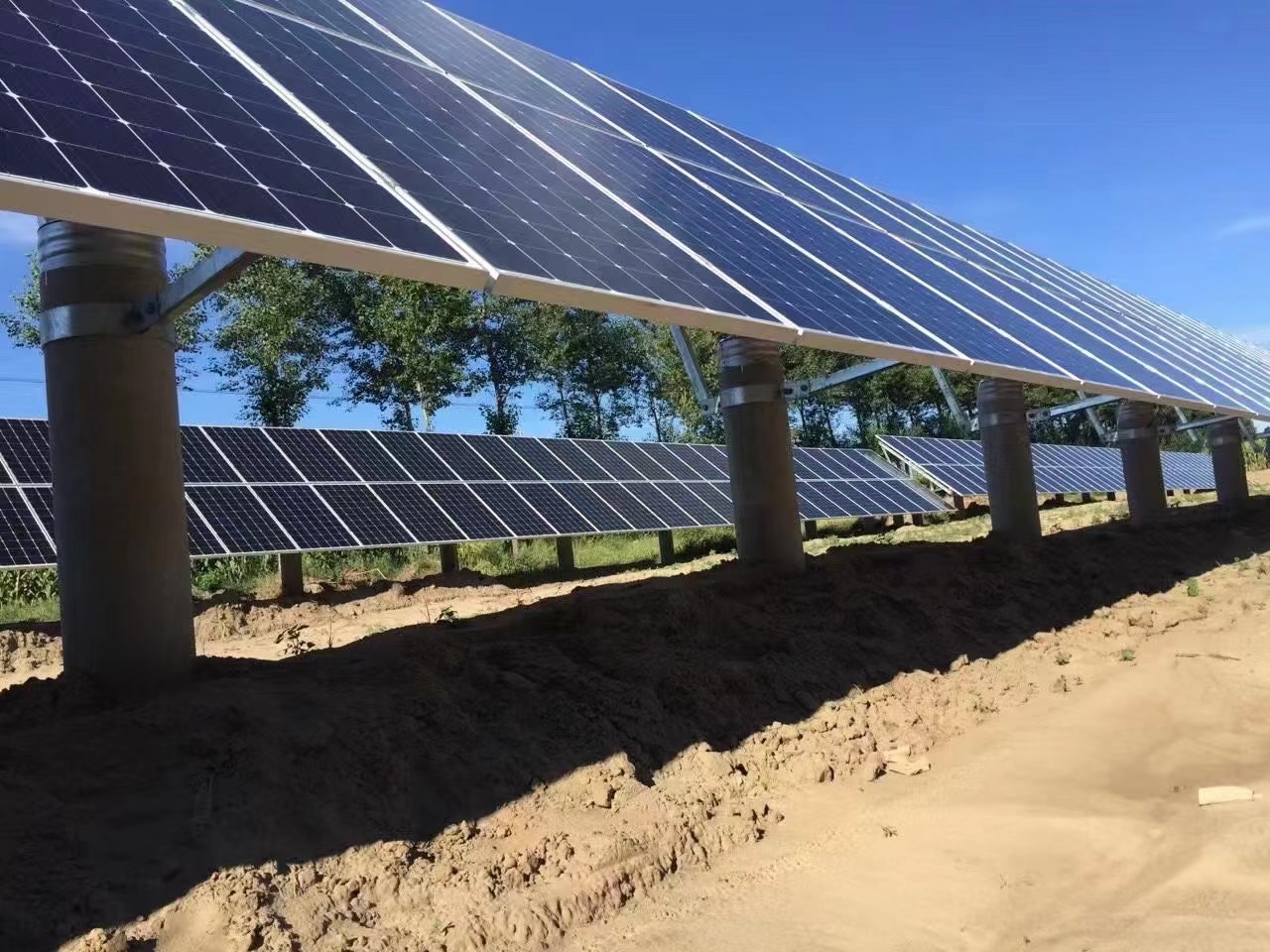
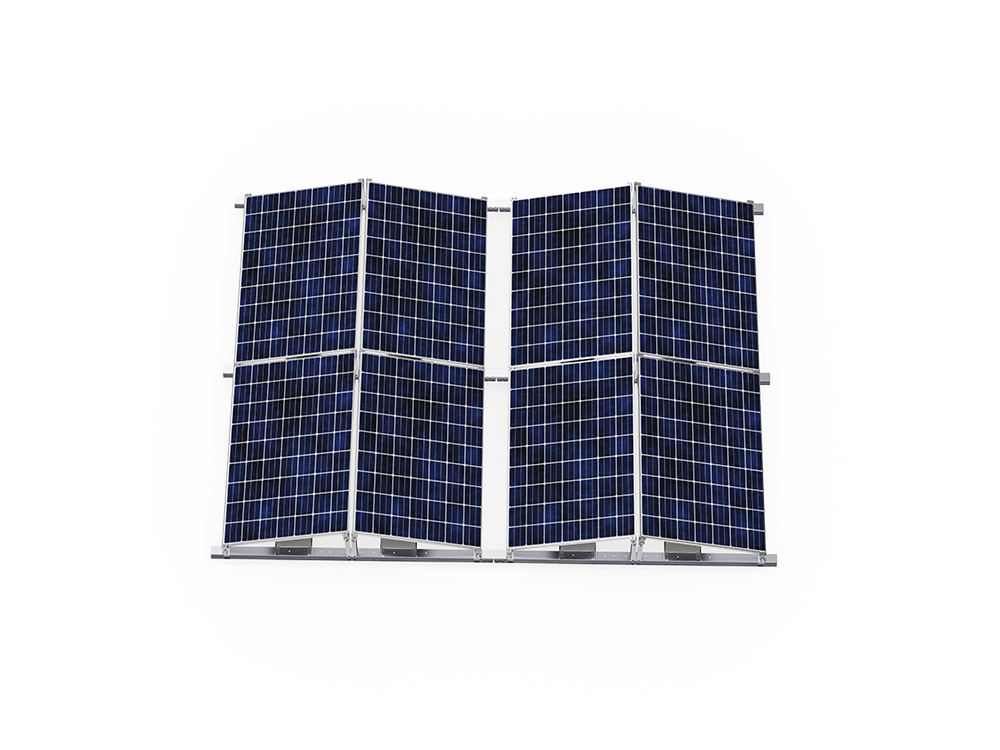
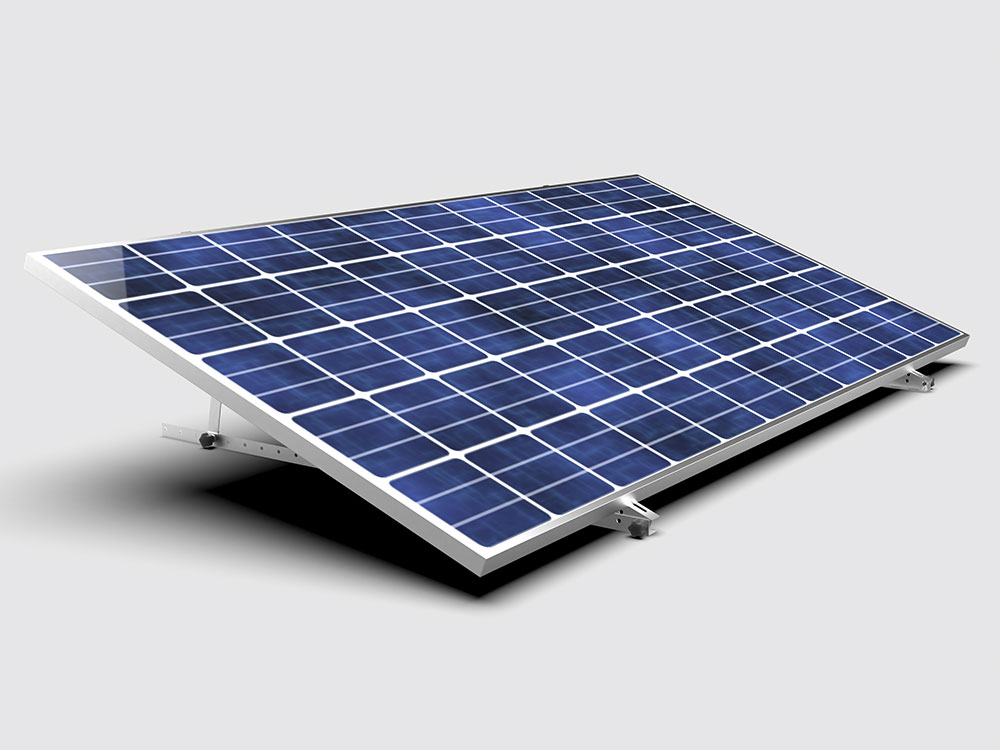
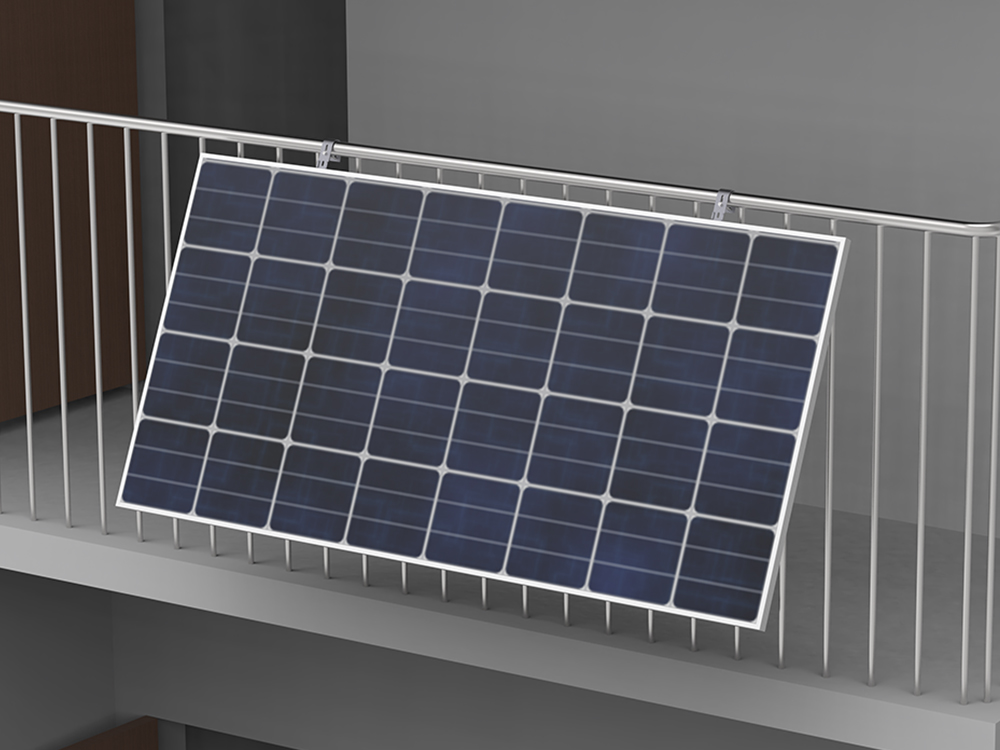
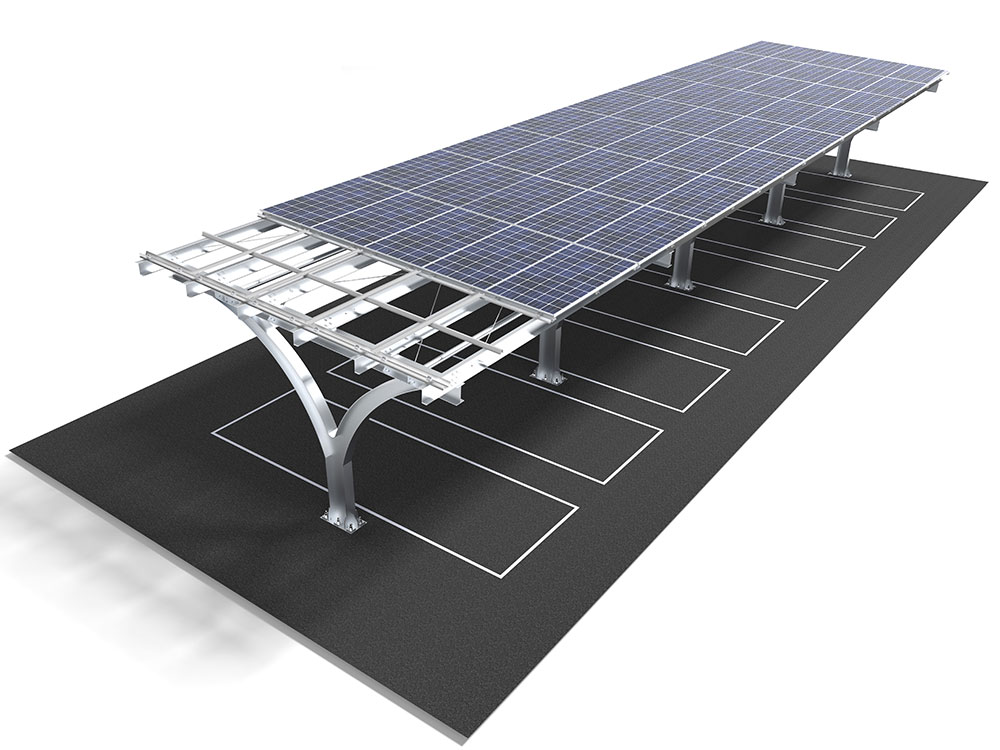
Fixed mounts, as the name suggests, have a tilt angle that does not change after installation. Their greatest advantages are simplicity, reliability, and low cost. With no motors, no control systems, no additional power requirements, and stable structures, they are almost failure-free. For project owners with limited budgets or those without an extreme pursuit of power generation, fixed mounts are the most cost-effective solution.
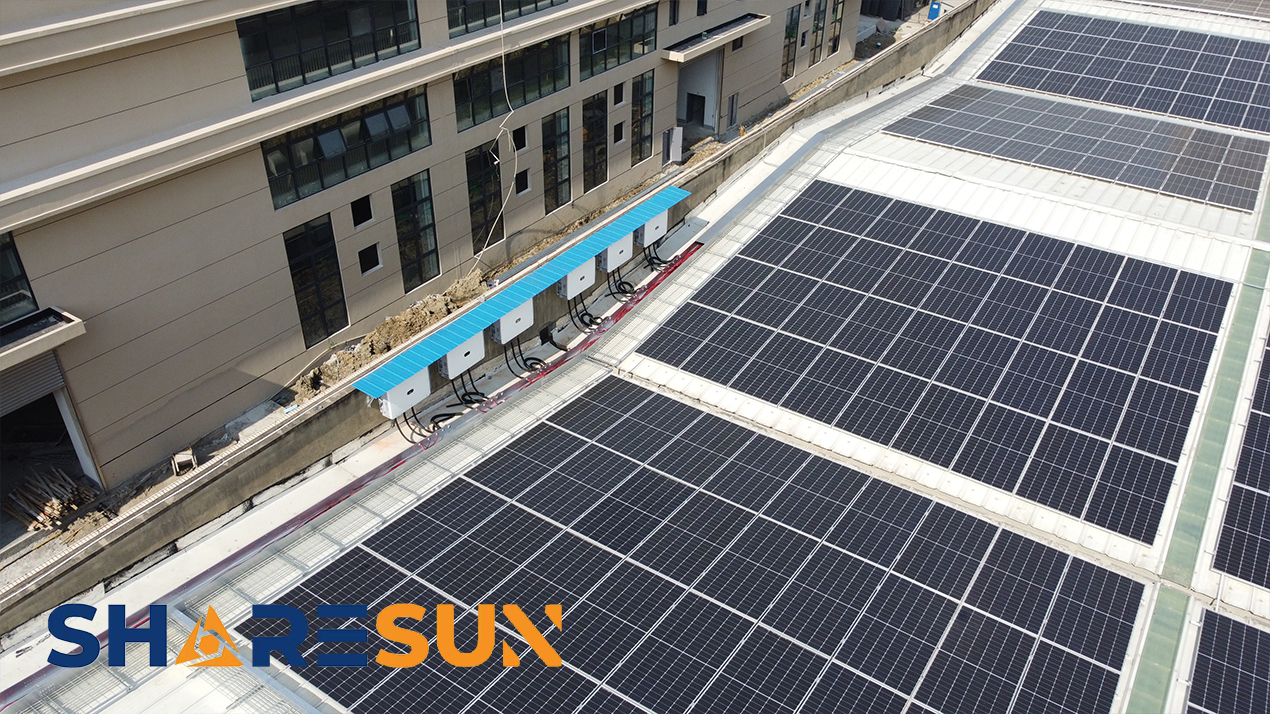
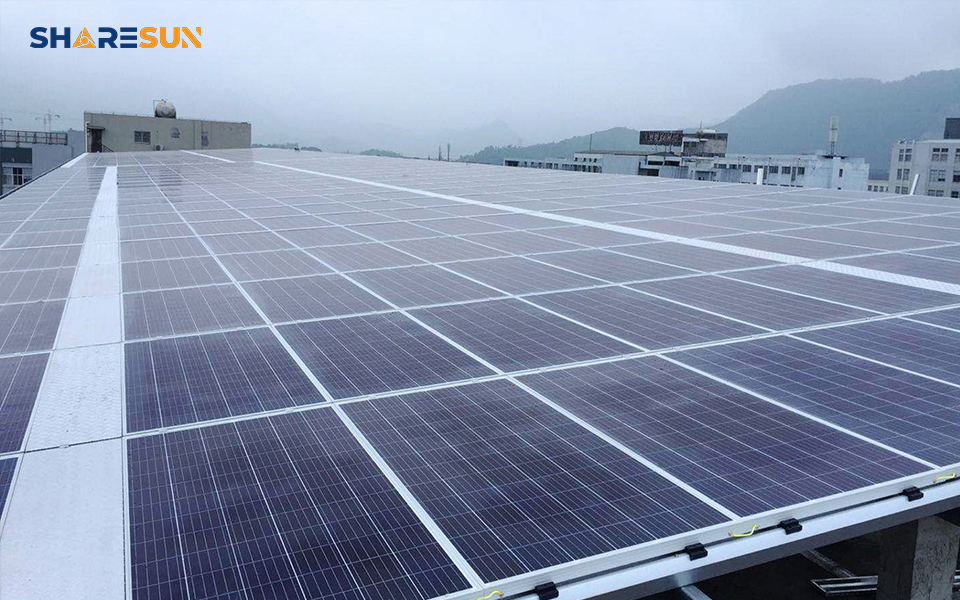
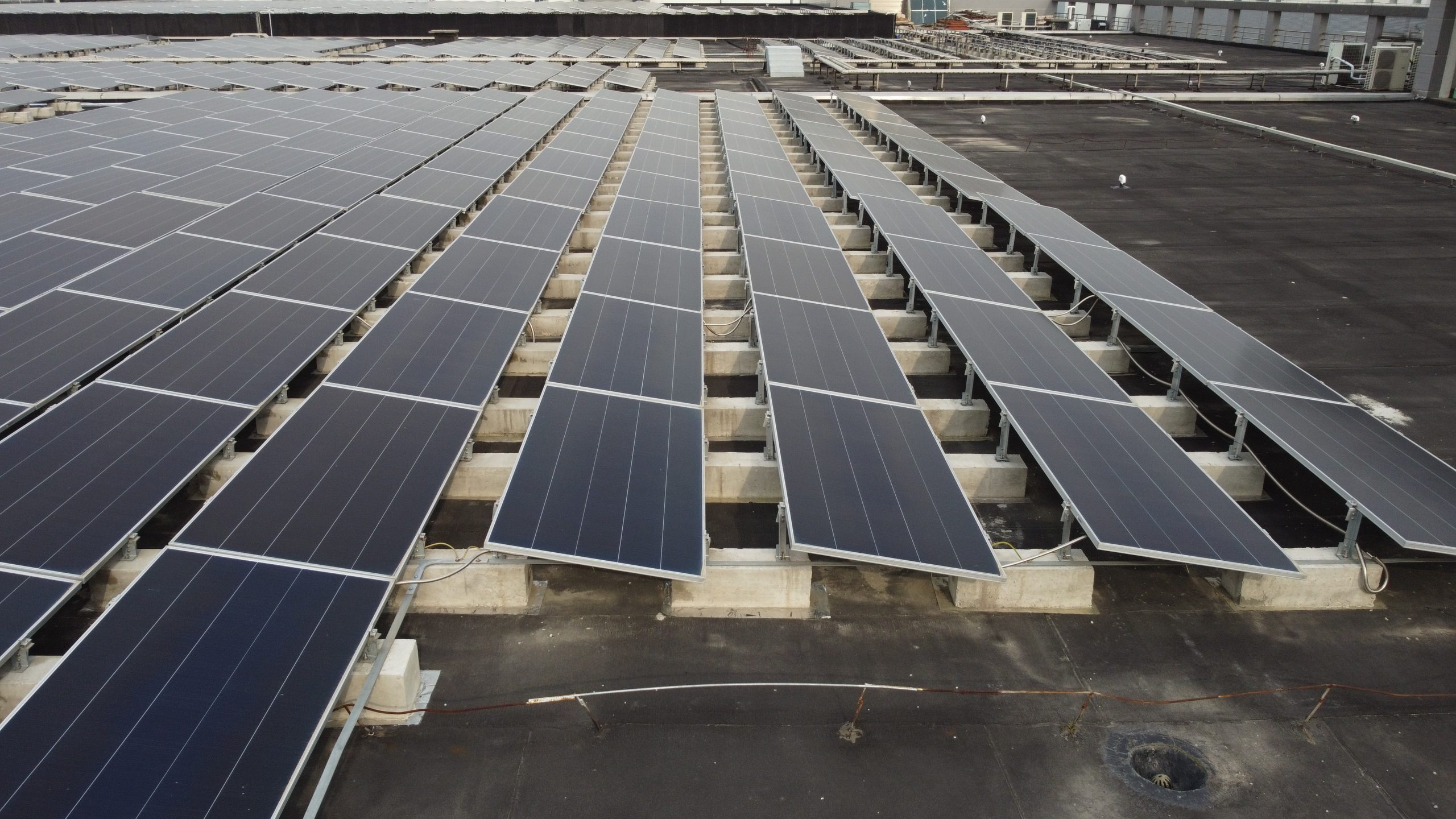
Their application scope is very broad. Whether on flat ground, sloping mountainous terrain, or various types of rooftops, fixed mounts perform excellently. In rooftop scenarios, fixed mounts have more specialized approaches: for metal roofs (color steel tile), clamps attach directly to the roof ribs without drilling and without damaging the waterproof layer; for concrete flat roofs, ballasts can secure the mounts, or chemical anchors can be used to bolt them down. For mountain projects with complex terrain and significant slopes, fixed mounts are almost the only viable option, as tracking mounts are highly sensitive to slope angles and cannot function properly beyond a certain gradient.
Fixed mounts also have a variation called manual-adjustable mounts. These allow owners to manually adjust the tilt angle 2 to 4 times per year according to seasonal changes. Although manual labor is required, they can boost power generation by an additional 3% to 8% with very limited cost increase. For projects that cannot accommodate tracking systems, this is a very practical compromise.
Tracking Mounts – Exchanging Technology for Higher Yield
Tracking mounts sound much more advanced. They use motors and control systems to drive the structure to rotate slowly, allowing solar panels to follow the sun’s trajectory like sunflowers, thereby capturing more sunlight and increasing power generation.
However, the selection of tracking mounts requires careful consideration. First, they are only suitable for sites with flat terrain and minimal slope – mountainous projects are essentially not feasible. Second, they rely on electric drives and control systems; with moving parts comes the risk of failure, and ongoing maintenance costs are higher than those of fixed mounts. Another easily overlooked point is that increased power generation does not equal increased revenue. If the region where the power station is located experiences power curtailment, the extra electricity generated cannot be sold, and the gains from tracking mounts will not translate into actual income. In areas dominated by diffuse light with fewer sunny days, the gain effect of tracking mounts will also be significantly diminished.
So what projects are tracking mounts suitable for? In short – large-scale, flat and open ground-mounted power stations with good sunlight conditions and no curtailment risk. In low-latitude areas, the effect of single-axis trackers is more pronounced. For ordinary residential rooftops or small-to-medium commercial projects, tracking mounts are basically not considered.
Flexible Mounts – A Game-Changer for Complex Terrain
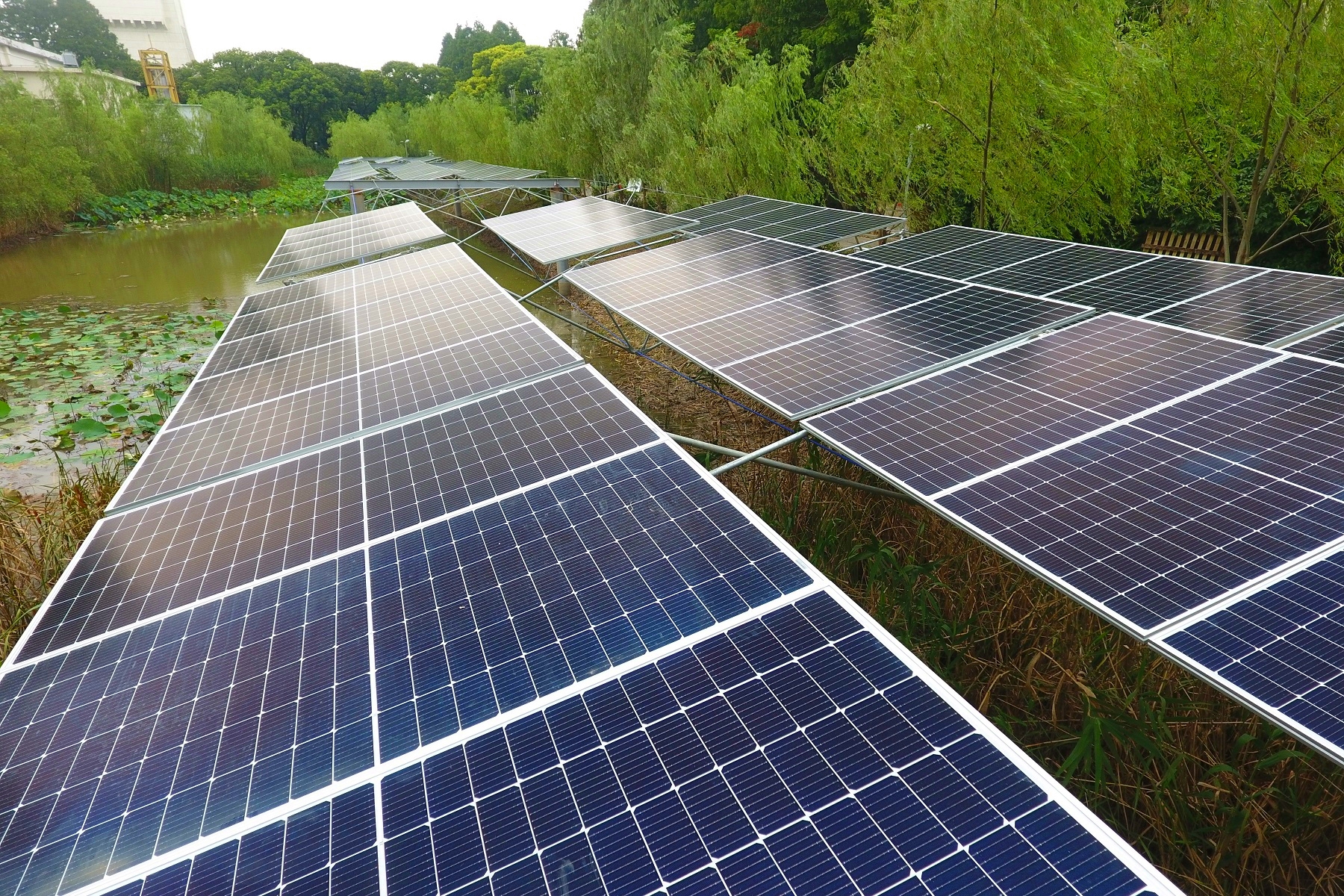
Flexible mounts are a newer type of mounting system that has developed rapidly in recent years. They use high-tensile steel cables as the primary load-bearing components, with panels suspended on the cables and fixed at both ends by support columns. Their defining features are large spans and high clearance – maximum spans can reach 30 to 40 meters, and the space beneath the panels remains almost unobstructed.
What Are Flexible Solar Mounting Systems Used For? This feature gives flexible mounts irreplaceable advantages in certain special scenarios. For locations such as fish ponds, wastewater treatment ponds, barren slopes, and tidal flats, where traditional mounts either face pile-driving difficulties or require dense pile foundations that interfere with usage below, flexible mounts can easily span across, preserving the space underneath to the greatest extent. In agri-PV and aqua-PV projects, flexible mounts enable solar power generation without affecting agricultural planting or aquaculture activities, achieving dual utilization of land.
However, flexible mounts also have their shortcomings. Because the structural stiffness is relatively low, they are prone to vibration under wind loads, requiring additional reinforcement measures such as ground anchors and wind cables. The design often requires wind tunnel testing to verify stability. Currently, there is no unified national design standard for flexible mounts, and technical approaches vary significantly across manufacturers, resulting in uneven quality. Prices are also considerably higher than standard mounts – roughly 2 to 4 times as much. In regions with frequent strong typhoons, flexible mounts require particularly careful evaluation.
How to Choose the Right System
There is no standard answer for system selection – the key lies in three dimensions.
The first is site conditions. Flat, open ground allows for serious consideration of tracking mounts; mountainous and hilly terrain should prioritize fixed mounts; and for special sites like fish ponds and wastewater ponds, flexible mounts can be considered. If the region experiences frequent typhoons, fixed mounts with a low center of gravity and stable structure are actually the safest choice.
The second is financial feasibility. Both tracking and flexible mounts involve higher initial investment and more complex ongoing maintenance. A detailed calculation should be performed based on local electricity prices, solar resources, and potential curtailment scenarios – don’t focus solely on power generation increase data. In many cases, manual-adjustable fixed mounts are actually the most cost-effective option, delivering significant generation gains with a very small incremental cost.
The third is hard constraints of the usage scenario. Rooftop projects can only use fixed mounts – there are no other options. If rooftop load-bearing capacity is limited, aluminum alloy mounts can be considered – they are much lighter than steel, but the cost is roughly 30% to 50% higher. In coastal environments with high salt corrosion, high-zinc hot-dip galvanized steel mounts or aluminum alloy mounts with sufficient corrosion protection should be selected.
In the end, solar mounting system selection is a comprehensive decision-making process. No single type of mount can solve every problem. Safety comes first, suitability is the core principle, and only after that should the revenue calculation be made clear. Choose the right mounting system, and the long-term stable operation of the power station will be secured, ensuring that investment returns are realized.