Over the past two years, a clear trend has emerged in the solar industry: it has become increasingly difficult to secure suitable flat land, so projects have begun moving to mountains, bodies of water, and even the roofs of wastewater treatment plants. Traditional fixed mounting systems are either impractical or too costly in these locations, so flexible solar mounting systems have gradually moved from the fringes to the mainstream.
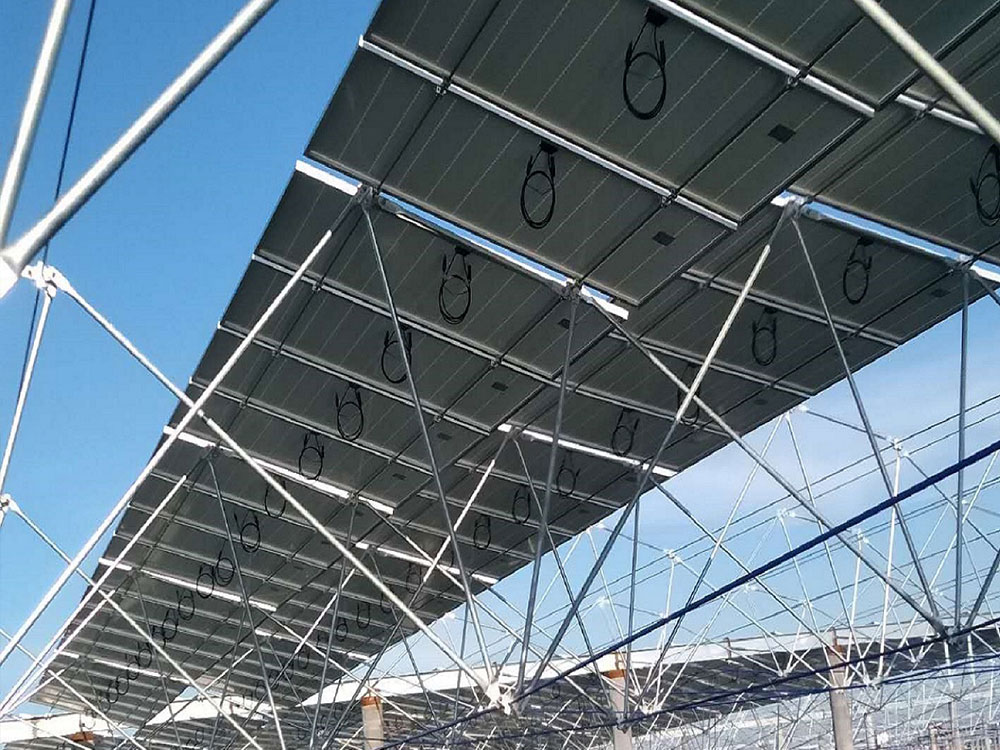
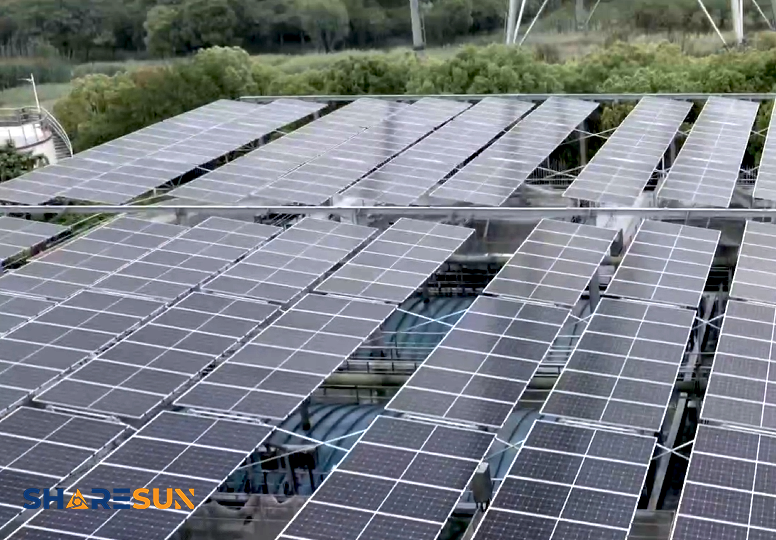
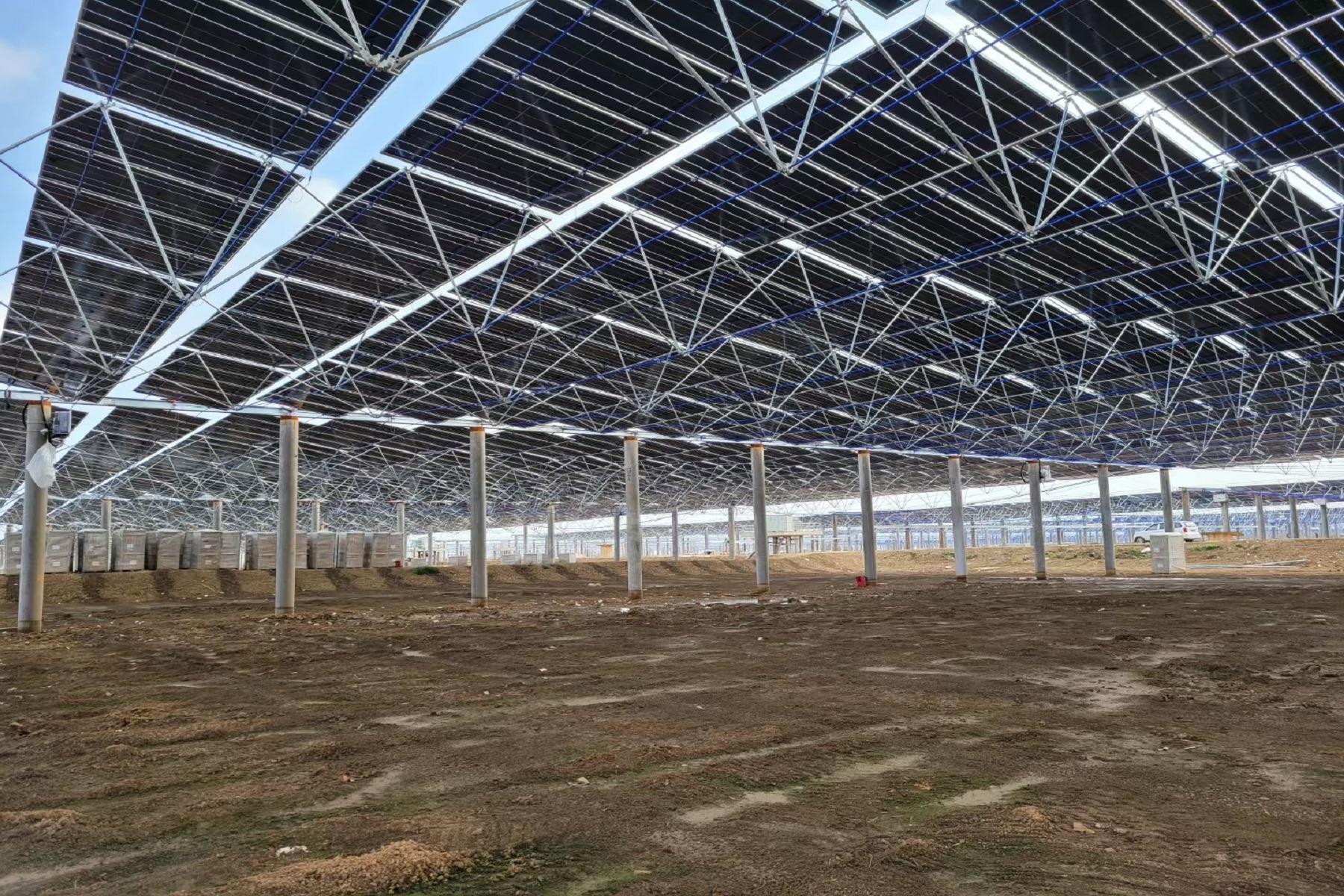
The core of flexible mounting systems can be summed up in three words: long spans and high clearance. They use prestressed steel strands (also known as tension cables) to bear the load, replacing the dense network of support columns found beneath traditional mounting systems. This allows vehicles to pass underneath, land to be cultivated, and fish to be raised—all while power is still generated above. Below, we’ll discuss several scenarios where this technology has been successfully implemented.
Mountainous and Hilly Terrain: Adapting to the Slope Without Excavation
This is currently the largest application area for flexible mounting systems in terms of individual project scale. The biggest challenge in mountainous projects is the highly undulating terrain and steep slopes. Traditional mounting systems require numerous pile foundations, making construction difficult and costly, while also damaging vegetation. The advantage of flexible mounting systems is that they can adapt to the natural contours of the terrain without the need for large-scale land leveling; they can even be installed on slopes steeper than 40 degrees.
Fish-Solar Complementary Projects and Water Bodies: Fewer Piles, Typhoon Resistance
When installing solar panels over fish ponds, tidal flats, and reservoirs, the key requirements are to minimize the number of pile foundations and maximize span lengths. Excessive piling not only drives up costs but also disrupts fishing operations and water circulation.
The advantages of flexible mounting systems in fish-solar complementary projects are evident. In such projects, operations in the fish ponds below remain completely unaffected, and water evaporation is reduced. More importantly, these systems are typhoon-resistant and have withstood the test of typhoons.
Agriculture and Mixed-Use Applications: Generating Power Above, Working Below
In scenarios such as agri-solar and pharmaceutical-solar integration, the core challenge is the competition for light and space between solar panels and crops. Flexible mounting systems resolve this issue with their high clearance (typically over 5 meters) and large spans (around 30 meters).
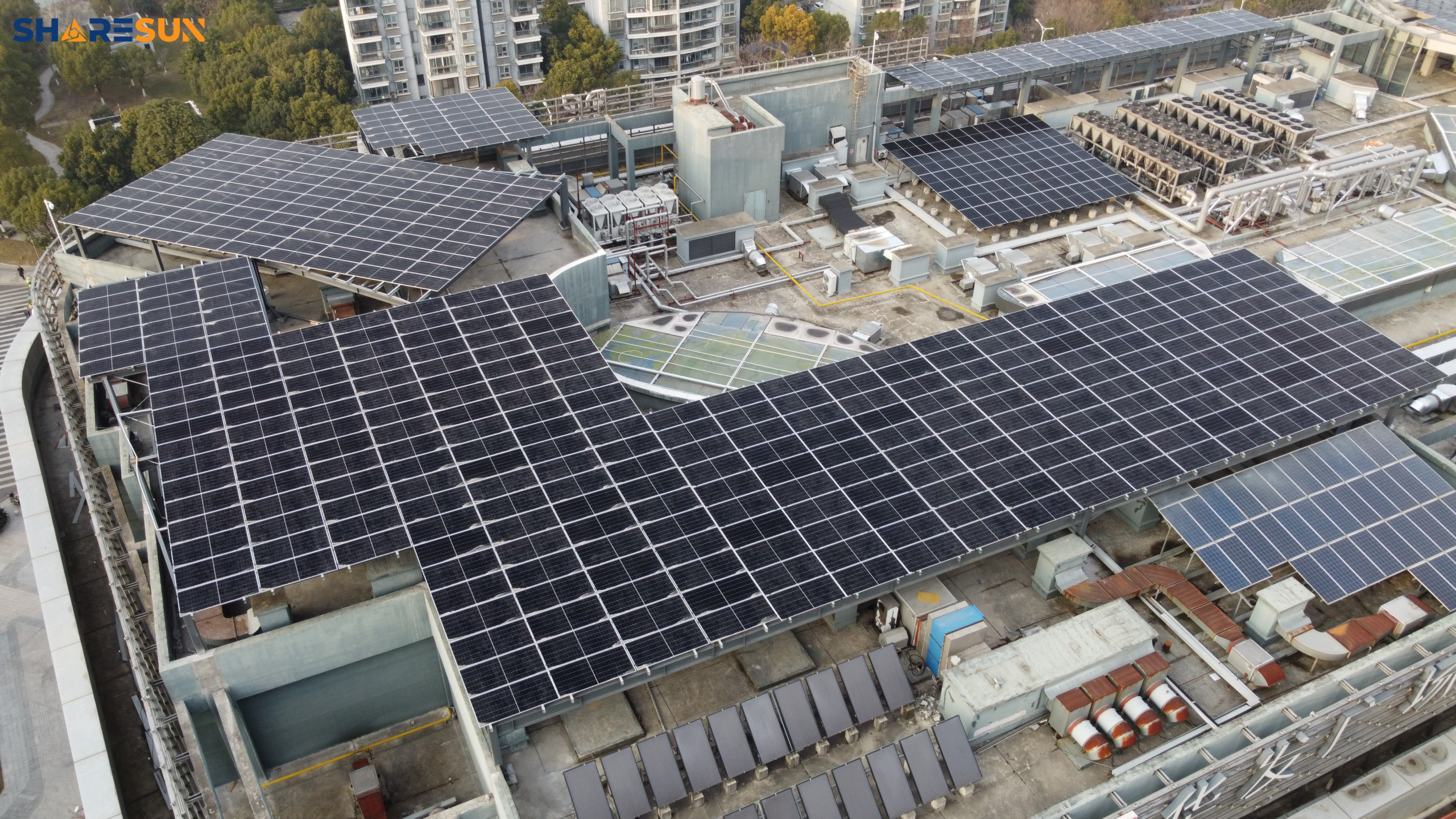
Wastewater Treatment Plants and Industrial Parks: Making the Most of Every Available Space
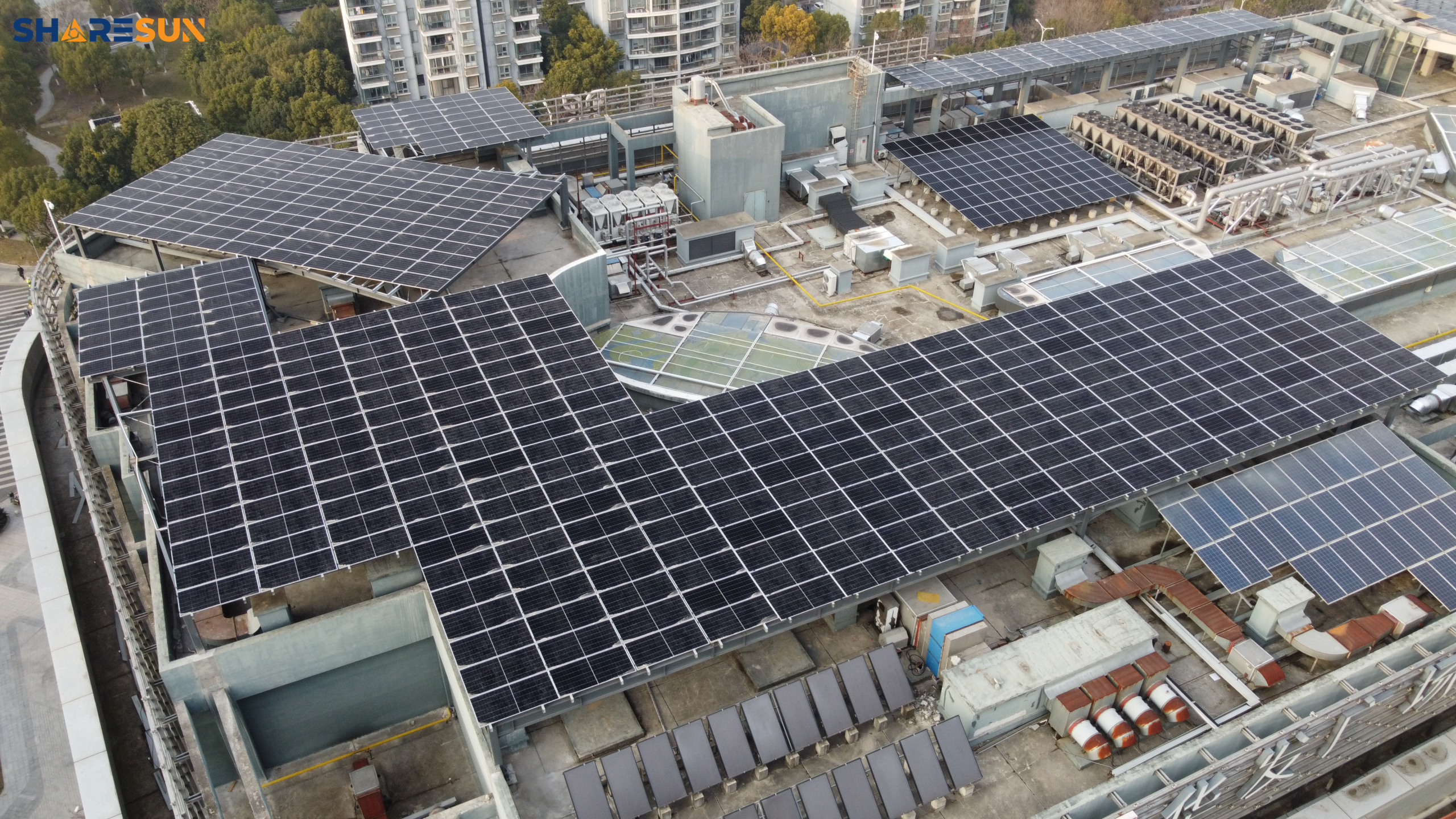
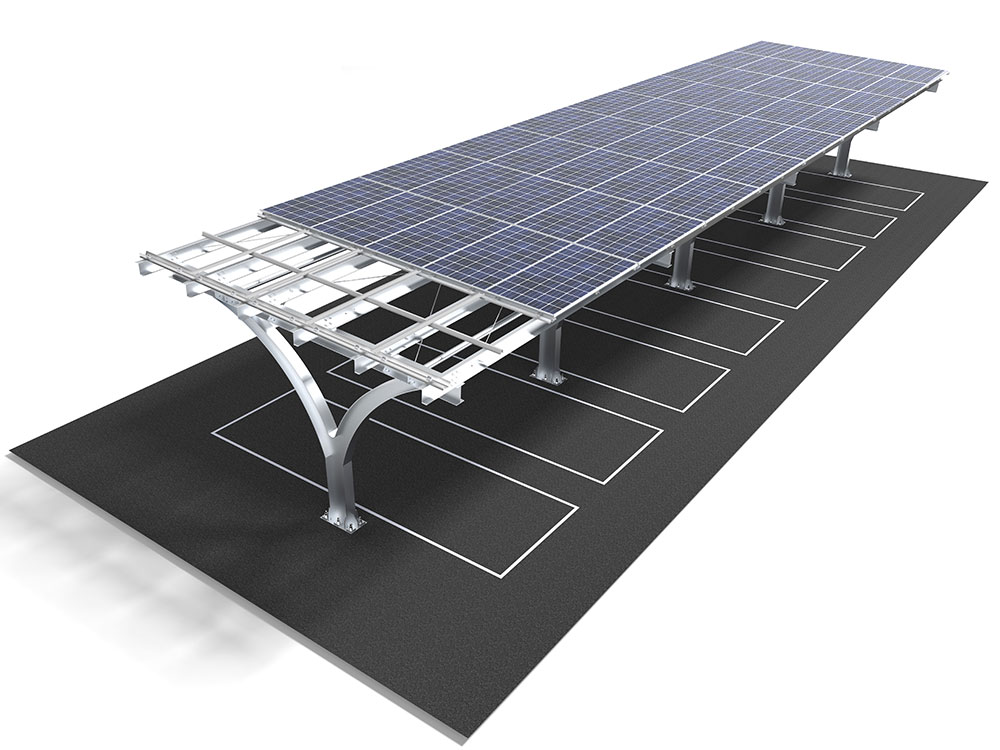
Locations such as the areas above wastewater treatment plants, internal roads within industrial parks, parking lots, and water basins are characterized by irregular spaces where operations below must not be disrupted. Flexible mounting systems can achieve spans of over 30 meters and clear heights of 8 to 10 meters, spanning water basins, roads, and green belts to utilize idle overhead space.
Desert Rehabilitation and Transportation Slopes: Minimizing Ecological Disturbance
Installing solar panels in deserts not only generates electricity but also helps stabilize sand. Flexible mounting systems require fewer pile foundations, causing minimal disturbance to the ground surface. The space left beneath the panels reduces surface wind speeds and minimizes water evaporation, promoting vegetation recovery.
Flexible mounting systems are not suitable for—nor should they be used in—every scenario; for flat-ground projects, traditional fixed mounting systems are lower in cost and simpler to install. Their true value lies primarily in “non-standard” sites: undulating mountainous terrain, open water bodies, agricultural clearance requirements, and irregular spaces in industrial zones. In these locations, where traditional mounting systems are difficult or impossible to install, flexible mounting systems provide the ideal solution.
Based on actual projects, after two years of technical iterations and testing under extreme weather conditions (particularly several typhoons), flexible mounting systems have reached a high level of maturity in terms of structural safety and wind resistance. Their cost-effectiveness is being recognized by an increasing number of project owners. Especially in complex terrain, although the cost per watt may be slightly higher, the savings on pile foundation work, the increased installed capacity, and the unlocked land value often make them a more cost-effective solution overall.
What Are Flexible Solar Mounting Systems Used For?
Over the past two years, a clear trend has emerged in the solar industry: it has become increasingly difficult to secure suitable flat land, so projects have begun moving to mountains, bodies of water, and even the roofs of wastewater treatment plants.
Share this post
Pinterest
LinkedIn
Facebook
WhatsApp