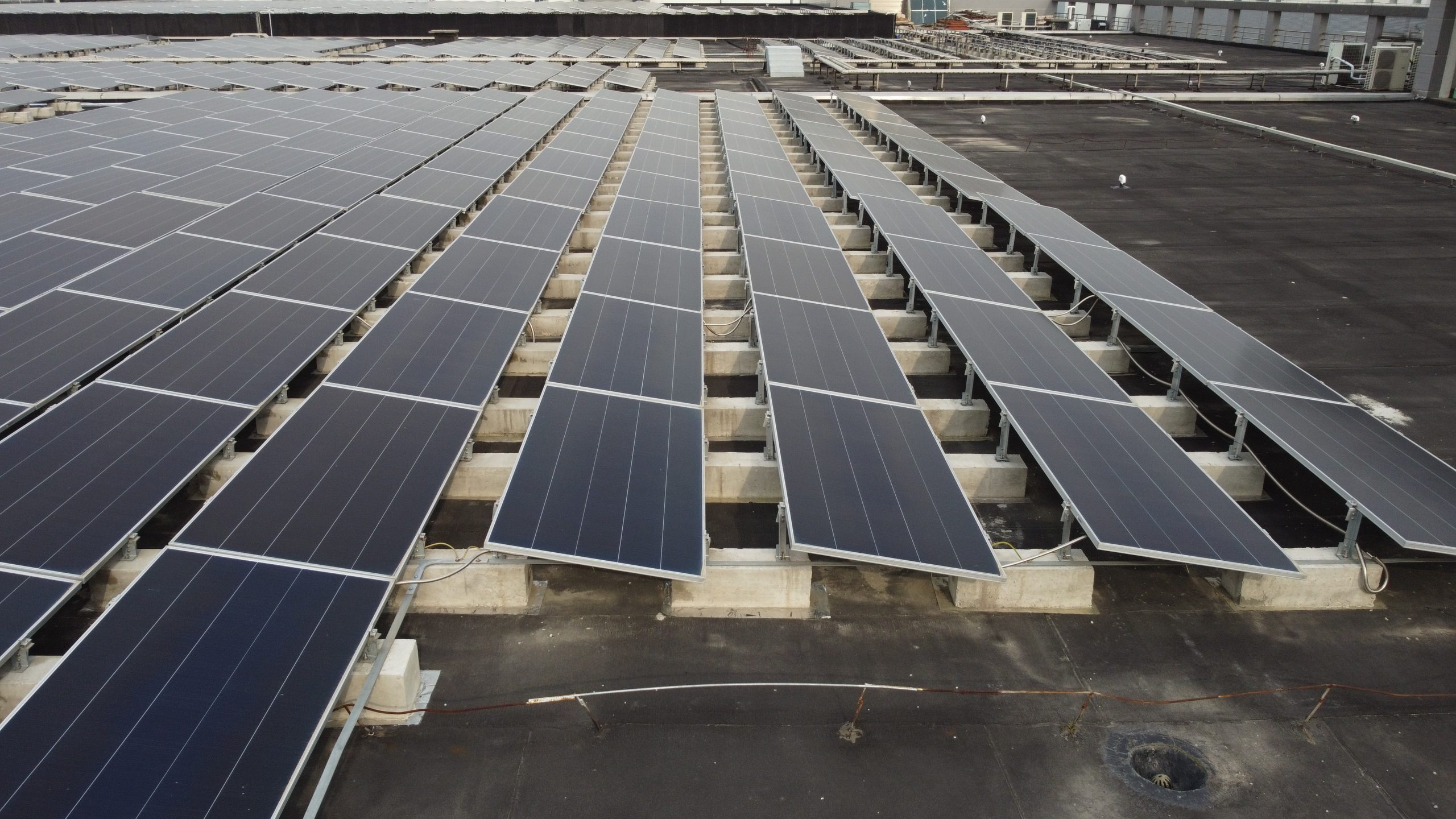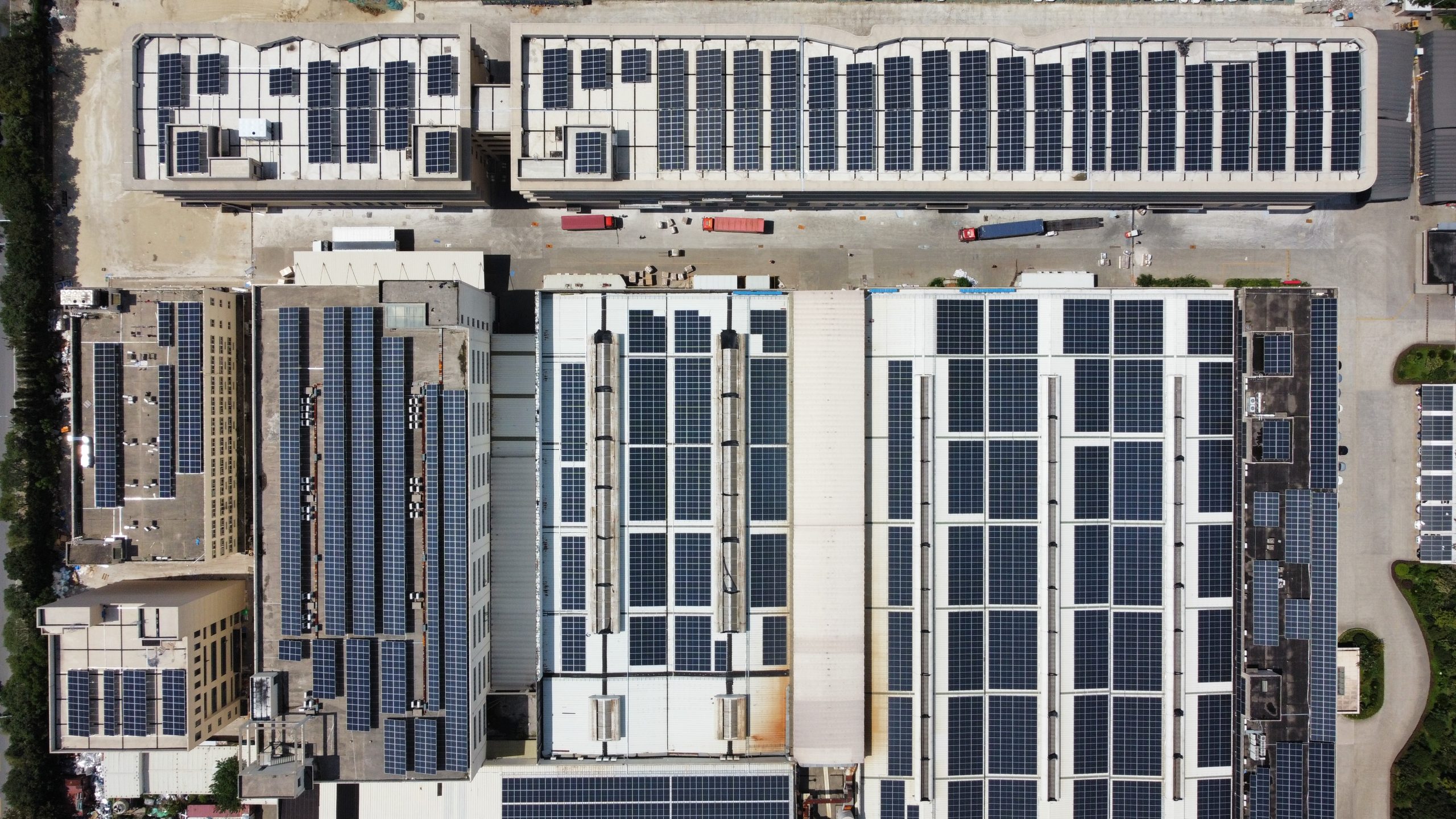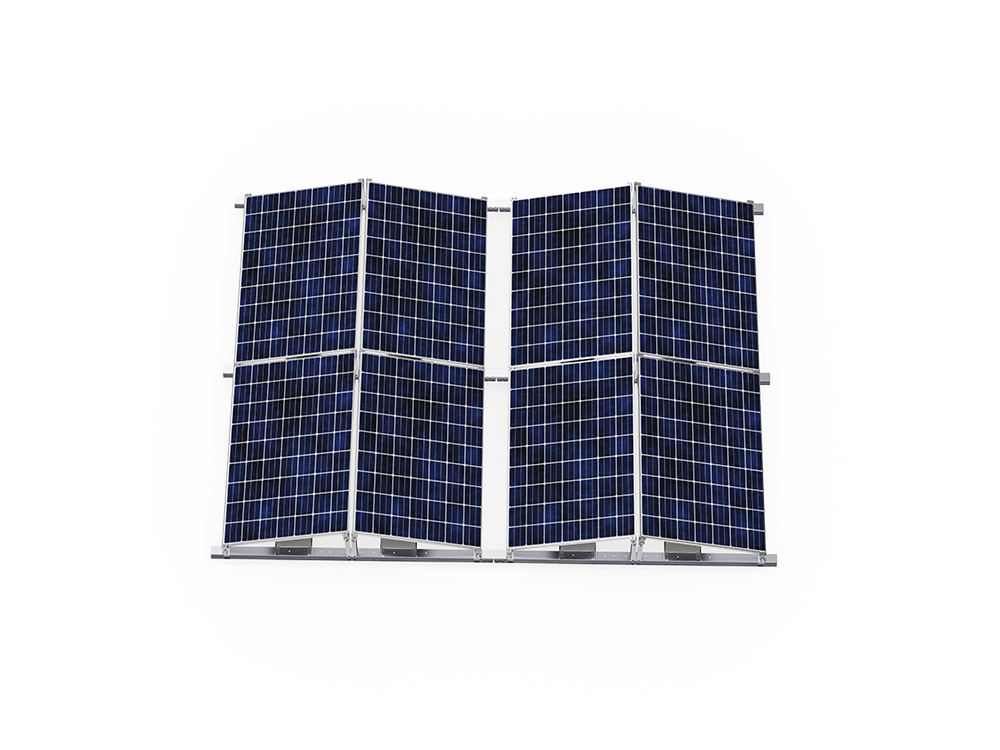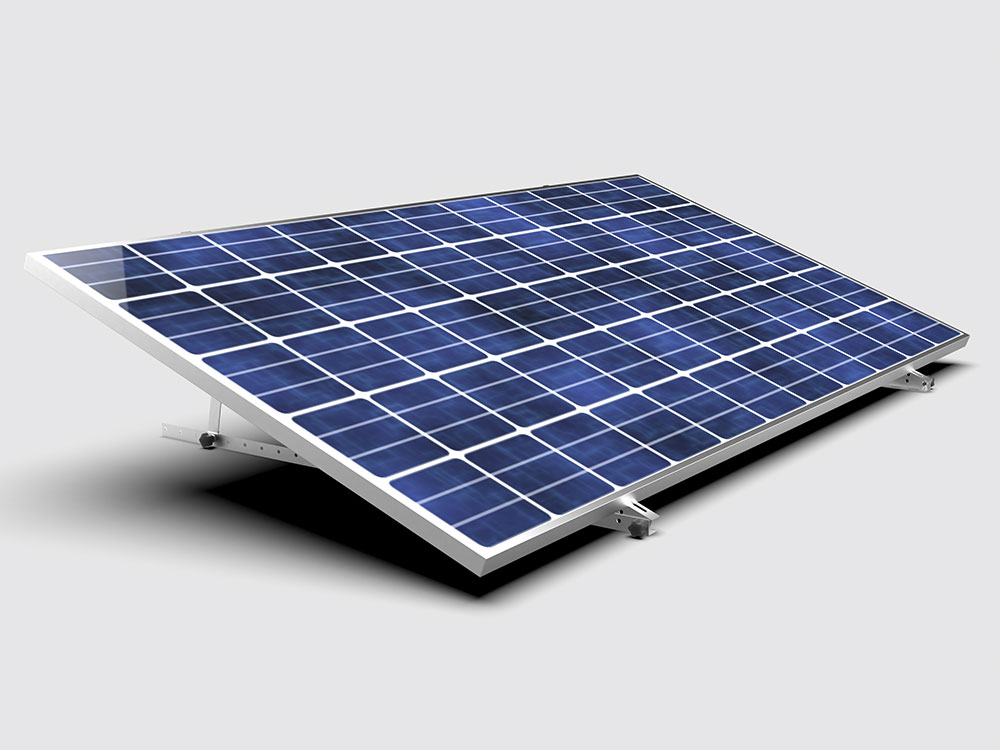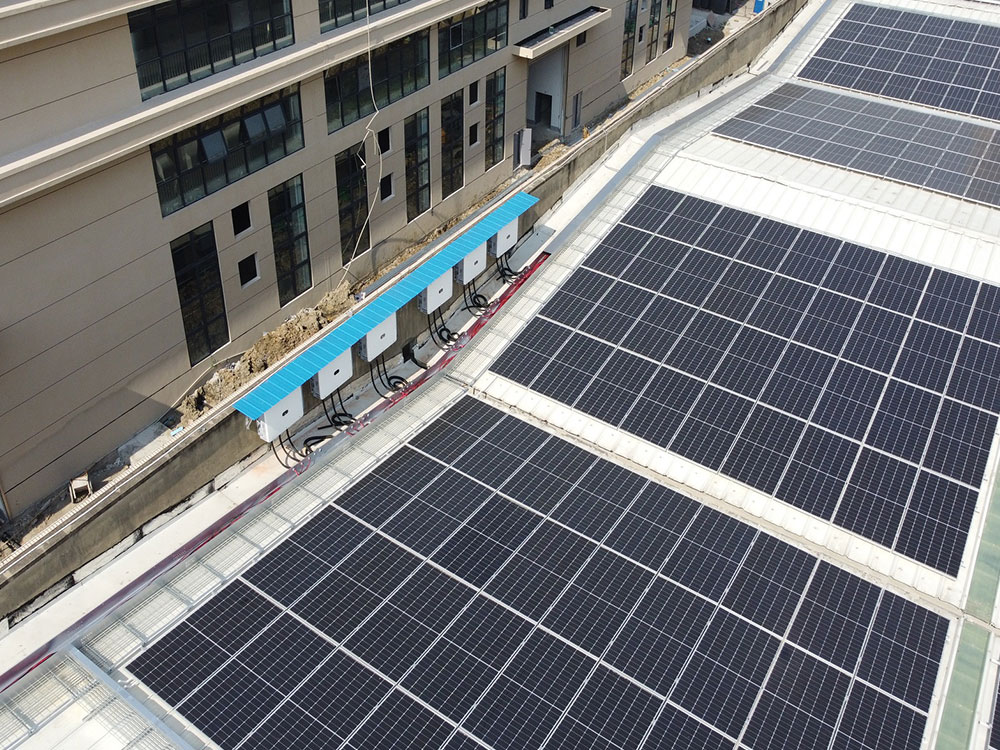
In recent years, as solar power has become increasingly widespread, a significant portion of the inquiries we receive have been about Color Steel Tile roofs. After all, whether it’s factory buildings, logistics parks, or large warehouses, Color Steel Tile roofs are the most common type of roof available. Many business owners want to utilize their idle rooftops for power generation, but they get stuck right at the first step: What kind of mounting system should be used to secure solar panels on these curved, corrugated metal roofs?
Today, let’s discuss this topic. We won’t delve into complex theories; instead, we’ll share some practical experience.
First, there’s one core principle you need to remember: when installing solar panels on Color Steel Tile roofs, the “clamp” method is the top choice—try to avoid drilling holes whenever possible.
Why is that? Color Steel Tile roofing is designed to shield against wind and rain, and its waterproofing relies entirely on the metal sheet and the seams. If you use self-tapping screws to drill holes for mounting brackets, the damage might not be visible at first. But over time—say, three to five years—exposure to wind and sun, combined with thermal expansion and contraction, can cause the area around the screw holes to rust and crack, eventually leading to roof leaks.
Just imagine: if machinery in a factory or goods in a warehouse get waterlogged due to a leak caused by the solar installation, the resulting losses would far exceed any profits from electricity generation. That’s why any reasonably professional installation team will recommend using hole-free clamp-style mounting brackets.
So, how do these “clamps” work?
Simply put, they take advantage of the shape of the Color Steel Tile sheets themselves. To increase strength, corrugated steel sheets are embossed with raised “ribs” on their surface—what we professionals call “corrugations.” The shape of these corrugations varies by manufacturer. The three most common types are: trapezoidal (trapezoidal sheets), standing seam (resembling vertical interlocking edges), and arched (resembling a galloping horse).
Manufacturers have designed different “clamps” (or mounting brackets) to accommodate these various shapes. During installation, workers simply snap the clamp onto the raised ridge of the Color Steel Tile sheet, tighten the screws, and the clamp grips the sheet more and more firmly, holding it securely in place. Next, we install the mounting rails on top of the clamps, and finally secure the solar panels to the rails.
This way, the weight of the entire solar system is distributed through the clamps onto the load-bearing structure of the Color Steel Tile roofing. Not only is installation fast, but it also preserves the roof’s integrity. If you need to remove or maintain the system later, simply loosen the screws—it’s very flexible.
So, can these clamps be used with all types of Color Steel Tile roofing?
In most cases, yes, but there are exceptions. For the oldest, simplest corrugated sheets—those secured directly to the purlins with self-tapping screws—the clamps may not grip properly if the corrugation peaks are too low or the material lacks sufficient strength. In such cases, if solar installation is essential, you may need to consider using structural adhesive or carefully reinforcing specific areas, though this makes the process more complicated and increases costs.
In addition to the mounting method, you should also pay close attention to the material of the mounting brackets.
Currently, there are two main materials for Color Steel Tile roof mounts on the market: aluminum alloy and hot-dip galvanized steel.
Aluminum alloy mounts: They are lightweight, so they won’t add too much load to older roofs. They also offer good corrosion resistance, so you don’t have to worry too much about rust, and they look nice. For most Color Steel Tile roofs, especially factory buildings where the load-bearing capacity just meets the requirements, aluminum alloy is a relatively ideal choice.
Hot-dip galvanized steel brackets: These offer high strength and are relatively inexpensive. However, they are quite heavy, and if the galvanized coating is damaged during transport or installation, there is a risk of rusting later on.
Finally, here’s a common pitfall to watch out for: wind resistance.
Last year, a typhoon hit coastal areas, and many solar panels on Color Steel Tile roofs were blown off. Upon reviewing the incidents, we found that the vast majority were not due to poor-quality mounting brackets, but rather because the spacing between brackets was too wide.
Some installation teams, in an effort to save on mounting rails and labor costs, spaced the brackets too far apart. While this may seem like a cost-saving measure, when strong winds hit, the solar panels act like a large sail, catching the wind and being pulled back and forth. This causes excessive fatigue in the corrugated steel sheets around the brackets, leading to them being torn apart. Therefore, the reliable approach is to strictly follow design specifications when arranging clamps and rails, especially in typhoon-prone areas—never skimp on denser installations where they’re needed.
To summarize:
If your factory has a Color Steel Tile roof and you’re planning to install solar panels, keep these points in mind:
Try to find an experienced team, and first identify the specific type of roof panels on your building (corner-seam, standing seam, or trapezoidal).
Prioritize using dedicated aluminum alloy mounting brackets designed for the system and insist on a “no-drilling” installation method.
Ensure rubber pads are used where the brackets contact the roof panels to prevent slipping and protect the paint finish.
Before construction begins, it’s best to have a structural engineer review the design to confirm the roof’s load-bearing capacity is sufficient before proceeding.
A solar power plant operates for over two decades, and the mounting system is like its foundation—choosing the right one and installing it securely is the key to enjoying a steady stream of revenue. We hope this article helps you avoid some common pitfalls.
For more professional advice, click here: Contact Us