When it comes to solar mounting systems, many people’s first reaction is, “It’s just a metal frame, right?” But anyone who has actually built a solar power plant knows that choosing the wrong mounting system leads to a host of problems down the line. This isn’t an exaggeration—I’ve seen several solar power plants where mounting issues caused the structures to be blown over by the wind or corrode to the point where they were too dangerous to touch, and in the end, the electricity generated didn’t even cover the maintenance costs.
So how do you choose a reliable mounting system? Let’s discuss this from a practical, real-world perspective.
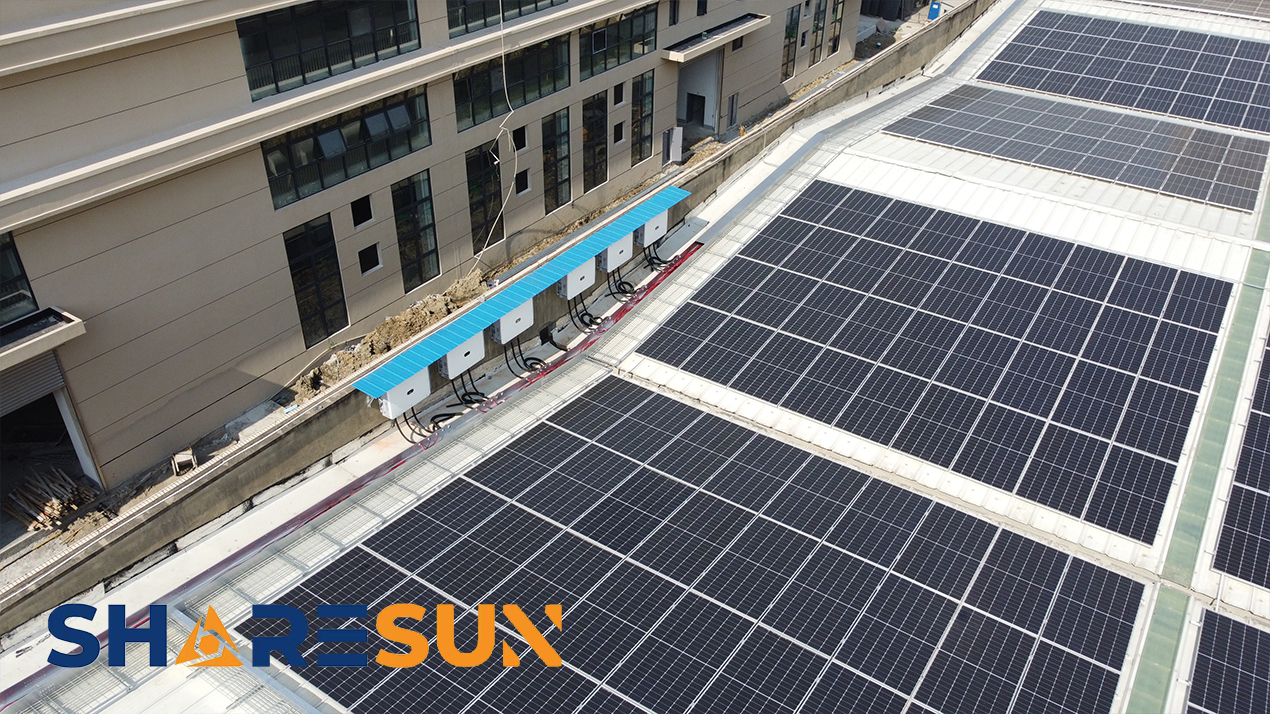
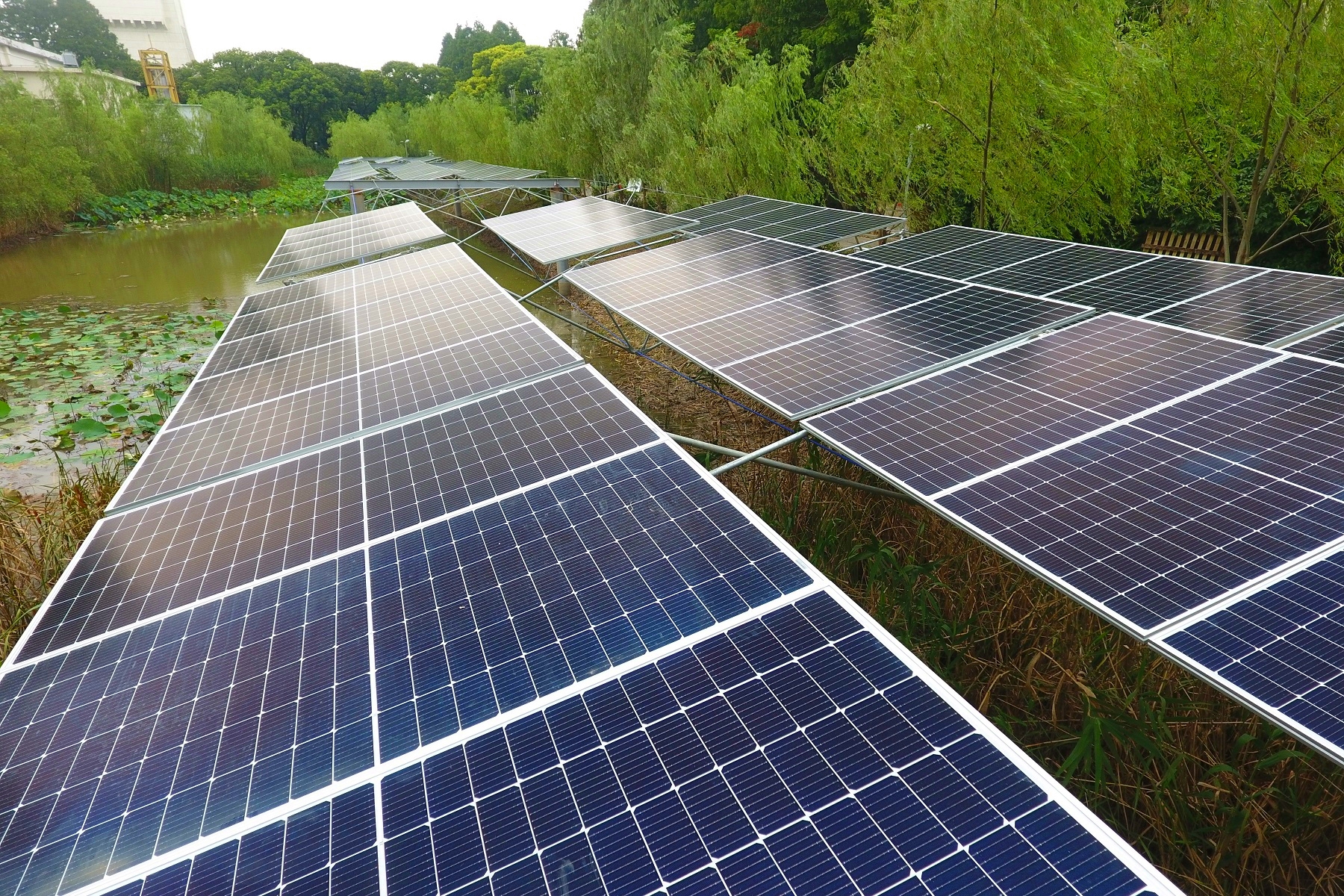
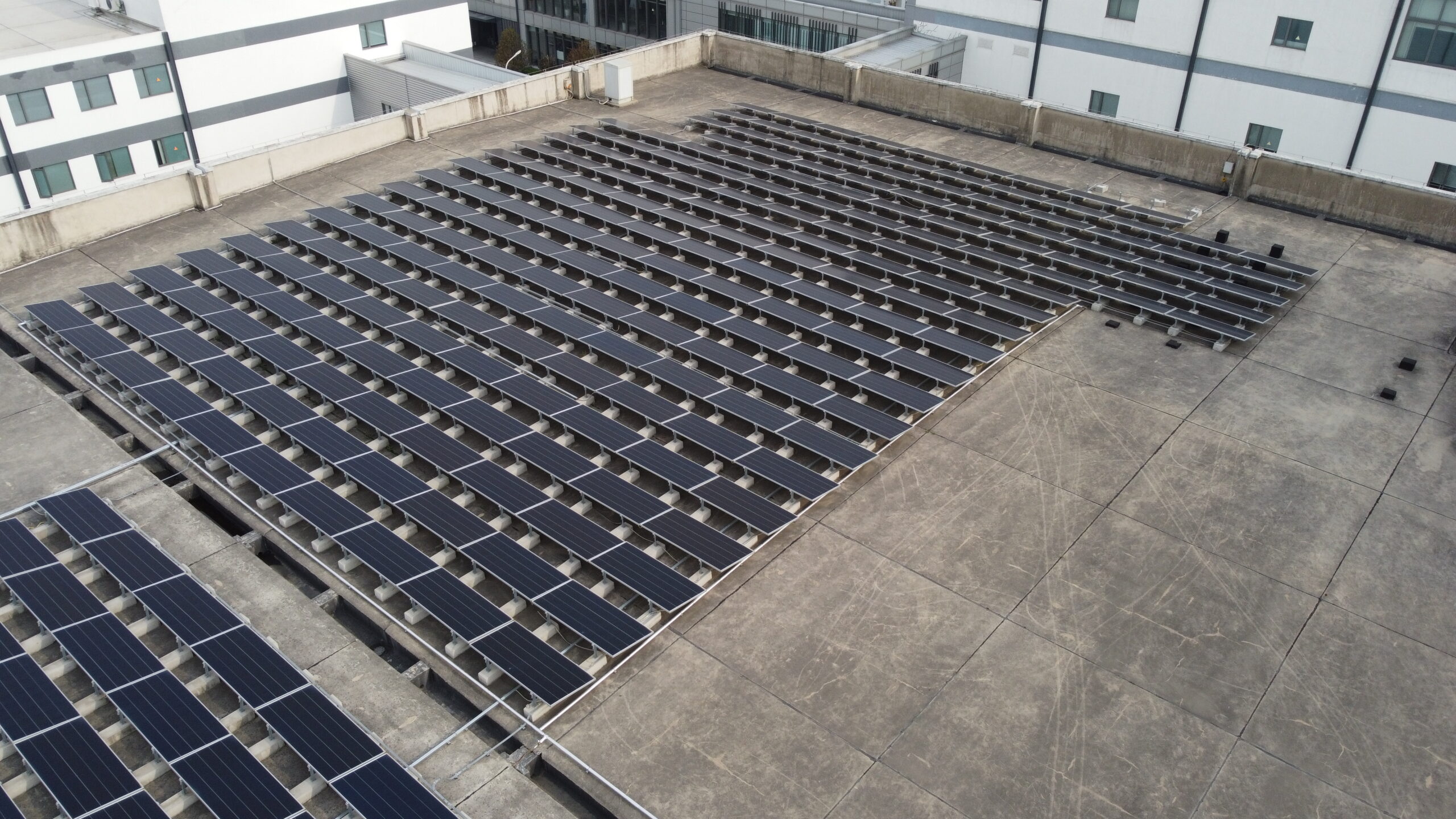
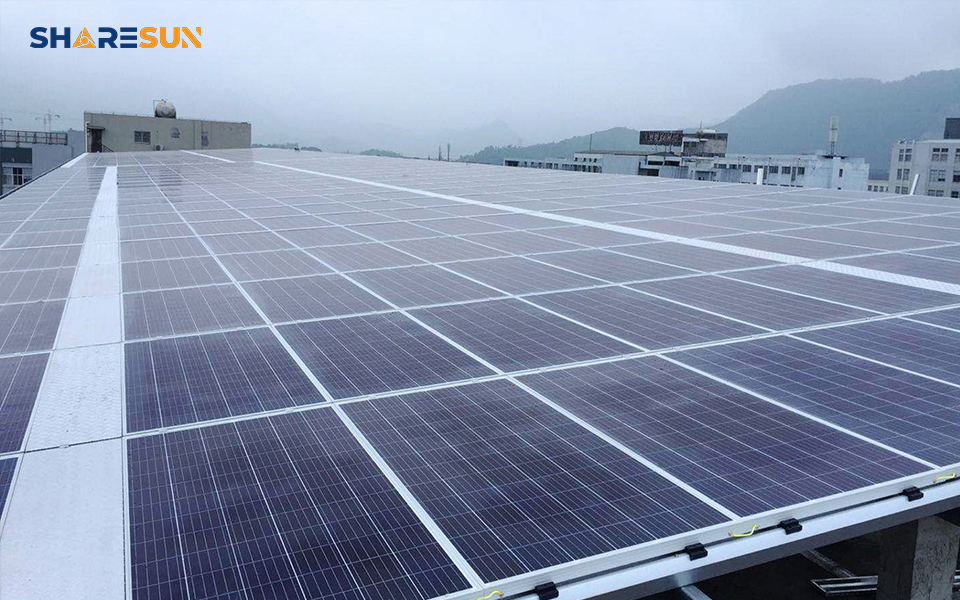
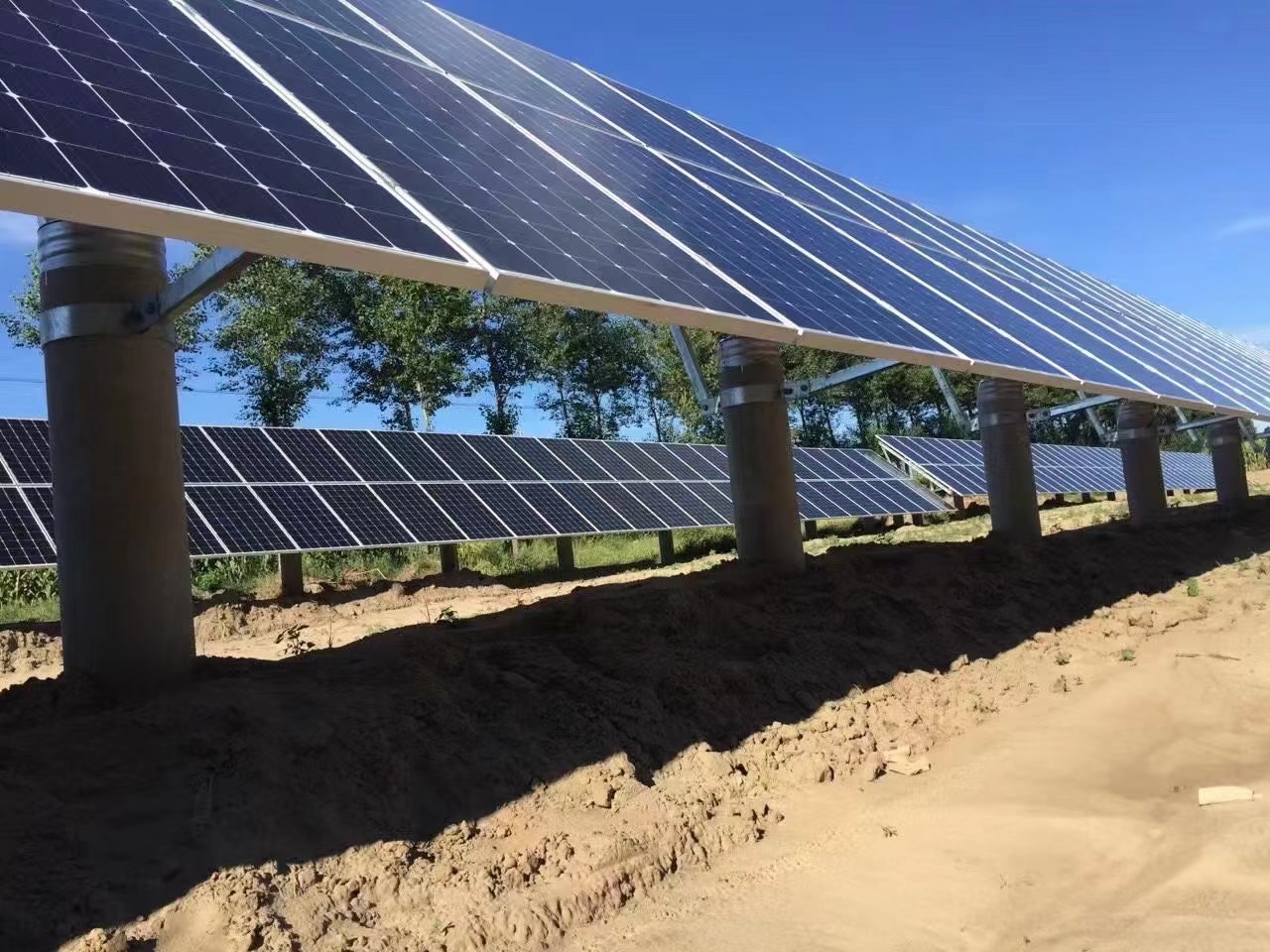
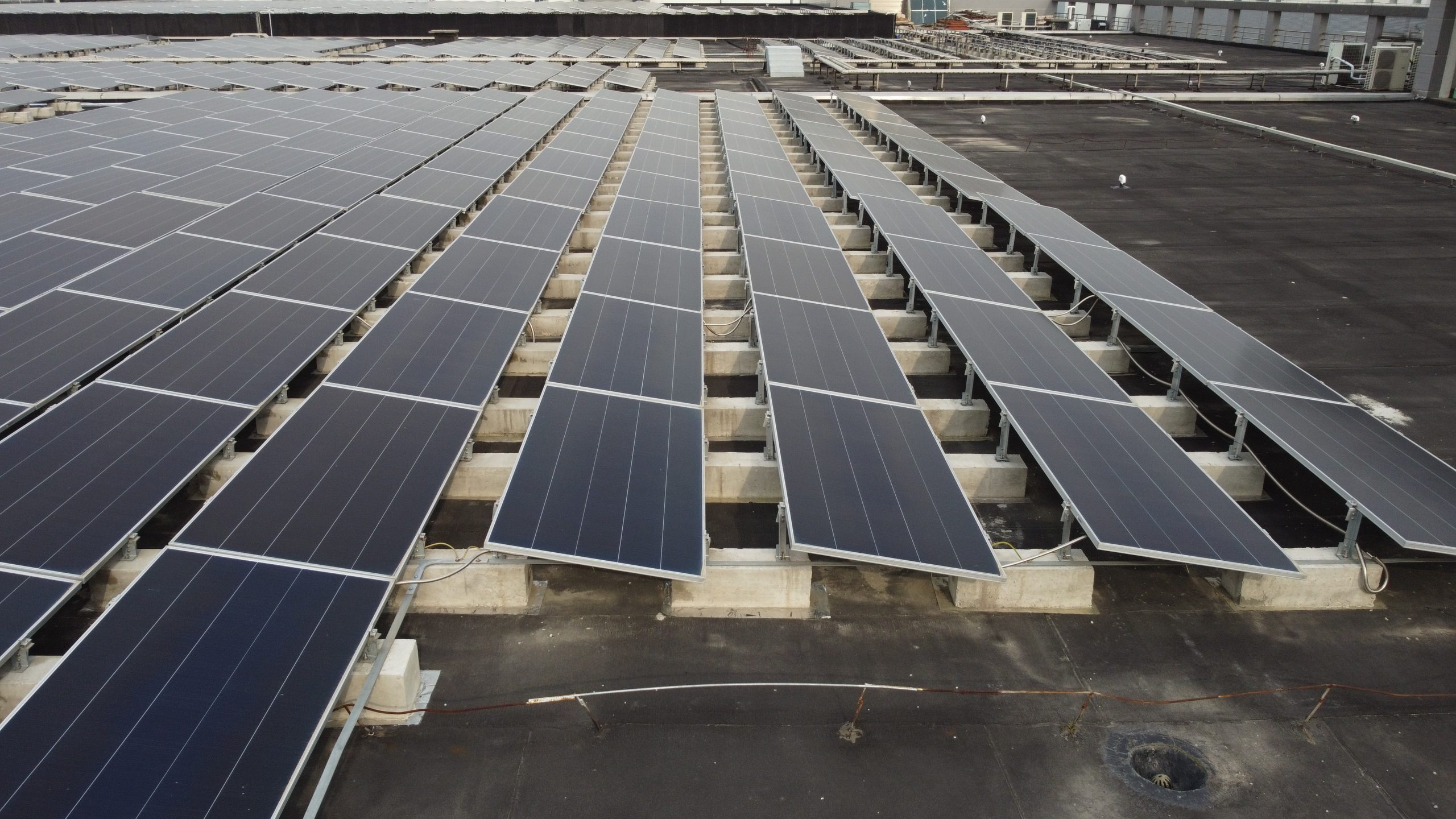
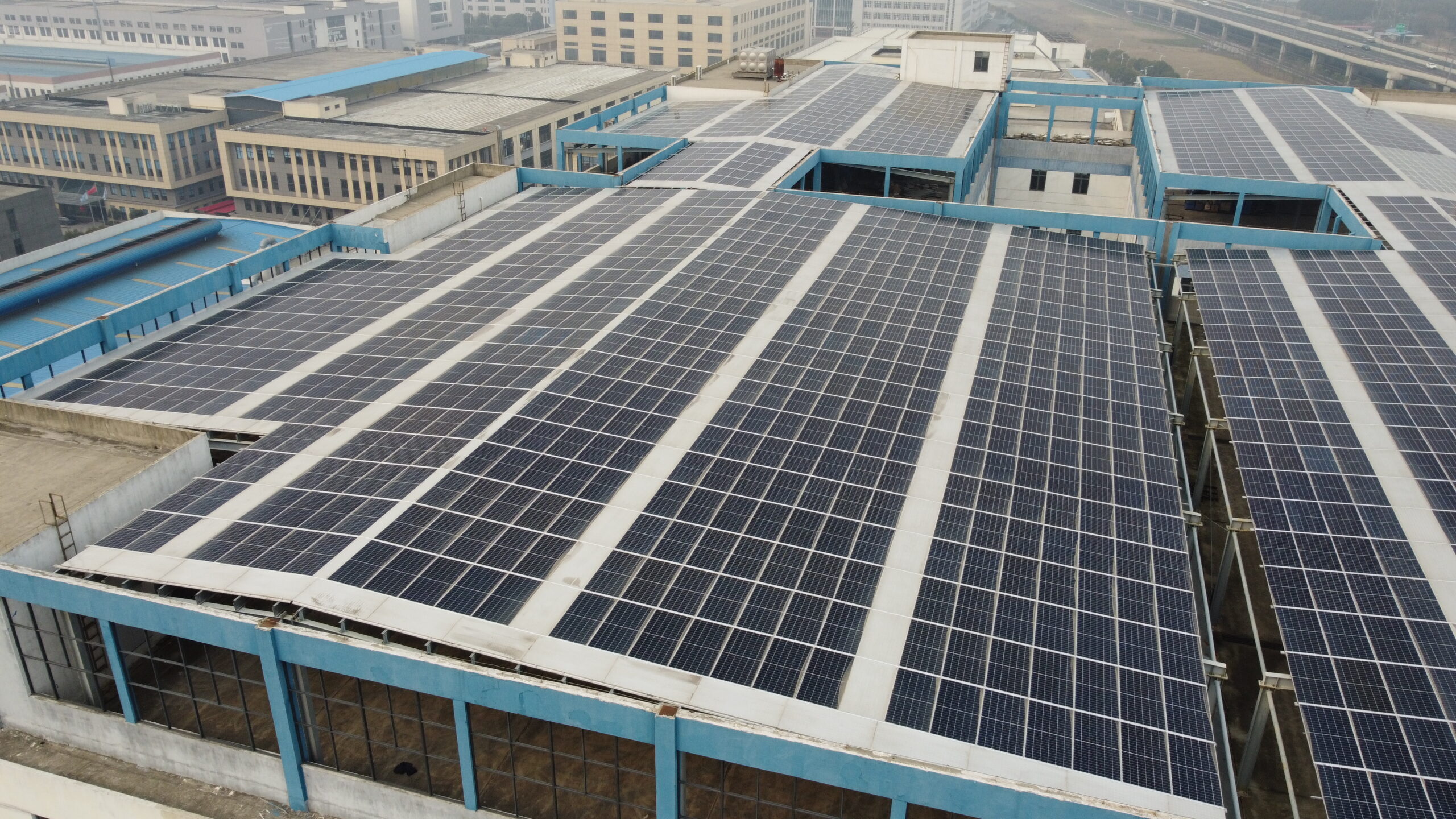
First, you need to consider the installation environment. The requirements for mounting systems on rooftop power plants and ground-mounted power plants are completely different. Flat concrete roofs are relatively straightforward, with a low center of gravity, but you must pay attention to waterproofing and ballast. Color-coated steel roofs are a bit trickier; the clamping force and sealing of the mounting brackets are critical. If chosen poorly, the consequences range from minor leaks to the entire roof being blown off. For ground-mounted plants, the biggest threat is wind, especially in open areas. The burial depth of the mounting bases and the ballast of the concrete foundations must be carefully calculated—it’s not just a matter of digging a hole and pouring concrete.
In terms of materials, there are currently two mainstream options: hot-dip galvanized steel and aluminum alloy. Hot-dip galvanized steel is inexpensive and durable, suitable for most scenarios. However, some small manufacturers cut corners on the thickness of the galvanized coating to save costs; while this may not be apparent during installation, the structure will become heavily rusted within three to five years. Aluminum alloy is lightweight and corrosion-resistant, making it a reliable choice for coastal areas or sites near chemical plants. The downside is that it is more expensive and less strong than steel, so thicker sections are required for large spans or high-wind areas. There is also a relatively new zinc-aluminum-magnesium alloy, which offers corrosion resistance between the two and good value for money; it is currently being used in an increasing number of projects.
Structural design is often overlooked, but it is actually particularly important. A well-designed support system accounts for thermal expansion and contraction, includes drainage holes to prevent water accumulation, and ensures reasonable flexibility in the connection components. Poor designs often focus solely on load-bearing capacity while neglecting fatigue failure caused by long-term vibration and temperature fluctuations. Even more problematic is that some manufacturers, in an effort to make their quotes look attractive, use very thin materials and adjust parameters in their calculations to be overly idealistic, resulting in structures that feel flimsy and unstable once installed on-site.
Ease of installation must also be taken into account. On-site construction workers vary in skill level, and if the support system is designed too complexly with countless types of components, installation errors are highly likely. Leading manufacturers now promote modular designs with high part interchangeability and clear installation logic—workers can figure out how to install it at a glance. This not only speeds up the process but also minimizes the error rate.
Finally, let’s talk about choosing a manufacturer. Don’t just look at the quote; ask about their past projects, especially older ones that have been in operation for more than three years. Ask if the brackets have warped, if the bolts have loosened, or if the surface coating has peeled off. Also, confirm whether the manufacturer can provide a formal structural calculation report, as this is a mandatory document for many project acceptance inspections. Make sure to clarify after-sales service as well—problems with brackets often arise several years after installation, and being unable to contact the manufacturer when that happens is the most frustrating scenario.
Ultimately, choosing a mounting system is like picking shoes for someone—only the foot knows if they fit. Don’t be swayed by flashy marketing, and don’t focus solely on haggling over price. Take the time to thoroughly analyze the environment and compare materials to select a solution that truly suits your needs. For the stable operation of the entire power plant over the next two or three decades, this investment of time is well worth it.
If you’d like to learn more about product selection, check out this guide we’ve put together: What Are the High-Quality Solar Mounting Solutions?