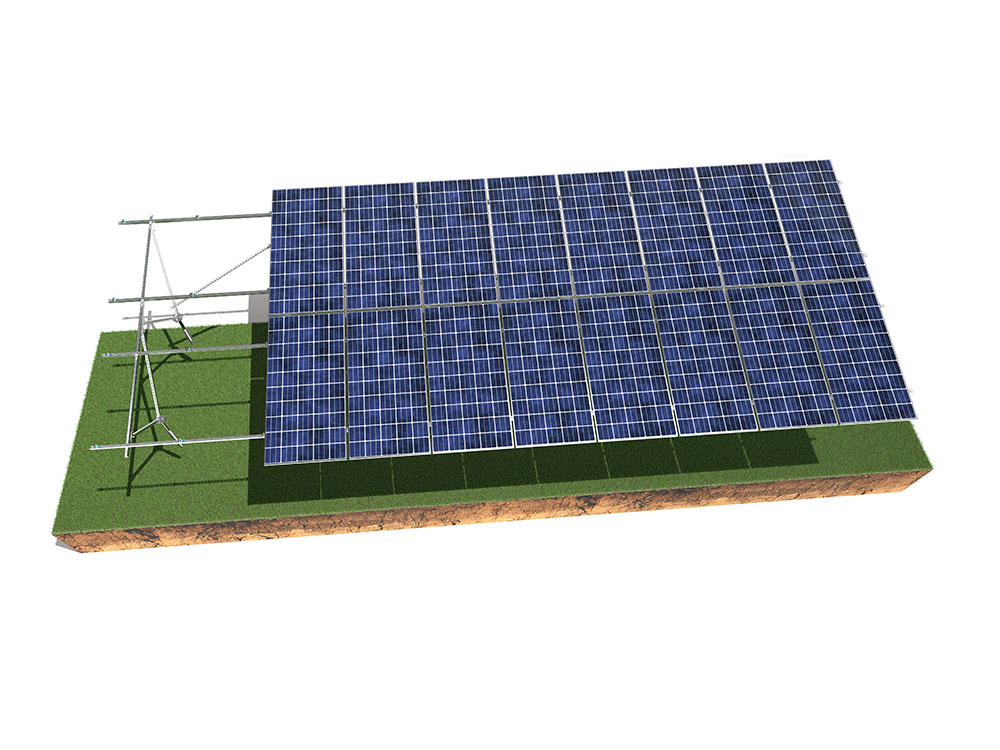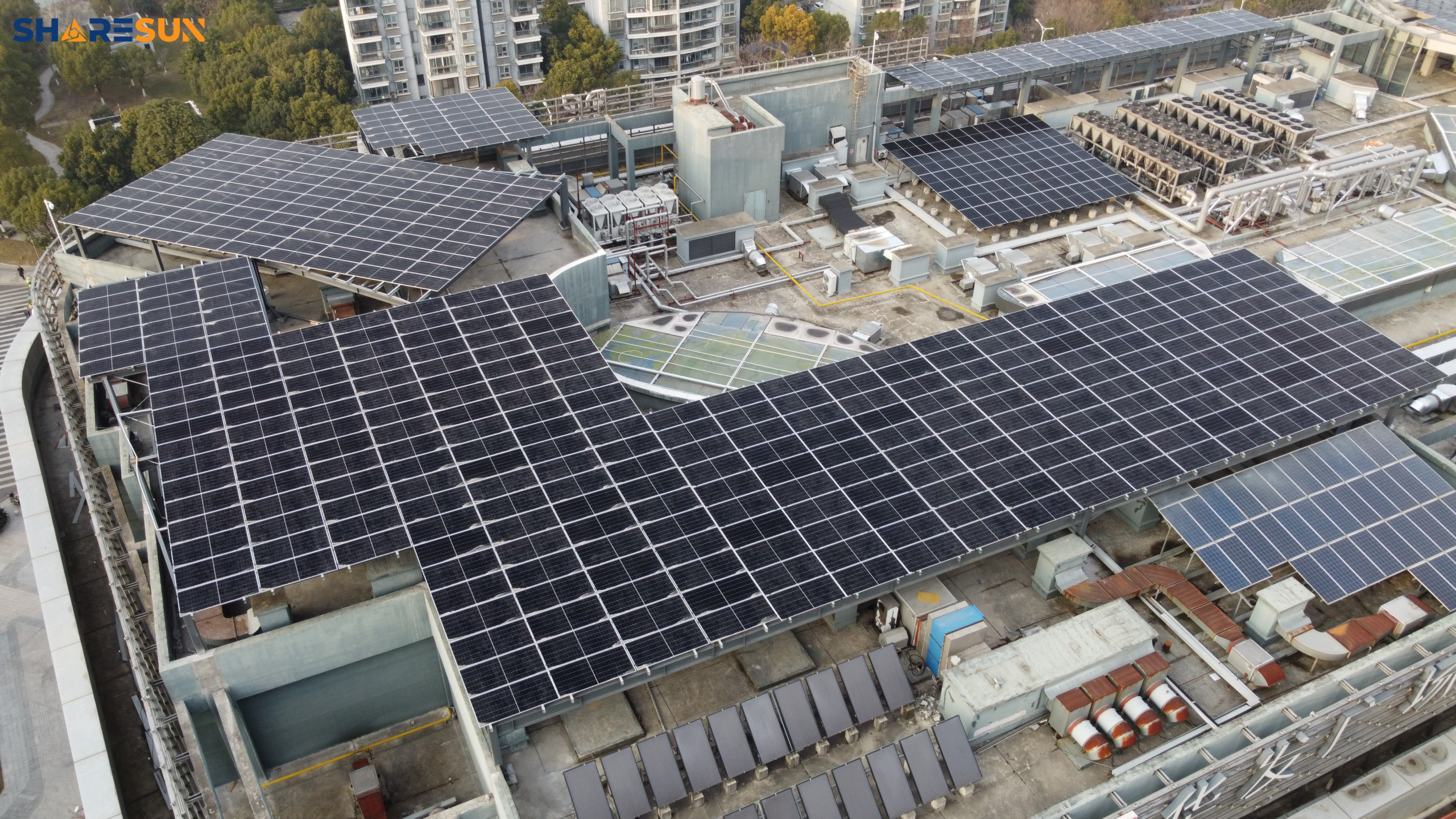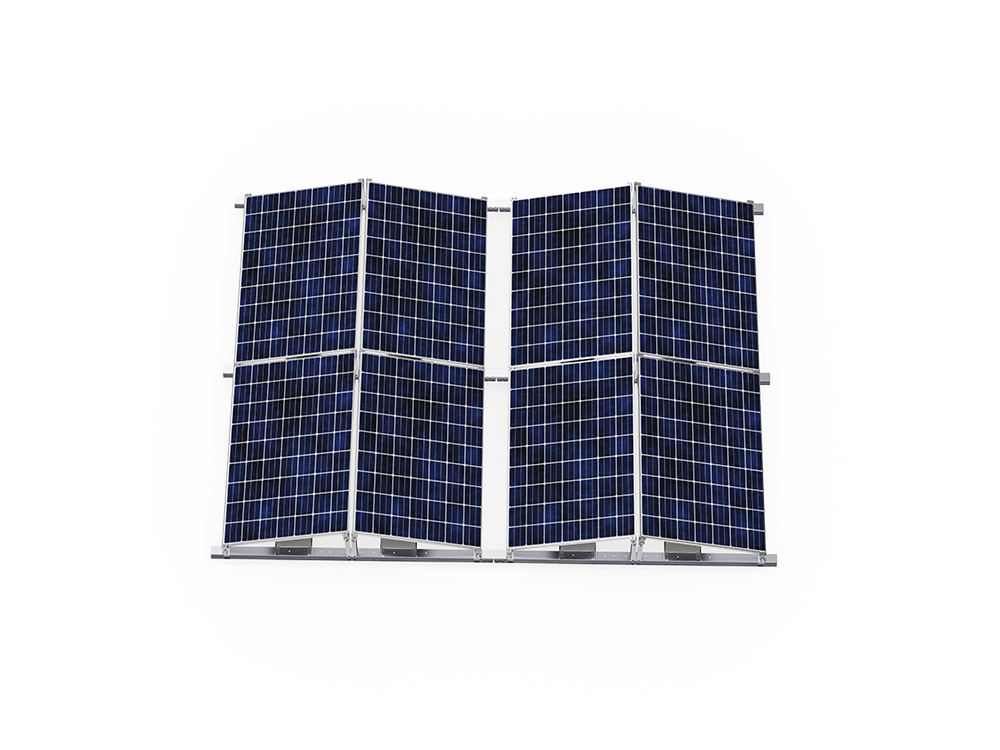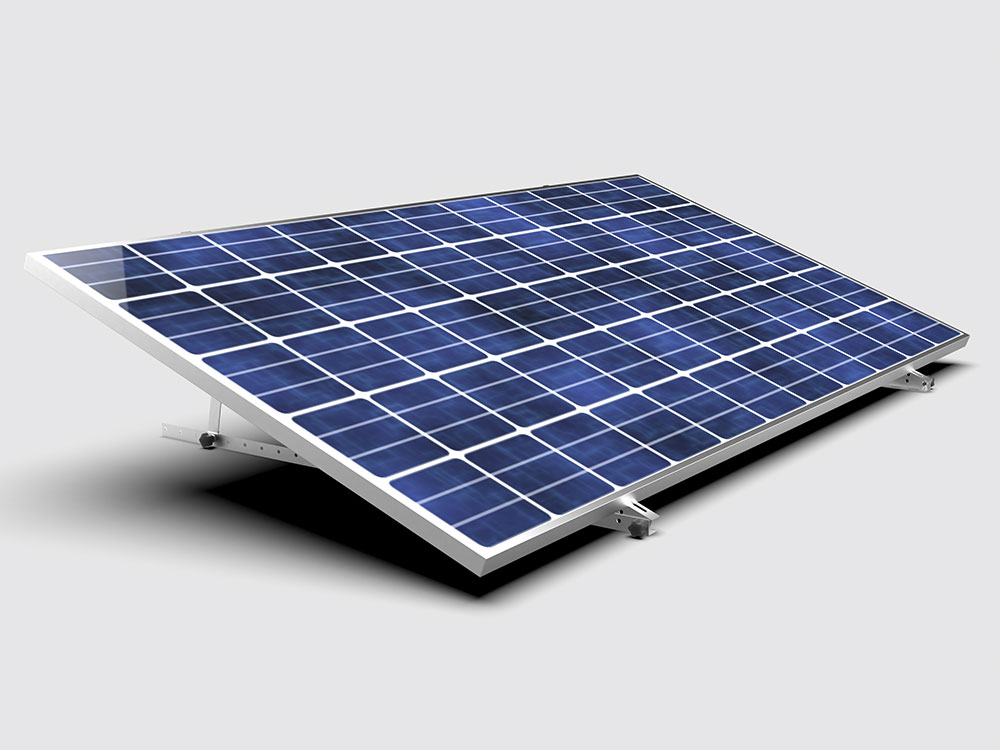
Cable Structure solar mounting systems, also known as flexible solar mounting systems, have been gaining increasing attention in the industry in recent years. Many people want to know exactly what types of projects they are suitable for and whether they are better than traditional mounting systems. Let’s take an objective look at the facts.
What Problems Do Cable Structure Mounting Systems Solve?
Traditional PV mounting systems are rigid structures that require a pile to be driven every few meters, limiting span lengths. To achieve longer spans, thicker steel and denser pile foundations are needed, which significantly increases costs.
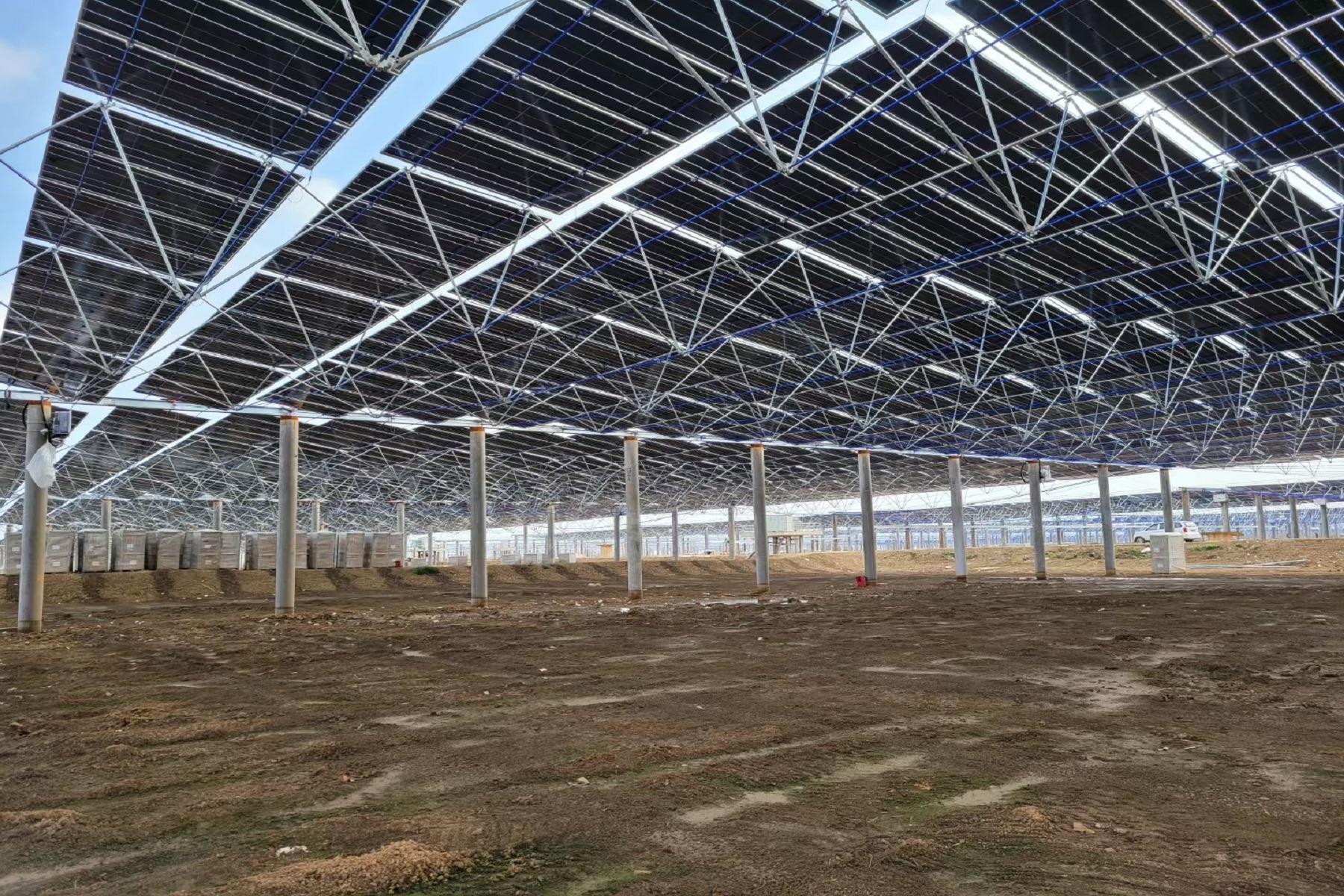
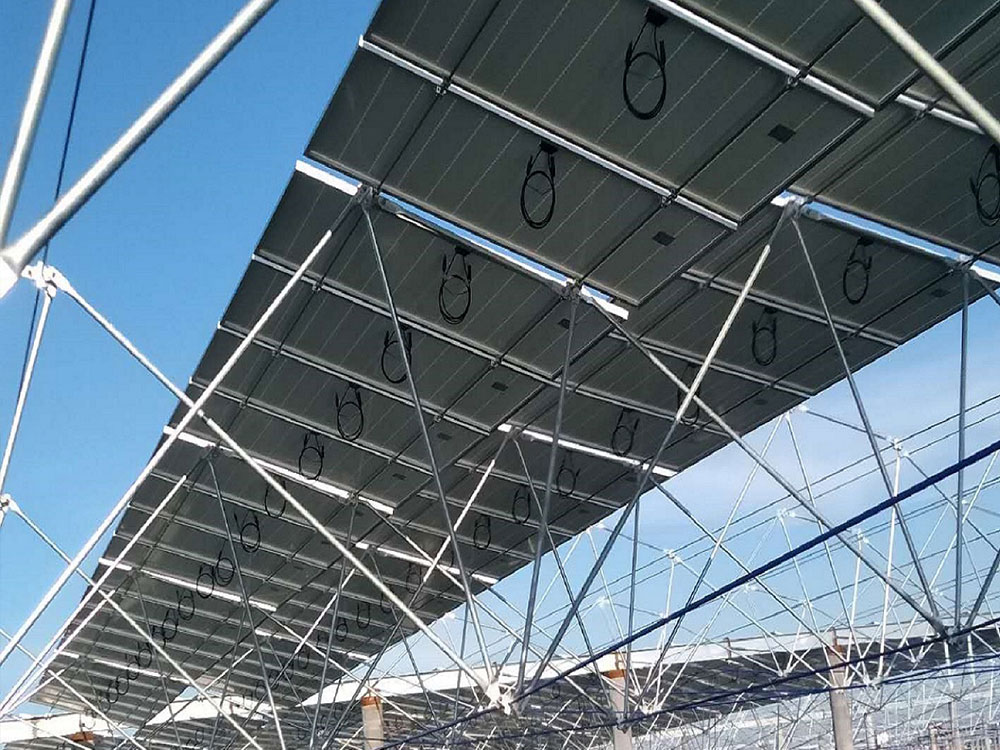
Cable Structure mounting systems use prestressed steel strands (cables) to bear the load, with the solar panels mounted directly on the cables. This allows for spans of tens of meters, drastically reduces the number of piles, and lowers steel consumption—on flat ground, steel usage per megawatt can be reduced to 18 to 25 tons, whereas traditional mounting systems typically require over 30 tons.
When should you choose this option?
Complex mountainous terrain
Mountainous terrain is uneven. With traditional mounting systems, you either have to level the ground (which is costly and damaging to the ecosystem) or install them only on flat areas. Cable Structure structures can “follow the natural contours of the terrain.” By adjusting the height of the support columns, the cables can span continuously across undulating terrain, significantly improving land utilization.
Water-based projects such as fish ponds and wastewater treatment plants
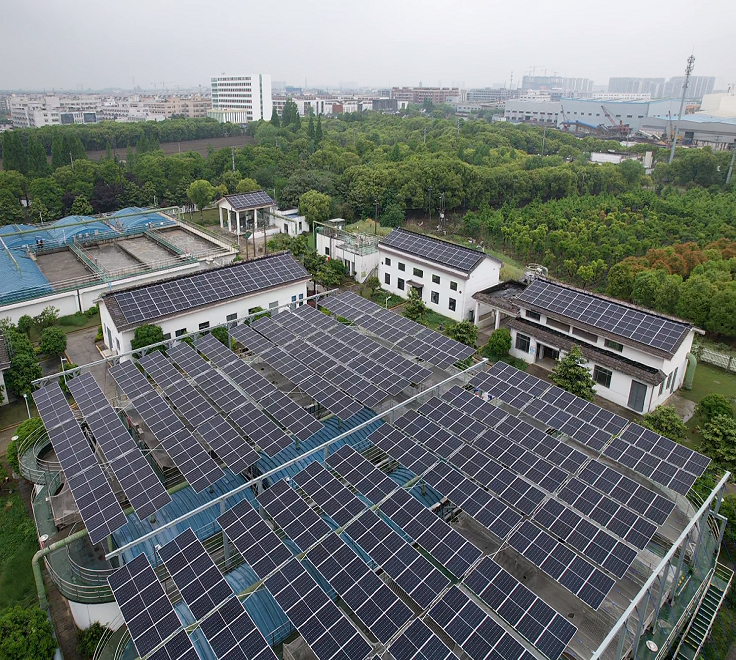
Driving too many piles into the water affects fish farming and increases costs. Cable Structure structures require piles only at both ends every few dozen meters, leaving the water surface completely unsupported in between. While traditional structures require over 200 piles per megawatt, Cable Structure structures can reduce this to just over 120. For wastewater treatment plant basins where piling is not feasible, spanning across from both sides is a key strength of Cable Structure structures.
Soft Ground Conditions Such as Deserts and Tidal Flats
Sand is soft, making traditional piling both labor-intensive and water-intensive. Cable Structure structures require fewer piles and have lower ground requirements. The cables are elastic; when strong winds blow, they dissipate energy through deformation rather than resisting the force directly. Some projects in Xinjiang’s high-wind zones have withstood winds exceeding Force 12 for many years, while others have withstood Typhoon Force 17, all operating safely.
Scenarios Requiring Preservation of Existing Ground Functions
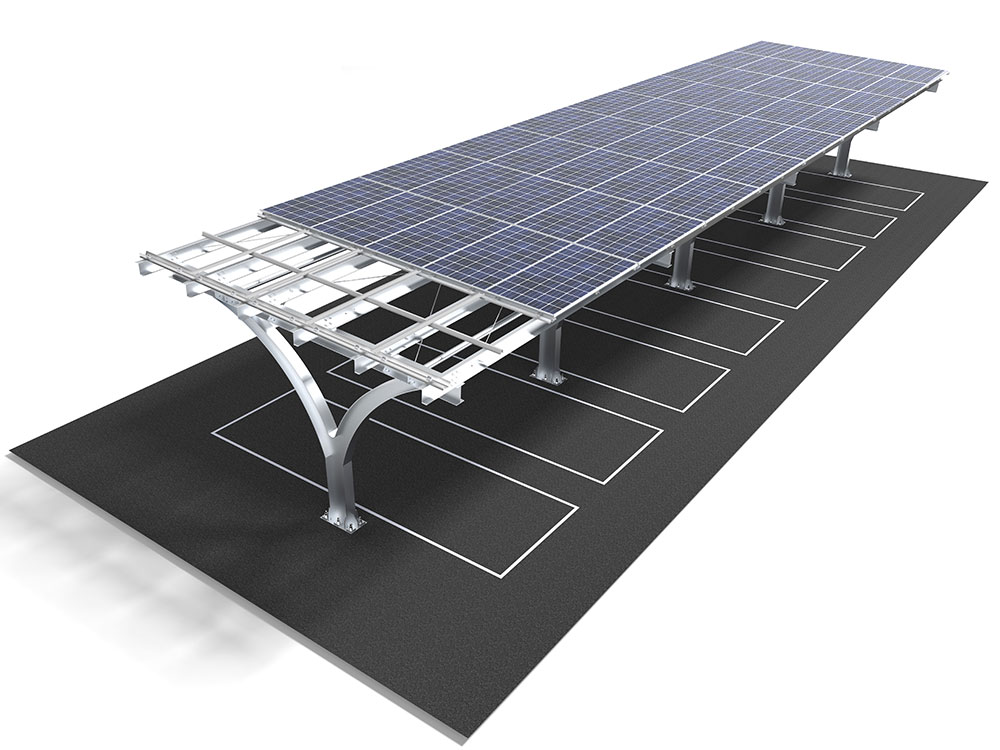
Examples include mining areas, landfills, pathways between agricultural greenhouses, and parking lots. Cable Structure scaffolding offers high clearance and long spans, allowing it to span these sensitive areas while requiring foundations to be installed only at the ends where construction is permitted.
When Is It Not Recommended?
It is unnecessary for small sites. If the site is level and not very large, traditional scaffolding is simpler and more cost-effective.
Exercise caution for projects with extremely high flatness requirements. Cables will have some sag (typically, sag at the midspan is controlled at around 1/300 of the span; for a 15-meter span, this is approximately 5 centimeters). While most projects can tolerate this, it is not suitable for all scenarios.
High construction quality standards are required. Cable tensioning must be performed by a professional team; this is not a task that just any construction crew can handle properly.
Summary
The most suitable scenarios for Cable Structure photovoltaic mounting systems can be summarized in four words: large, complex, soft, and preservation.
Large: Requires large spans
Complex: Complex terrain
Soft: Soft ground (water surfaces, deserts)
Preservation: Requires preservation of ground functionality
If your project meets any of these criteria, Cable Structure mounting systems are worth serious consideration. One final reminder: When selecting this technology, be sure to find an experienced design and construction firm. Reviewing actual case studies is far more reliable than simply comparing prices.
For more professional advice, Contact Us