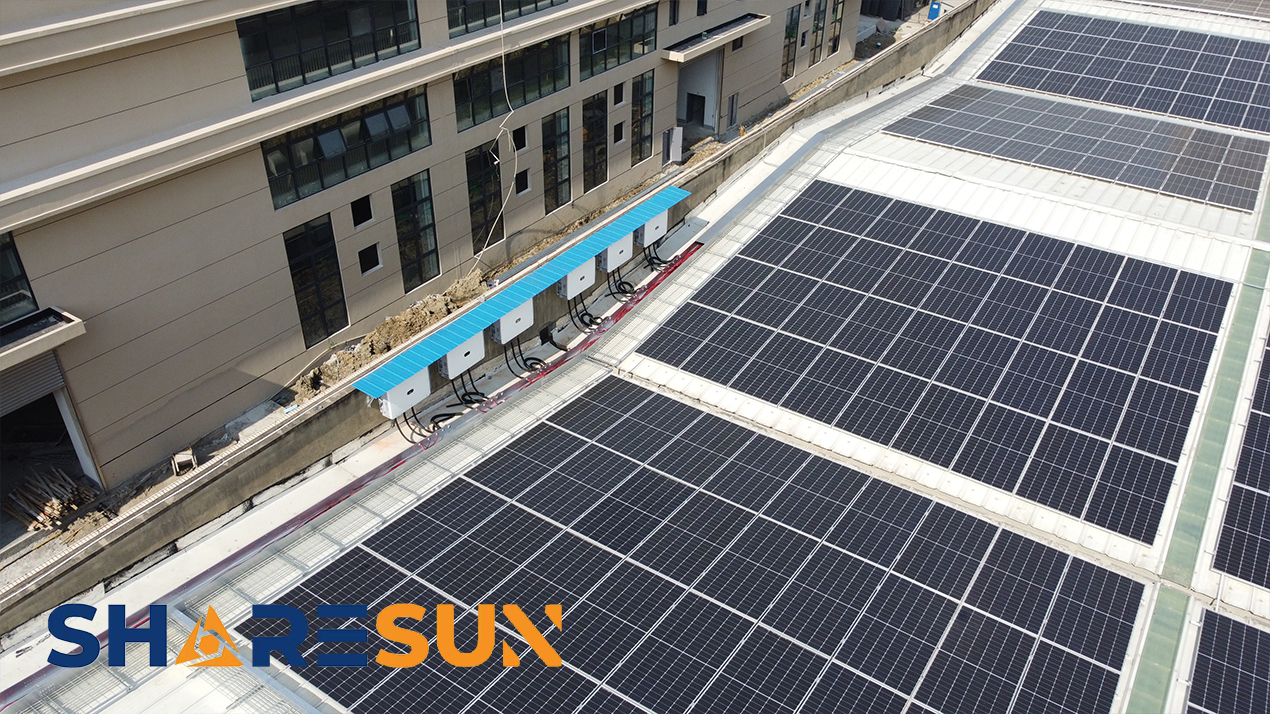
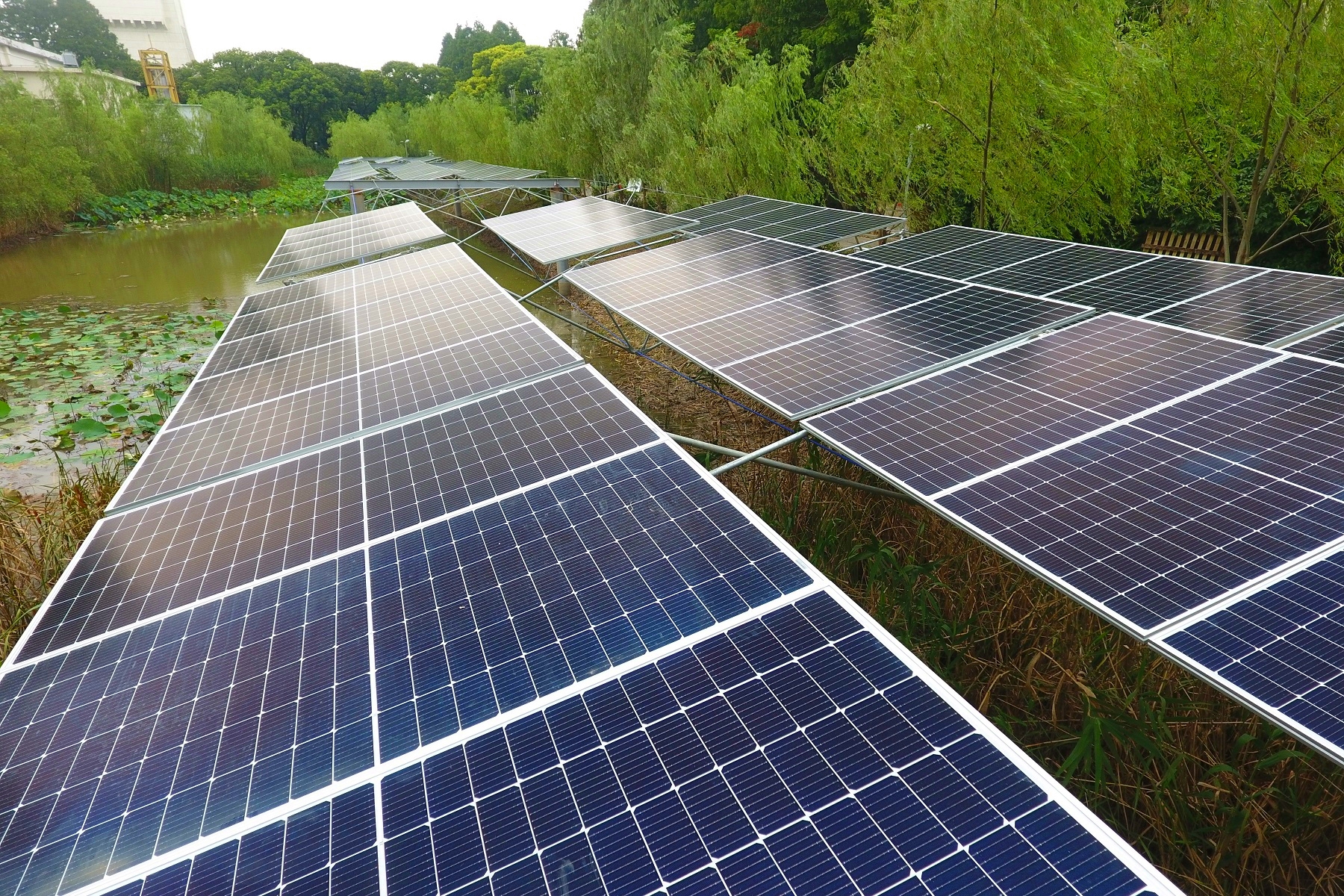
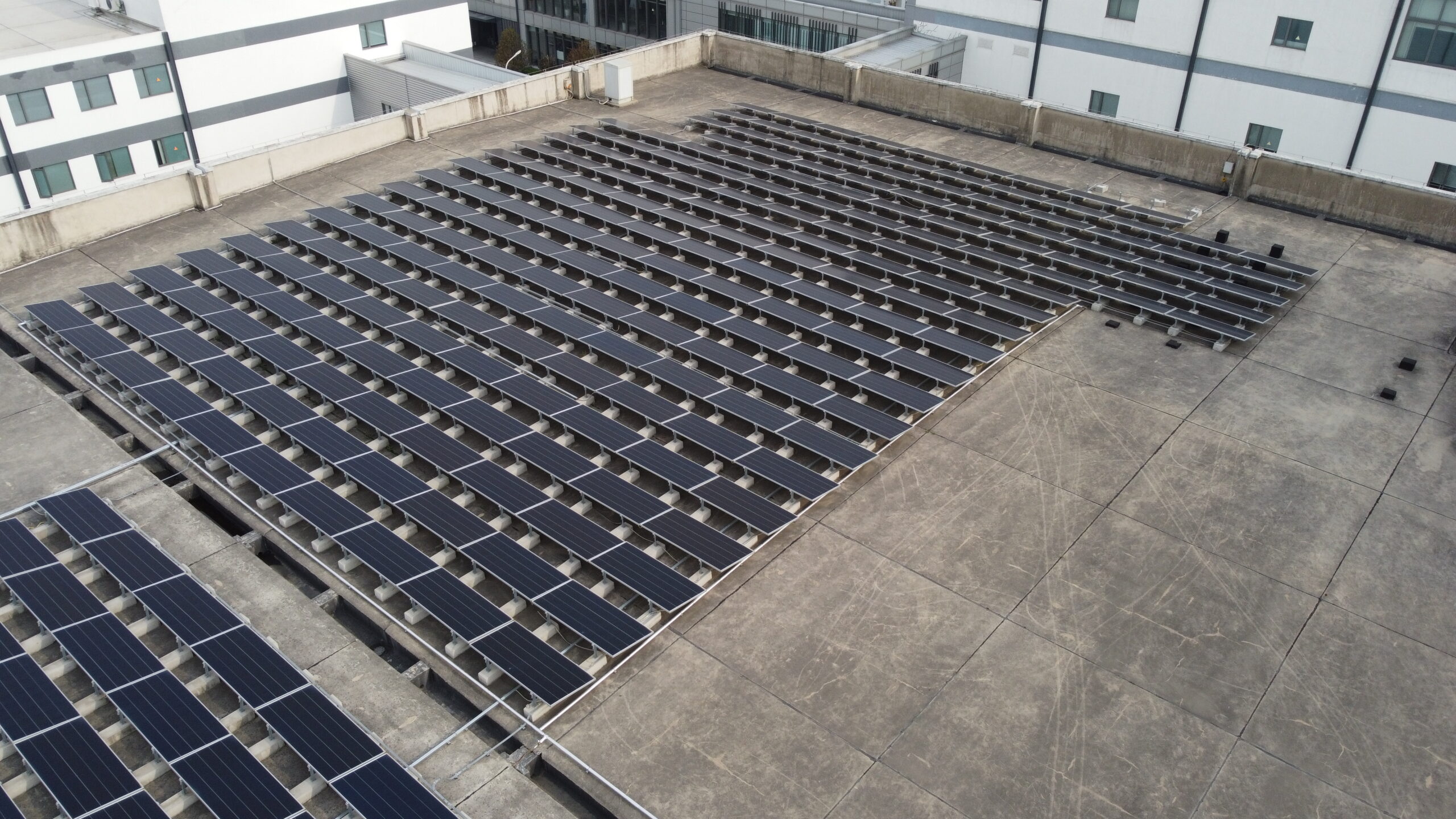
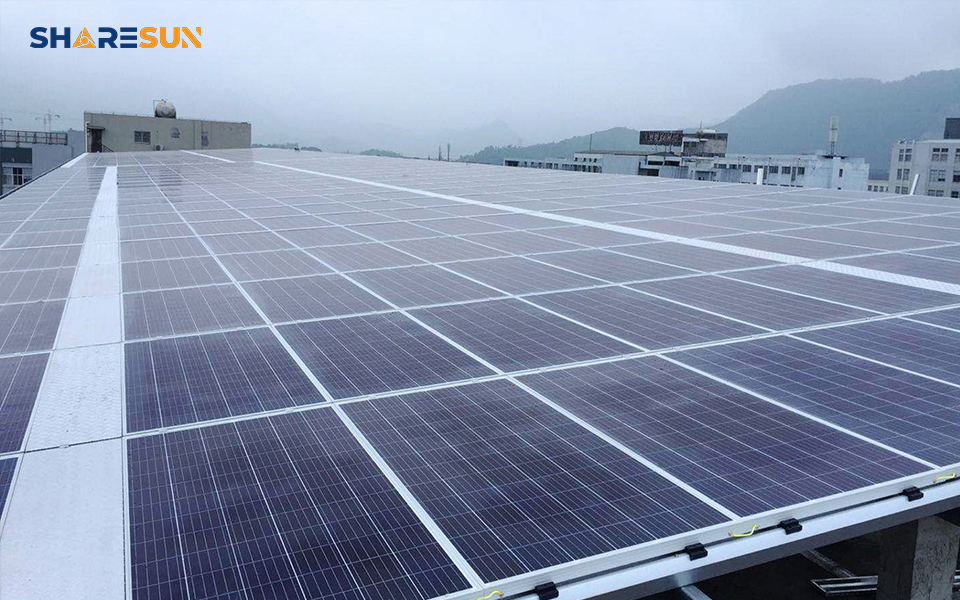
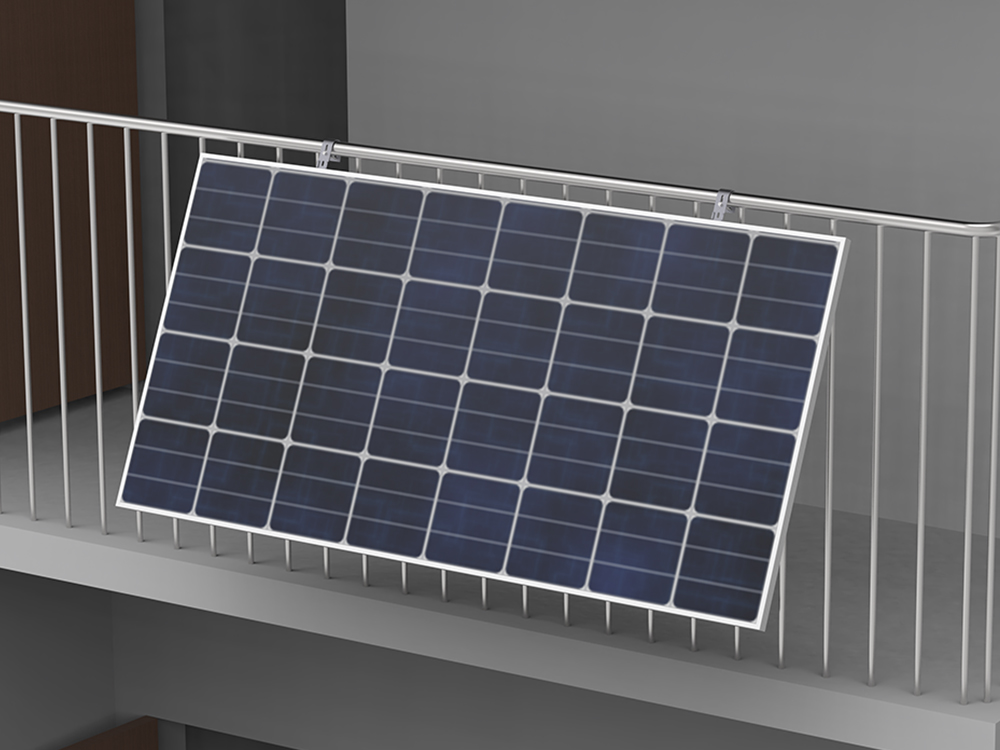
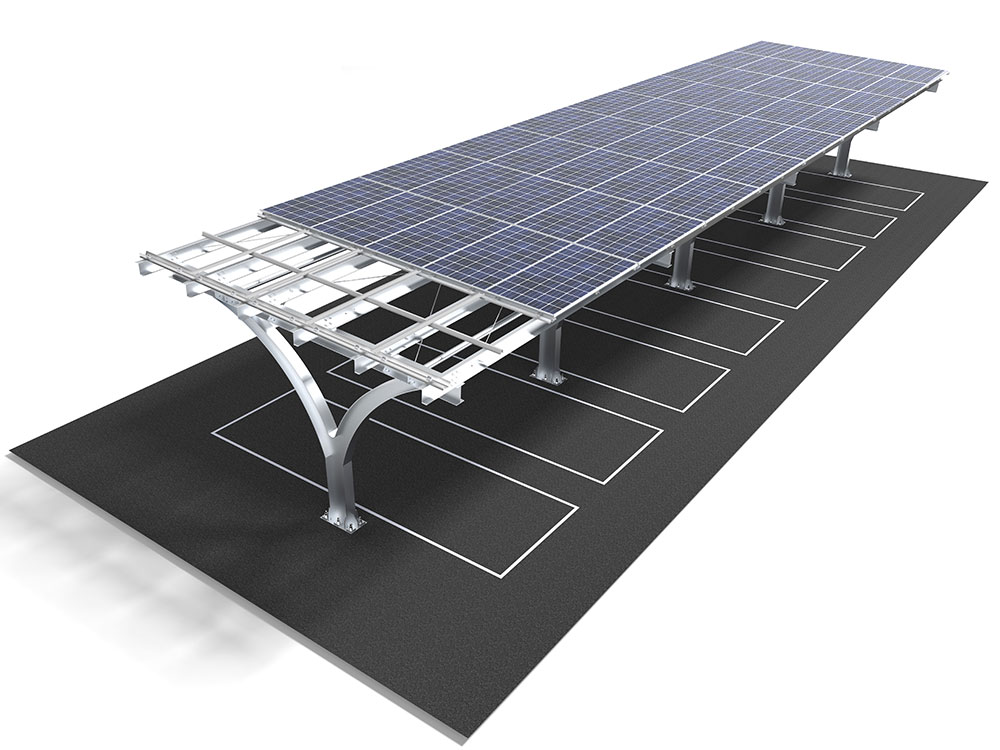
With government incentives and support, more and more people are installing solar mounting systems. Recently, many people planning to install solar panels have been asking me: What is the best material for solar mounting systems? For those who aren’t very familiar with solar power, it’s important to do your research beforehand—after all, choosing the wrong mounting system can lead to a lot of headaches down the road.
Currently, the mainstream materials for solar mounting systems on the market include hot-dip galvanized steel, aluminum alloy, and stainless steel, as well as magnesium-aluminum-zinc-coated steel, which has gained significant popularity in recent years. Each has its own advantages and disadvantages, and the choice largely depends on the installation location, as different mounting systems are suited for different scenarios.
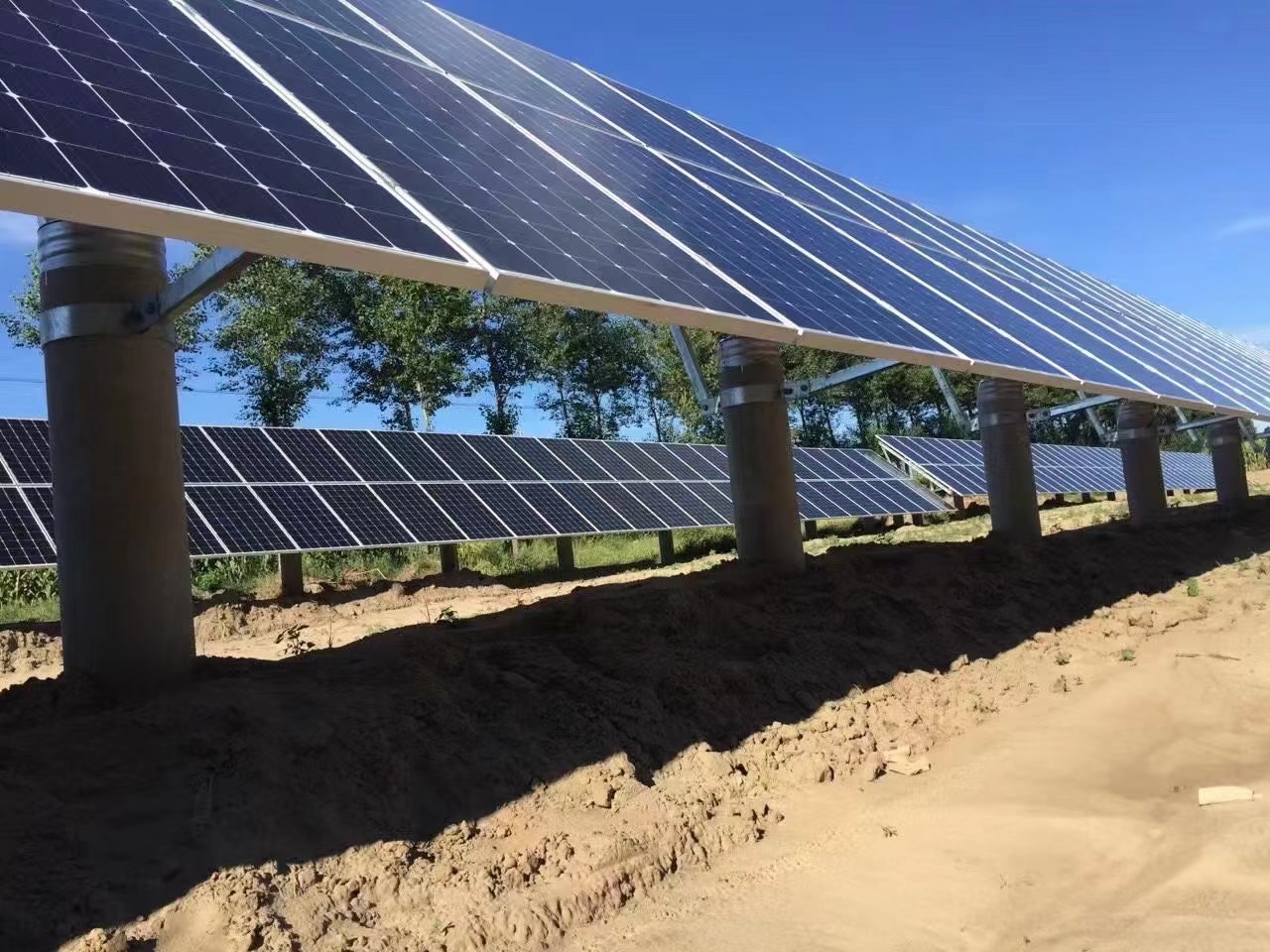
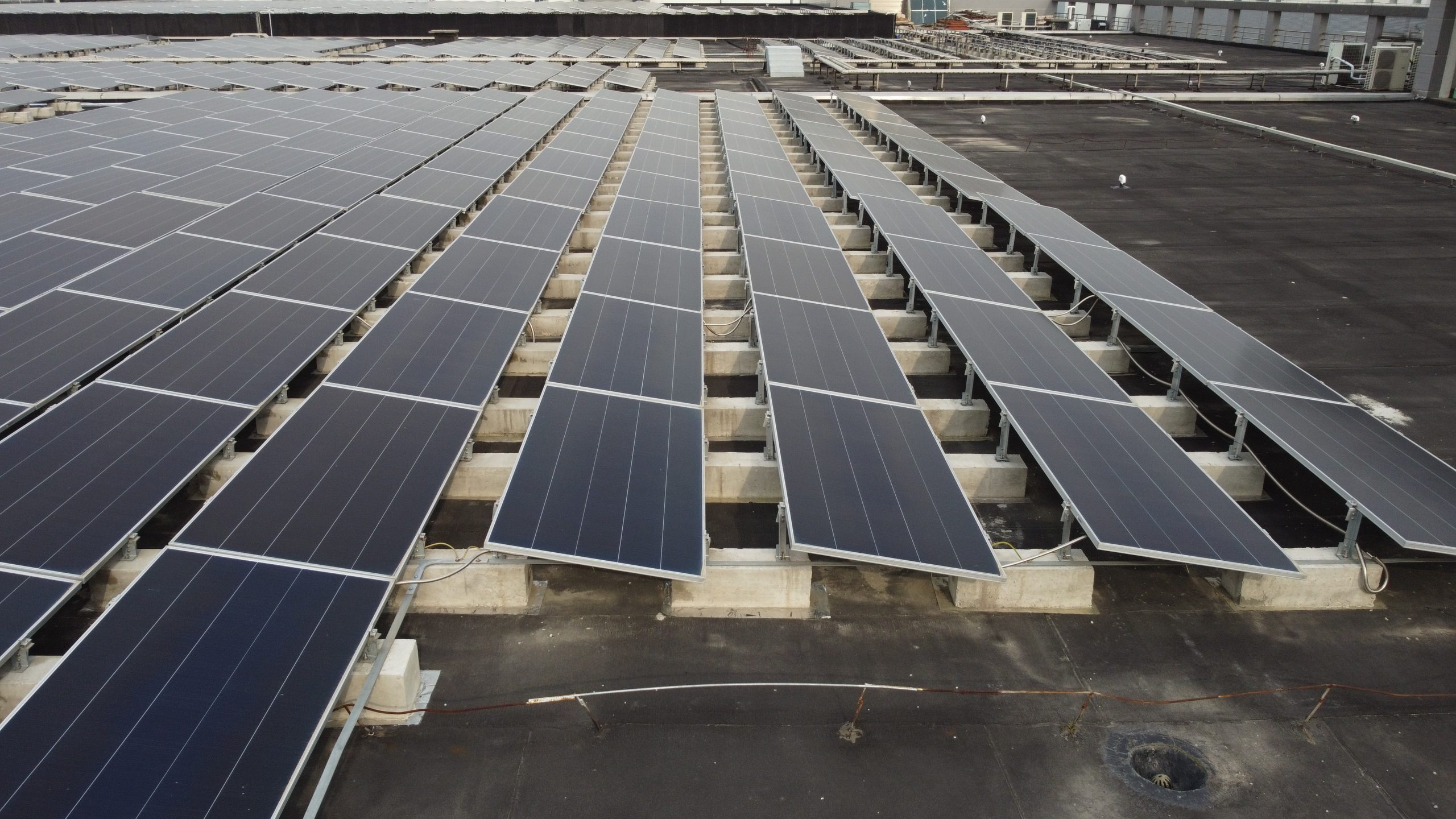
The most widely used material at present is hot-dip galvanized steel. It is inexpensive, sturdy, and has a high load-bearing capacity, making it the go-to choice for larger commercial and industrial rooftops or ground-mounted power plants. The corrosion-resistant mechanism of hot-dip galvanized steel solar mounts involves coating the steel surface with a layer of zinc; zinc provides excellent rust protection, and the material can last for over twenty years without issues. However, the downside is that it is relatively heavy, which increases labor costs during installation. Additionally, if the zinc coating is damaged, rust can begin to form at the damaged areas over time.
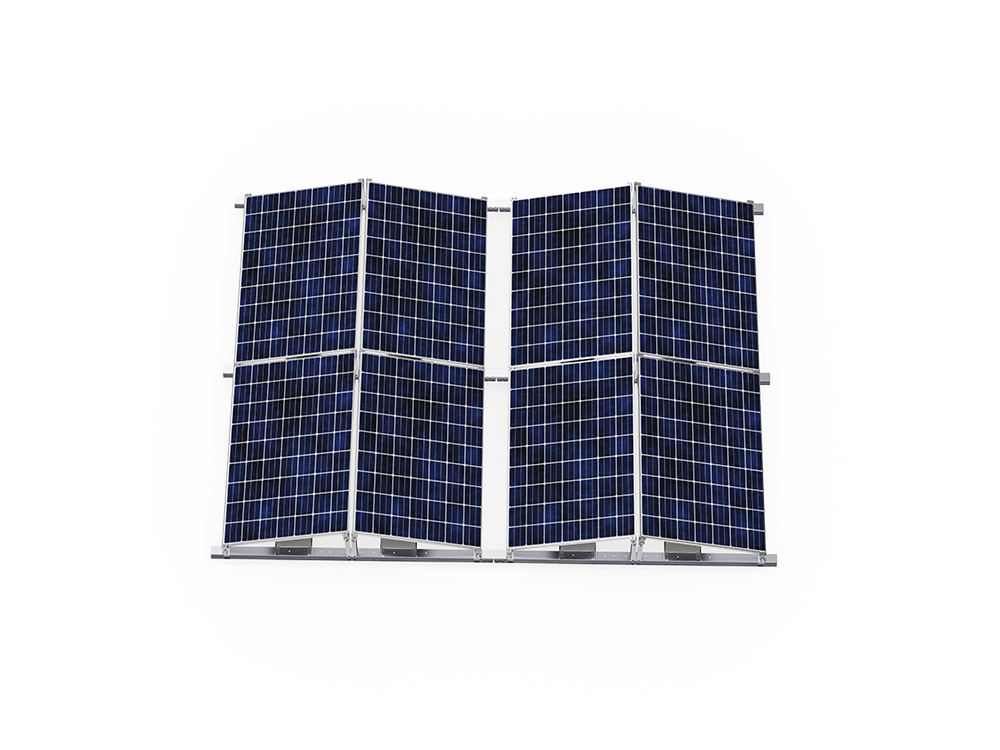
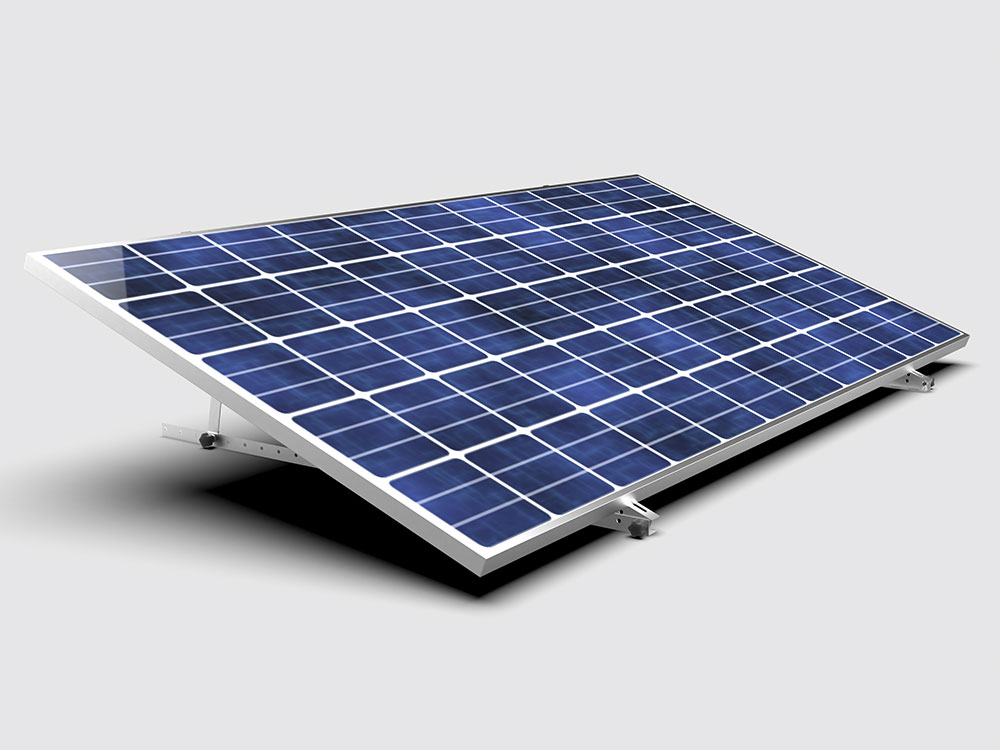
Another option is aluminum alloy solar mounting systems. Their advantages include being lightweight, aesthetically pleasing, and rust-resistant. They are commonly used for residential rooftops or projects with high aesthetic requirements, and many people choose aluminum alloy for these applications. Aluminum alloy solar mounts are relatively easy to install, feature a sleek finish, and offer significantly better corrosion resistance than standard galvanized steel. The downside is that they are not as strong as steel; in the event of strong winds or heavy snow, additional support is required. Additionally, they are considerably more expensive than hot-dip galvanized steel. If you have a sufficient budget and your roof has weight restrictions, aluminum alloy is indeed a good choice.
Stainless steel mounts offer exceptional corrosion resistance, so rust is virtually never a concern. However, it is very expensive and is generally used only in special situations, such as near chemical plants or in coastal areas with high salt fog where corrosion is particularly severe. For ordinary residential or commercial projects, stainless steel is not cost-effective.
Magnesium-aluminum-zinc-coated steel has become a popular material in recent years. Its corrosion resistance is comparable to, or even slightly better than, hot-dip galvanized steel, and it has a smoother surface with some self-healing properties at the cut edges. Price-wise, it is cheaper than aluminum alloy but slightly more expensive than hot-dip galvanized steel. If a project requires high corrosion resistance but you don’t want to incur the high costs of aluminum alloy, this is a viable option.
Having said that, you might still be wondering: just as buying groceries depends on your budget, the same logic applies when choosing a support frame. For ordinary households installing on flat roofs or in yards with limited budgets, hot-dip galvanized steel is perfectly sufficient. don’t let anyone talk you into thinking you absolutely need aluminum alloy. However, if your roof is older and has poor load-bearing capacity, or if you’re installing a sunroom where aesthetics are a priority, spending a little extra on aluminum alloy will save you a lot of headaches. If you’re in a coastal area or industrial zone with highly corrosive environments, we recommend going straight for magnesium-aluminum-zinc-coated steel or the more expensive stainless steel. Otherwise, if the brackets rust after a few years, replacing them will be both costly and troublesome.
Another often-overlooked point is the thickness of the mounting brackets. Even among hot-dip galvanized steel options, there’s a significant difference between 2.0 mm and 2.5 mm thicknesses. Brackets that are too thin lack sufficient load-bearing capacity and are prone to deformation in high winds. Reputable manufacturers typically calculate the appropriate thickness based on local wind and snow loads—never skimp on thickness just to save money. Some installation teams offer low quotes but use brackets as thin as paper, which greatly increases the likelihood of problems down the line.
When installing solar brackets, not only is the material important, but installation quality is also critical. Whether the fasteners are tight, the foundation is properly built, and the grounding is reliable—none of these can be overlooked. Even the best brackets are useless if they’re installed loosely.
Having worked with solar mounting systems for many years, I can say that no single material is absolutely the best. It’s all about adapting to local conditions and choosing a system suited to the specific application. By carefully considering the installation site, budget, and expected lifespan, you can easily select the right solution for your needs.
If you’d like to learn more about the key parameters and design considerations—beyond just materials—that affect the long-term performance of a complete mounting system, continue reading this article: How to Choose a High-Performance Solar Mounting System?
What Is the Best Material for Solar Mounting Systems?
With government incentives and support, more and more people are installing solar mounting systems. Recently, many people planning to install solar panels have been asking me: What is the best material for solar mounting systems? For those who aren’t very familiar with solar power, it’s important to do your research beforehand—after all, choosing the wrong mounting system can lead to a lot of headaches down the road.
Share this post
Pinterest
LinkedIn
Facebook
WhatsApp