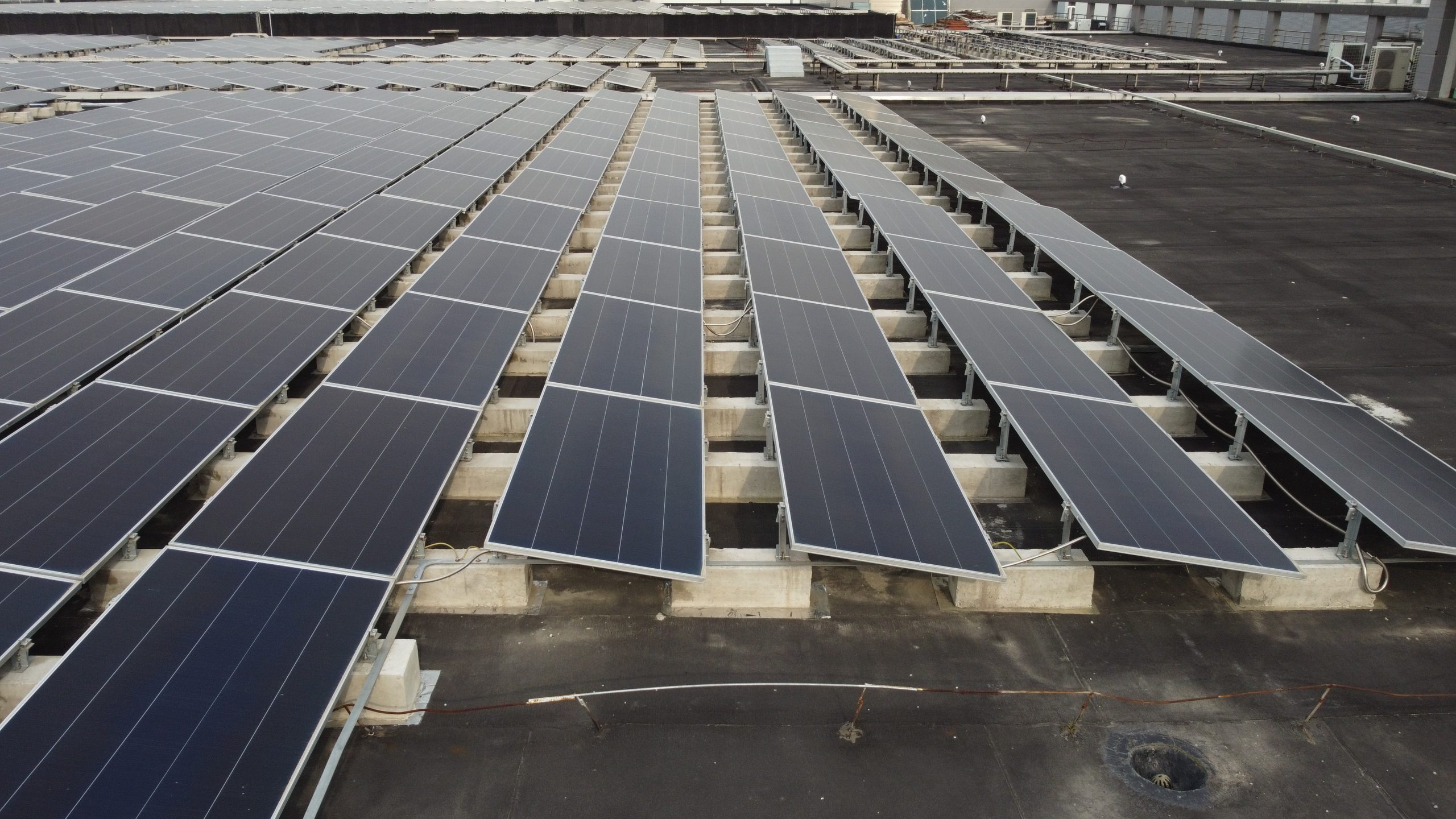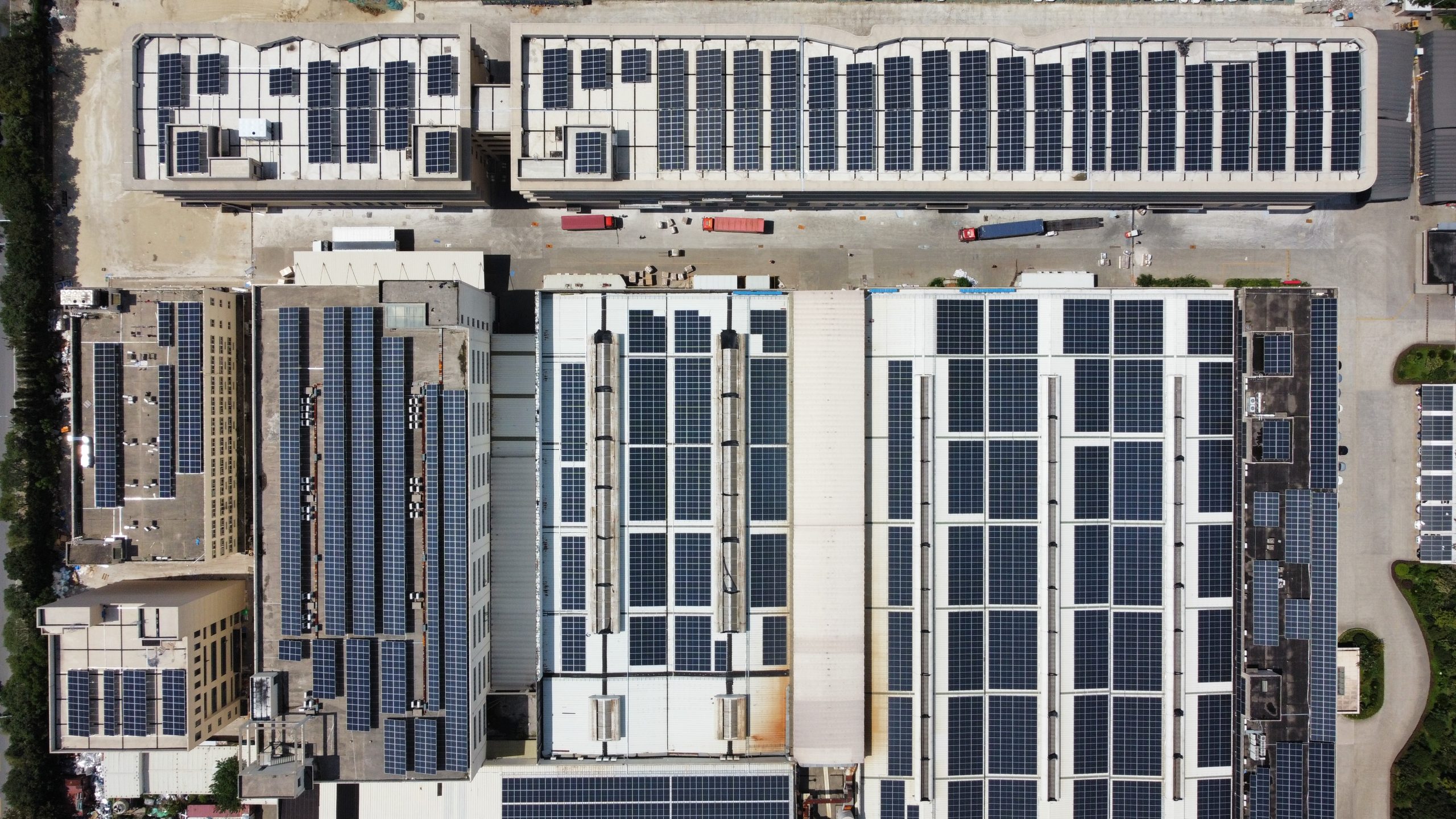
Solar power plants aren’t something you can just install and forget about; they aren’t completely maintenance-free. If left unattended, a solar power plant’s power generation capacity may drop by 20–30% within two or three years. Furthermore, if certain issues aren’t detected in time, they can even burn out equipment or cause fires. The following information explains how to operate and maintain a solar power plant.
Daily Tasks
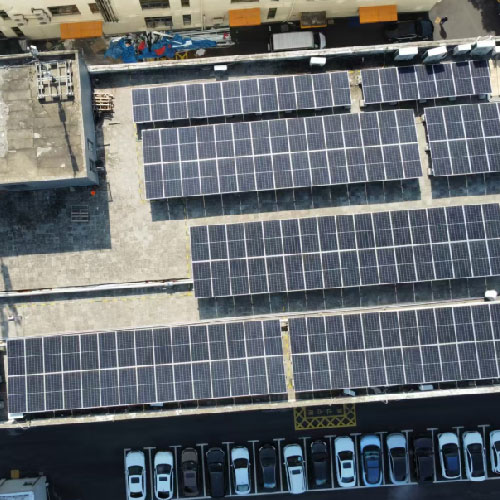
Maintaining a solar power plant essentially boils down to three key tasks: monitoring data, cleaning equipment, and troubleshooting. For small rooftop systems in the tens of kilowatts, maintenance is relatively straightforward. Today, every solar power plant is equipped with a data monitoring platform that can be accessed via a smartphone. If power generation suddenly drops significantly below normal levels, or if the current in a particular circuit drops to zero, the system will trigger an alarm, requiring an on-site inspection.
Large ground-mounted power plants are much more complex. A plant with a capacity of several dozen megawatts and thousands of solar string circuits is simply too vast to monitor with the naked eye alone. The first task for O&M personnel upon arriving at the central control room each day is to pull up the previous day’s power generation data and the operational logs for each inverter. The data reveals which inverters are operating at low efficiency and which string circuits have abnormal current readings. Based on this information, they then conduct targeted inspections on-site during the day.
Cleaning the panels is the most labor-intensive task. When solar panels get dirty—with dust, bird droppings, or pollen settling on the glass surface—part of the sunlight is blocked. What’s more troublesome is that if a specific section of a panel is particularly dirty or partially shaded by leaves, the blocked solar cells stop generating electricity. Instead, they consume the electricity generated by other cells, converting it into heat. Over time, this can burn through the encapsulation material; in severe cases, it can cause the hot-spot effect, rendering the entire panel unusable. Large-scale power plants typically develop cleaning schedules based on local environmental conditions. In areas with little rainfall and high dust levels, cleaning may be required as often as once a month, while in regions with heavy rainfall, it may be necessary only once every two to three months. There are several cleaning methods: smaller plants use water hoses, while larger plants employ specialized cleaning vehicles or cleaning robots.
Electrical Hazards
One of the most feared failures in solar power plants is DC arcing. Solar panels generate direct current (DC), which differs from alternating current (AC). In AC, voltage and current cross the zero-crossing point, making it easier for an arc to extinguish at that moment; DC has no zero-crossing point. Once an arc is generated, it can continue burning indefinitely, reaching extremely high temperatures. Within minutes, it can ignite junction boxes and cables, which may then set fire to surrounding weeds or the roof’s waterproofing layer. This is how many power plant fires start.
The most common locations for arcing are connectors and plugs. If the MC4 connectors between solar modules are not securely fastened, or if the connectors themselves are of poor quality, they can oxidize and loosen over time, creating gaps that cause the current to fluctuate and generate arcing. O&M personnel need to regularly scan all connectors with an infrared thermal imager; areas with significantly elevated temperatures indicate potential hazards. For small power plants, handheld thermal imagers can be used; for large plants, consider using drones equipped with thermal imaging cameras, which are much more efficient.
There is also the issue of grounding. Solar mounting structures, module frames, and cable trays all require reliable grounding. If the grounding is broken at any point, the equipment’s casing may become live in the event of a leakage current, and O&M personnel could be electrocuted if they touch it. Grounding resistance tests should be conducted annually to ensure all grounding paths are intact.
Maintenance of Inverters and Electrical Equipment
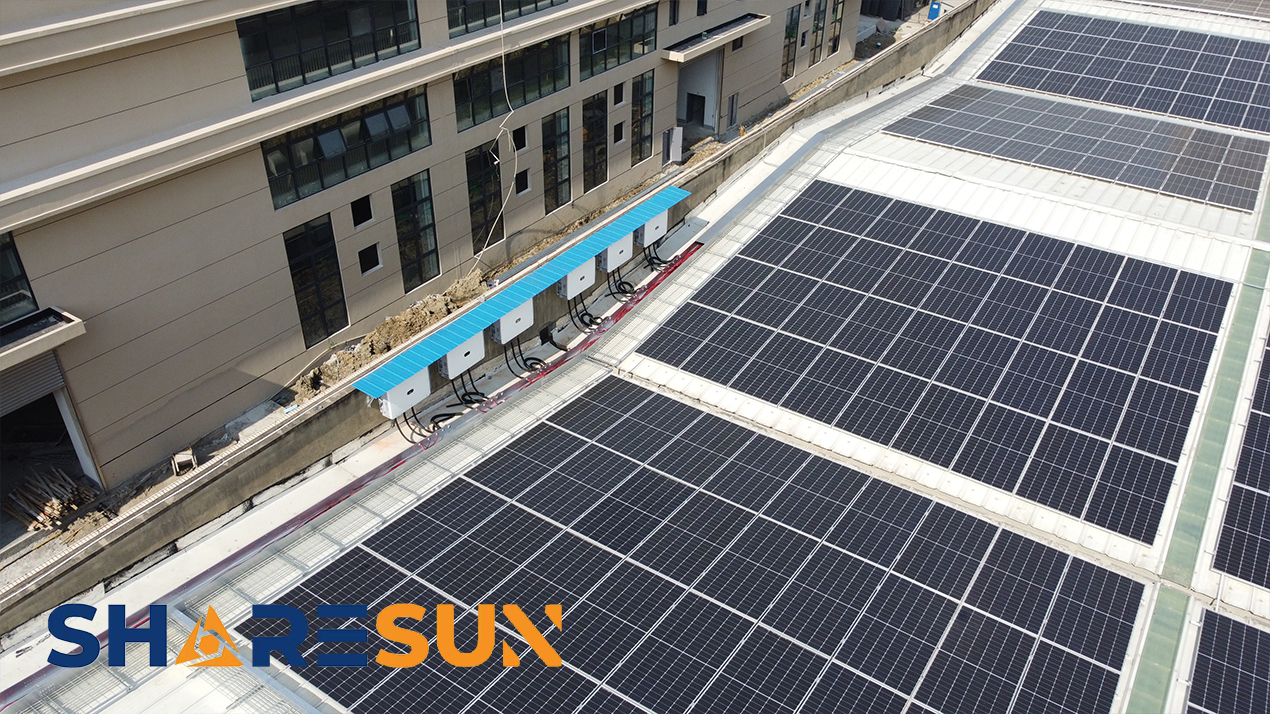
The inverter is the brain and heart of a solar power plant; it is entirely responsible for converting DC to AC. Inside the inverter are power modules, capacitors, fans, and control boards—all of which are subject to aging. This is especially true for the electrolytic capacitors; for every 10-degree increase in temperature, their lifespan is roughly halved. Therefore, poor heat dissipation is the biggest enemy of inverters. Many inverters are mounted on exterior walls and are exposed to intense summer heat. If a fan fails and is not replaced promptly, the internal temperature can soar to 70–80 degrees Celsius, leading to malfunctions in a short time.
During operation and maintenance, regularly clean the inverter’s cooling fans and heat sinks to remove dust and lint. Also, check the inverter’s display for any alarm messages and record the daily power generation and system efficiency for each inverter. If an inverter’s efficiency suddenly drops from 98% to 94%, it indicates a potential internal issue that requires further inspection.
Site Management
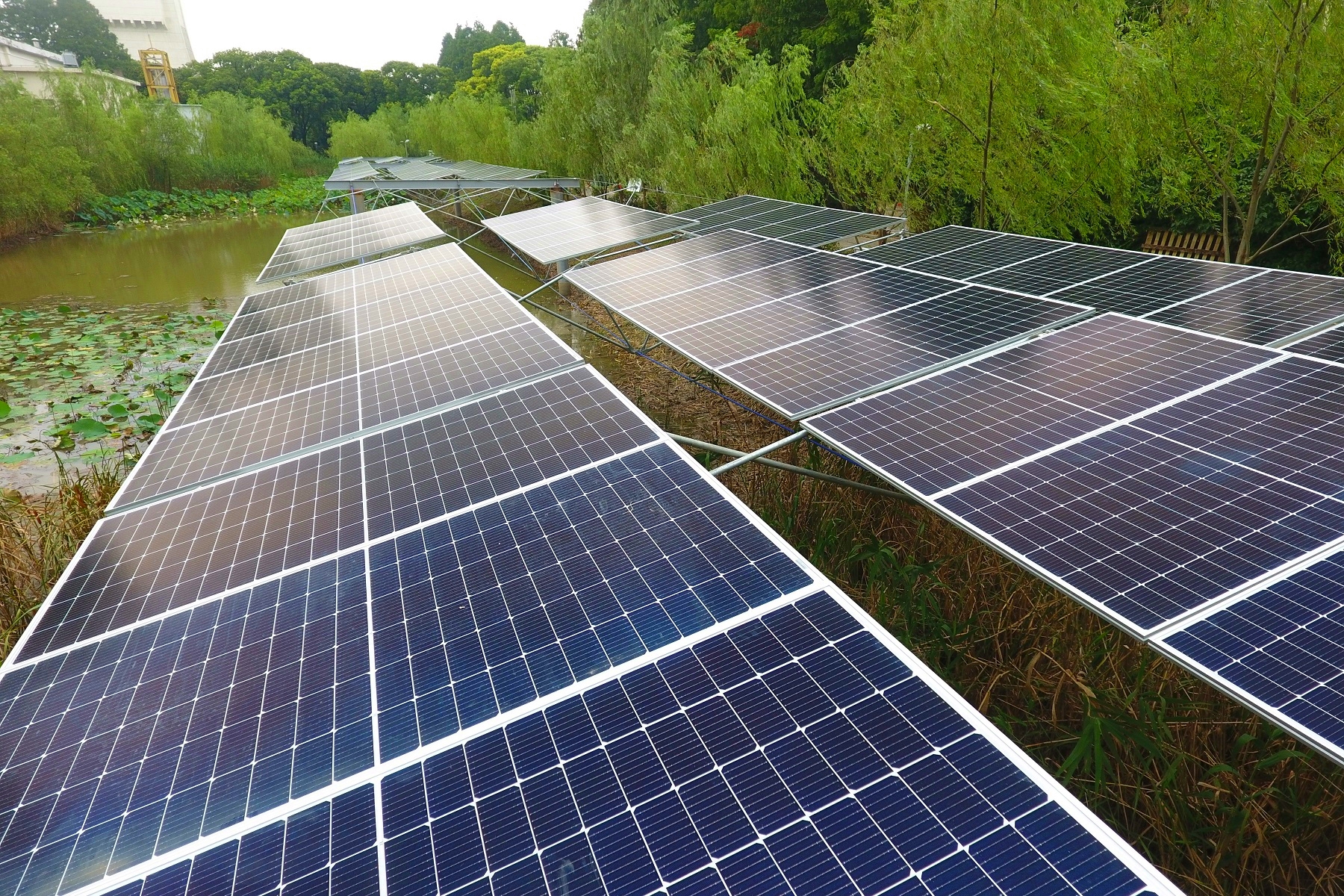
For ground-mounted solar power plants, weeds are a major problem. Since solar panels are installed in open fields, the shaded areas beneath them—which are protected from rain—allow weeds to grow exceptionally quickly. If the grass grows too tall, it can block the panels, and dry weeds pose a significant fire hazard in the summer. At poorly managed plants, once the grass withers in the fall, a single cigarette butt or a spark from an electrical arc can ignite a fire. Therefore, regular weeding is necessary. This can be done manually, with a lawn mower, or—as some plants do—by keeping a flock of sheep to graze on the grass. This method is cost-effective, requires no fuel, and is a practical solution.
Fences and locks must also be inspected regularly to prevent unauthorized access or cable theft. The DC cables in solar power plants are made entirely of copper and are quite valuable; incidents of cables being cut and stolen have occurred in some areas, resulting in significant losses.
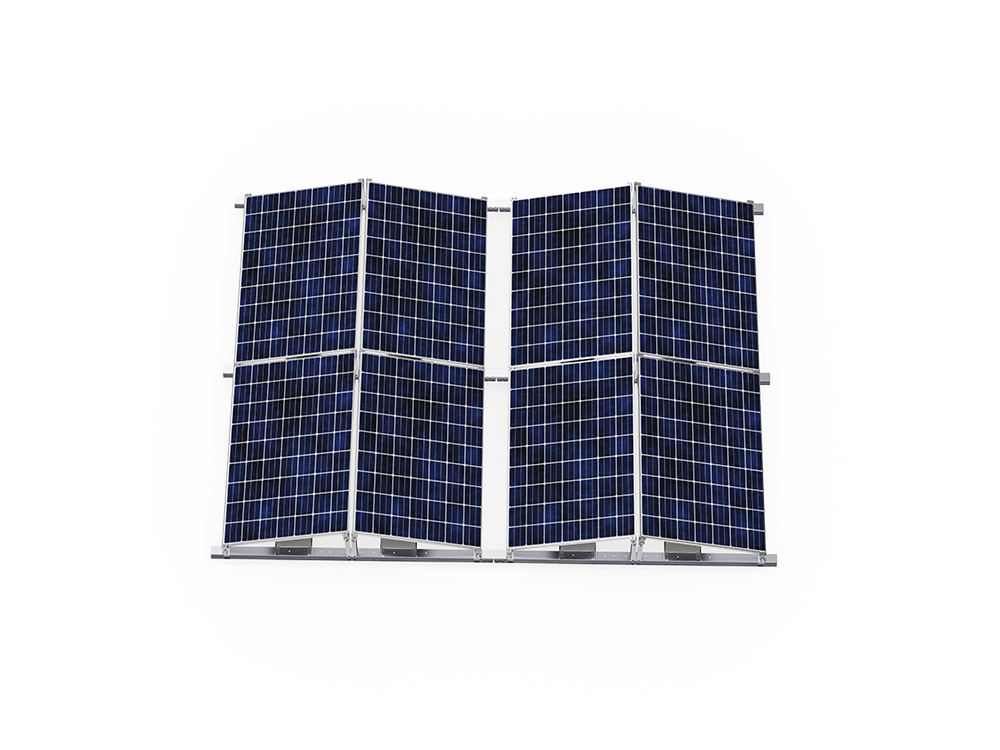
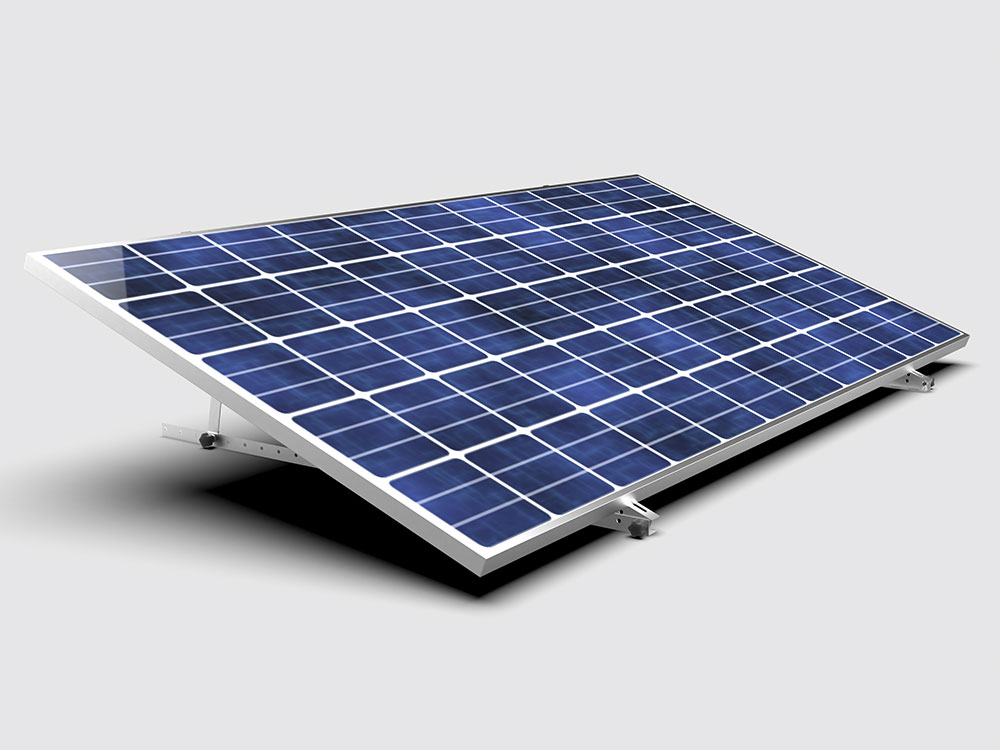
The quality of the entire solar power system starts with the foundational components. To ensure long-term stability and safety, understanding What Does Solar Mounting Installation Service Include? A professional mounting structure installation ensures the panels remain secure against wind and snow loads, preventing future misalignment or damage that could complicate O&M efforts.
Regular Inspections
Larger solar power plants should undergo annual preventive testing, including insulation resistance testing, ground continuity testing, electroluminescence (EL) testing of modules, and infrared testing. EL testing can detect hidden cracks inside modules—tiny fissures invisible to the naked eye. Initially, hidden cracks do not affect power generation. However, exposure to wind and sun, along with thermal expansion and contraction caused by daily temperature fluctuations, can cause the cracks to gradually widen. After several years, the entire panel may become unable to conduct electricity. Modules with severe hidden cracks must be replaced promptly.
Additionally, O&M records are crucial. Every module, inverter, and cable has a replacement schedule. Keep these records clear and up-to-date; replace components when the time comes, rather than waiting until a failure occurs.
The Core Philosophy of O&M
Ultimately, the core philosophy of solar power plant O&M is prevention, not emergency repairs. Through regular cleaning, periodic inspections of connections, and consistent monitoring of data, most issues can be identified and addressed before they worsen. If you wait until power output has already dropped significantly to investigate, you’ve likely already lost a considerable amount of electricity, and minor issues have turned into major problems, resulting in higher repair costs.A well-maintained solar power plant can still maintain over 80% of its initial power generation capacity after 25 years of operation. In contrast, a neglected solar power plant may be barely functional after just ten years. Therefore, O&M is not an expense; it is a necessary cost to ensure a return on investment.