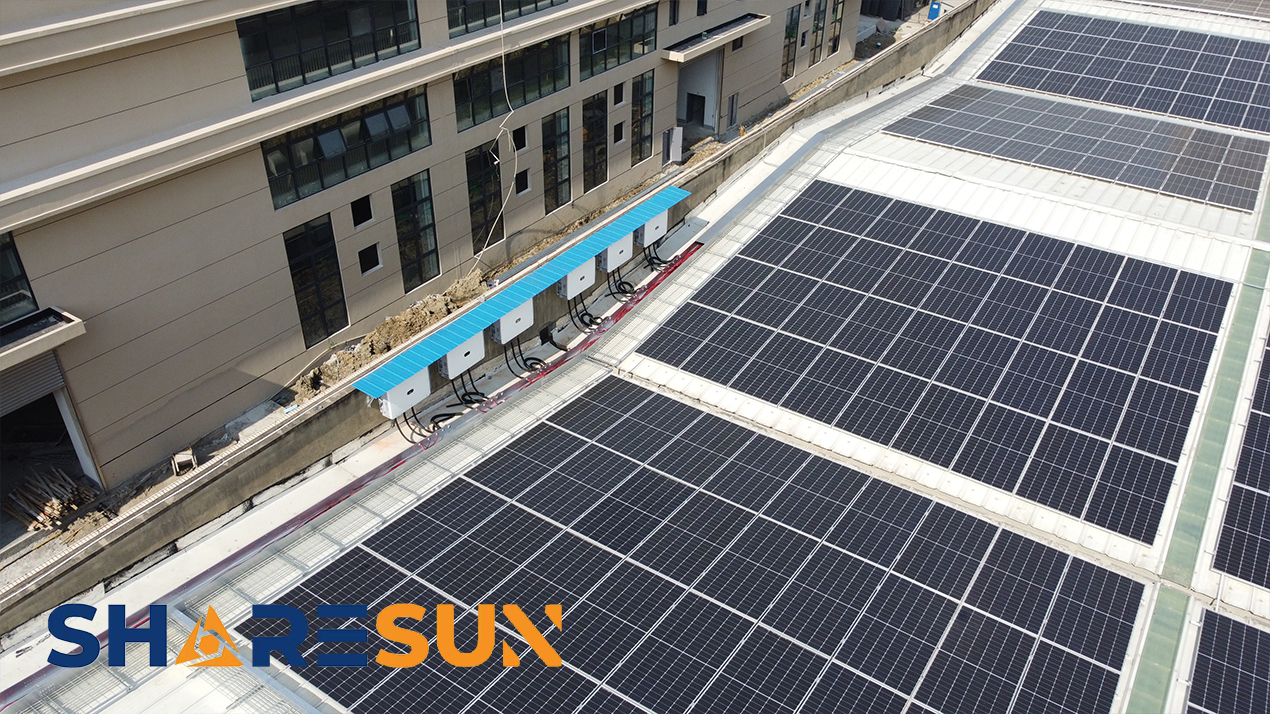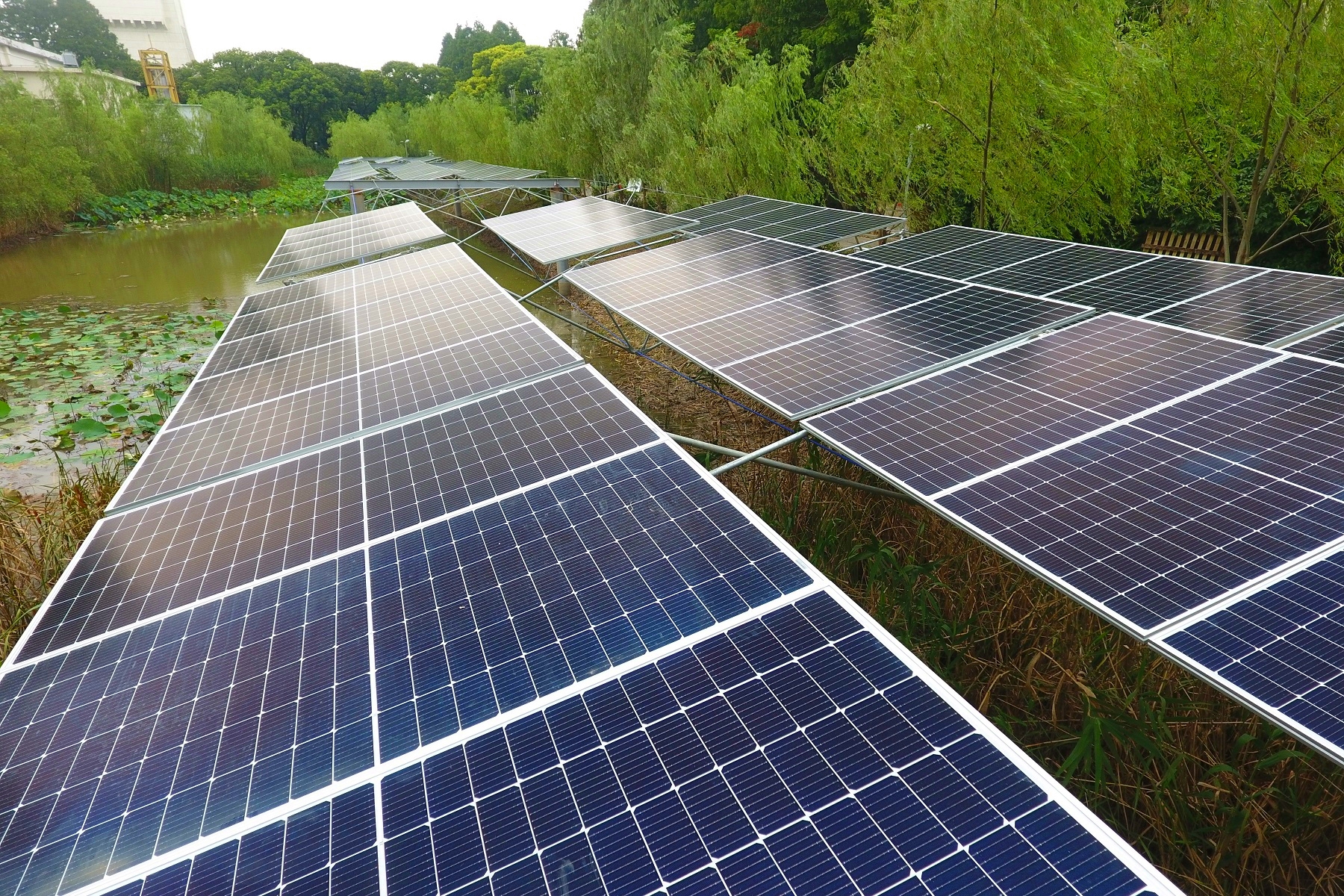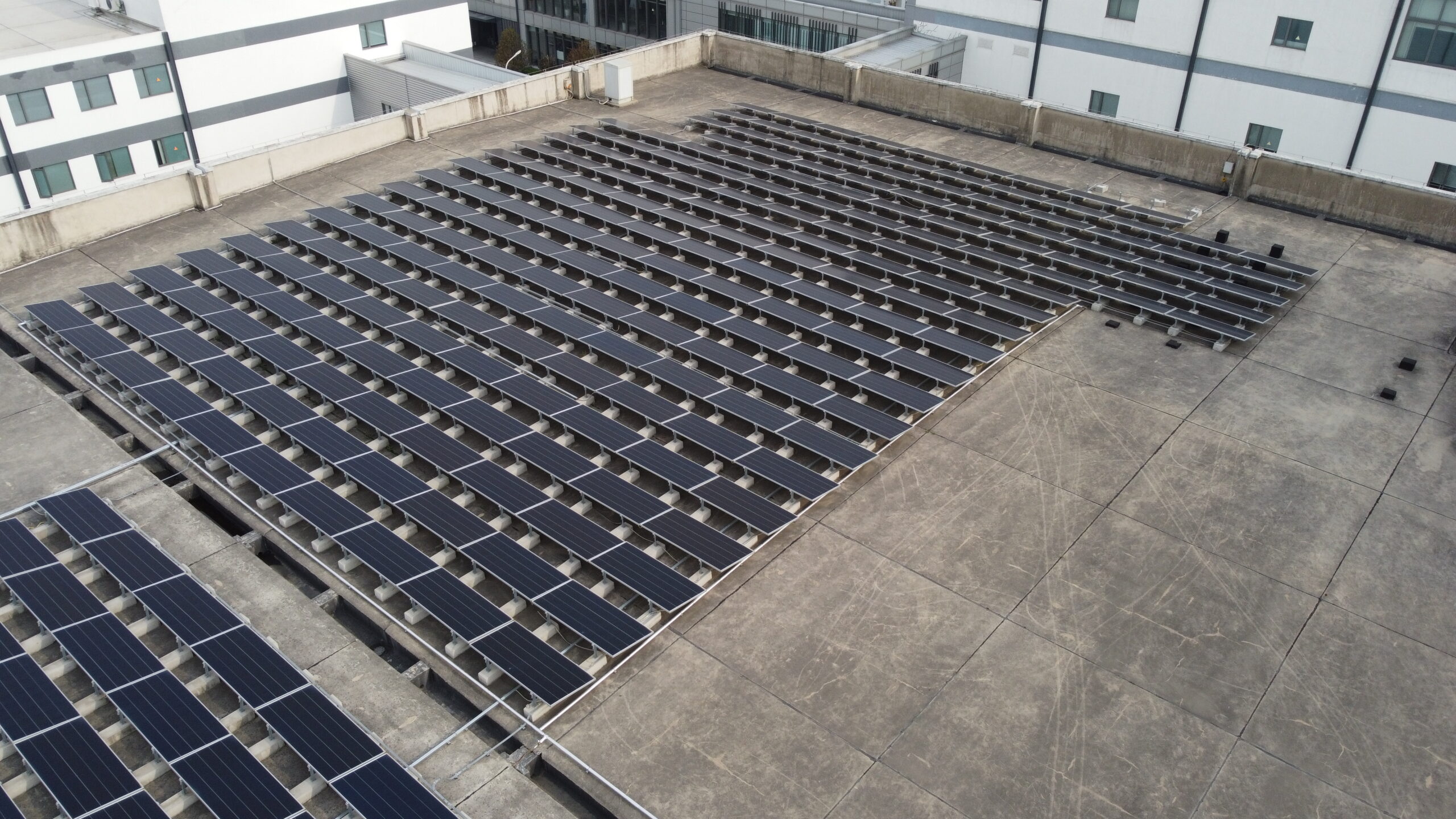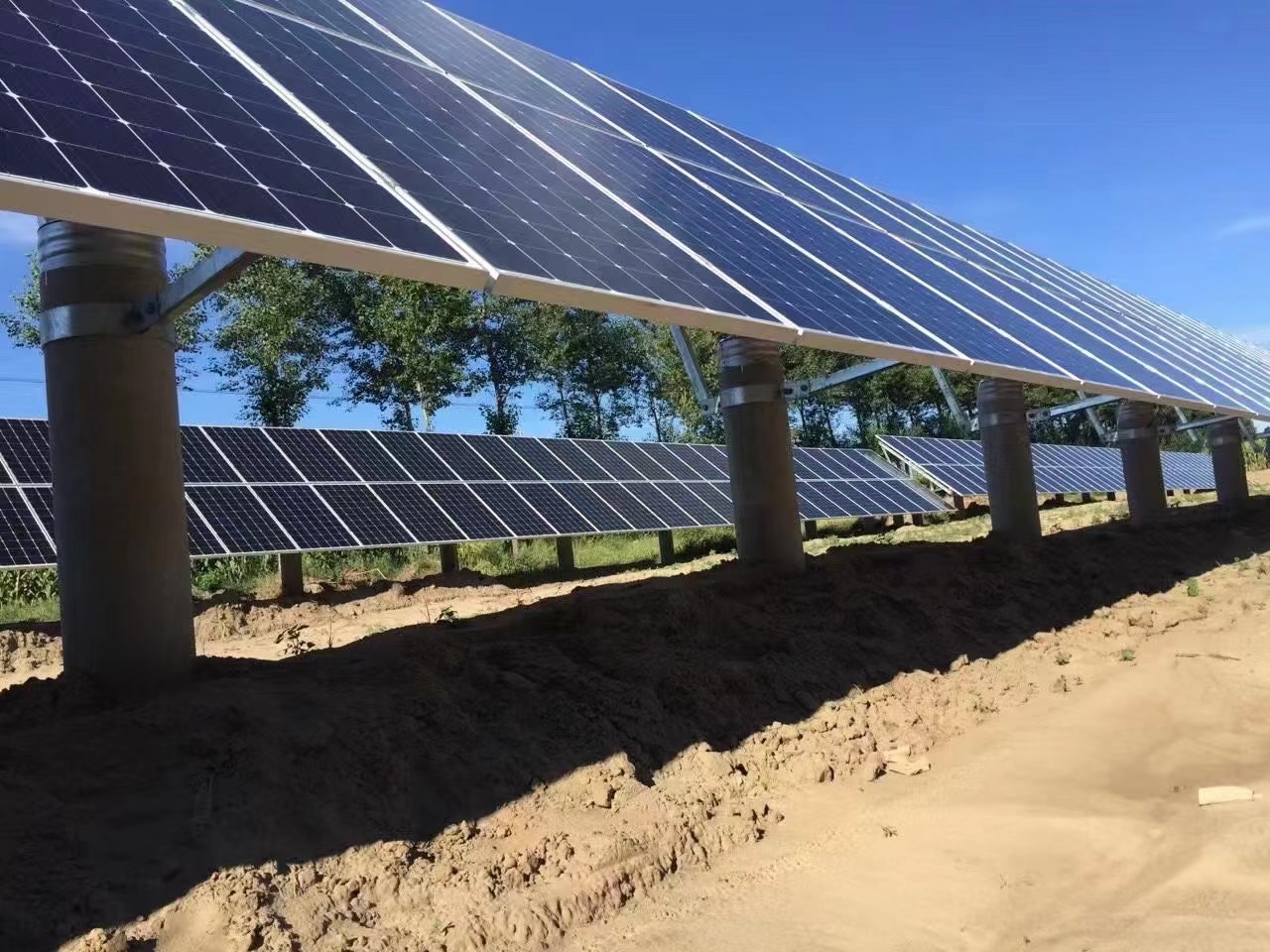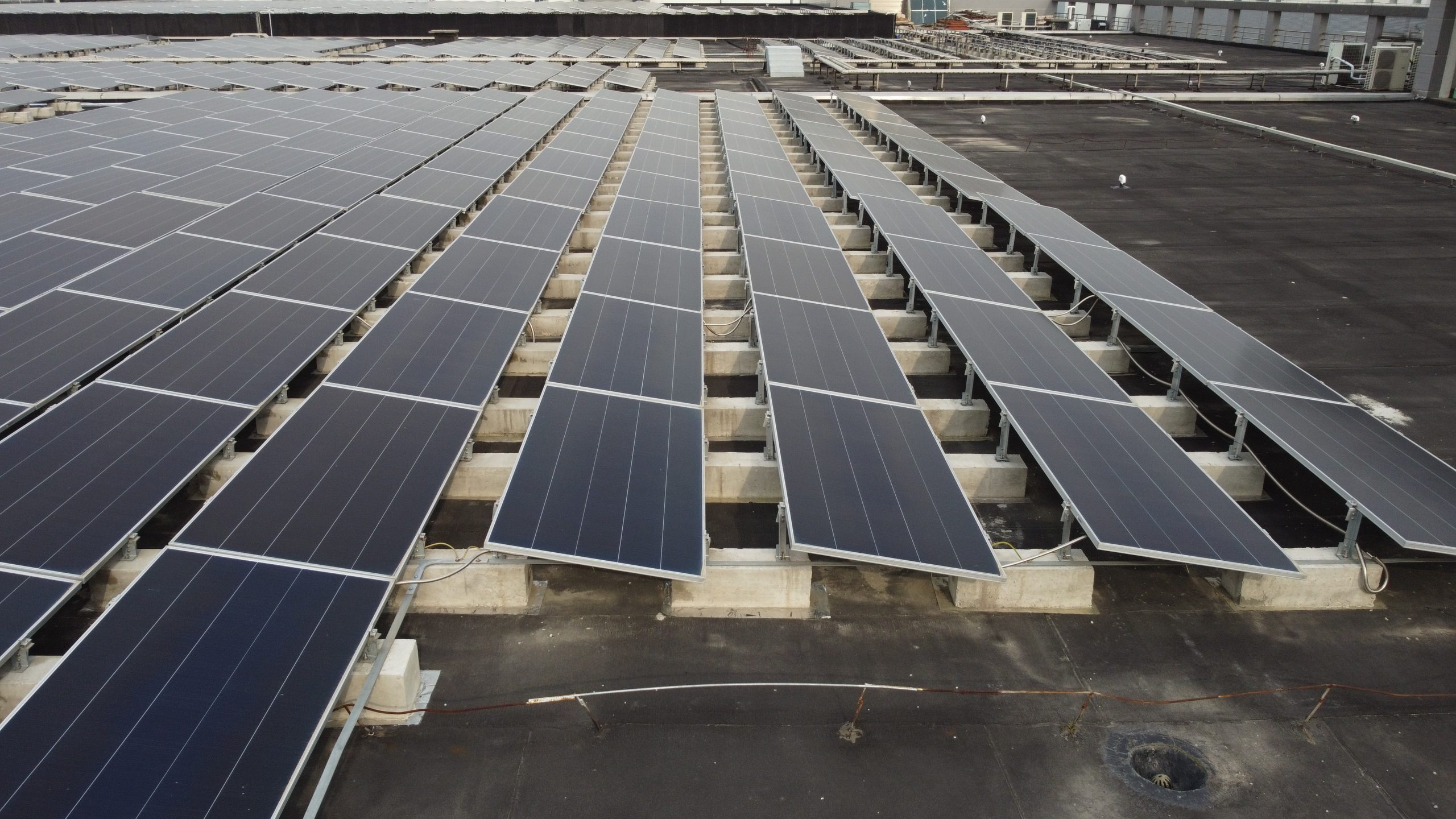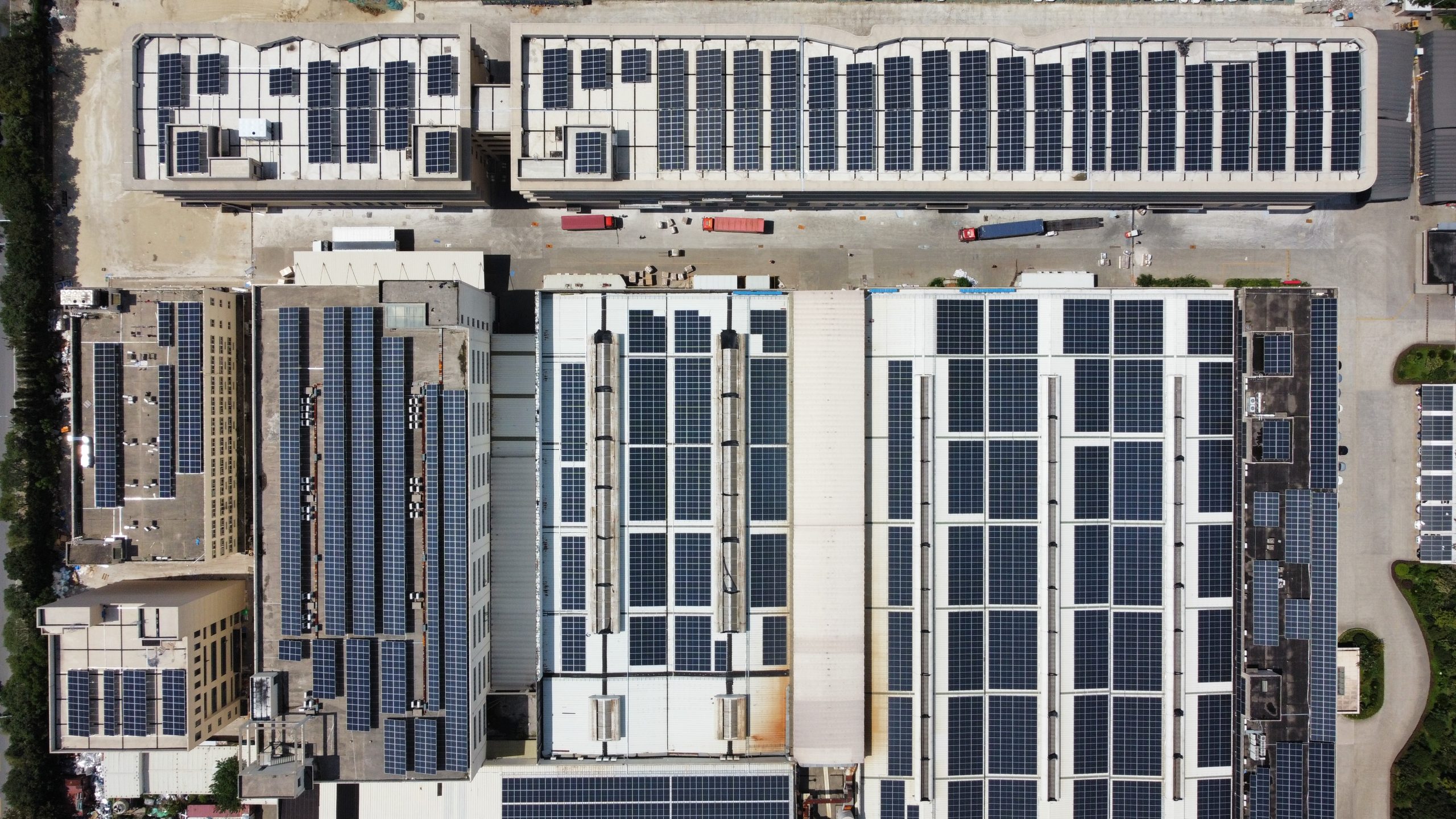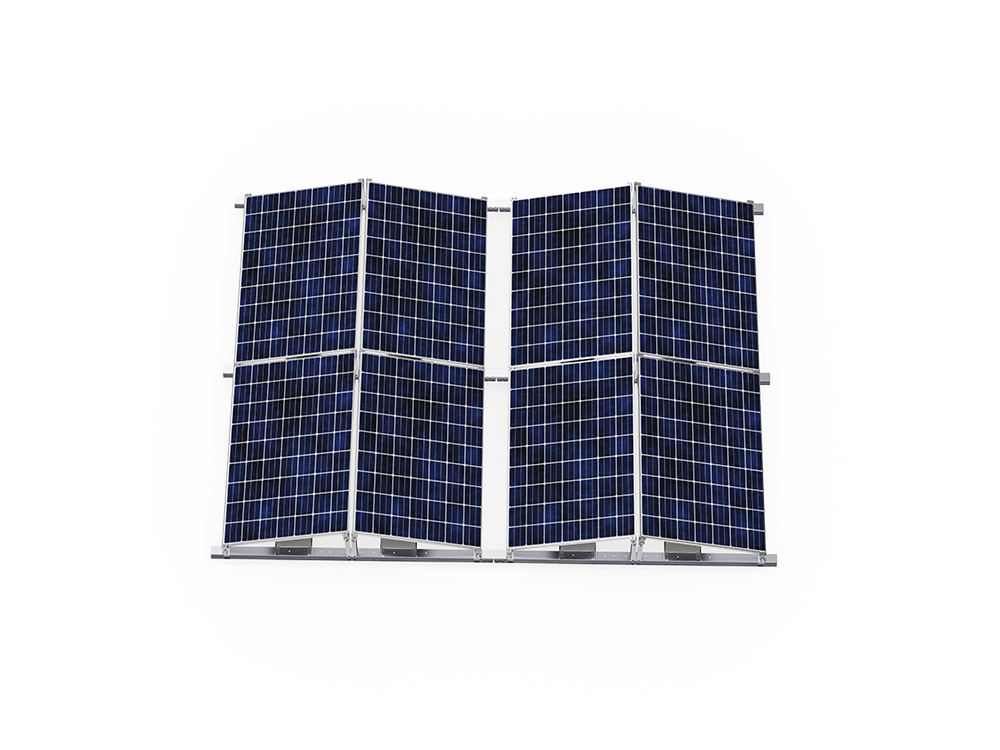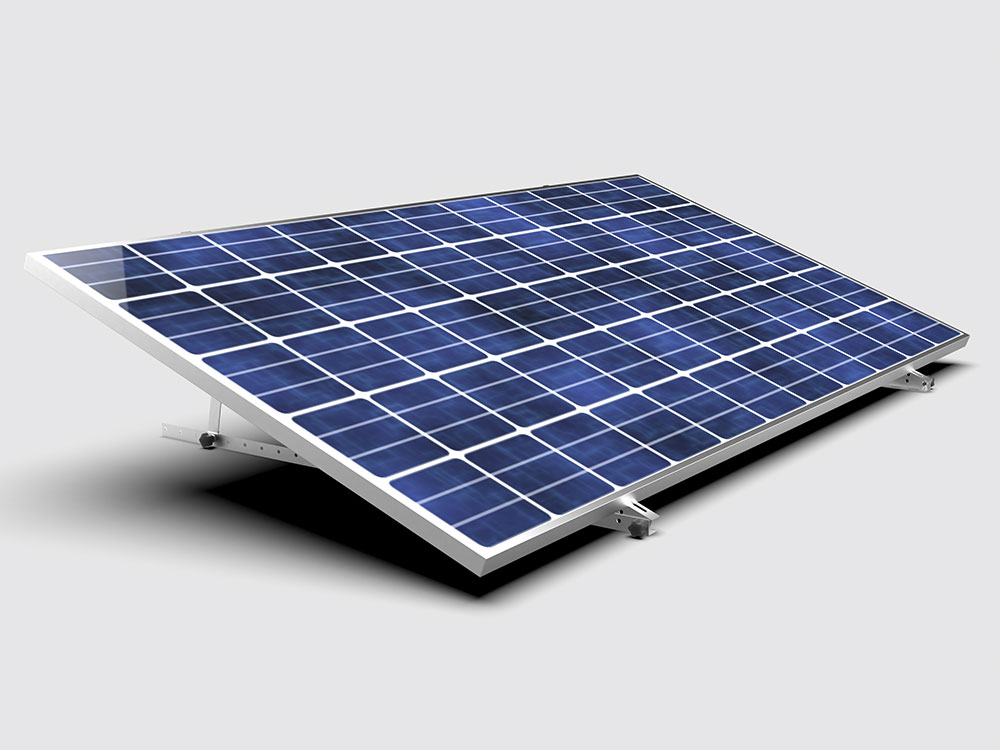
As a clean and renewable energy source, solar power has seen increasingly widespread application in the construction sector in recent years. With continuous technological advancements and falling costs, solar power will play an even greater role in the construction sector in the future. However, the performance and longevity of any solar installation depend not only on the panels themselves but also on the supporting structures that hold them in place—which is precisely what to consider when selecting solar mounting systems, from material durability and wind load resistance to roof compatibility and ease of maintenance. The following are some specific applications of solar power in the building sector, each of which places its own demands on the mounting solution:
- Green Buildings: Green buildings are structures that fully consider factors such as energy conservation, environmental protection, economic viability, and social sustainability throughout the entire process of design, construction, operation, and demolition. Solar power systems can provide clean energy for green buildings, reduce energy consumption, and minimize environmental pollution. For example, solar panels can be installed on building rooftops and exterior walls to convert solar energy into electricity for the building’s use. In these cases, the mounting system must integrate seamlessly with building materials while ensuring structural integrity.
- Smart Buildings: Smart buildings are structures that achieve automated, intelligent management and control through the integration of various information technologies. Solar power systems can be integrated with a smart building’s energy management system to enable real-time monitoring, analysis, and optimization of the building’s energy usage. For example, users can view real-time information—such as power generation, electricity consumption, and remaining power—via a mobile app or computer software, providing data support for the building’s energy management. Here, the mounting system should also accommodate sensors and cabling without compromising panel orientation or accessibility.
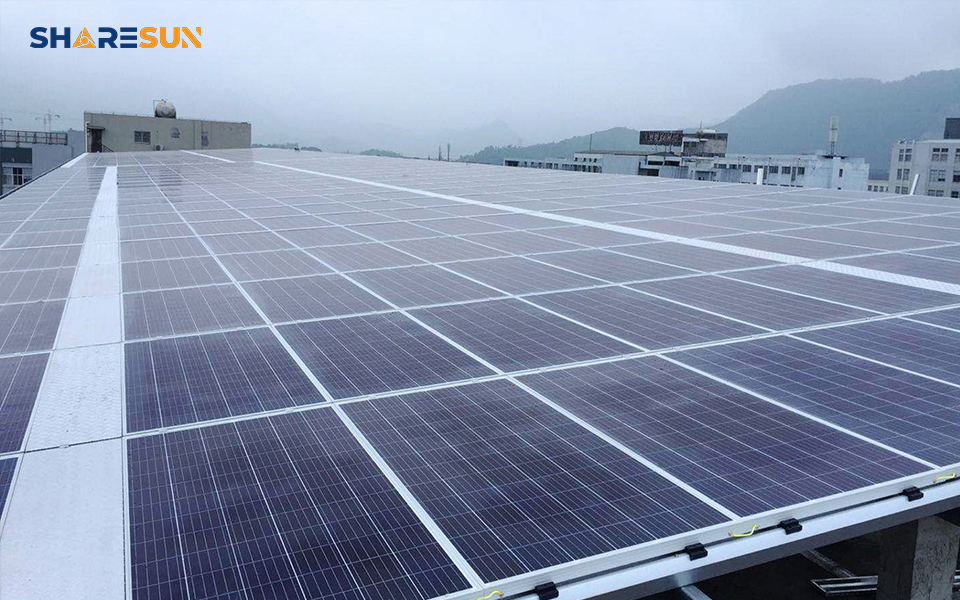
- Distributed Solar Power Plants: Distributed solar power plants are small-scale solar power plants constructed on the user side, capable of delivering generated electricity directly to users, thereby reducing power transmission losses. In the building sector, distributed solar power plants can be applied in various settings, including public facilities, commercial buildings, and residential homes. For example, distributed solar power plants can be installed on school playgrounds, office building rooftops, and residential community parking lots to provide clean energy to the buildings. For these diverse sites, selecting mounting systems that suit different surface types—flat roofs, pitched roofs, or ground-mounted frames—is particularly critical.
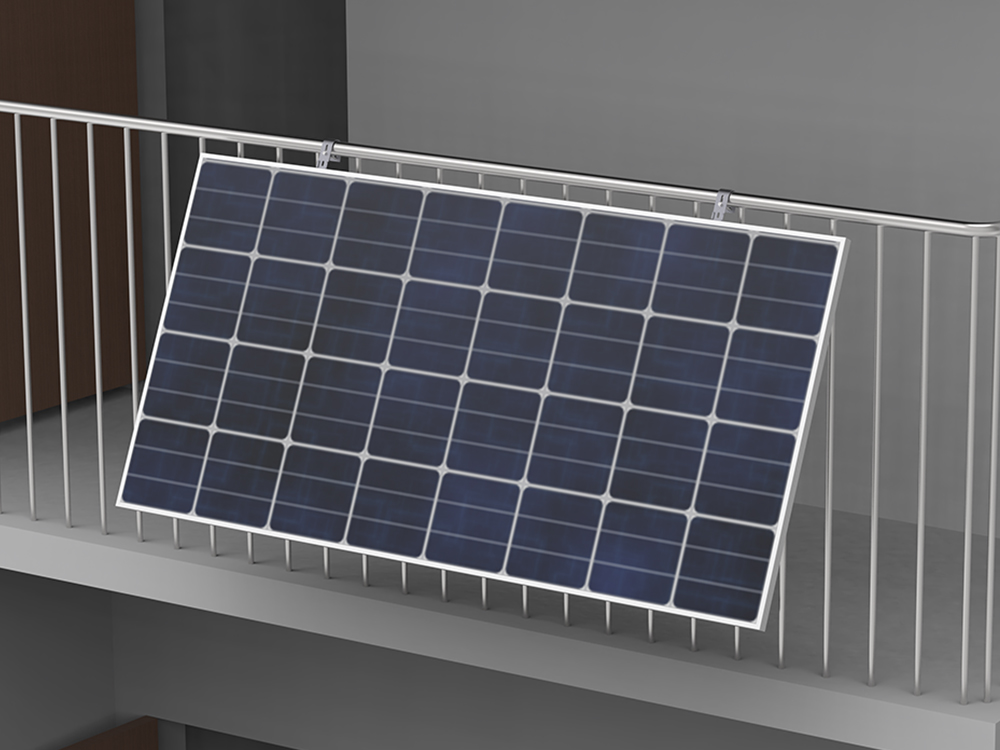
- Solar Shading: Solar shading involves installing solar panels on building windows, balconies, and other areas to both generate electricity and block sunlight, thereby lowering indoor temperatures. Solar shading systems can be designed with different shading methods and solar panel layouts based on the building’s specific needs. For example, flat, tilted, or roller-shade-style solar shading systems can be adopted to meet both functional and aesthetic requirements. The mounting hardware here must support adjustable angles and withstand wind uplift, making structural calculations a key part of the selection process.
- Solar Lighting: Solar lighting refers to the use of solar power generation systems to provide electricity for building lighting. Solar lighting systems offer advantages such as energy efficiency, environmental friendliness, and safety, and can be widely applied to scenarios such as road lighting, landscape lighting, and indoor lighting in buildings. For example, solar lighting systems can be installed on streetlights, lawn lights, and landscape lights to achieve green lighting. While these are often pole-mounted, the same principles of corrosion resistance and secure fastening apply.
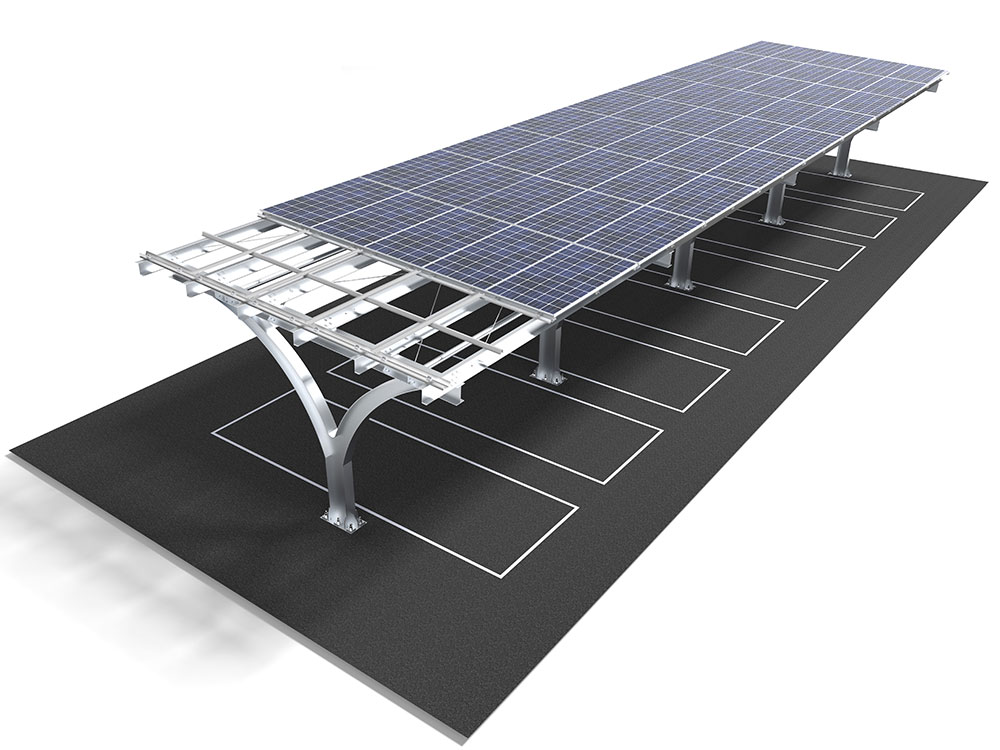
- Solar Charging Stations: With the growing popularity of electric vehicles, the demand for charging stations is increasing. Solar power systems can provide clean energy to charging stations, reducing their operating costs. In the building sector, solar charging stations can be deployed in public parking lots, residential communities, and commercial buildings. For example, solar charging stations can be installed next to parking spaces in parking lots to provide green charging services for electric vehicles. The mounting system here often needs to support larger canopy structures, adding weight and snow-load considerations to the decision.
- Solar-Powered Air Conditioning: Solar-powered air conditioning refers to the use of solar power generation systems to supply electricity for building air conditioning. Solar air conditioning systems offer advantages such as energy efficiency, environmental friendliness, and comfort, and can be widely applied in commercial buildings, residential homes, and other settings. For example, solar panels can be installed on the outdoor units of building air conditioners to convert solar energy into electricity for use by the air conditioning system. Even in this compact configuration, the mounting bracket must ensure stable fixation and proper ventilation clearance.
In summary, solar power generation will play an increasingly important role in the building sector in the future, providing buildings with clean, renewable energy while reducing energy consumption and environmental pollution. At the same time, solar power generation can be integrated with technologies such as smart buildings and green buildings to enable efficient, intelligent management and control of buildings. As technology continues to advance and costs decrease, the application of solar power generation in the building sector will become even more widespread and in-depth—and throughout this evolution, understanding what to consider when selecting solar mounting systems will remain a foundational step for every successful project, ensuring safety, efficiency, and long-term returns on investment.