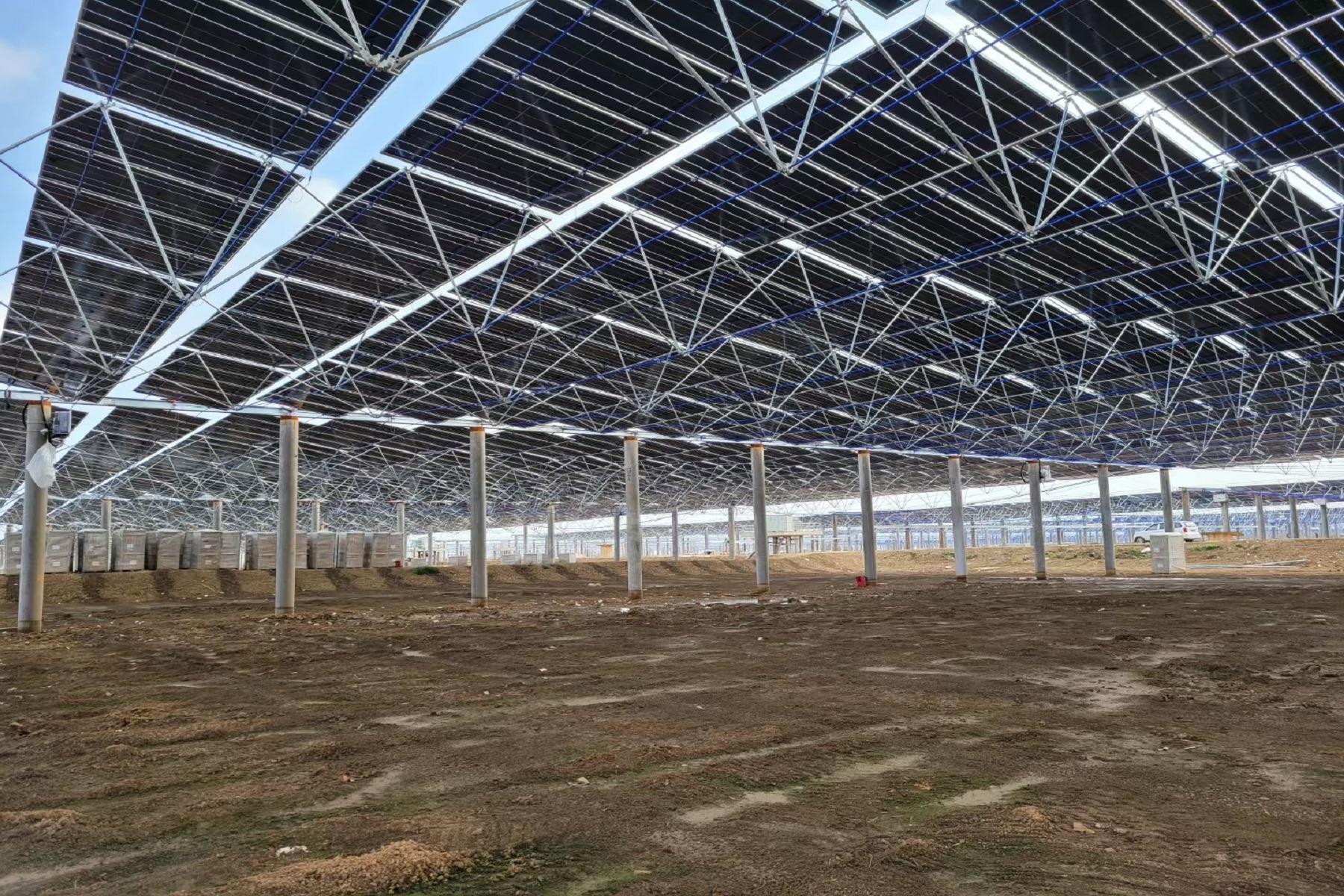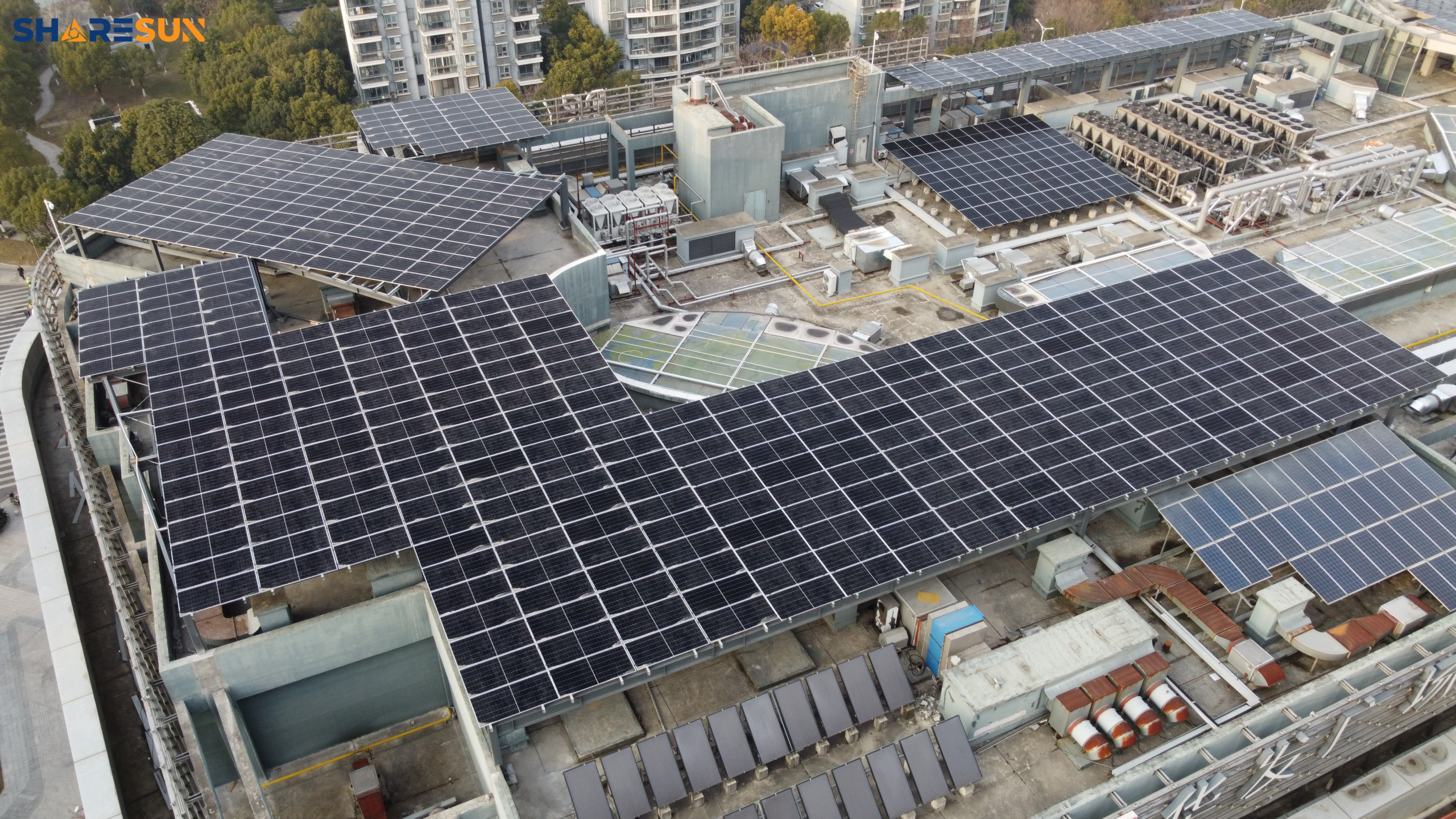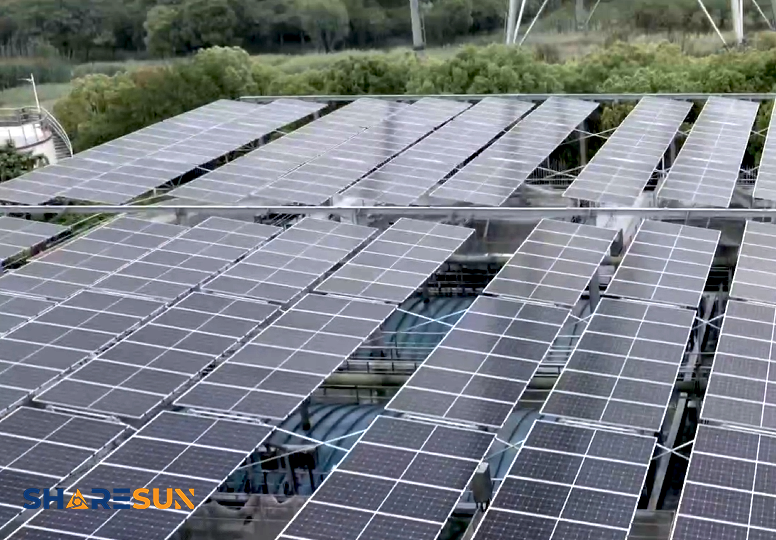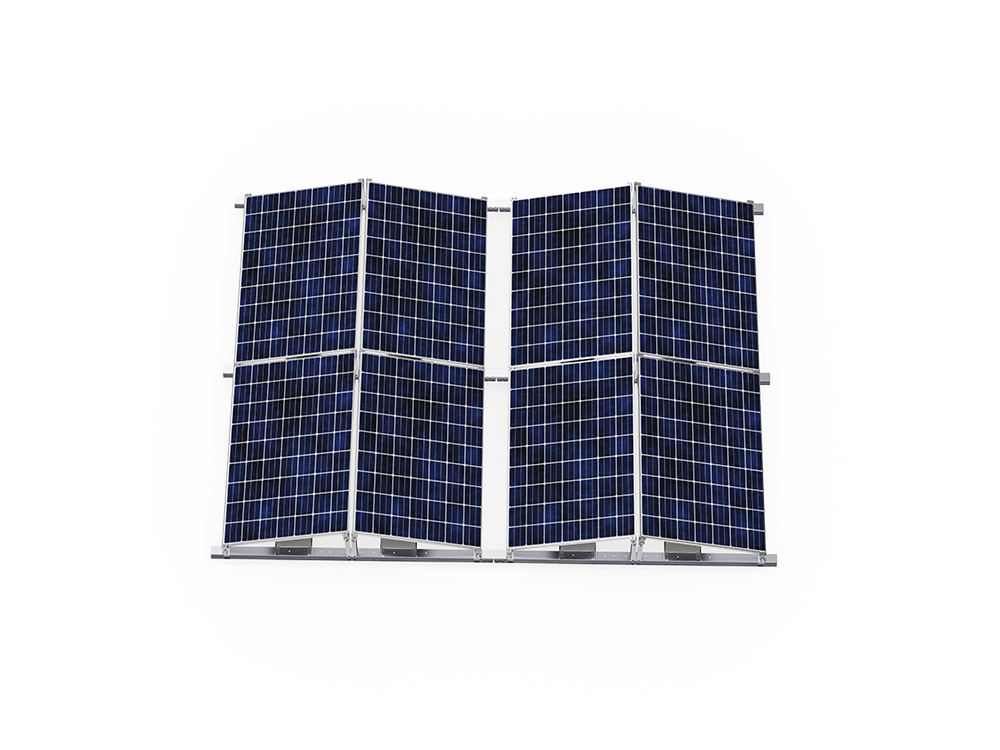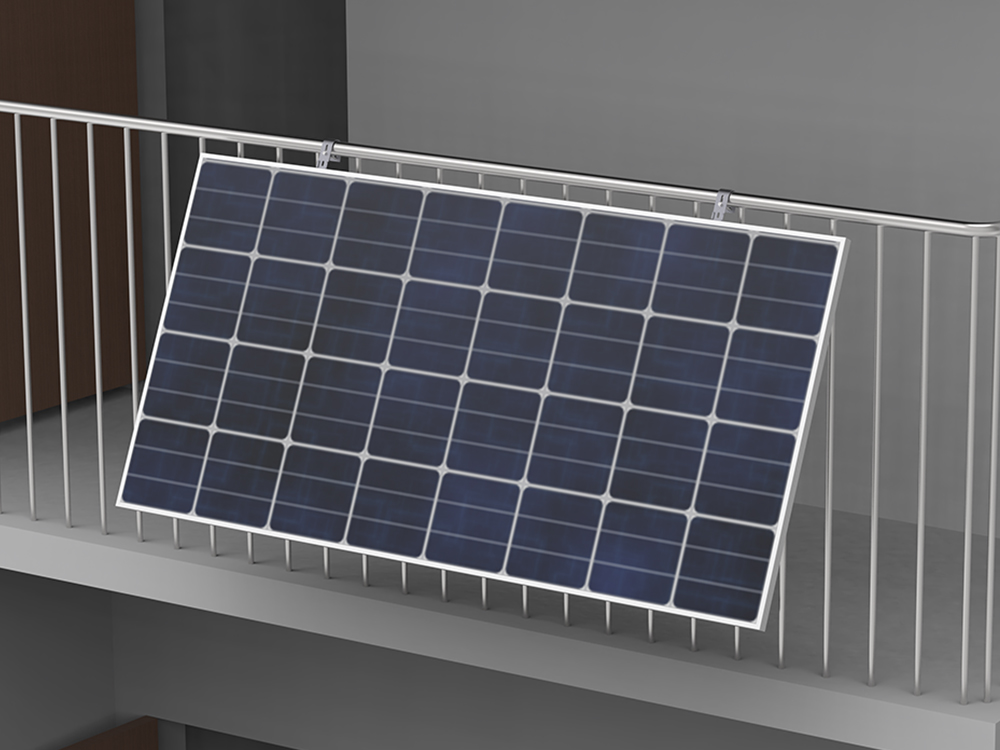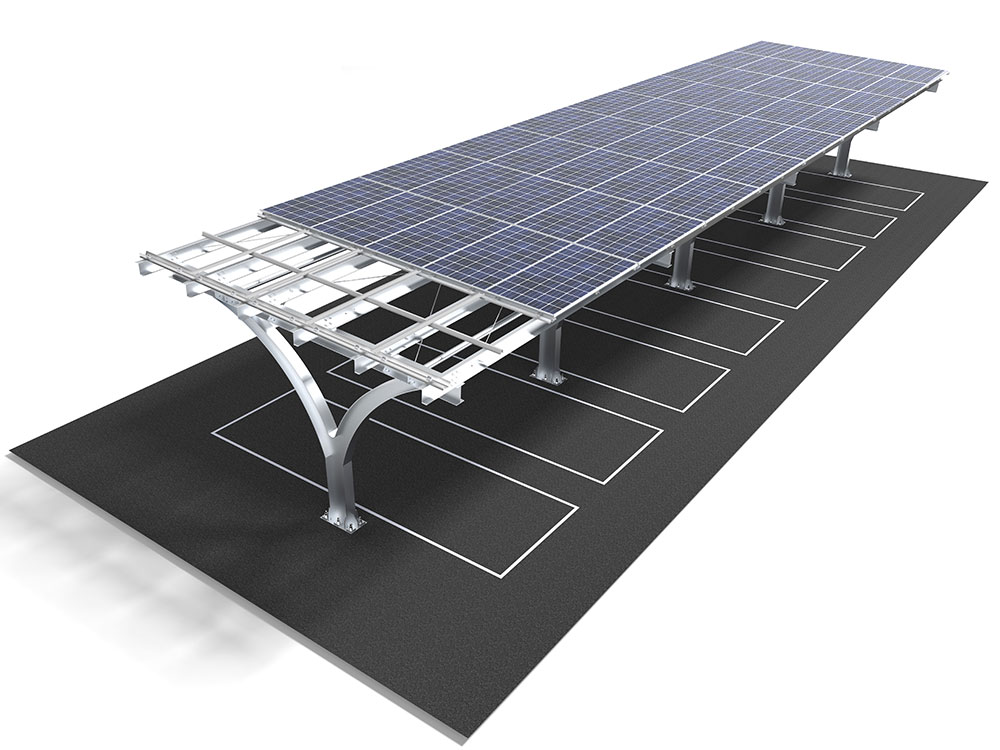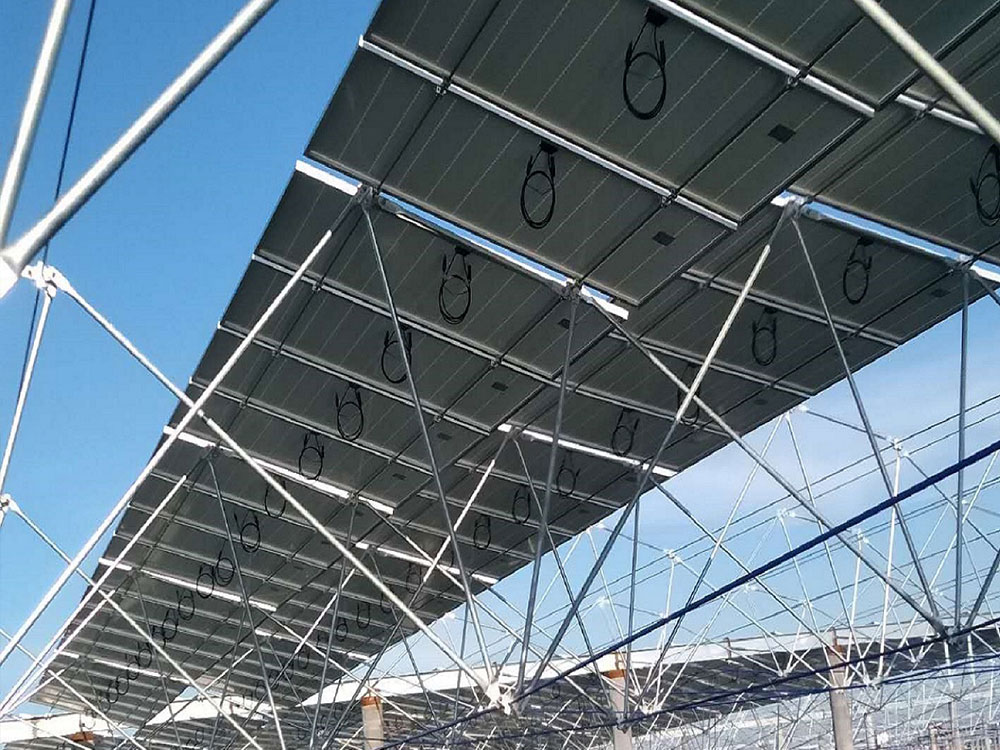
A cable structure solar mounting system is a unique solar support system that primarily uses the tension of steel cables to secure and support solar panels. The design philosophy of this structure differs significantly from that of traditional solar mounting systems; it leverages the flexibility and high strength of steel cables to create a new type of mounting system that is lightweight, flexible, and highly adaptable. The core feature of a cable structure solar mounting system is that it relies on the tension of the cables to maintain structural stability, rather than on rigid materials for support, as is the case with traditional mounting systems. This design gives cable structure solar mounting systems significant advantages in projects involving complex terrain, long spans, and situations where minimizing the impact on the ground environment is a priority.
1. Structural Types
cable structure: Forms a mesh or linear support structure using steel cables or wires, securing solar modules through tension.
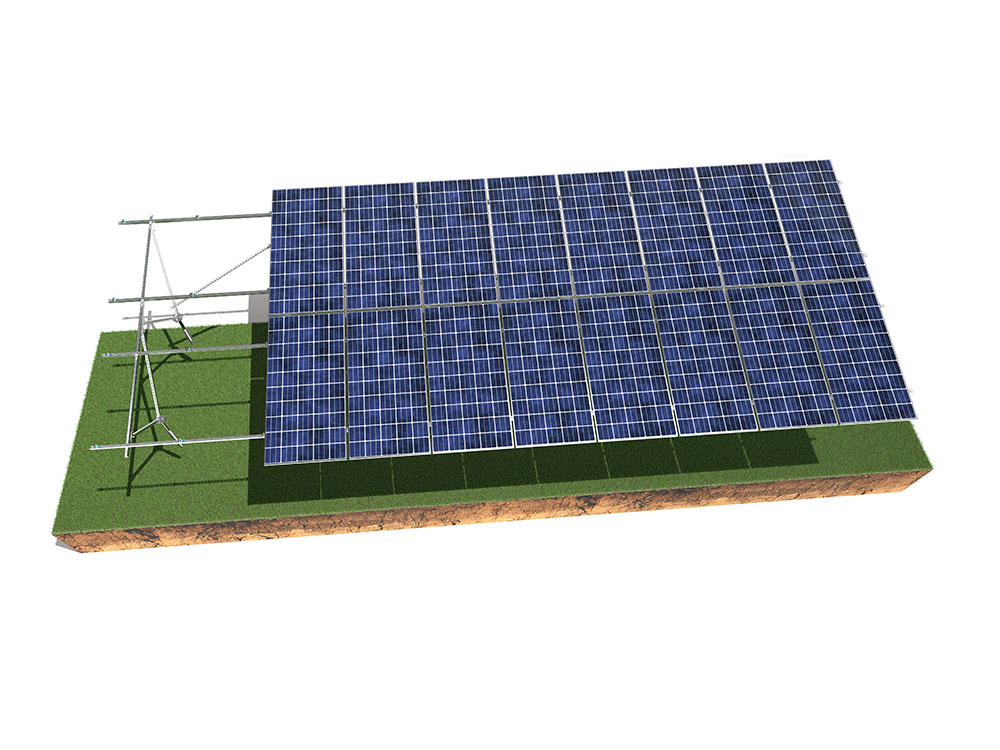
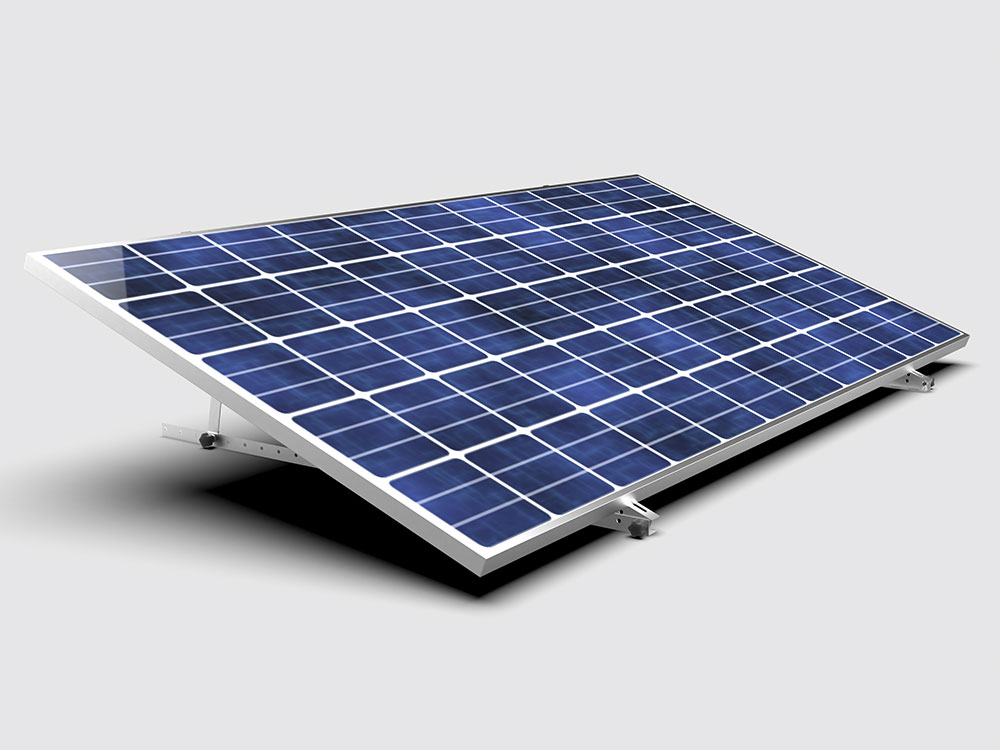
Fixed Mounts: Made of rigid materials (such as steel or aluminum), these offer a stable structure suitable for ground-mounted or rooftop installations.
Single-axis/Dual-axis Tracking Mounts: Can adjust their angle to follow the sun’s position, enhancing power generation efficiency, but feature complex structures and higher costs.
2. Materials and Weight
Cable structures: Utilize high-strength steel cables, resulting in a lightweight overall structure suitable for large spans or complex terrain.
Fixed mounts: Made of heavier materials, suitable for flat terrain.
Tracking mounts: Involve complex materials and are heavier, leading to higher installation and maintenance costs.
3. Installation and Maintenance
Cable structures: Flexible installation suitable for complex terrain, but require regular inspection of cable tension.
Fixed mounts: Simple installation and low maintenance costs.
Tracking mounts: Complex installation and high maintenance costs.
4. Suitable Applications
Cable structures are ideal for large spans, complex terrain, or scenarios requiring minimal ground impact. To explore specific use cases in more detail, you can refer to what applications are cable structure solar mounting systems suitable for? This includes projects such as agricultural greenhouses, wastewater treatment plants, carports, and regions with uneven topography.
Fixed mounts: Suitable for flat terrain and standard rooftops.
Tracking mounts: Suitable for flat areas requiring high power generation efficiency.
5. Cost
Cable structures: Low material costs, but higher installation and maintenance costs.
Fixed mounts: Lower costs, suitable for projects with limited budgets.
Tracking mounts: High initial and O&M costs, suitable for projects requiring high efficiency.
cable structure solar mounts are an innovative solar support system that achieves lightweight, flexible, and highly adaptable characteristics through cable tension. They are particularly suitable for complex terrain, long-span scenarios, and projects with strict requirements for minimizing ground impact. However, they require higher technical expertise for installation and maintenance, and their costs are relatively high. In contrast, fixed mounts are simple and economical, suitable for standard applications, while tracking mounts are ideal for projects with high power generation efficiency requirements. When selecting a solar mounting system, it is essential to consider specific project needs, topographical conditions, and budget constraints comprehensively.