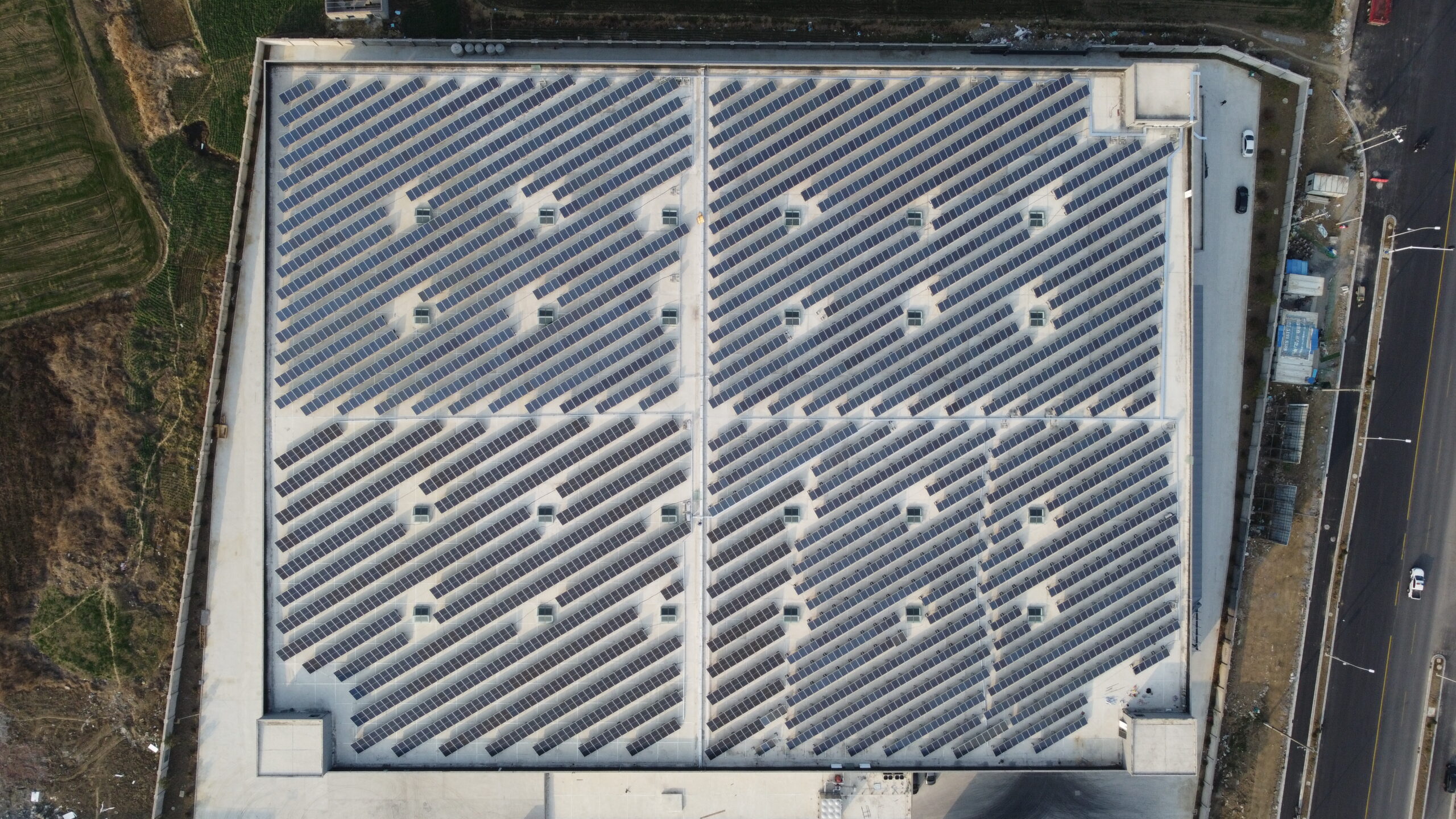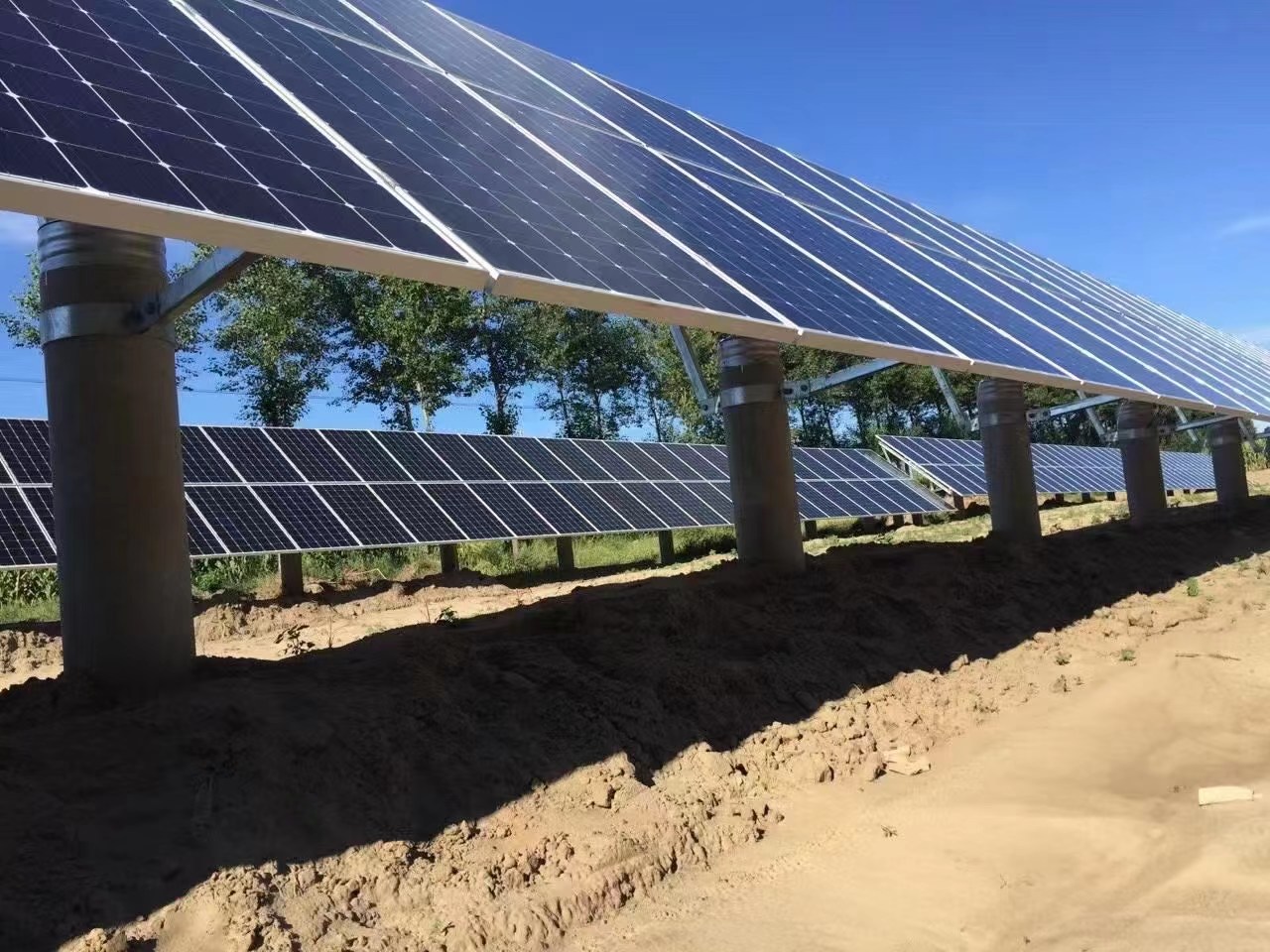
What is a solar mounting system? What are the components of a solar mounting system?
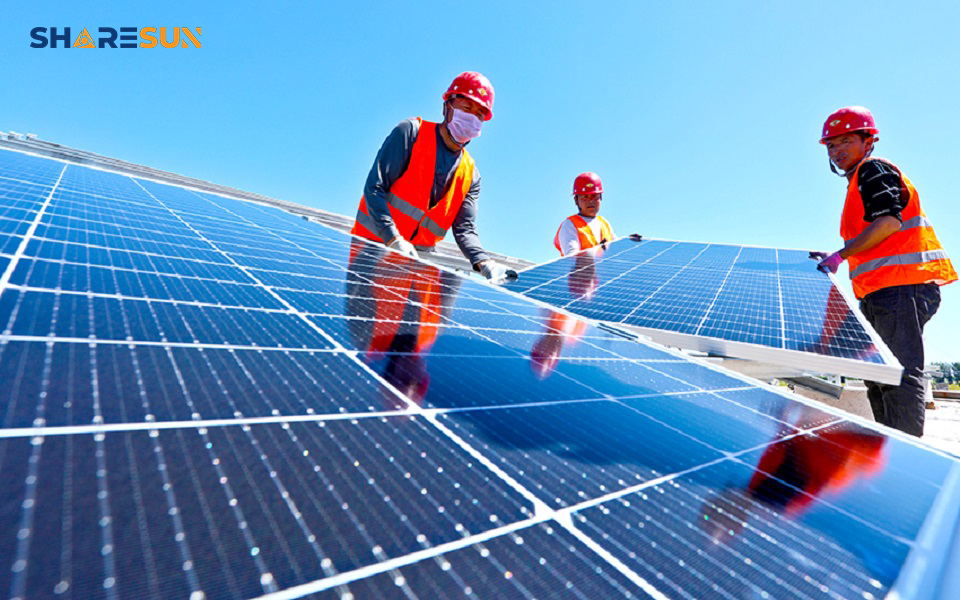
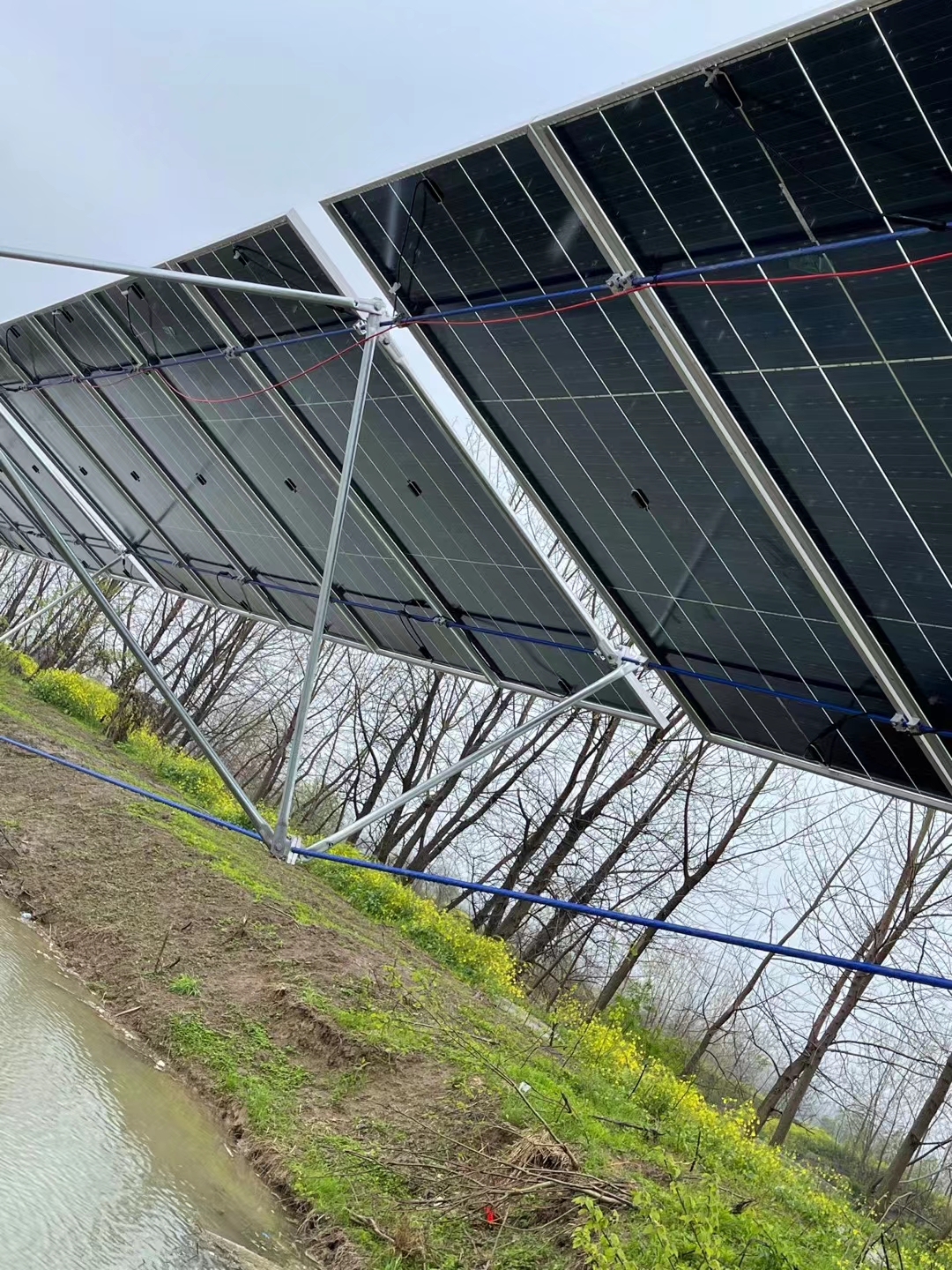
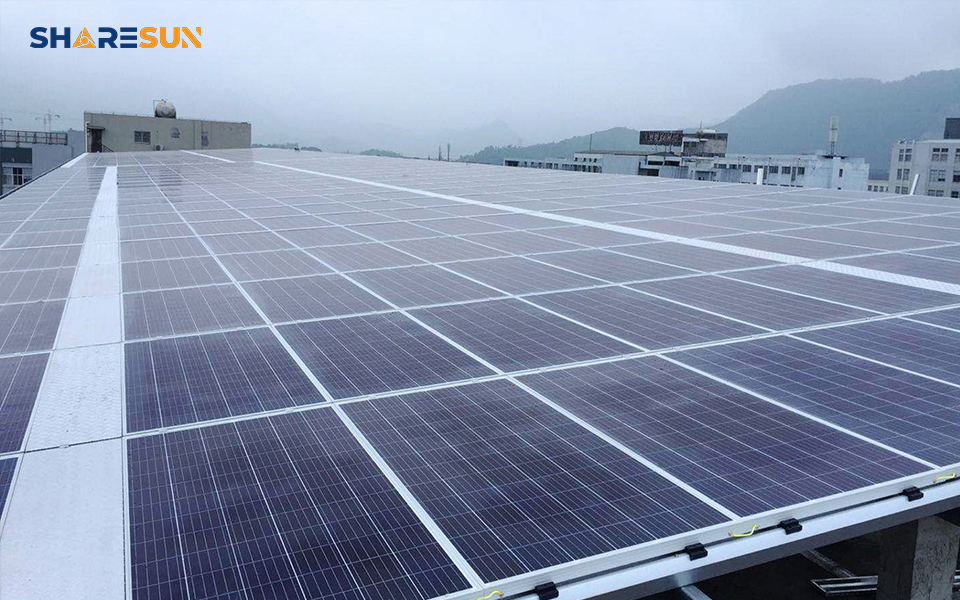
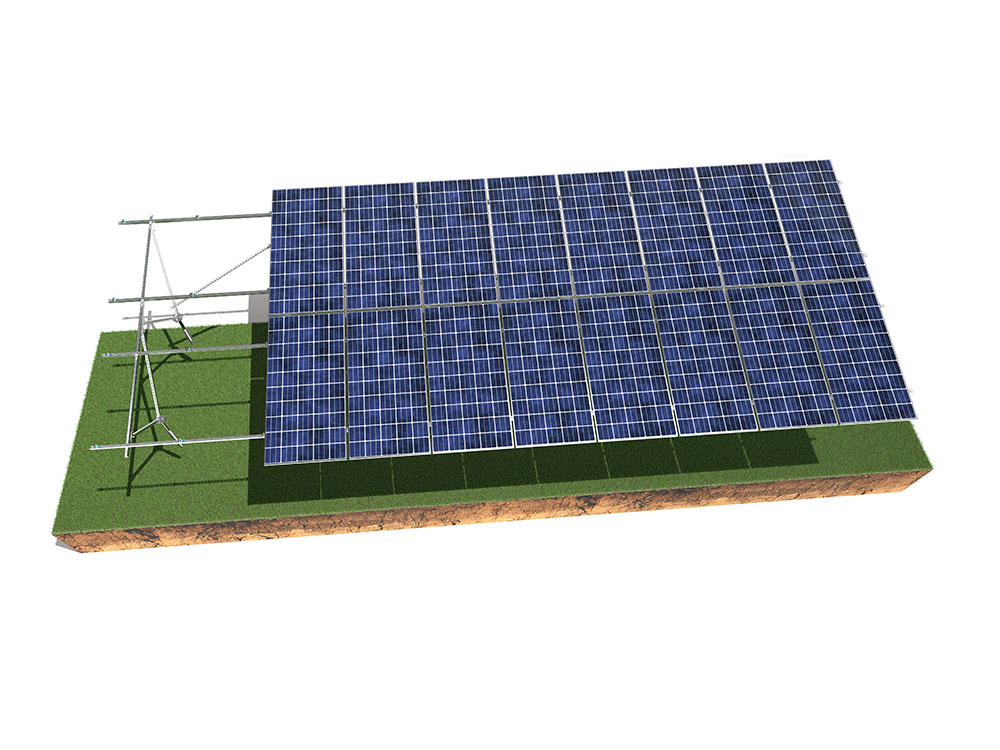
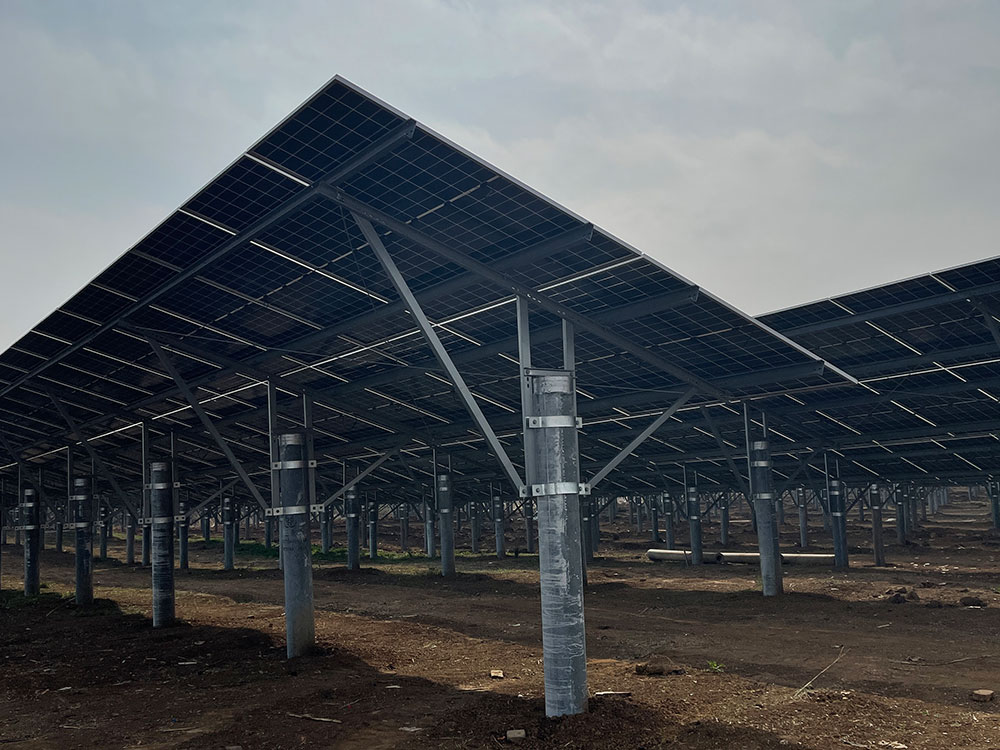
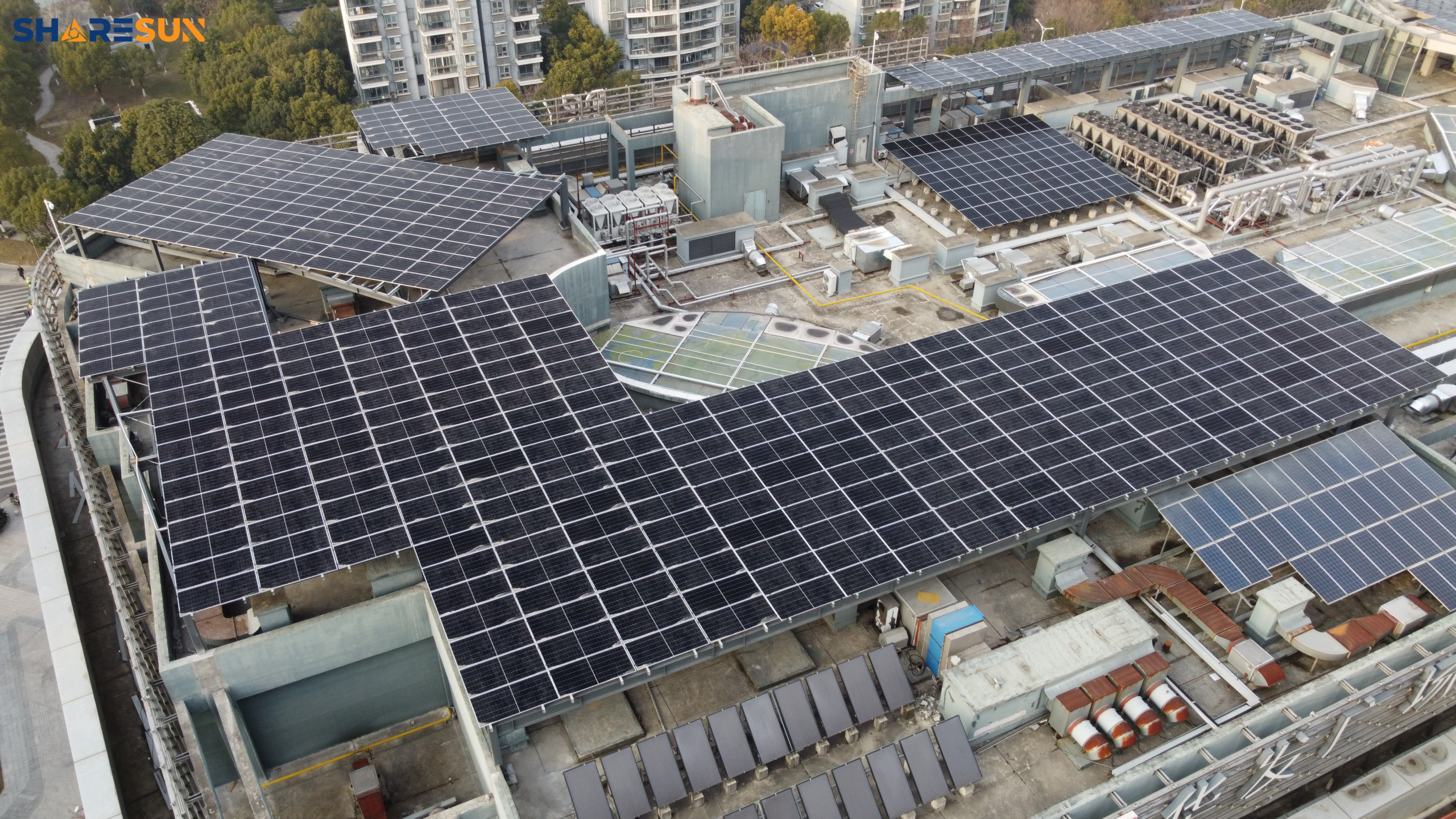
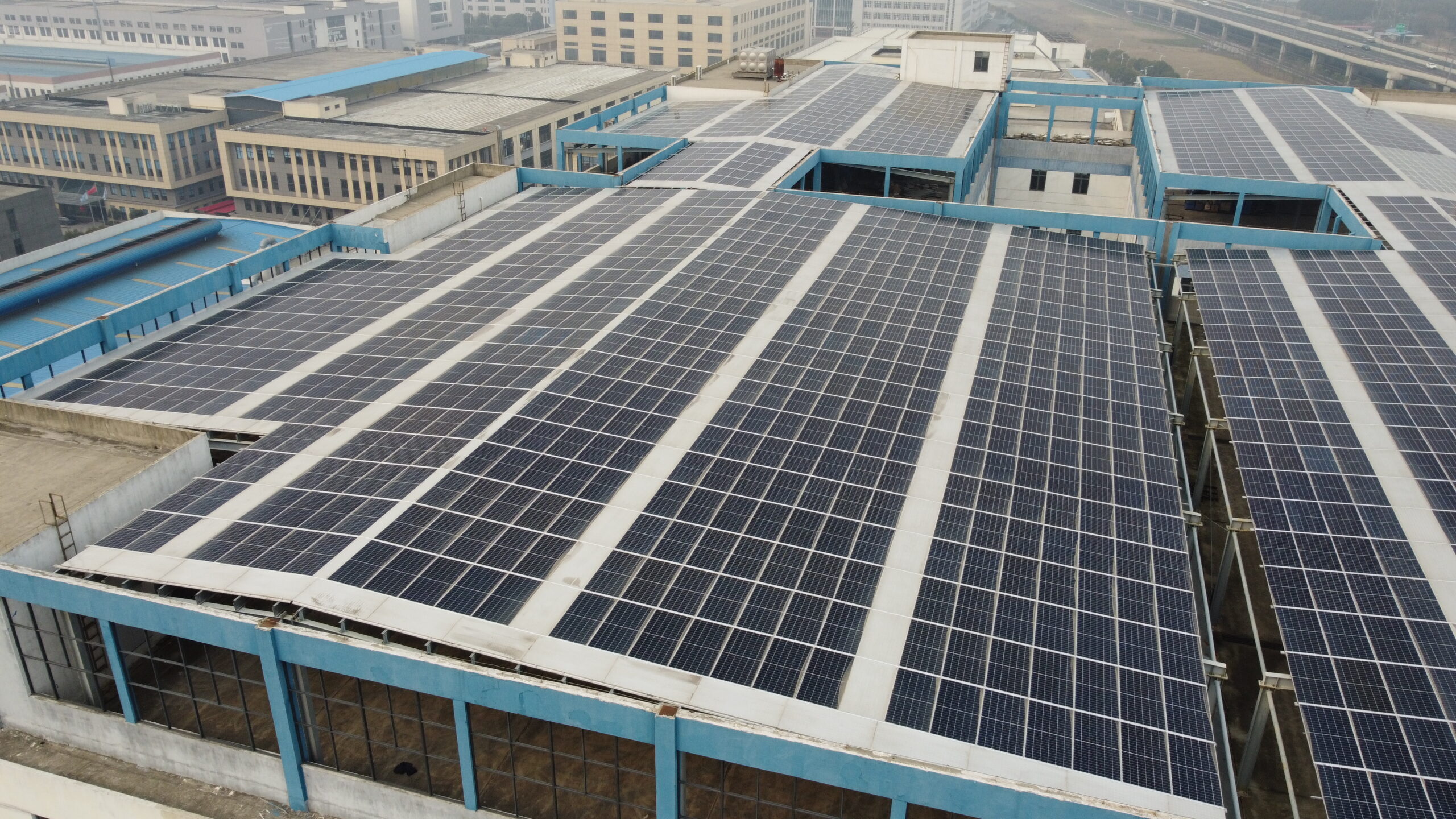
A solar mounting system, also known as a solar panel mounting system, is a specialized structure designed to install, secure, and support solar panels.
Read articleA solar mounting system, also known as a solar panel mounting system, is a specialized structure designed to install, secure, and support solar panels.
Read articleSolar mounts are often overlooked in solar power systems, yet many people don’t realize that they are the key factor determining the lifespan and profitability of the entire power plant.
Read articleCustom solar mounting systems are the preferred choice for many commercial and industrial projects, ground-mounted power plants, and special rooftop projects.
Read articleIn solar power systems, while solar mounting systems may seem like mere “supporting actors,” they play a crucial role. Not only must they support the weight of the photovoltaic modules, but they must also withstand wind, rain, snow, and corrosion over decades, directly impacting the safety and power generation efficiency of the entire solar system.
Read articleWith the growing popularity of solar power technology, more and more people with yards or open spaces are considering installing ground-mounted solar power systems.
Read articleWithin the overall investment of a solar power plant, solar mounting structures are often regarded as an unremarkable supporting element.
Read articleWith growing environmental awareness and electricity cost considerations, more households and businesses are choosing to install solar power systems.
Read articleIn solar energy systems, mounting structures bear the responsibility of securing solar panels and ensuring their safe, stable operation.
Read articleAs the “solar-plus” model gains popularity, fish-solar hybrid systems—which integrate “power generation above water with aquaculture below”—are increasingly favored.
Read articleDistributed solar power generation refers to solar power facilities developed on the consumer side, connected to the distribution grid, and balanced and regulated primarily within the distribution grid system. In simpler terms, it means installing solar power equipment at or near the point of electricity consumption, prioritizing self-consumption of the generated electricity, and selling any surplus back to the grid.
Read article