
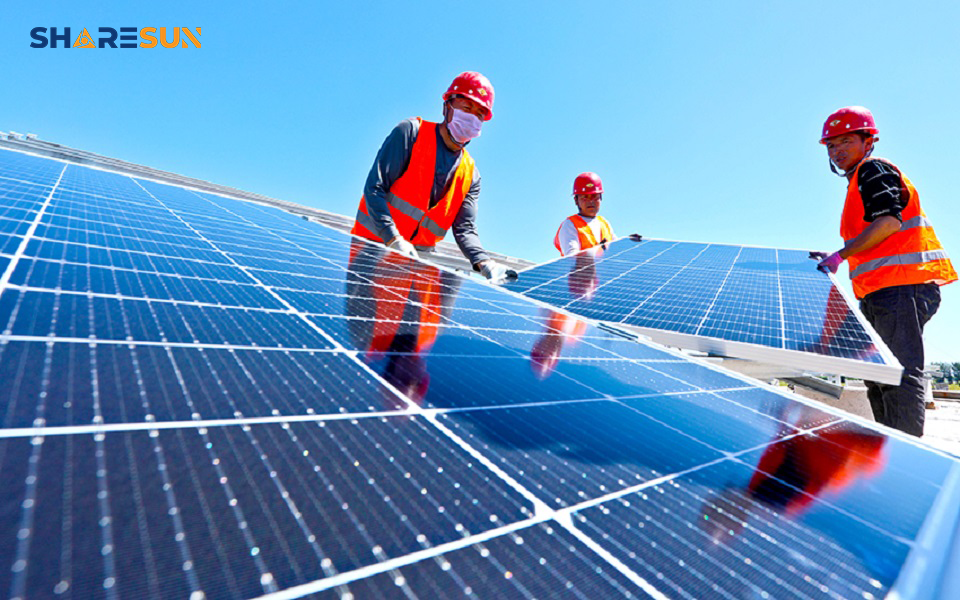
Solar mounting systems are the most easily overlooked yet critically important part of any photovoltaic power station.
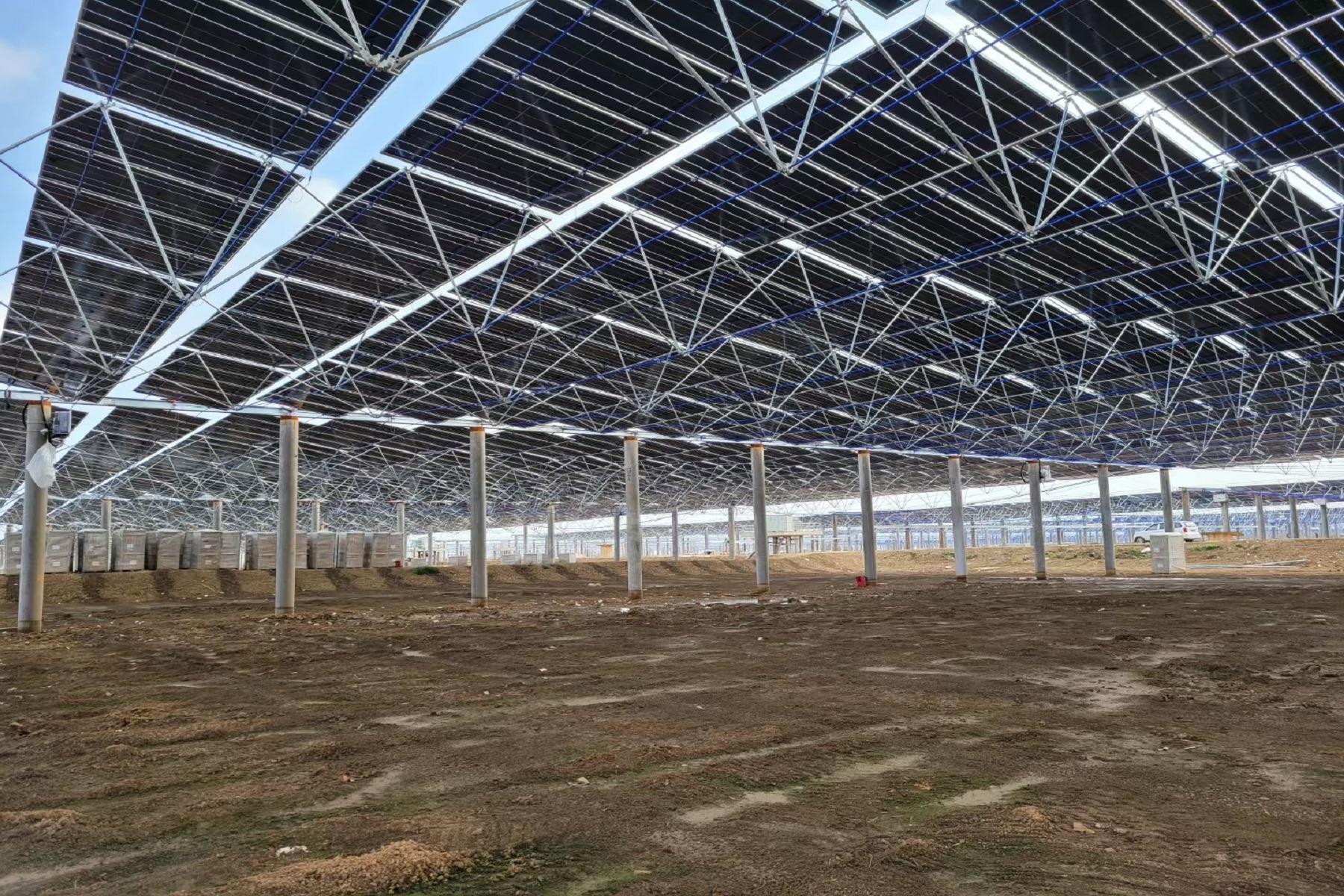
Over the past two years, a clear trend has emerged in the solar industry: it has become increasingly difficult to secure suitable flat land, so projects have begun moving to mountains, bodies of water, and even the roofs of wastewater treatment plants.
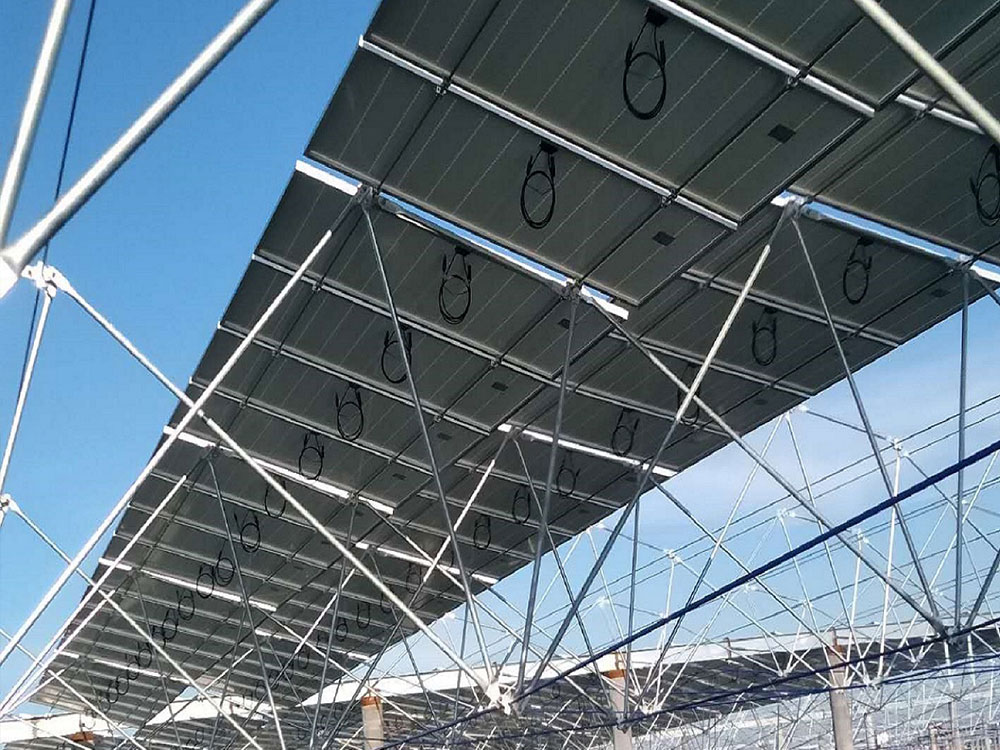
A cable structure solar mounting system is a unique solar support system that primarily uses the tension of steel cables to secure and support solar panels.
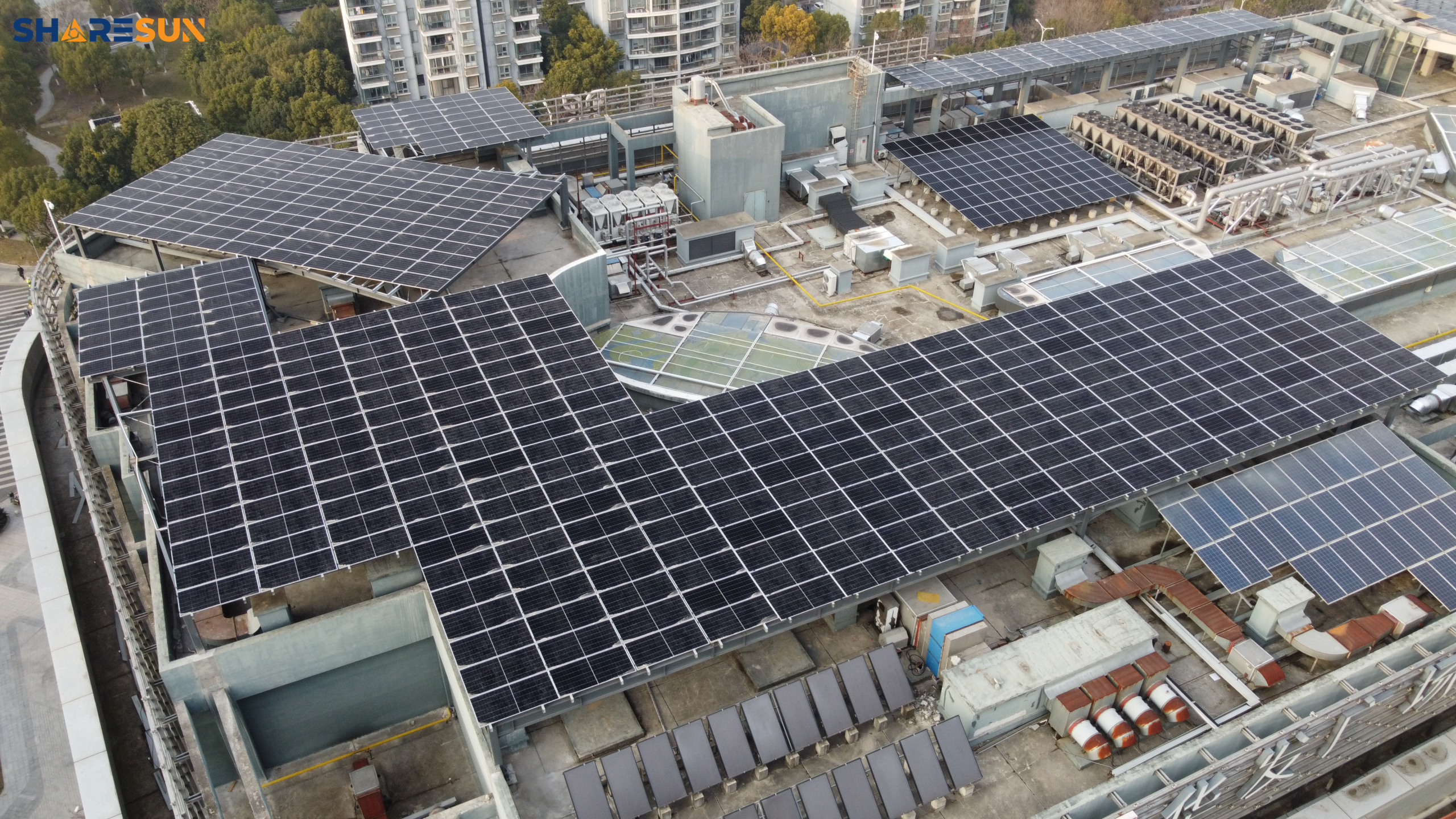
However, with continuous technological advancements and industry growth, these issues are being steadily overcome. It is foreseeable that solar power will play an increasingly important role in the future clean energy system.
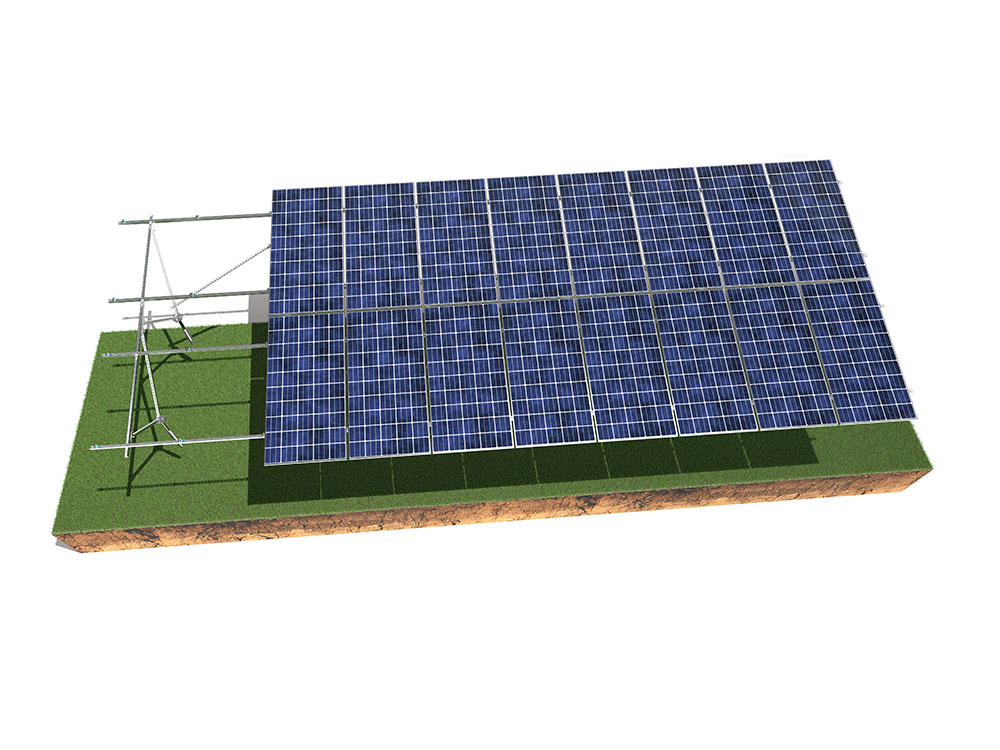
Solar mounting systems are a critical component of solar power systems. Although they may seem simple, even a slight misstep during selection can lead to issues such as water leaks, rust, or even collapse due to strong winds down the line. For homeowners or small-scale installers, mastering the following practical tips can help you avoid most pitfalls.
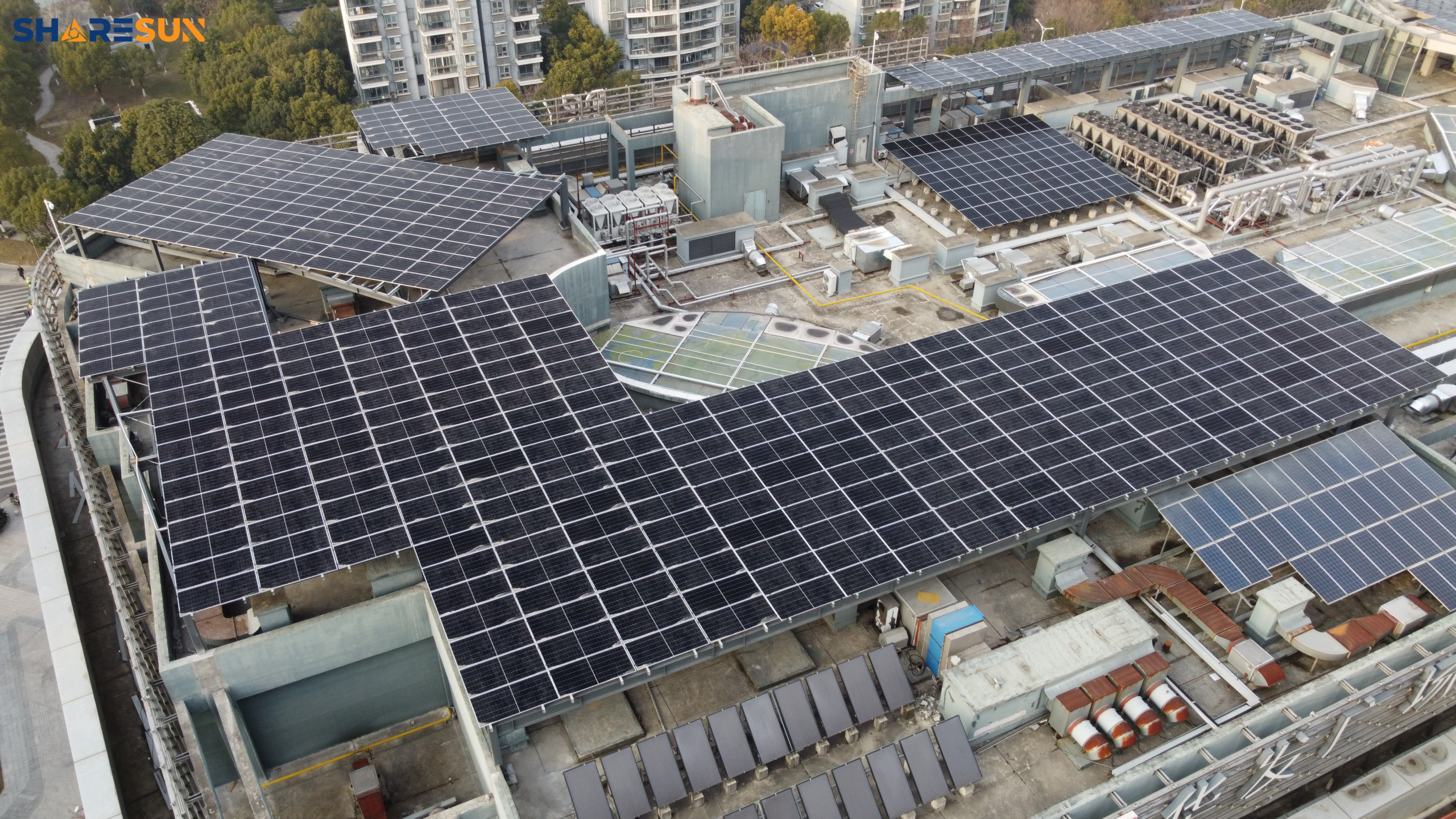
Solar mounting systems serve as the “backbone” of photovoltaic systems and are an indispensable component of solar power generation. The selection of the right mounting system directly determines the safety and power generation efficiency of the power plant. A high-quality solar mounting system can last for over 25 years. While there are many high-quality solutions available on the market today, they must be specifically matched to different installation scenarios and should not be installed haphazardly.